Do New Furnaces Really Save Money on Heating Bills in Colorado?
Do New Furnaces Really Save Money on Heating Bills in Colorado?
If you live in Colorado, you know just how long and cold our winters can be. As heating bills climb each year, many homeowners and small businesses wonder if upgrading to a new furnace will actually make a difference in their energy costs. At Alloy Heating and Cooling, we hear this question every winter , and with good reason. Investing in a new furnace is a big decision. Let’s dive into the facts, real-world scenarios, and what you can expect when considering an upgrade.
Are New Furnaces More Efficient Than Older Models?
Understanding Furnace Efficiency Ratings (AFUE)
When talking about furnace efficiency, you’ll often see the term AFUE, which stands for Annual Fuel Utilization Efficiency. AFUE measures how much fuel a furnace converts into usable heat. For example, an 80% AFUE furnace turns 80% of its fuel into heat, while the remaining 20% is lost through the vent. Older furnaces, especially those installed 20 or more years ago, often have AFUE ratings between 60% and 70%.
Modern high-efficiency furnaces commonly reach AFUE ratings of 90% or higher. Some ultra-efficient models even achieve 98%. That means almost all the energy you pay for is going directly into heating your home or business. In Colorado, where heating systems work hard from October through April, this efficiency can make a noticeable difference in your monthly bills.
Technological Advances in Modern Furnaces
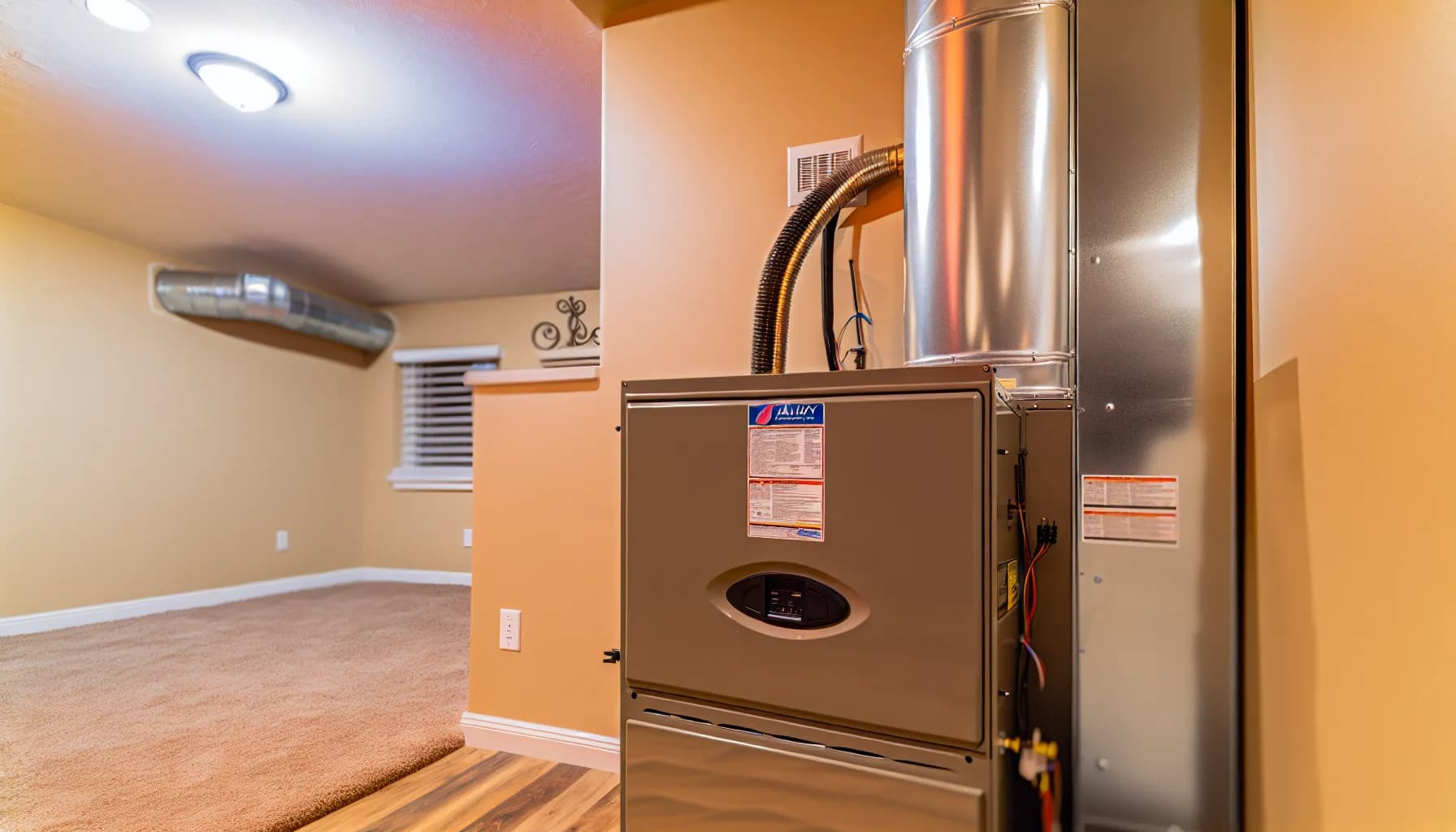
Today’s furnaces are not only more efficient but also smarter. Features like two-stage or modulating gas valves allow the furnace to run at lower capacity when full heat isn’t needed, saving energy and keeping temperatures more consistent. Variable-speed blower motors adjust airflow for even distribution and quieter operation. Many models can be paired with smart thermostats for even greater control and energy savings.
For example, a Greenwood Village homeowner recently replaced their 25-year-old furnace with a new 96% AFUE model. They noticed not only lower heating bills but also a more comfortable, evenly heated home, especially during Colorado’s coldest snaps.
How Much Can You Save on Heating Bills with a New Furnace in Colorado?
Factors That Impact Your Heating Savings
The actual savings from a new furnace depend on several factors:
- Current furnace efficiency: The older and less efficient your current system, the greater your potential savings.
- Size and insulation of your home: Well-insulated homes see bigger benefits from high-efficiency units.
- Usage patterns: Households that run their furnace more often, or businesses with long operating hours, will see more significant savings.
- Natural gas and electricity rates: Local energy costs influence your total savings.
For example, a family in Highlands Ranch replaced their old 65% AFUE unit with a 95% model. Their annual heating bill dropped by about 28%, saving them nearly $450 in the first winter alone.
Typical Savings for Colorado Homeowners
According to industry data and local case studies, most Colorado homeowners can expect to save between 20% and 30% on their heating bills after upgrading to a high-efficiency furnace. For a typical Colorado home that spends $1,200 per year on heating, this translates to $240 to $360 in annual savings. Over a 15-year furnace lifespan, those savings add up to thousands of dollars.
Small businesses and commercial properties in areas like Denver or Aurora, which often have larger spaces and longer heating seasons, can see even greater savings. One small retail shop in Littleton reported savings of almost 35% after their furnace upgrade, which helped offset rising utility costs and improved employee comfort.
Other Benefits of Upgrading to a New Furnace
Improved Indoor Comfort and Air Quality
New furnaces offer more than just lower energy bills. Modern systems provide more consistent heating, fewer cold spots, and improved humidity control. Variable-speed blowers and better filtration help reduce dust, allergens, and other airborne particles, making your living or working space healthier and more comfortable. For example, a household in Parker with allergy sufferers noticed a significant improvement in indoor air quality after their furnace upgrade, thanks to advanced filtration and better airflow.
Reduced Environmental Impact
High-efficiency furnaces use less fuel to heat your home. This not only saves money but also reduces your carbon footprint. Natural gas furnaces with high AFUE ratings help Colorado meet its goals for energy efficiency and emissions reduction. For eco-conscious homeowners and businesses, upgrading is a step toward a greener future.
Is a New Furnace Worth the Investment?
Calculating Return on Investment (ROI)
While the upfront cost of a new furnace can seem high, the long-term savings often make it worthwhile. Let’s look at an example:
- Installation cost of a new high-efficiency furnace: $4,500
- Annual savings on heating bills: $300
- Payback period: 15 years of savings = $4,500 (matching your initial investment)
Keep in mind, this does not include potential rebates, lower maintenance costs, or increased home value. For real-world context, a Castle Rock homeowner who recently upgraded found their new furnace paid for itself in just 13 years, thanks to both energy savings and a $400 rebate from their utility company.
Available Rebates and Incentives in Colorado
Many Colorado utility companies and state programs offer rebates or incentives for installing high-efficiency heating systems. Xcel Energy, Black Hills Energy, and local municipal utilities frequently run rebate programs. These can range from $200 to $800 or more, depending on the furnace’s efficiency rating and the program details. Some federal tax credits may also apply. These incentives reduce your upfront cost and improve your return on investment.
Before purchasing a new furnace, check with your local utility provider or consult with Alloy Heating and Cooling. We stay up-to-date on the latest rebates and can help you maximize your savings.
Conclusion
Upgrading to a new, high-efficiency furnace in Colorado can lead to significant savings on your heating bills, often 20% to 30% or more. Beyond the financial benefits, you’ll enjoy improved comfort, better indoor air quality, and a smaller environmental footprint. If your furnace is more than 15 years old or struggling to keep up, it may be time to consider an upgrade. Contact Alloy Heating and Cooling for a free consultation, and let us help you find the best solution for your home or business.
Frequently Asked Questions
Are new furnaces more efficient than older units?
Yes, new furnaces generally offer higher efficiency ratings (AFUE), often reaching 90% or greater, compared to older models that may only achieve 60-70% efficiency.
How much can I expect to save on my heating bills with a new furnace?
Depending on your previous system and usage, Colorado homeowners often save 20-30% on heating bills after upgrading to a high-efficiency furnace.
What is AFUE and why does it matter?
AFUE stands for Annual Fuel Utilization Efficiency and represents the percentage of fuel converted into heat. Higher AFUE means less energy waste and more savings.
Are there rebates or incentives for installing a new furnace in Colorado?
Yes, many utility companies and state programs in Colorado offer rebates or incentives for installing energy-efficient furnaces.
Will a new furnace improve my home's comfort?
Modern furnaces often provide more consistent heating, better airflow, and improved air quality, resulting in a more comfortable home environment.

Alloy HVAC Team
HVAC experts with years of experience in the industry. We share tips, insights, and the latest trends in heating, ventilation, and air conditioning to help you maintain optimal comfort in your home or business.