Ductless Mini Split vs Central Air: Which Cooling System is Right for Your Colorado Home?
Ductless Mini Split vs Central Air: Which Cooling System is Right for Your Colorado Home?
When summer temperatures soar across Colorado, homeowners in Greenwood Village, Littleton, Highlands Ranch, Aurora, Denver, Boulder, and beyond need a reliable way to keep their homes cool and comfortable. Two popular options are ductless mini split systems and traditional central air conditioning. But which system is the best fit for your unique needs? At Alloy Heating and Cooling, we help you make an informed decision by breaking down the features, benefits, and considerations of each system. Let’s explore how these cooling solutions compare, so you can enjoy comfort and energy savings all season long.
Understanding Ductless Mini Split Systems
What is a Ductless Mini Split?
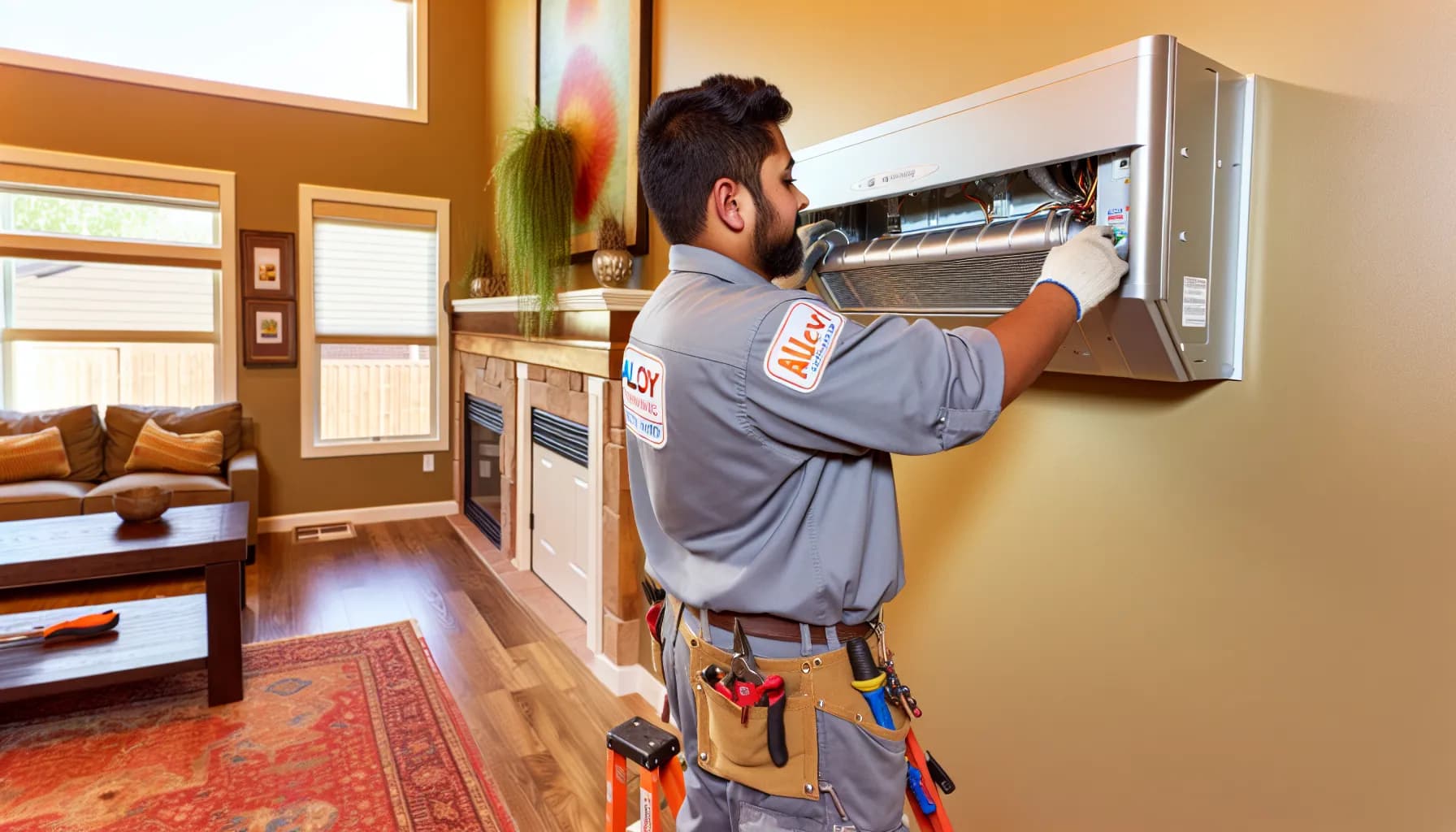
A ductless mini split, also known as a ductless heat pump or ductless AC, is a cooling and heating system that does not require traditional ductwork. Instead, it consists of an outdoor compressor and one or more indoor air handling units mounted on walls or ceilings. Refrigerant lines run between the indoor and outdoor units, allowing for targeted comfort and flexible installation.
How Do Ductless Mini Splits Work?
Ductless mini splits use advanced heat pump technology. In cooling mode, the system transfers heat from inside your home to the outside. In heating mode, it reverses the process. Each indoor unit operates independently, letting you control the temperature in each room or “zone.” This zoned approach means you can cool only the areas you’re using, increasing energy efficiency and comfort.
Key Components of Ductless Mini Split Systems
- Outdoor Compressor: The main unit that drives the cooling and heating process.
- Indoor Air Handlers: Wall- or ceiling-mounted units that deliver conditioned air directly into your living spaces.
- Refrigerant Lines: Small pipes that connect the indoor and outdoor units, requiring only a small hole in the wall.
- Remote or Wall Controls: Allow you to adjust temperature and fan settings for each zone.
Ductless mini splits are especially popular in older homes in Denver or Boulder that lack space for ductwork, or for additions, finished basements, and sunrooms where extending ducts is not practical.
Central Air Conditioning: An Overview
How Does Central Air Work?
Central air conditioning uses a single outdoor compressor and an indoor evaporator coil, usually attached to the furnace. Conditioned air is distributed throughout the house using a network of ducts and vents. A central thermostat controls the entire system, providing even cooling to every room connected to the ductwork.
Pros and Cons of Central Air Systems
- Pros:
- Consistent, whole-home comfort
- Discreet appearance with no visible indoor units
- Works well for larger homes with existing ductwork
- Cons:
- Energy loss through duct leaks (up to 30% of cooled air can be lost in ducts)
- Higher installation costs if ducts are not already present
- Less flexibility for zoning or room-by-room temperature control
Central air is a great solution for homes in Highlands Ranch, Centennial, or Castle Rock where ductwork is already in place and even cooling is a priority.
Comparing Ductless Mini Split vs Central Air
Energy Efficiency and Cost Savings
Ductless mini splits are often more energy-efficient than central air systems. Without ductwork, there are no leaks or wasted energy. Zoned cooling means you only use energy where needed. In real-world terms, a homeowner in Aurora who primarily uses the lower level of their home can set upstairs units to a higher temperature, reducing energy bills significantly.
Central air systems may use more energy, especially if ducts are leaky or poorly insulated. However, modern high-efficiency central AC systems with variable-speed blowers can still deliver strong performance if maintained properly.
Installation Requirements and Flexibility
Ductless mini splits require only a small hole for refrigerant lines, making them ideal for homes without existing ducts or for new additions. Installation is generally faster and less invasive. For example, residents in older Denver neighborhoods or mountain homes in Evergreen often prefer ductless systems to avoid major renovations.
Central air installation is more complex if ducts need to be added or replaced. Homes in newer subdivisions like Lone Tree or Parker, where ducts are already present, can usually accommodate central air installation with less hassle.
Maintenance and Longevity
Both systems require regular maintenance for optimal performance. Ductless mini splits need filter cleaning and periodic professional servicing. Central air systems require duct cleaning, filter changes, and routine checkups for the entire system. Generally, ductless systems have a lifespan of 12 to 20 years, while central air units last about 10 to 15 years, depending on upkeep and use.
Which Cooling System is Best for Colorado Homes?
Climate Considerations in Colorado
Colorado’s climate includes hot, dry summers and chilly winters, with significant temperature swings between day and night. Ductless mini splits, especially those with heat pump capabilities, offer both heating and cooling, making them a versatile choice for homes in Boulder, Monument, or Elizabeth. Central air systems excel at consistent cooling during heat waves but require a separate furnace for winter warmth.
Home Size and Layout
Mini splits are ideal for smaller homes, condos, historic properties, or homes with unique layouts, like those found in Golden or Morrison. They shine in situations where only part of the home needs cooling. For larger homes with open floor plans or multi-story layouts, central air may deliver more even temperatures throughout the house.
Budget and Long-Term Value
Installation costs for ductless mini splits typically range from $3,000 to $7,000 per zone in Colorado, but energy savings can be significant over time. Central air installation can be more economical for large homes with existing ductwork, but the cost rises sharply if ducts need to be added or replaced. Homeowners should weigh upfront costs against long-term operating expenses, comfort, and home value. Alloy Heating and Cooling can help you calculate the best return on investment for your specific home and needs.
Choosing the Right Cooling Solution for Your Needs
Signs You Should Choose a Ductless Mini Split
- You have an older home in Denver or Boulder without existing ducts and want to avoid invasive renovations.
- You want to cool (or heat) only certain areas, like a finished basement, guest room, or home office.
- Your family members have different temperature preferences for bedrooms or living areas.
- You are looking for a quiet system that won’t disrupt daily life or sleep.
- You want year-round comfort, with both heating and cooling from a single system.
Real-world example: A homeowner in Highlands Ranch converted their attic into a workout space. A ductless mini split gave them precise climate control without extending existing ductwork, saving time and money.
When Central Air Might Be the Better Option
- Your home already has a duct system in good condition.
- You want whole-home cooling controlled by a single thermostat.
- You prefer a system with no visible indoor units on walls or ceilings.
- Your home is over 2,500 square feet and you want even cooling on every floor.
Real-world example: A small business in Centennial with an open-plan office chose central air for uniform cooling and minimal visual impact, as ducts were already in place.
Both systems have their place in Colorado homes and businesses. Your decision should be based on your property’s layout, your budget, and your comfort preferences. The experts at Alloy Heating and Cooling can help you evaluate your options and choose the best solution for your needs, whether you’re in Castle Rock, Lafayette, or anywhere in between.
Frequently Asked Questions
Frequently Asked Questions
Are ductless mini splits more energy-efficient than central air systems?
Yes, ductless mini splits are often more energy-efficient because they avoid energy losses associated with ductwork and allow for zoned cooling, which can reduce overall power usage.
How much does it cost to install a ductless mini split in Colorado?
The cost to install a ductless mini split in Colorado typically ranges from $3,000 to $7,000 per zone, depending on the brand, model, and complexity of installation.
Can ductless mini splits heat as well as cool?
Most ductless mini splits are heat pumps, meaning they can provide both heating and cooling, making them a versatile option for Colorado’s varied climate.
Is a ductless mini split a good option for older homes without ductwork?
Absolutely. Ductless mini splits are ideal for older homes that lack existing ductwork, as they require minimal invasive installation and no ducts.
Are ductless mini splits quieter than central air systems?
Generally, ductless mini splits operate more quietly than traditional central air systems because the noisier compressor unit is located outside, and indoor units are designed for quiet operation.

Alloy HVAC Team
HVAC experts with years of experience in the industry. We share tips, insights, and the latest trends in heating, ventilation, and air conditioning to help you maintain optimal comfort in your home or business.