How Often Should You Service Your HVAC System in Colorado’s Climate?
How Often Should You Service Your HVAC System in Colorado’s Climate?
Living in Colorado means experiencing all four seasons in their full glory, from blazing summer afternoons to snowy winter mornings. If you own a home or small business anywhere from Greenwood Village to Boulder or Monument, you know that your heating and cooling system works hard to keep you comfortable through these temperature swings. But how often should you really service your HVAC system in Colorado’s unique climate? At Alloy Heating and Cooling, we help local residents and businesses optimize their comfort and system performance year-round. Here’s what you need to know about HVAC service frequency in Colorado, the benefits of regular maintenance, and what to expect during a professional appointment.
Understanding Colorado’s Unique Climate and Its Impact on HVAC Systems
Seasonal Temperature Fluctuations
Colorado is famous for rapid weather changes. It’s not uncommon to see a 40-degree temperature swing in a single day, especially in the spring and fall. For HVAC systems, that means switching from heating to cooling in just a matter of hours. This constant cycling puts extra stress on your furnace, air conditioner, heat pump, and thermostat.
For example, a homeowner in Highlands Ranch might wake up to a chilly 30-degree morning and turn on the heat, only to need air conditioning by late afternoon. This constant demand accelerates wear and tear, making regular maintenance even more important compared to milder climates.
Effects of Altitude and Dry Air
Colorado’s high altitude and arid air present unique challenges. Dry air can cause seals and gaskets in your HVAC equipment to crack or deteriorate faster than in more humid states. The thin air at higher elevations also means your system may need to work harder to maintain the same indoor comfort, especially during extreme cold snaps or heat waves. Homeowners in places like Evergreen or Castle Rock may notice their furnace or AC running longer than expected, which can lead to increased energy consumption and potential breakdowns.
Common HVAC Issues in Colorado
- Dust and Debris: The dry climate means more dust in the air, which can clog filters, vents, and coils.
- Static Electricity: Dry indoor air can increase static electricity, putting sensitive HVAC electronics at risk.
- Short Cycling: Rapid changes in outdoor temperature can cause your system to turn on and off more frequently, stressing internal components.
- Humidity Imbalance: Without a humidifier, your system may struggle to maintain healthy indoor humidity levels, affecting both comfort and system performance.
Recommended HVAC Service Frequency for Colorado Homes
General Guidelines for HVAC Maintenance
For most Colorado homes and businesses, the golden rule is to service your HVAC system twice a year, once in the fall before heating season and once in the spring before cooling season. This schedule helps ensure your furnace or heat pump is ready for winter, and your air conditioner or cooling system is primed for summer.
Consider this real-world scenario: A family in Littleton skipped spring AC maintenance, only to discover their system struggling during a July heatwave. The culprit was a clogged condenser coil, a simple issue that could have been prevented with a preseason tune-up.
Additional Service Considerations for Colorado Residents
Depending on your location and system type, you may need more frequent service. Homes near construction zones, high-traffic roads, or open plains (like those in Parker, Aurora, or Brighton) may see higher dust levels, requiring more frequent filter changes and coil cleanings. Properties with pets, extensive landscaping, or older equipment should also consider shorter intervals between professional checkups.
Signs Your HVAC System Needs Immediate Attention
- Unusual Noises: Banging, rattling, or squealing can indicate loose parts or motor issues.
- Reduced Airflow: Weak or inconsistent airflow could mean a clogged filter, duct leakage, or blower problems.
- Inconsistent Temperatures: If some rooms are too hot or cold while others stay comfortable, your system may need balancing or repair.
- Higher Energy Bills: A sudden spike in utility costs often points to reduced efficiency or a hidden issue.
- Frequent Cycling: If your system turns on and off rapidly, it may be struggling to keep up with demand or need a simple thermostat adjustment.
If you notice any of these warning signs, don’t wait until your system fails. Call Alloy Heating and Cooling for a prompt inspection and repair.
Benefits of Regular HVAC Maintenance
Improved Energy Efficiency
Routine maintenance keeps your system running at its best. Cleaning coils, replacing filters, and tuning up moving parts reduce strain on motors and fans, helping your HVAC use less energy to deliver the same comfort. According to the U.S. Department of Energy, well-maintained systems can use up to 15% less energy than neglected ones, a significant saving over time, especially during Colorado’s peak summer or winter months.
Extended Equipment Lifespan
Regular servicing helps catch small problems before they turn into major repairs or require premature replacement. For example, a commercial property owner in Denver scheduled annual maintenance and avoided a costly compressor failure that would have shut down their office during the winter. By addressing worn belts, tightening electrical connections, and lubricating moving parts, you can add years to your system’s life, delaying the need for expensive new equipment.
Enhanced Indoor Air Quality
Colorado’s dry, dusty environment means your HVAC system is constantly filtering out airborne particles. Routine filter changes, duct inspections, and coil cleanings help trap dust, pollen, and allergens, making your indoor air healthier. For families with allergies or asthma, this can make a noticeable difference in daily comfort. Adding a professionally maintained humidifier can also help balance moisture levels, reducing dry skin, static shocks, and respiratory irritation.
What to Expect During an HVAC Service Appointment
Inspection Checklist
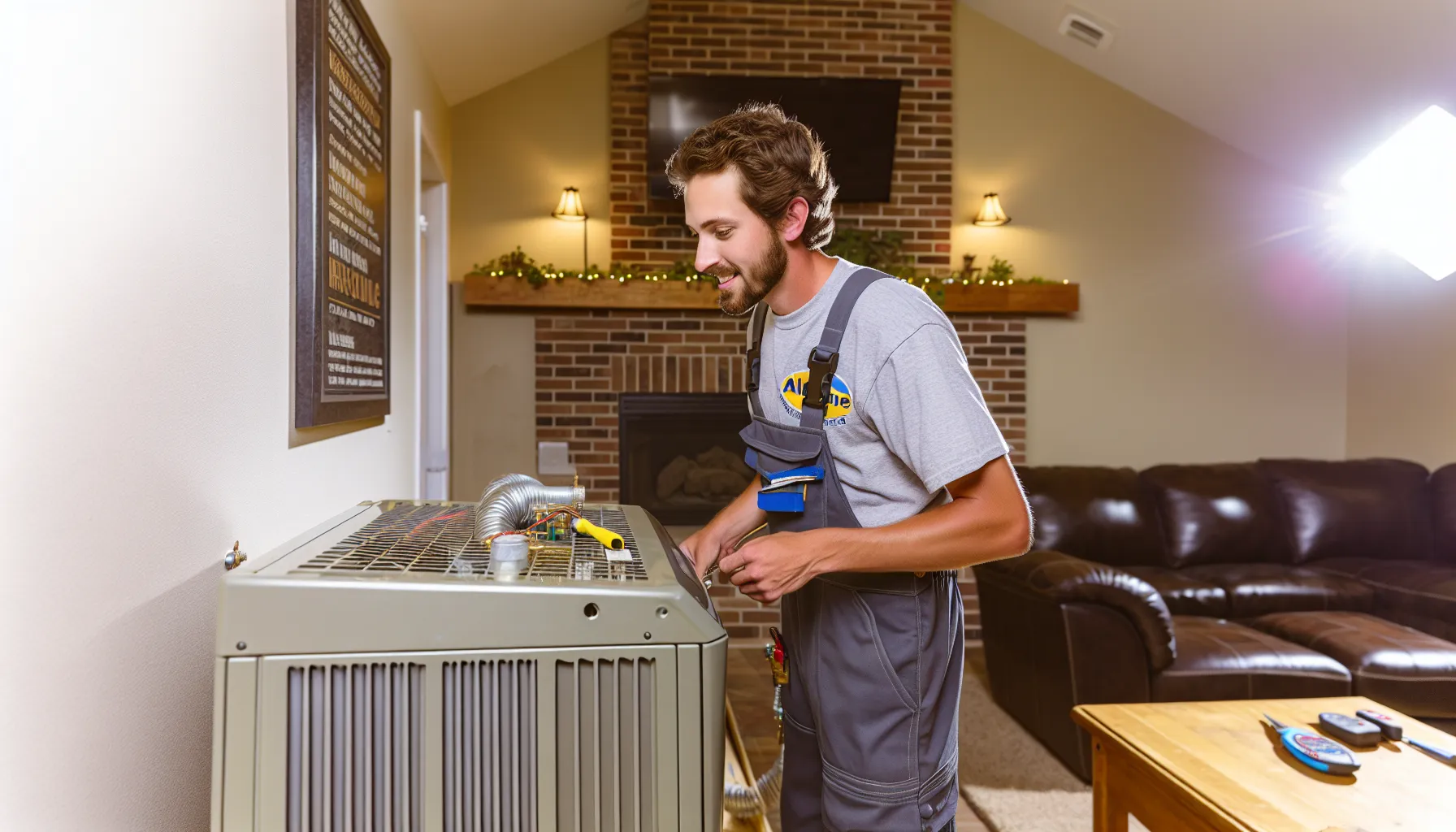
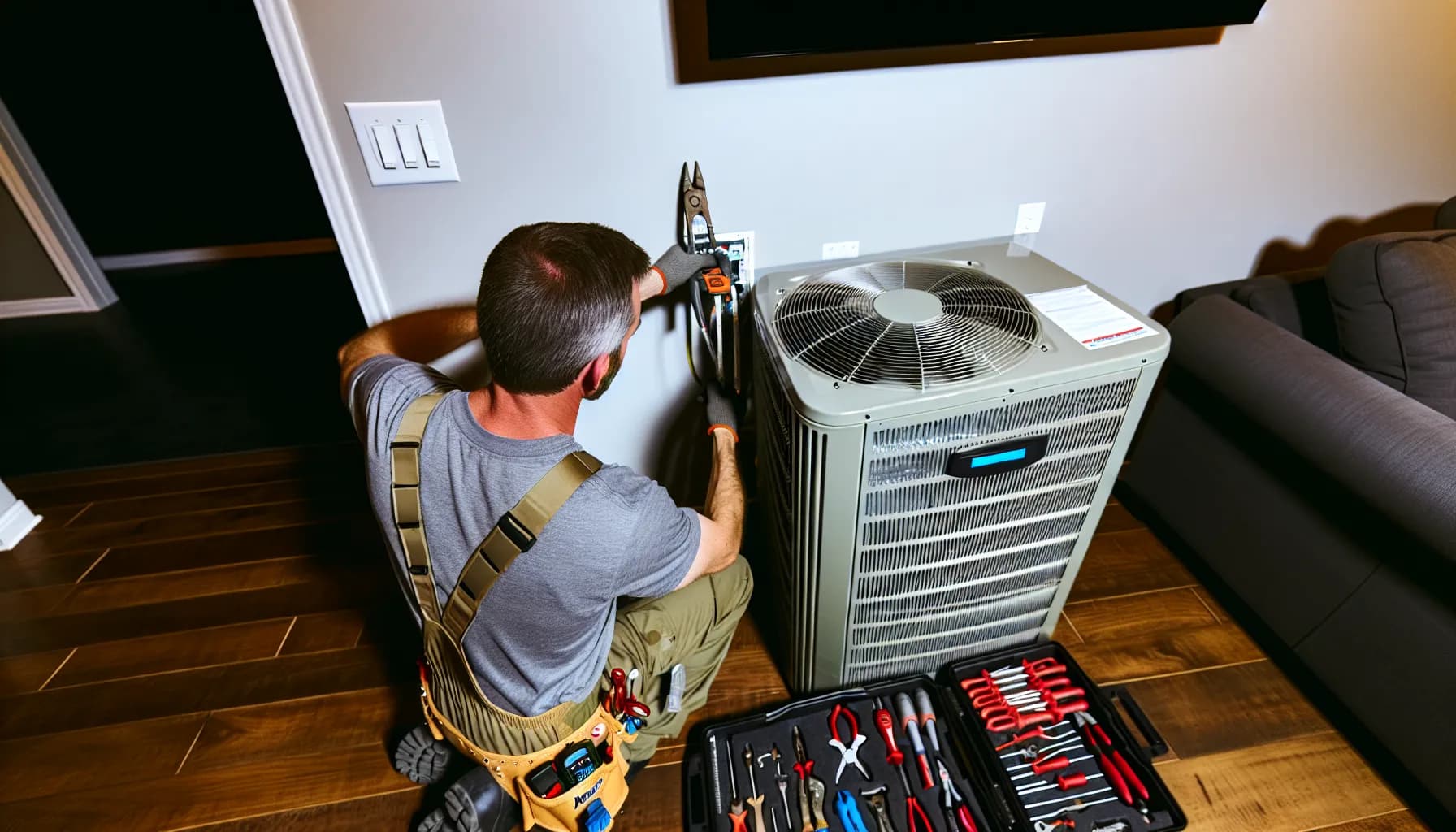
When you schedule a maintenance visit with Alloy Heating and Cooling, our certified technicians follow a thorough inspection checklist that includes:
- Checking thermostat calibration and programming
- Inspecting and replacing air filters
- Examining electrical connections and tightening as needed
- Testing system startup and shutdown cycles
- Measuring refrigerant levels and checking for leaks (for AC/heat pumps)
- Inspecting heat exchangers for cracks or corrosion (for furnaces)
- Assessing blower and motor performance
Cleaning and Component Checks
Dust, pollen, and pet hair can quickly accumulate in your system. During a maintenance visit, our team will:
- Clean condenser and evaporator coils
- Clear debris from outdoor units
- Flush drain lines to prevent clogs and water damage
- Lubricate moving parts for smooth operation
Real-world example: A Centennial homeowner with multiple pets saw a dramatic improvement in air quality and system performance after a deep duct cleaning and coil servicing by our team.
Necessary Repairs and Recommendations
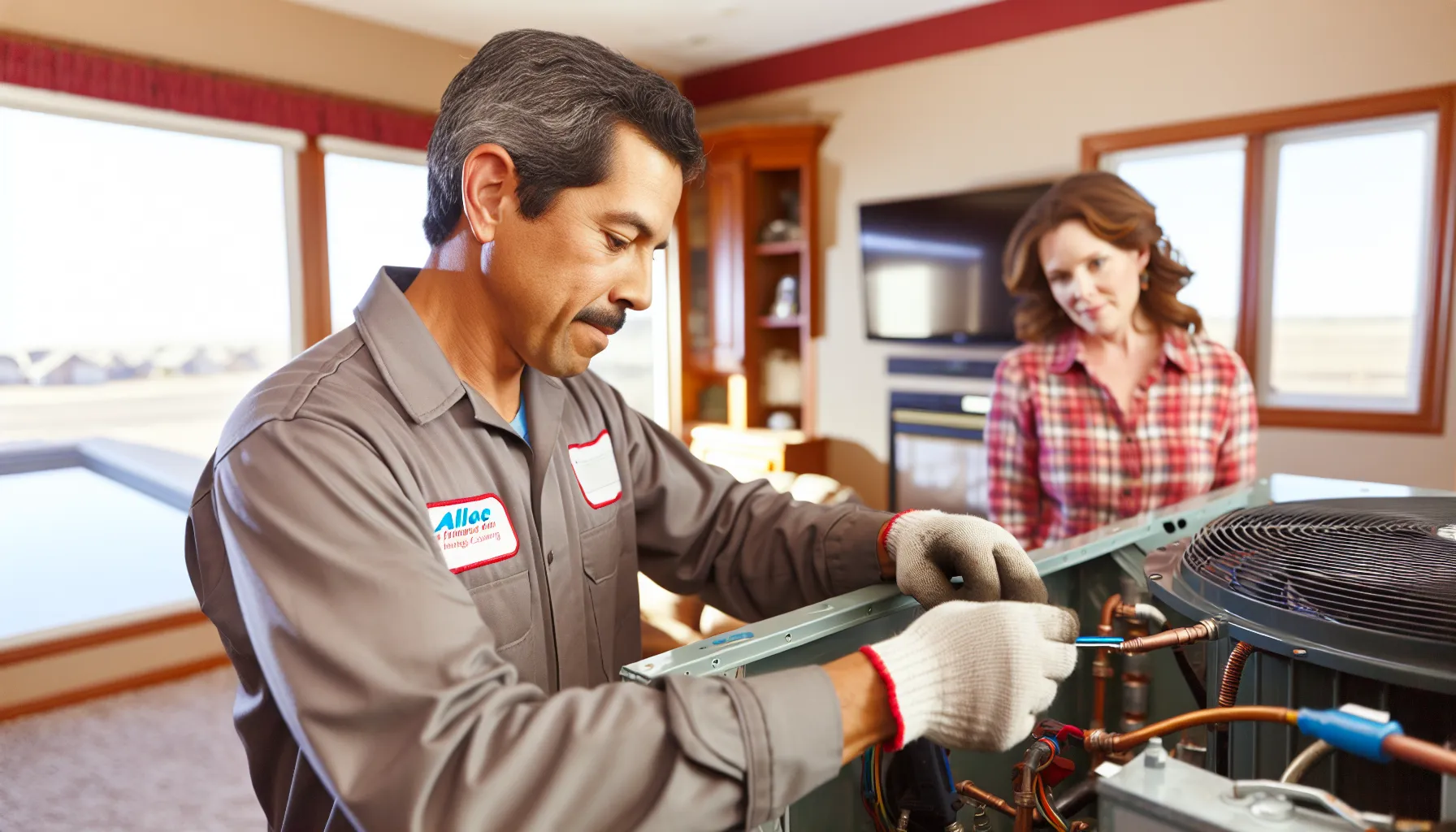
If our technicians spot worn parts, leaks, or safety concerns, we’ll provide clear, upfront recommendations and estimates before starting repairs. We believe in empowering our customers with knowledge so you can make informed decisions about your comfort and investment. From minor thermostat upgrades to major component replacements, Alloy Heating and Cooling has the expertise to keep your system running reliably in Colorado’s challenging climate.
In summary, Colorado’s climate demands a proactive approach to HVAC maintenance. Servicing your system twice a year not only keeps your home or business comfortable but also improves energy efficiency, extends equipment life, and protects indoor air quality. If you’re due for a tune-up or have noticed any warning signs, reach out to Alloy Heating and Cooling. We proudly serve Greenwood Village, Englewood, Highlands Ranch, Denver, Boulder, and all surrounding communities with honest, expert care.
Frequently Asked Questions
How often should you have your HVAC serviced in Colorado?
It’s recommended to service your HVAC system at least twice a year in Colorado—once before the heating season in the fall and once before the cooling season in the spring.
Does Colorado’s climate require more frequent HVAC maintenance?
Yes, Colorado’s extreme temperature swings, dry air, and dust can increase wear and tear, making biannual maintenance especially important.
What happens if I skip regular HVAC servicing?
Skipping regular maintenance can lead to decreased efficiency, higher energy bills, more frequent breakdowns, and a shorter system lifespan.
Are there signs that my HVAC needs servicing sooner?
Yes, signs include unusual noises, uneven heating or cooling, increased energy costs, or reduced airflow. If you notice these, schedule a service right away.
Can I perform any HVAC maintenance tasks myself?
Homeowners can replace air filters, keep outdoor units clear of debris, and check vents, but professional inspections and tune-ups are essential for optimal system health.

Alloy HVAC Team
HVAC experts with years of experience in the industry. We share tips, insights, and the latest trends in heating, ventilation, and air conditioning to help you maintain optimal comfort in your home or business.