How Often Should HVAC Be Serviced in Colorado’s Climate?
How Often Should HVAC Be Serviced in Colorado’s Climate?
If you live or work in Colorado, you already know the weather can change fast. A warm, sunny afternoon can turn into a freezing night, and dry, dusty air can stress your equipment all year long. That is why homeowners, small businesses, and commercial property managers often ask us the same question: how often should HVAC be serviced?
The short answer is twice a year for most systems, with some properties needing a little more attention depending on usage, age, and indoor air quality concerns. At Alloy Heating and Cooling, we recommend a spring AC tune-up and a fall heating inspection to help your system stay efficient, safe, and ready for Colorado’s extremes.
Why regular HVAC maintenance matters in Colorado
How Colorado weather affects HVAC systems
Colorado’s climate puts HVAC equipment through a lot. In summer, dry heat, dust, and wildfire smoke can load up filters and reduce airflow. In winter, sudden cold snaps can make furnaces run longer and harder than they would in milder climates.
We see this often along the Front Range. In places like Littleton, Highlands Ranch, Aurora, and Denver, systems can cycle more often because of large temperature swings between day and night. In commercial spaces, doors opening and closing frequently can also add extra strain on heating and cooling equipment.
Over time, dust, pollen, pet dander, and smoke particles can build up on coils, clog filters, and impact indoor air quality. Without routine maintenance, that wear can lead to higher energy bills, poor comfort, and unexpected breakdowns when you need the system most.
Benefits of routine HVAC servicing
Regular HVAC maintenance helps protect your comfort and your budget. A well-maintained system can:
- Run more efficiently: Clean components and proper adjustments help reduce energy use.
- Break down less often: Technicians can catch small problems before they turn into major repairs.
- Last longer: Routine care reduces unnecessary wear on motors, fans, compressors, and burners.
- Support healthier indoor air: Clean filters and coils help reduce dust and allergens inside your home or building.
How often should HVAC be serviced in Colorado?
General recommendation for most homes and businesses
For most Colorado properties, HVAC should be serviced twice per year. One visit should happen in the spring for cooling equipment, and the other should happen in the fall for heating equipment.
This schedule works well because it prepares your system before peak demand starts. You do not want to discover a weak capacitor or dirty burner on the first hot day of summer or during the first deep freeze of winter.
Spring and fall service schedule
A simple seasonal maintenance plan looks like this:
- Spring: Air conditioner tune-up, cleaning, and performance check
- Fall: Furnace or heating system tune-up, safety inspection, and startup check
For example, a Highlands Ranch homeowner who scheduled both seasonal visits was able to replace a failing ignitor during a fall inspection. That small repair helped prevent an emergency furnace failure during a January cold snap.
When more frequent service may be needed
Some systems benefit from more than twice-yearly service. That may be the case if you have:
- An older HVAC system
- A commercial building with heavy daily use
- Pets, allergies, or indoor air quality concerns
- Frequent dust exposure, smoke, or construction nearby
- Rooms that are hard to heat or cool evenly
- A history of breakdowns or efficiency problems
Small businesses, restaurants, offices, and retail spaces often need more frequent filter changes and inspections because equipment runs longer and experiences more wear.
Signs your HVAC system needs service sooner
Even with regular maintenance, your system may need attention between tune-ups. Call an HVAC professional if you notice:
- Unusual noises like banging, rattling, squealing, or grinding
- Hot or cold spots from room to room
- Weak airflow from vents
- Musty, burning, or metallic odors
- Short cycling, meaning the system turns on and off too often
- A sudden increase in utility bills
- Ice buildup on the outdoor AC unit or refrigerant lines
If you notice any of these problems, do not wait for your next scheduled visit. A quick inspection can often prevent a larger repair later.
What happens during an HVAC service appointment?
What a technician typically checks
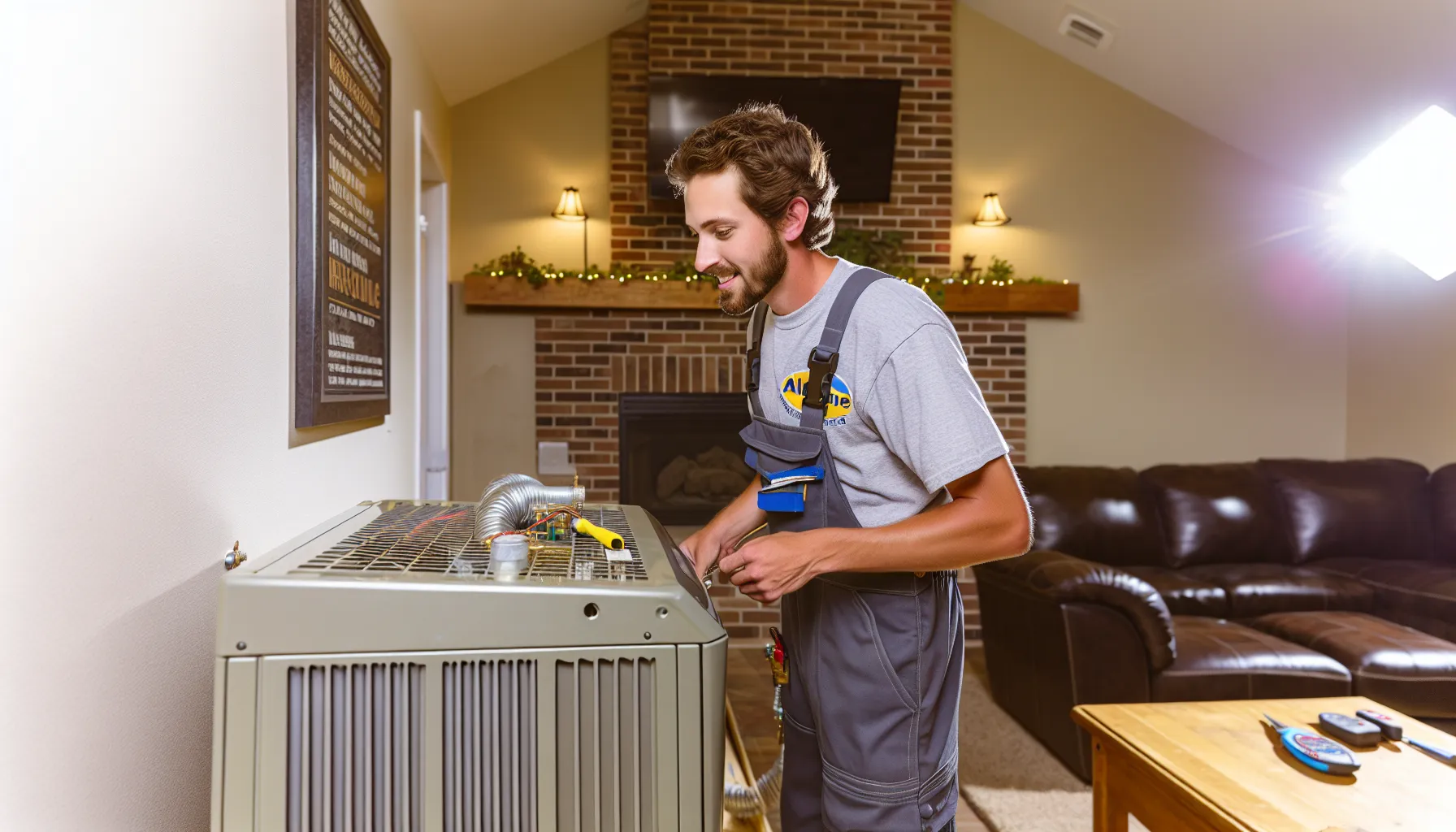
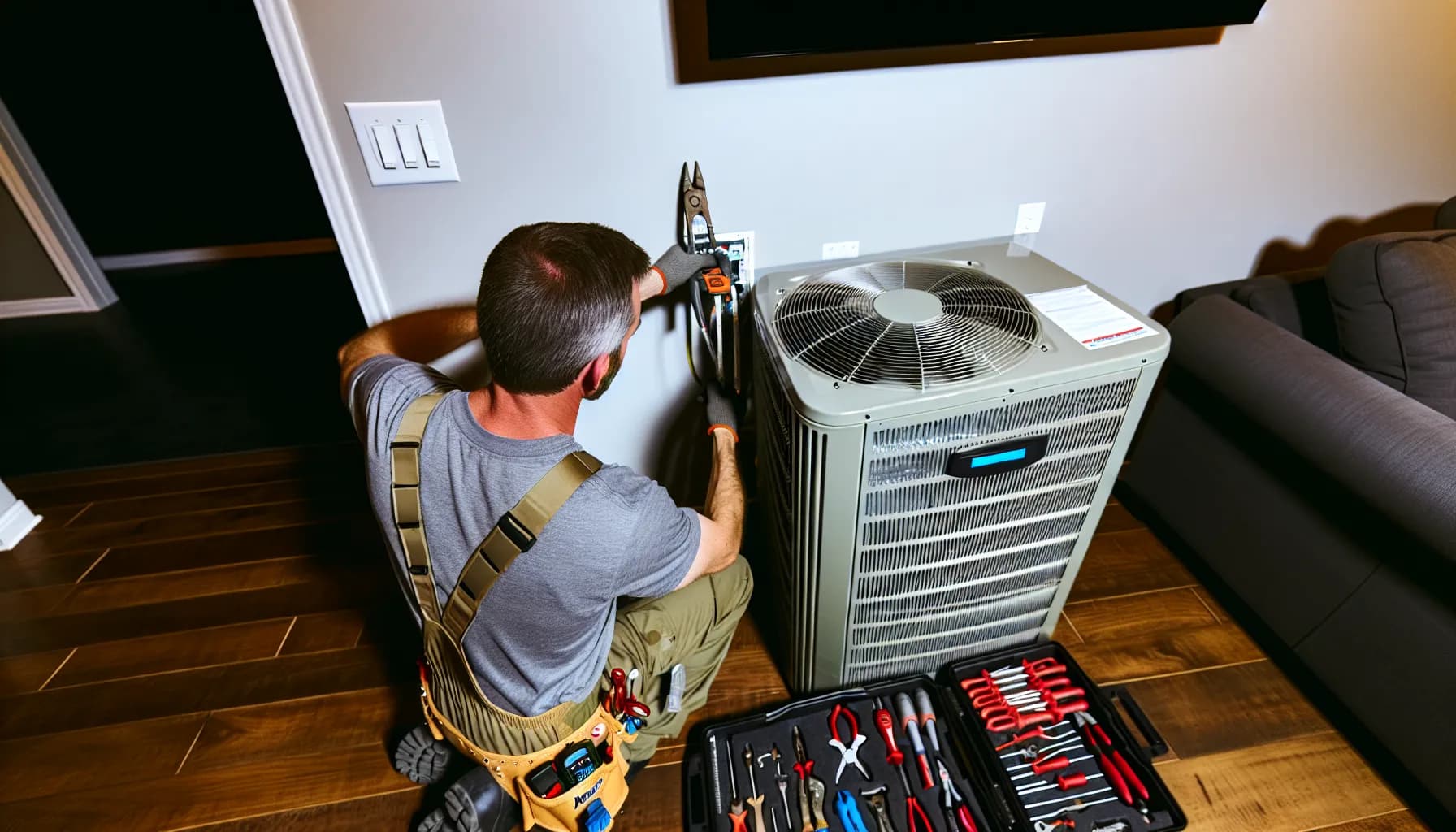
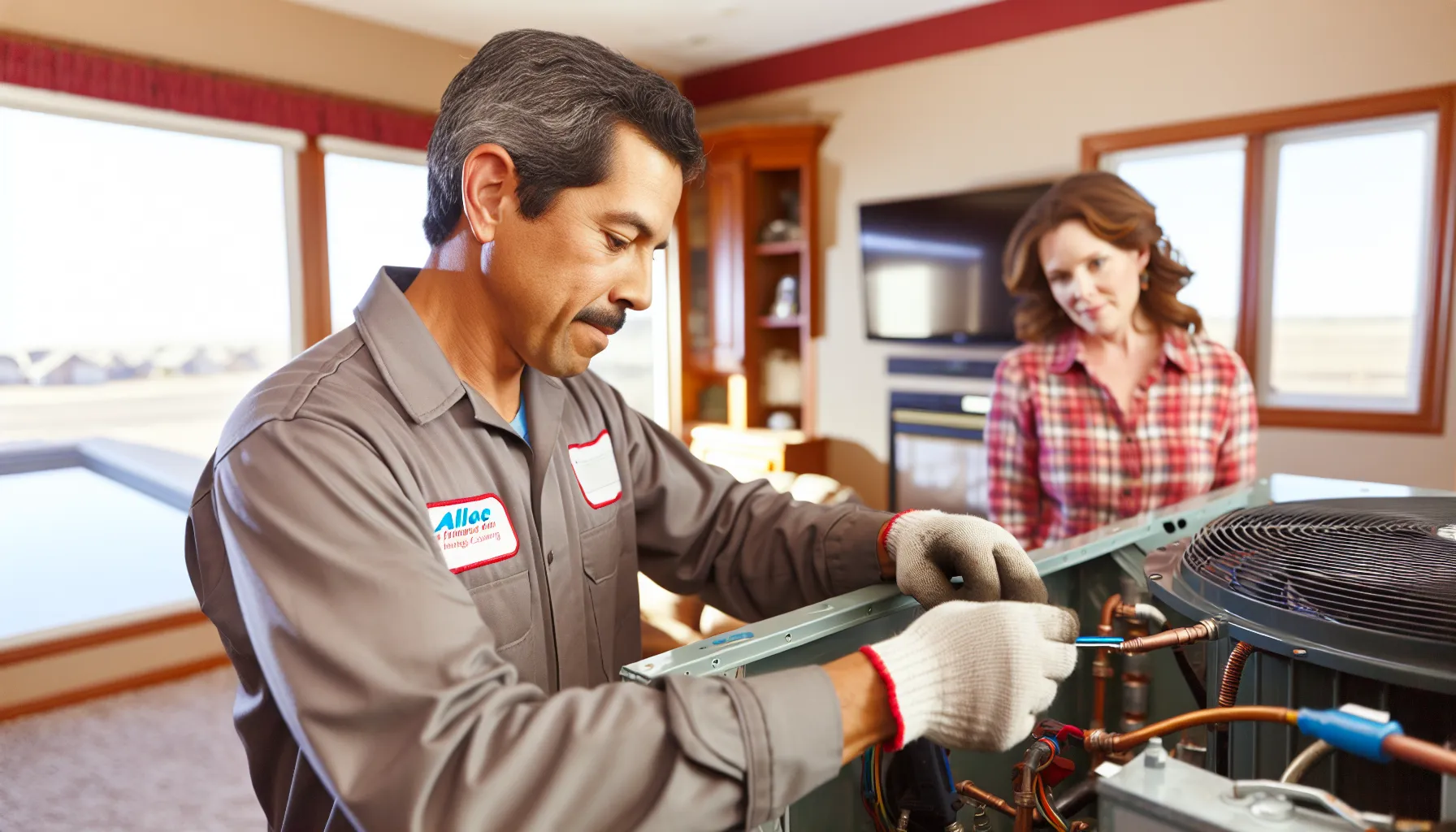
A professional HVAC tune-up should include a thorough inspection and testing of the system. Depending on the season and equipment type, a technician may:
- Inspect and replace air filters if needed
- Check thermostat settings and system controls
- Tighten electrical connections
- Test safety switches and operational components
- Inspect the heat exchanger for damage or corrosion
- Check refrigerant levels and system pressures
- Inspect ducts for leaks, blockages, or disconnected sections
Common maintenance tasks
During a tune-up, your technician may also:
- Clean condenser and evaporator coils
- Lubricate moving parts when applicable
- Clear the condensate drain line
- Test airflow and temperature split
- Verify combustion and safety controls on gas furnaces
- Check system startup and shutdown performance
For example, a Denver small business may not notice a dirty coil right away, but that buildup can make the system work harder all day. After a proper cleaning and airflow check, many property owners see more stable comfort and lower operating costs.
Simple maintenance tips between professional visits
What homeowners and property managers can do
You do not need to be an HVAC technician to help your system run better. Between professional visits, you can:
- Replace air filters every 1 to 3 months, or more often if needed
- Keep the outdoor unit clear of leaves, grass, snow, and debris
- Vacuum supply and return vents regularly
- Make sure furniture or equipment is not blocking airflow
- Check thermostat settings at the start of each season
For commercial properties, it also helps to keep mechanical rooms clear, document filter changes, and stay on a maintenance schedule so small issues do not get overlooked.
Why DIY maintenance is not enough
Basic upkeep is helpful, but it does not replace professional service. Technicians can spot wear on motors, test safety controls, measure refrigerant, inspect combustion components, and identify hidden issues that are not obvious during a visual check.
How to choose the right HVAC service provider in Colorado
When choosing an HVAC company, look for a team that understands Colorado’s climate and the demands it places on heating and cooling systems. You want a provider that offers clear communication, honest recommendations, and service plans tailored to your property.
At Alloy Heating and Cooling, we work with homeowners, small businesses, and commercial clients throughout Colorado. Whether you need seasonal maintenance, urgent repairs, or help planning ahead, a local expert can help you protect your comfort and equipment investment.
When comparing providers, ask about:
- Experience with Colorado homes and commercial properties
- Licensing, training, and certifications
- Emergency repair availability
- Maintenance plan options
- Upfront pricing and service transparency
With the right schedule and the right HVAC partner, your system can handle Colorado’s weather more reliably, use less energy, and deliver better comfort year-round.
Frequently Asked Questions
How often should HVAC be serviced in Colorado?
Most HVAC systems in Colorado should be serviced twice a year, once in the spring for cooling and once in the fall for heating. This helps prepare the system for extreme seasonal demand.
Is annual HVAC service enough?
Annual service may be enough for some systems, but in Colorado, twice-yearly maintenance is usually the better choice because of temperature swings, dry air, and heavy seasonal use.
Do commercial HVAC systems need more frequent maintenance?
Often, yes. Commercial systems usually run longer and serve more people, so they may need more frequent filter changes, inspections, and preventive maintenance than residential systems.
What are the signs my HVAC system needs service now?
Call for service if you hear unusual noises, notice weak airflow, smell burning or musty odors, see uneven temperatures, or get a sudden spike in energy bills.
Can I service my HVAC system myself?
You can change filters, clear debris from the outdoor unit, and keep vents open, but a licensed HVAC technician should perform the full inspection, testing, and cleaning needed to protect the system.
Frequently Asked Questions
How often should HVAC be serviced in Colorado?
Most HVAC systems in Colorado should be serviced twice a year, once in the spring for cooling and once in the fall for heating. This helps prepare the system for extreme seasonal demand.
Is annual HVAC service enough?
Annual service may be enough for some systems, but in Colorado, twice-yearly maintenance is usually the better choice because of temperature swings, dry air, and heavy seasonal use.
Do commercial HVAC systems need more frequent maintenance?
Often, yes. Commercial systems usually run longer and serve more people, so they may need more frequent filter changes, inspections, and preventive maintenance than residential systems.
What are the signs my HVAC system needs service now?
Call for service if you hear unusual noises, notice weak airflow, smell burning or musty odors, see uneven temperatures, or get a sudden spike in energy bills.
Can I service my HVAC system myself?
You can change filters, clear debris from the outdoor unit, and keep vents open, but a licensed HVAC technician should perform the full inspection, testing, and cleaning needed to protect the system.

Alloy HVAC Team
HVAC experts with years of experience in the industry. We share tips, insights, and the latest trends in heating, ventilation, and air conditioning to help you maintain optimal comfort in your home or business.