Best HVAC Systems for Colorado’s Climate: 2024 Buyer’s Guide for Homeowners
Best HVAC Systems for Colorado’s Climate: 2024 Buyer’s Guide for Homeowners
Understanding Colorado’s Unique Climate Needs
Temperature Extremes and Elevation
Colorado homeowners know all too well how quickly temperatures can shift. In places like Denver, Castle Rock, or Boulder, winter lows can dip below zero, while summer highs easily climb into the 90s. Elevation plays a role too; thinner air at higher altitudes can make heating less efficient and cooling more demanding. HVAC systems in Colorado must be able to handle rapid changes in weather and perform reliably at high elevation.
Humidity Levels and Seasonal Changes
Colorado is known for its dry climate, especially in areas like Highlands Ranch and Aurora. Low humidity can lead to dry skin, static electricity, and even cracked woodwork. However, occasional summer storms or winter snow can spike humidity for short periods. The best HVAC systems for Colorado include options for humidification or dehumidification to maintain comfort year-round.
Energy Efficiency Considerations
With energy costs rising and environmental concerns growing, energy efficiency is a top priority. Colorado’s climate demands systems that can quickly respond to changing conditions without wasting energy. High-efficiency systems save money on utility bills and provide comfort in both bitter cold and summer heat.
Types of HVAC Systems Suitable for Colorado
Traditional Furnaces and Central Air Conditioners
Natural gas furnaces paired with central air conditioners remain a popular choice in Colorado, particularly in older homes in Littleton or Golden. Furnaces provide fast, reliable heat, while central AC units handle summer cooling. Modern models can reach over 95% AFUE (Annual Fuel Utilization Efficiency) and SEER (Seasonal Energy Efficiency Ratio) ratings of 16 or higher.
Heat Pumps: Air Source vs. Ground Source
Heat pumps are gaining popularity in Colorado, especially with recent advances in cold-climate technology. Air source heat pumps now work efficiently down to -10°F or colder, making them a practical option for most Front Range communities. Ground source (geothermal) heat pumps offer even greater efficiency by drawing heat from the earth, but require more upfront investment and space for installation.
Ductless Mini-Split Systems
Ductless mini-split systems are ideal for homes without existing ductwork, such as historic properties in Boulder or additions in Centennial. These systems offer flexible zoning, high efficiency, and easy installation. They are perfect for rooms that are difficult to heat or cool with traditional systems.
Hybrid Systems
Hybrid systems combine a heat pump with a gas furnace, automatically switching to the most efficient heat source depending on the temperature. This is a great solution for Colorado’s fluctuating weather, ensuring efficiency and comfort all year long. Homeowners in areas like Parker or Castle Pines often choose this setup for maximum versatility.
Top Features to Look for in the Best HVAC System for Colorado Climate
High Efficiency Ratings (SEER & AFUE)
Look for systems with high SEER ratings (16 or above) for cooling and high AFUE (95% or above) for heating. These ratings indicate better energy efficiency, which translates to lower utility bills and reduced environmental impact.
Cold Climate Performance
Not all heat pumps are created equal. Cold-climate models include advanced compressors and refrigerants, allowing them to provide reliable heat even when temperatures plunge below zero. This is essential for homeowners in Evergreen or Monument where winters can be especially harsh.
Smart Thermostat Compatibility
Smart thermostats provide greater control and energy savings. They learn your schedule and adjust temperatures automatically, which is valuable in Colorado where weather can change quickly. Brands like Nest or Ecobee are compatible with most modern HVAC systems and offer remote management through your smartphone.
Air Quality Enhancements
Because Colorado is dry and often dusty, consider HVAC systems with built-in air purifiers, humidifiers, or advanced filtration. These features help reduce allergens, manage humidity, and keep your indoor air healthy.
Best HVAC Systems for Colorado Homes in 2024
Best Overall: System Recommendations
For most Colorado homes, a cold-climate air source heat pump paired with a high-efficiency gas furnace (hybrid system) provides the best balance of comfort and energy savings. Brands like Carrier Infinity, Lennox Elite, and Trane XV offer models specifically designed for challenging climates and high altitudes.
Best for Energy Savings
Ground source (geothermal) heat pumps deliver the highest efficiency but require a larger upfront investment. Over time, their operational savings make them a top choice for energy-conscious homeowners, especially in new builds or homes with large yards for loop installation.
Best for Older or Historic Homes
Ductless mini-split systems are ideal for older homes in places like Boulder or Golden. They avoid the need for invasive ductwork installation while providing efficient zoned comfort. Real-world example: A homeowner in Denver’s historic district installed a Mitsubishi mini-split to solve uneven heating and cooling in their 1920s bungalow.
Best for New Construction
New builds in Castle Rock or Erie often benefit from high-efficiency central systems with smart zoning, integrated humidification, and advanced filtration. These systems are future-proof and designed to maximize comfort and savings from day one.
Installation and Maintenance Tips for Colorado Homeowners
Choosing a Qualified HVAC Contractor
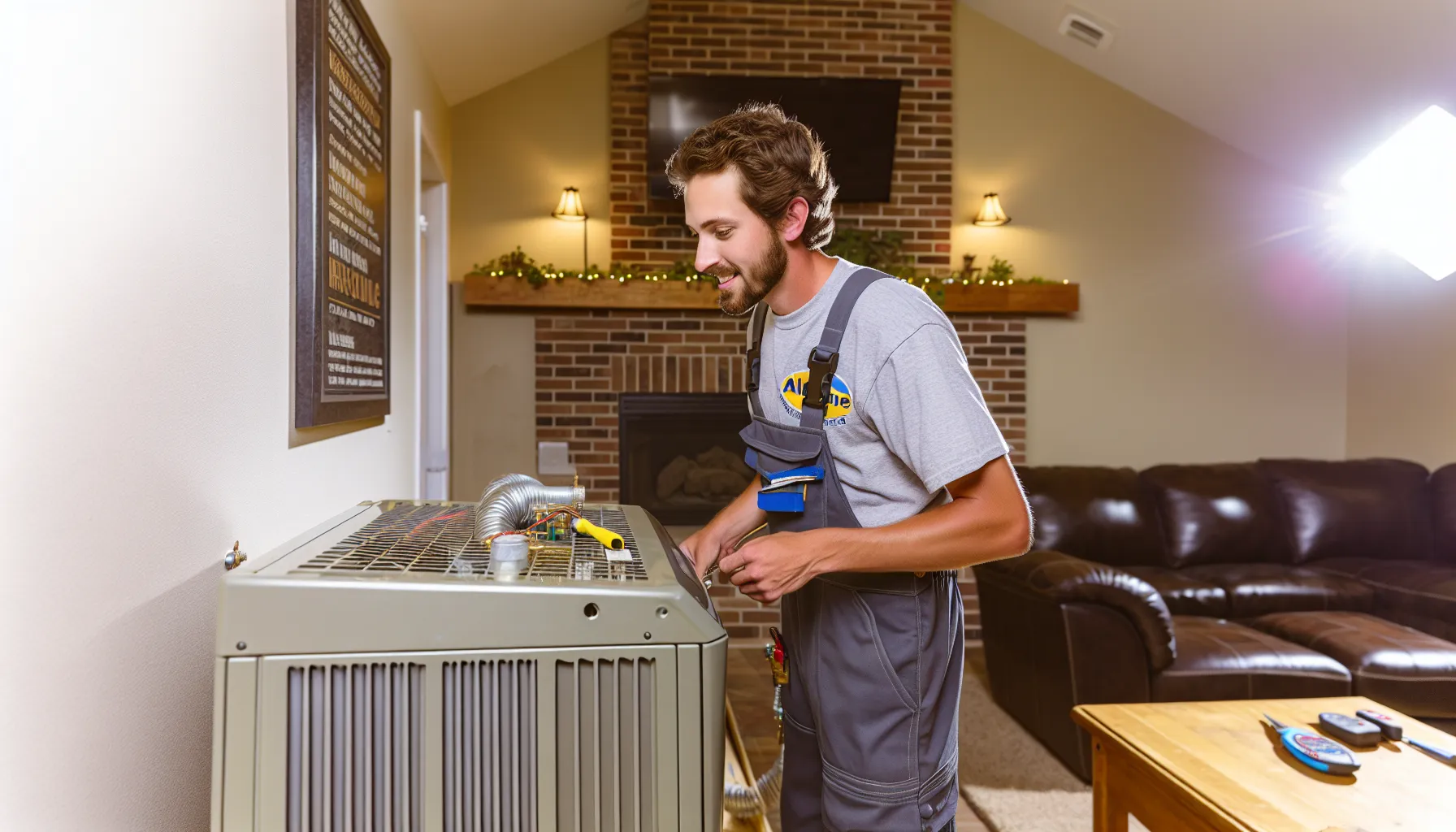
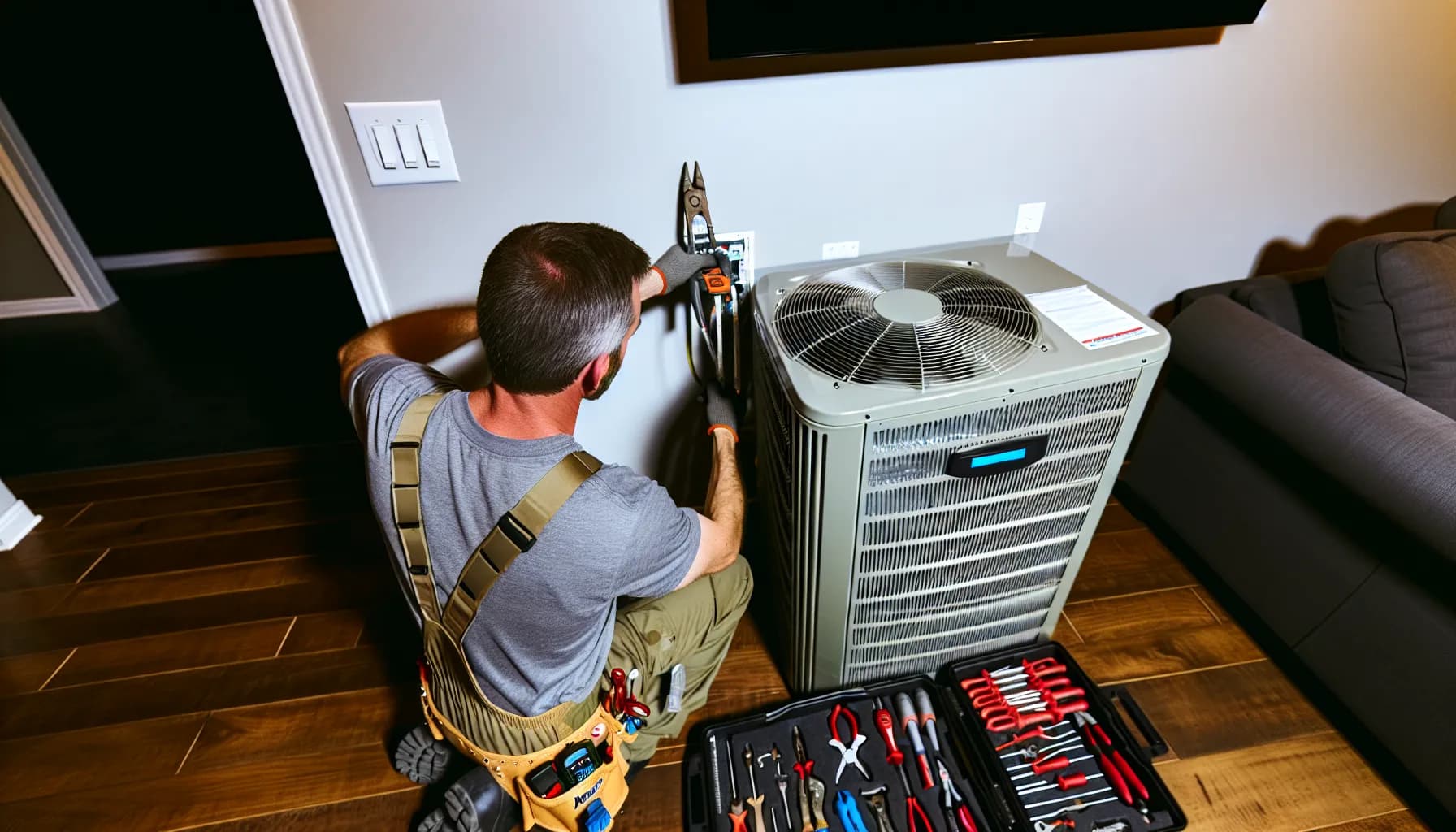
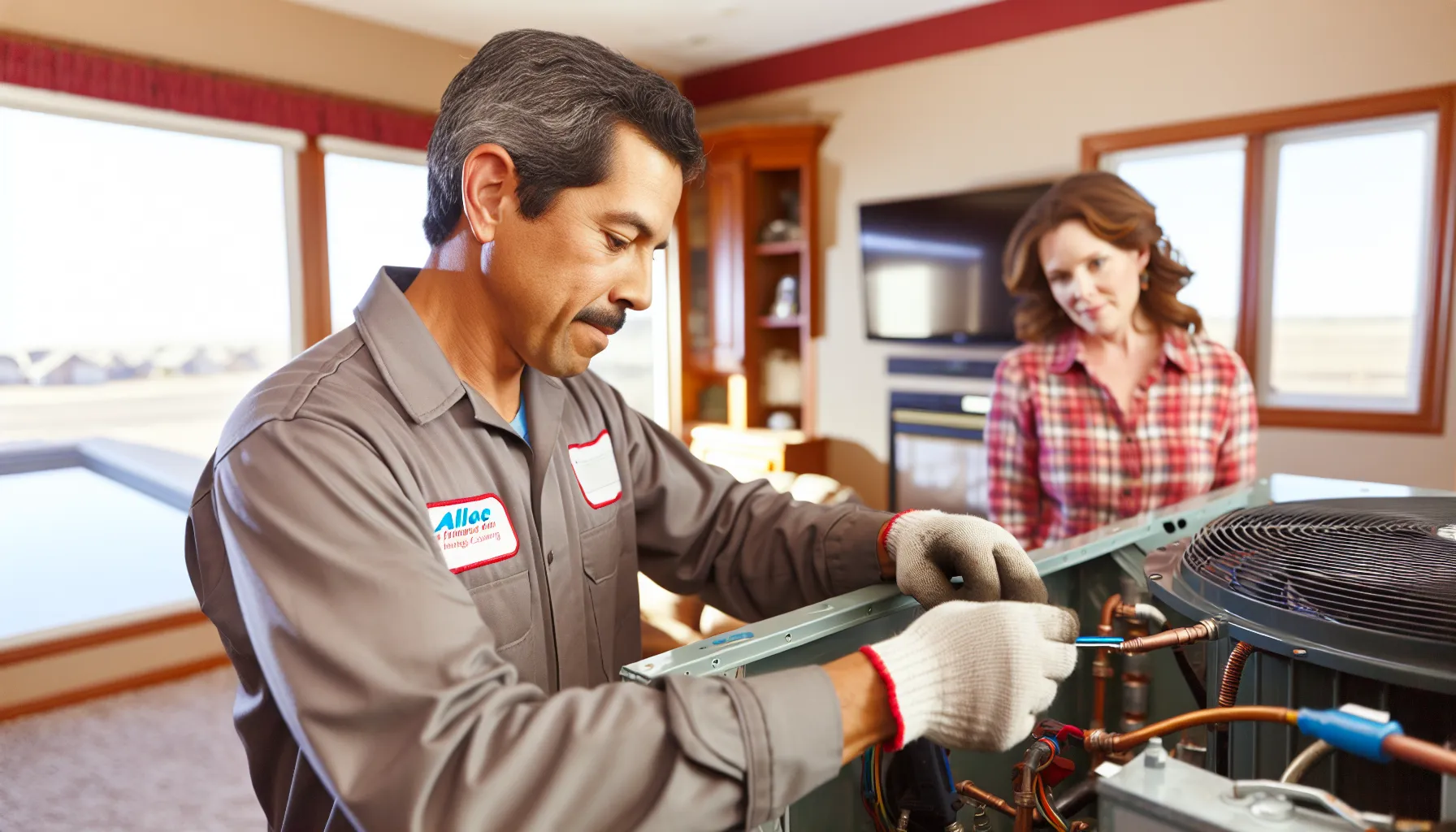
Proper installation is key to HVAC performance. Always work with a licensed, insured contractor like Alloy Heating and Cooling, who understands Colorado’s unique climate needs and local building codes. Ask for references and confirm experience with your chosen system type.
Seasonal Maintenance Checklist
- Change air filters every 1, 3 months
- Schedule professional inspections every fall and spring
- Clean outdoor units and clear debris
- Check thermostat settings and batteries
- Inspect ductwork for leaks or blockages
Maximizing System Longevity
Routine maintenance, timely repairs, and system upgrades (like adding a smart thermostat or UV purifier) can extend the life of your HVAC system. A homeowner in Highlands Ranch increased their furnace efficiency and lifespan by enrolling in a yearly maintenance plan, resulting in fewer breakdowns and lower energy bills.
Cost Considerations and Rebates in Colorado
Average Installation Costs
In Colorado, installing a new HVAC system typically ranges from $6,000 to $15,000, depending on system type, home size, and complexity. Ductless mini-splits start around $4,000 per zone, while geothermal systems can exceed $20,000 but offer the greatest long-term savings.
Available Rebates and Incentives
Many utility companies, including Xcel Energy and Black Hills Energy, offer rebates for high-efficiency installations. State and federal incentives, such as the Inflation Reduction Act, can further offset costs. Always check with your local provider and ask your contractor about current programs before installation.
Long-Term Savings
Energy-efficient HVAC systems not only lower monthly bills but also increase home value. Over a 10-year period, the right system can save Colorado homeowners thousands of dollars, especially when combined with proper insulation and smart controls.
Frequently Asked Questions
What is the best HVAC system for Colorado's cold winters and hot summers?
A high-efficiency heat pump or a hybrid system paired with a high-efficiency furnace typically performs best for Colorado’s temperature swings. These systems provide reliable heating in winter and efficient cooling in summer.
Are heat pumps effective in Colorado's climate?
Yes, modern cold-climate heat pumps are designed to operate efficiently even in subzero temperatures, making them a strong choice for Colorado homeowners.
How can I improve my HVAC system's energy efficiency?
Opt for systems with high SEER and AFUE ratings, use programmable thermostats, and schedule regular maintenance to keep your HVAC system running efficiently.
Are there rebates or tax incentives for installing a new HVAC system in Colorado?
Many utility companies and state programs in Colorado offer rebates and incentives for energy-efficient HVAC upgrades. Check with your local utility provider for current offers.
What maintenance does an HVAC system require in Colorado?
Routine filter changes, annual professional inspections, and seasonal tune-ups are essential to maintain efficiency and extend your HVAC system’s lifespan in Colorado’s varied climate.

Alloy HVAC Team
HVAC experts with years of experience in the industry. We share tips, insights, and the latest trends in heating, ventilation, and air conditioning to help you maintain optimal comfort in your home or business.