Why Is My Central Heating Not Working? Common Causes for Colorado Homes
Why Is My Central Heating Not Working? Common Causes for Colorado Homes
Colorado winters are no joke. Whether you live in Greenwood Village, Boulder, or Castle Rock, a reliable central heating system is essential for comfort and safety. When your furnace or heating system suddenly stops working, it can quickly become a stressful situation. At Alloy Heating and Cooling, we help homeowners and businesses across the Front Range troubleshoot and repair their central heating every winter. Let’s dive into the common causes of central heating failures and how to keep your system running strong in Colorado’s unique climate.
Understanding Central Heating Systems in Colorado
Types of Central Heating Used in Colorado Homes
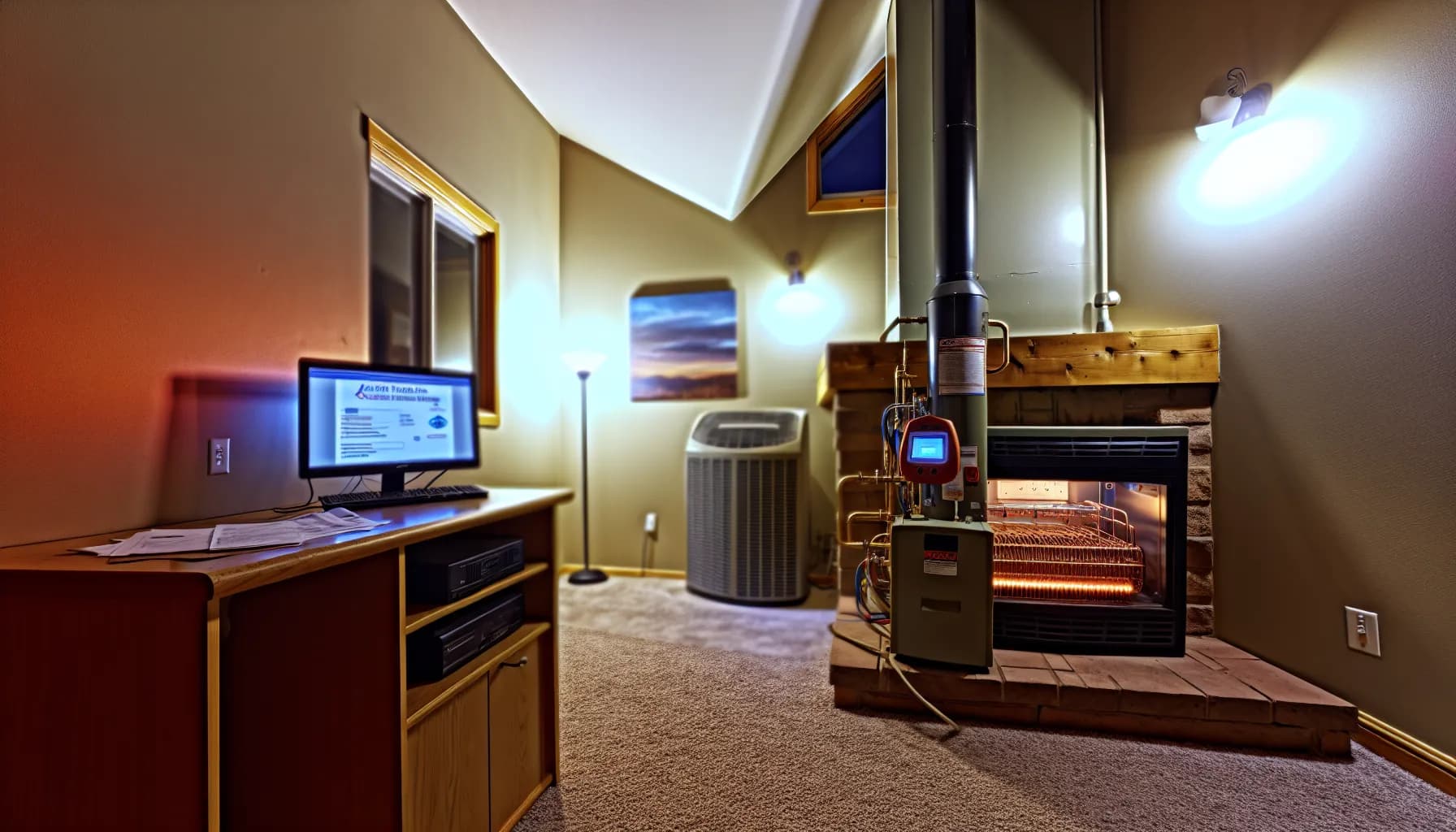
Most Colorado homes rely on forced-air furnaces powered by natural gas or electricity. Some properties, especially in older neighborhoods like Denver or Boulder, may still use boiler systems or radiant heating. Heat pumps are becoming more popular thanks to their efficiency in milder climates, but standard gas furnaces remain the most common choice along the Front Range.
How Central Heating Systems Operate
Central heating works by drawing in cool air, heating it with a furnace or boiler, and distributing it throughout your home via ducts (for forced air) or pipes (for hydronic systems). The thermostat acts as the command center, signaling when to turn the system on or off based on your temperature settings. Regular maintenance is essential to keep all of these components working smoothly, especially in Colorado’s variable weather.
Common Reasons Your Central Heating Is Not Working
Thermostat Issues and Settings
Thermostat problems are one of the most frequent reasons heating systems fail. Dead batteries, incorrect settings, or outdated controls can prevent your furnace from kicking on. For example, a homeowner in Highlands Ranch called us after noticing their house stayed cold despite setting the thermostat higher. The issue was a faulty thermostat that was not communicating with the furnace. Replacing it resolved the problem instantly.
Power Supply or Circuit Breaker Problems
Sometimes the solution is as simple as checking your circuit breaker. Colorado’s winter storms can cause brief power outages or surges that trip the breaker controlling your furnace. Always check your home’s electrical panel if your heating system suddenly shuts down. If the breaker keeps tripping, it could signal a more serious electrical issue that needs professional attention.
Dirty or Clogged Air Filters
A clogged air filter restricts airflow, making your furnace work harder and potentially causing it to overheat and shut down. In Colorado’s dusty, dry climate, filters can become clogged faster than you might expect. We’ve seen cases in Aurora where a neglected filter led to a complete system shutdown. Replacing or cleaning your filter every 1, 3 months is a simple way to prevent unnecessary problems.
Ignition or Pilot Light Failures
If you have an older furnace with a standing pilot light, wind gusts or drafts in Colorado winters can occasionally blow it out. Modern systems use electronic igniters, which can also fail over time. Without a working ignition, your furnace cannot produce heat. If you notice your furnace clicking repeatedly or failing to start, the ignition system may need service or replacement.
Blower Motor or Fan Malfunctions
The blower motor circulates warm air throughout your home. If you hear unusual noises, such as grinding or squealing, or if no air is coming from your vents, the blower motor or fan may be the culprit. In one Littleton home, a failing blower motor meant the furnace fired up but could not push heat into the living spaces. Timely repairs got the system back on track before a cold snap hit.
Issues with Gas Supply or Oil Delivery
Gas furnaces depend on a steady supply of natural gas. Blocked supply lines, shutoff valves, or issues with your utility provider can all interrupt service. For oil furnaces, running out of fuel during a cold spell is a common cause of heating failure. Always check your fuel levels and supply valves if your system suddenly stops producing heat.
Frozen Pipes or Radiators in Cold Weather
In extremely cold Colorado nights, water pipes in boiler or radiant heating systems can freeze, blocking the flow of hot water and leaving parts of your home chilly. Insulating pipes in unheated spaces, such as crawl spaces or garages, helps prevent this issue. If you suspect frozen pipes, turn off your heating system and call a professional to avoid damage.
Specific Considerations for Colorado’s Climate
Altitude Effects on Central Heating Performance
Colorado’s high altitude affects how furnaces burn gas and how efficiently they operate. Manufacturers often adjust gas burners or recommend specific models for elevations above 5,000 feet. If you have recently moved from out of state or replaced your furnace, make sure your system is calibrated for Colorado’s altitude.
Winterization and Insulation Challenges
Older homes in Denver, Golden, or Morrison may lack adequate insulation, causing heat loss and making your furnace work overtime. Weatherstripping doors and windows, sealing ducts, and upgrading attic insulation can significantly improve comfort and reduce strain on your heating system during cold spells.
Troubleshooting Tips Before Calling a Professional
DIY Checks and Quick Fixes
- Check that your thermostat is set to “heat” and has fresh batteries.
- Inspect your circuit breaker and reset if necessary.
- Replace or clean air filters.
- Confirm that the furnace’s power switch is on.
- Look for error codes on digital thermostats or furnace panels.
- Ensure all gas or fuel valves are open.
When to Call a Licensed HVAC Technician
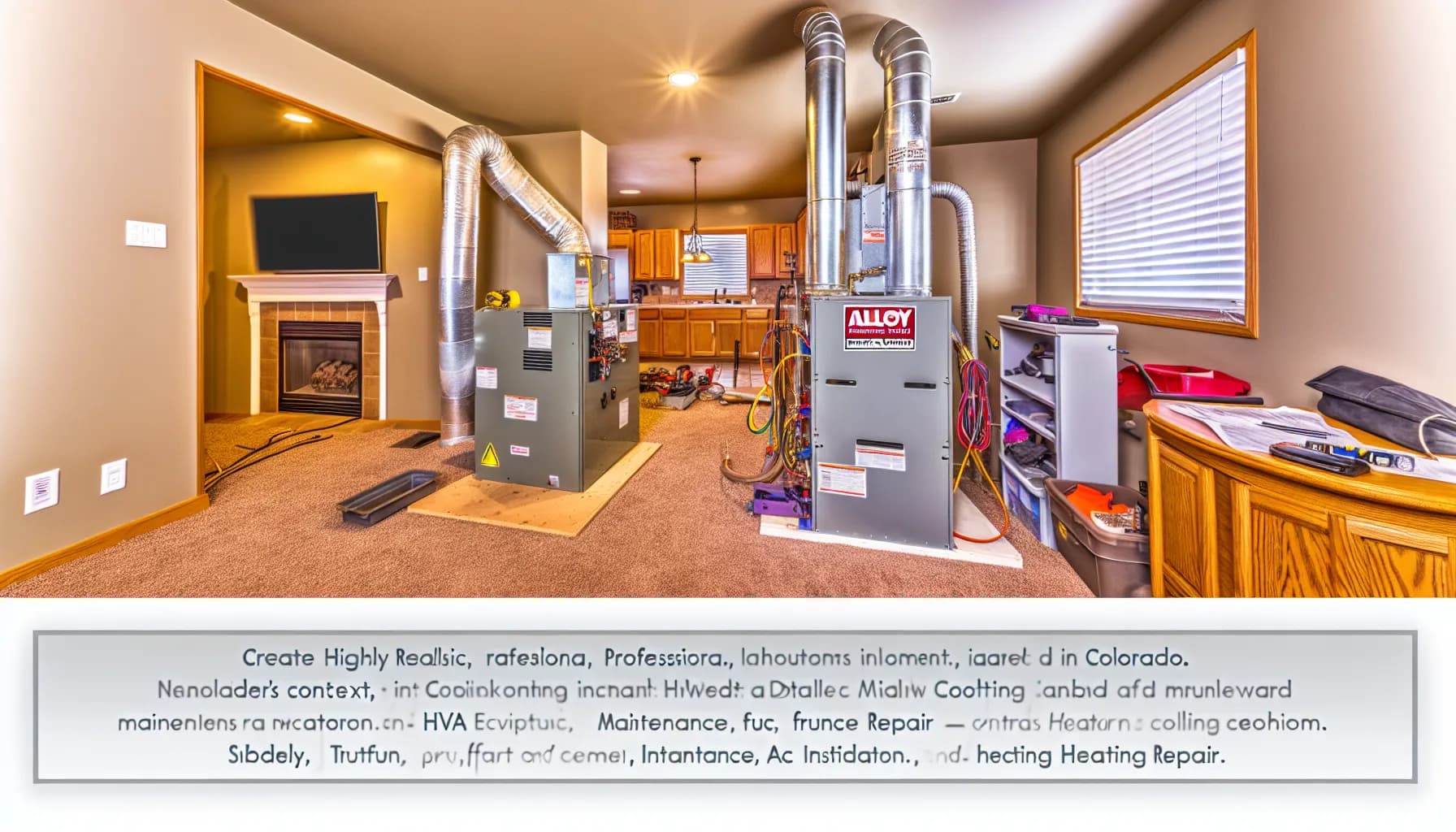
If you’ve tried these steps and your system still isn’t working, or you notice persistent error codes, strange smells (especially gas), or loud noises, it is time to call the experts. Alloy Heating and Cooling serves homes and businesses across the metro Denver area and beyond, providing prompt, reliable central heating repairs and maintenance.
Preventative Maintenance for Reliable Central Heating
Regular Inspections and Servicing
Annual inspections catch small issues before they become big headaches. Our technicians check burners, heat exchangers, safety controls, and overall system performance to ensure trouble-free operation all winter long.
Seasonal Maintenance Checklist for Colorado Homes
- Replace air filters regularly
- Schedule annual professional tune-ups
- Clean vents and registers
- Test your thermostat before the first cold snap
- Check insulation and seal any drafts
- Inspect fuel supply and connections
By investing in regular care and addressing small issues quickly, you can keep your home comfortable and energy efficient, no matter how cold it gets outside.
Frequently Asked Questions
Why does my central heating stop working when it gets really cold in Colorado?
Extreme cold can cause issues like frozen pipes, overworked heating systems, or problems with fuel supply. Proper insulation and seasonal maintenance help prevent these problems.
How can I tell if my thermostat is causing my central heating not to work?
If your heating does not turn on or respond to temperature changes, check if the thermostat has working batteries, is set to ‘heat’ mode, and programmed correctly. If problems persist, it may need repair or replacement.
Can dirty air filters cause my central heating to stop working?
Yes, clogged air filters restrict airflow, making your system less efficient or causing it to shut down. Replacing filters every 1-3 months helps maintain proper heating.
Are there Colorado-specific issues that affect central heating?
High altitude can affect heating efficiency, and extreme temperature swings put additional strain on systems. Regular maintenance tailored to Colorado’s climate is essential.
When should I call a professional for central heating repair?
If basic troubleshooting doesn’t restore heat or you notice strange noises, persistent error codes, or gas smells, contact a licensed HVAC technician for safe repairs.

Alloy HVAC Team
HVAC experts with years of experience in the industry. We share tips, insights, and the latest trends in heating, ventilation, and air conditioning to help you maintain optimal comfort in your home or business.