AC Blowing Warm Air? Top Troubleshooting Steps for Colorado Homeowners
AC Blowing Warm Air? Top Troubleshooting Steps for Colorado Homeowners
There’s nothing more frustrating than turning on your air conditioner during a Colorado summer heatwave and feeling warm air coming from the vents instead of a refreshing chill. If you’re experiencing this problem in Greenwood Village, Englewood, Littleton, or anywhere else along the Front Range, you’re not alone. Many homeowners and business owners face this challenge each year. Fortunately, there are practical steps you can take before calling in the professionals. Let’s break down the causes and solutions.
Understanding Why Your Aircon Blows Warm Air
Common Reasons for Warm Air from Air Conditioner
Before diving in, it helps to know what might be happening inside your AC system. Here are the most frequent issues:
- Incorrect Thermostat Settings: Sometimes the thermostat is accidentally set to “heat” or the temperature is set too high for cooling.
- Dirty or Clogged Air Filters: A blocked filter restricts airflow, causing the system to overheat or freeze up, resulting in warm air.
- Tripped Circuit Breakers or Power Issues: Loss of power to part of the system can keep the outdoor condenser from running, so only the indoor fan blows air.
- Low Refrigerant Levels: Leaks or insufficient refrigerant prevent proper cooling.
- Blocked or Dirty Outdoor Unit: Debris, grass, or dirt around the condenser can limit heat exchange.
Climate Factors Impacting AC Performance in Colorado
Colorado’s unique climate brings specific challenges. High altitude means thinner air, which can make AC systems work harder. Dust from summer storms, pollen, and wildfires can clog filters quickly. Rapid temperature swings between day and night also strain HVAC systems. For example, a homeowner in Highlands Ranch noticed their AC worked fine in the evening but blew warm air in the afternoon. Upon inspection, the filter was clogged with dust from a recent windstorm. After replacing it, the system returned to normal.
Step-by-Step Troubleshooting Guide
Try these steps before calling for help. Many issues are easy to resolve with a quick inspection.
Check Thermostat Settings and Battery
- Make sure the thermostat is set to “cool” and the desired temperature is lower than the room’s current temperature.
- If the display is blank or flickering, replace the batteries or check for loose wiring.
- In commercial settings, ensure programmable thermostats haven’t been accidentally reprogrammed for energy-saving mode during work hours.
Inspect Air Filter and Replace if Needed
- Locate your AC’s air filter, usually in the return air duct or blower compartment.
- Remove and check for dust, dirt, or debris. If it’s clogged, replace it with a new filter rated for your system.
- In homes with pets or near construction, filters may need more frequent changes.
Examine Circuit Breakers and Power Supply
- Find your home’s electrical panel and check if the breaker for the AC or HVAC system has tripped.
- Reset it if necessary, but if it trips repeatedly, call a professional to avoid electrical hazards.
- Some systems also have a separate on/off switch near the indoor or outdoor unit, ensure these are set to “on.”
Assess Outdoor Unit for Obstructions
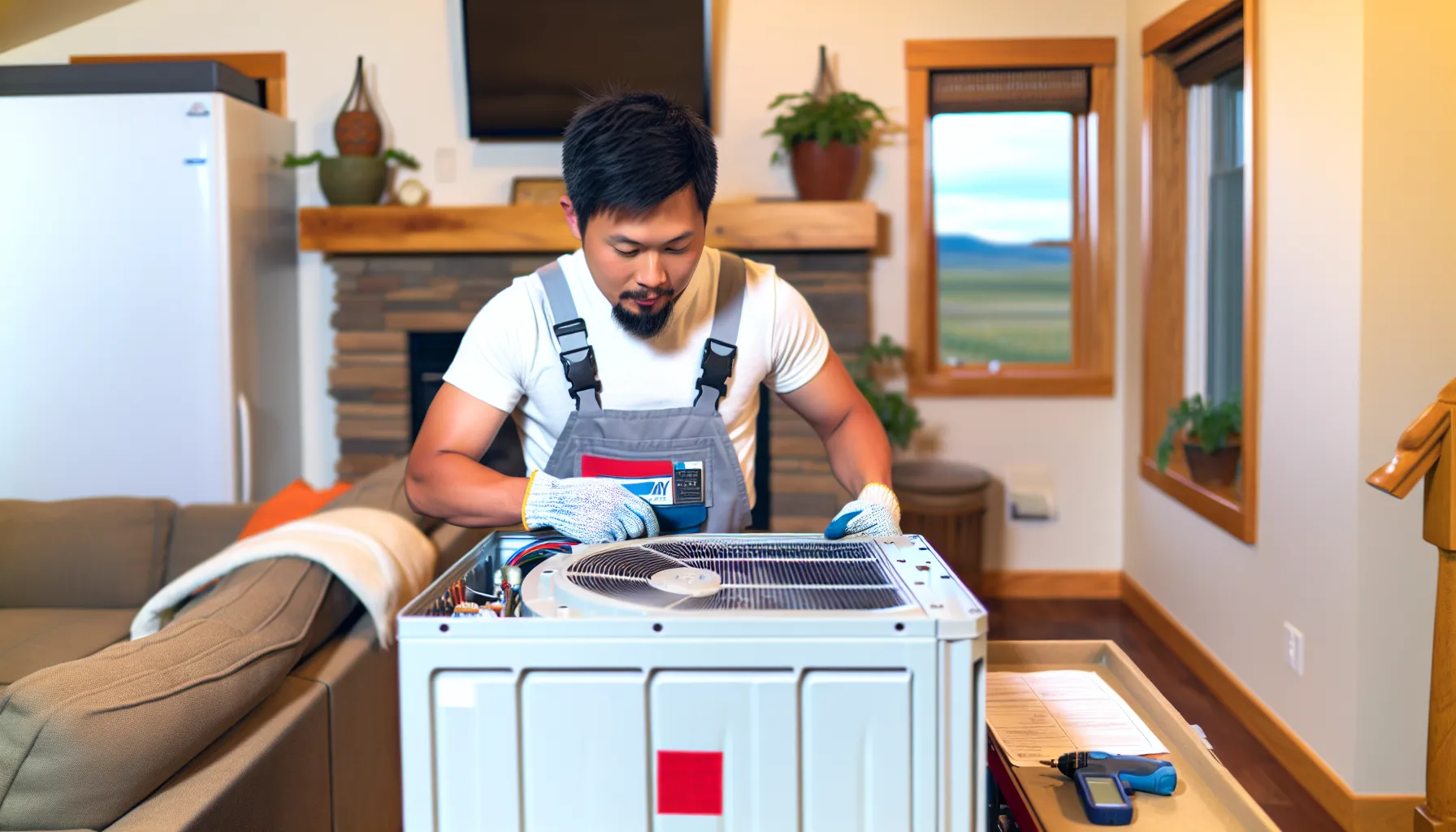
- Inspect the condenser outside. Clear away leaves, grass, or debris at least two feet around the unit.
- Check for bent or damaged fins, which can restrict airflow. Use a fin comb or call a pro if damage is severe.
- Homeowners in Parker and Aurora often find cottonwood seeds clogging their outdoor units during spring, regular yard maintenance helps prevent this.
Evaluate Refrigerant Levels and Leaks
- If your AC is low on refrigerant, it cannot cool the air effectively.
- Look for obvious signs of a leak: a hissing noise, ice on the coils, or pooling liquid under the unit.
- Refrigerant issues require a certified HVAC technician to diagnose and repair.
When to Call a Colorado HVAC Professional
Signs You Need Expert AC Repair
- Warm air persists after following the troubleshooting steps.
- You hear grinding, squealing, or banging noises from the system.
- Water or refrigerant leaks are visible.
- The AC short cycles (turns on and off rapidly) or won’t turn on at all.
- Strange smells, especially burning or musty odors, are present.
For example, a Centennial homeowner tried the above steps but still felt warm air from their vents. Our technician discovered a refrigerant leak in the evaporator coil, a problem that required specialized tools and EPA-certified repair.
What to Expect from a Professional Diagnosis
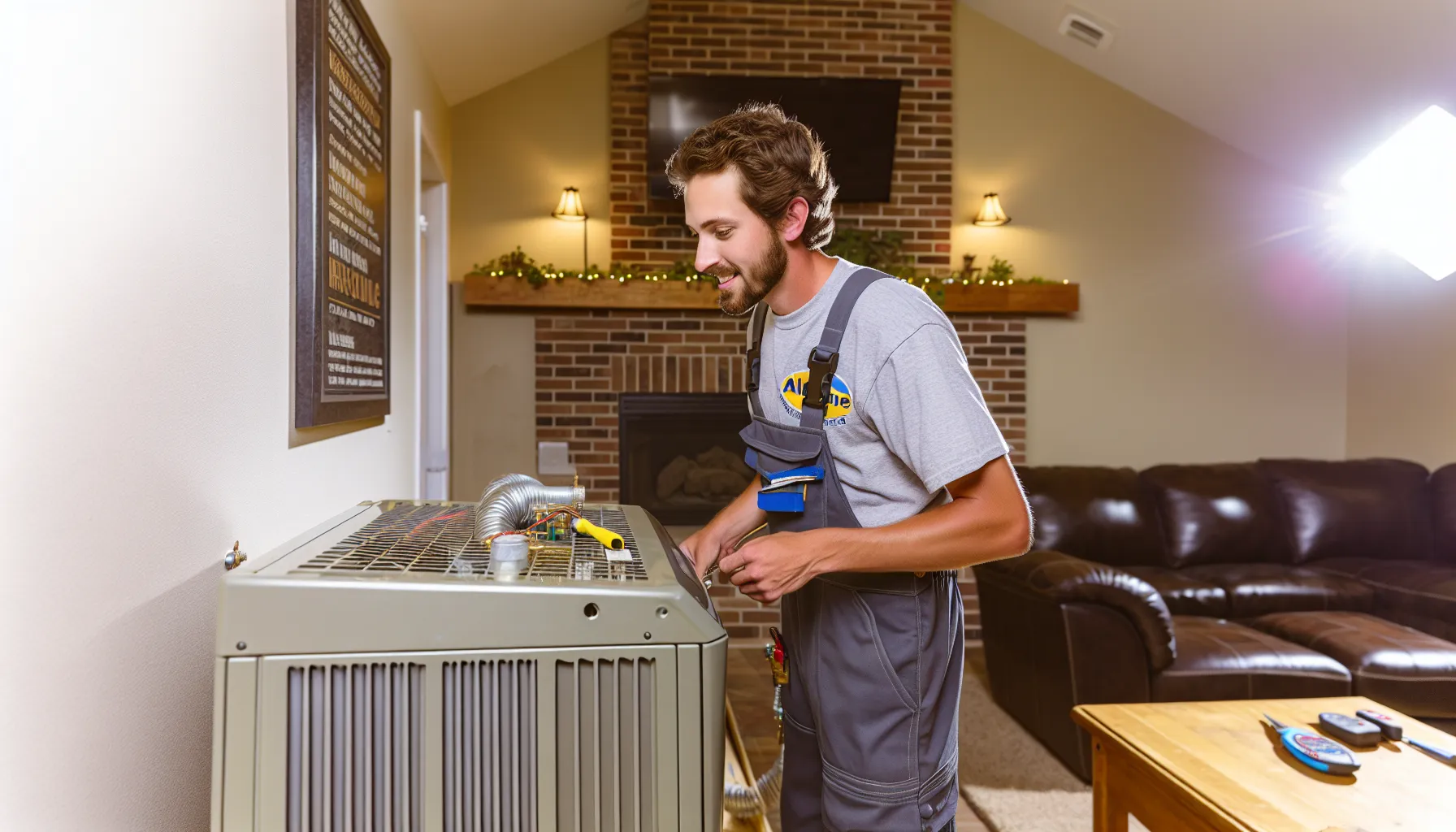
- The technician will check all system components: thermostat, filter, electrical connections, refrigerant, coils, and blower motor.
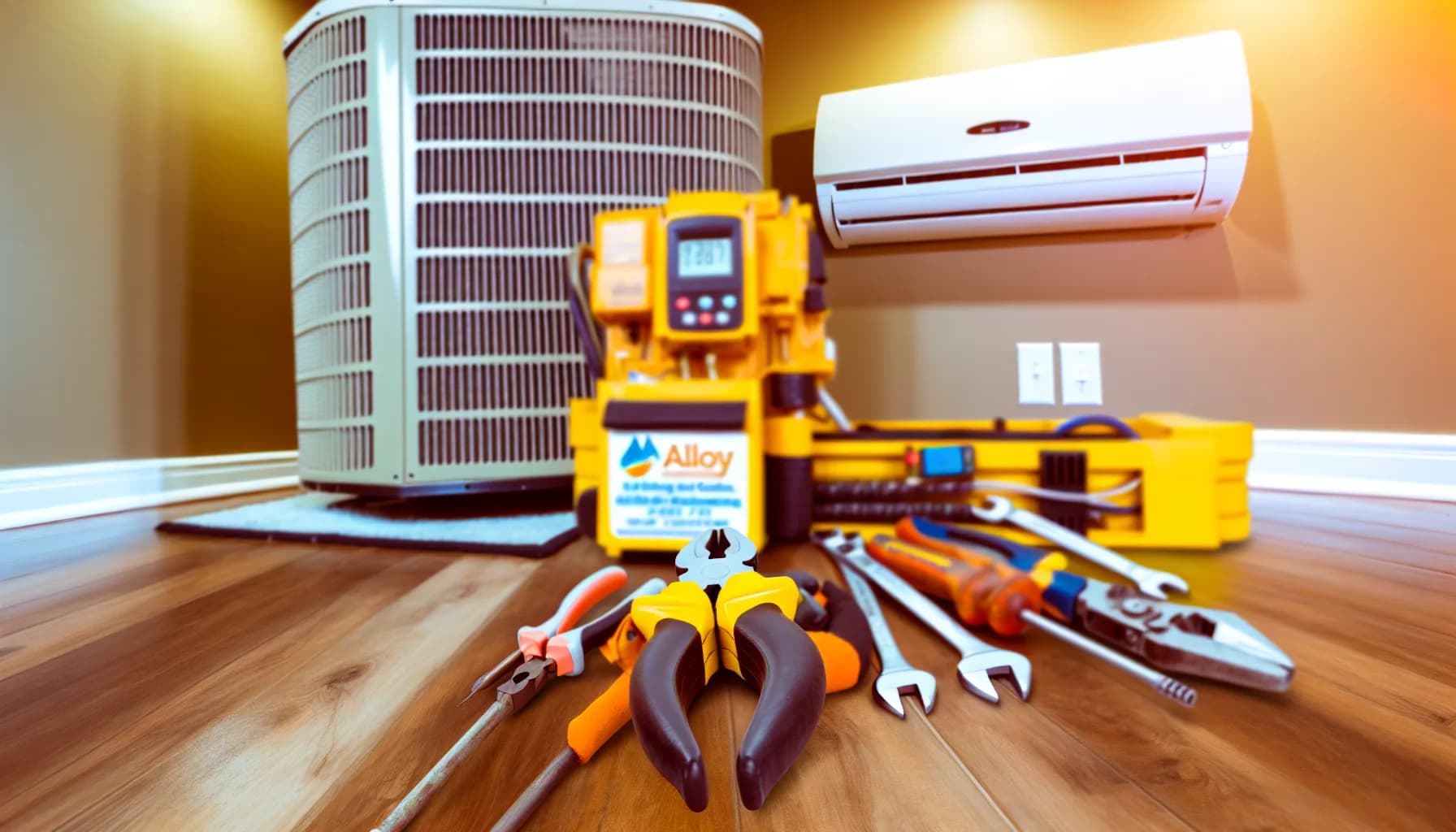
- They may use gauges to measure refrigerant pressure and electronic detectors for leaks.
- After the inspection, you’ll receive a detailed explanation and options for repair or replacement if needed.
With Alloy Heating and Cooling, you can expect prompt, transparent service and recommendations tailored to Colorado’s climate.
Preventing Your AC from Blowing Warm Air
Seasonal Maintenance Tips for Colorado Homeowners
- Change your air filter every 1-3 months, especially during heavy pollen or wildfire seasons.
- Schedule a professional AC tune-up each spring. This includes cleaning coils, checking refrigerant, tightening electrical connections, and testing system performance.
- Keep the area around your outdoor unit clear of debris, plants, and snowdrifts.
- Install a programmable thermostat and learn how to use it effectively.
How to Extend the Life of Your Air Conditioner
- Address minor issues promptly to prevent costly breakdowns.
- Don’t ignore odd noises or changes in cooling performance.
- During heatwaves, close blinds and curtains to reduce indoor heat gain.
- Have your ductwork inspected every few years for leaks or buildup.
Real-world example: A small business in Arvada scheduled annual maintenance and avoided a major summer breakdown, saving money and keeping employees comfortable during the hottest days.
If your AC is blowing warm air despite your best efforts, Alloy Heating and Cooling is here to help. Our expert technicians serve the entire Denver metro and Front Range communities, ensuring your comfort all summer long.
Frequently Asked Questions
Why is my aircon blowing warm air instead of cold?
Common causes include incorrect thermostat settings, dirty air filters, tripped circuit breakers, low refrigerant, or issues with the outdoor unit. Each of these can disrupt the cooling process.
Can Colorado's weather affect my AC’s cooling performance?
Yes, extreme temperatures, altitude, and dust can impact your AC’s efficiency and cause it to blow warm air if not properly maintained.
How often should I replace my air conditioner’s filter?
It’s best to check your AC filter every 1-3 months, especially during high-use seasons, to prevent airflow issues that cause warm air.
When should I call a professional for AC repairs?
If basic troubleshooting doesn’t fix the problem or if you notice leaks, strange noises, or persistent warm air, it’s time to contact a licensed HVAC technician.
What maintenance can I do to prevent my aircon from blowing warm air?
Regularly change filters, schedule seasonal tune-ups, keep the outdoor unit clear of debris, and monitor your thermostat and refrigerant levels.

Alloy HVAC Team
HVAC experts with years of experience in the industry. We share tips, insights, and the latest trends in heating, ventilation, and air conditioning to help you maintain optimal comfort in your home or business.