Should You Leave Your Air Conditioner On All Day? Energy Costs and Tips for Colorado Residents
Should You Leave Your Air Conditioner On All Day? Energy Costs and Tips for Colorado Residents
When Colorado’s summer heat sets in, many homeowners and business owners wonder if it’s better to leave the air conditioner running all day or to only turn it on when needed. This is a common question for residents in Greenwood Village, Highlands Ranch, Aurora, Denver, and surrounding communities. The answer depends on your comfort preferences, energy costs, and the unique climate conditions across Colorado’s Front Range. At Alloy Heating and Cooling, we’ve helped countless customers balance comfort and efficiency. Let’s take a closer look at the pros and cons, energy costs, and smart strategies for keeping cool without breaking the bank.
Is It OK to Leave Your AC On All Day?
Pros and Cons of Running Your AC Continuously
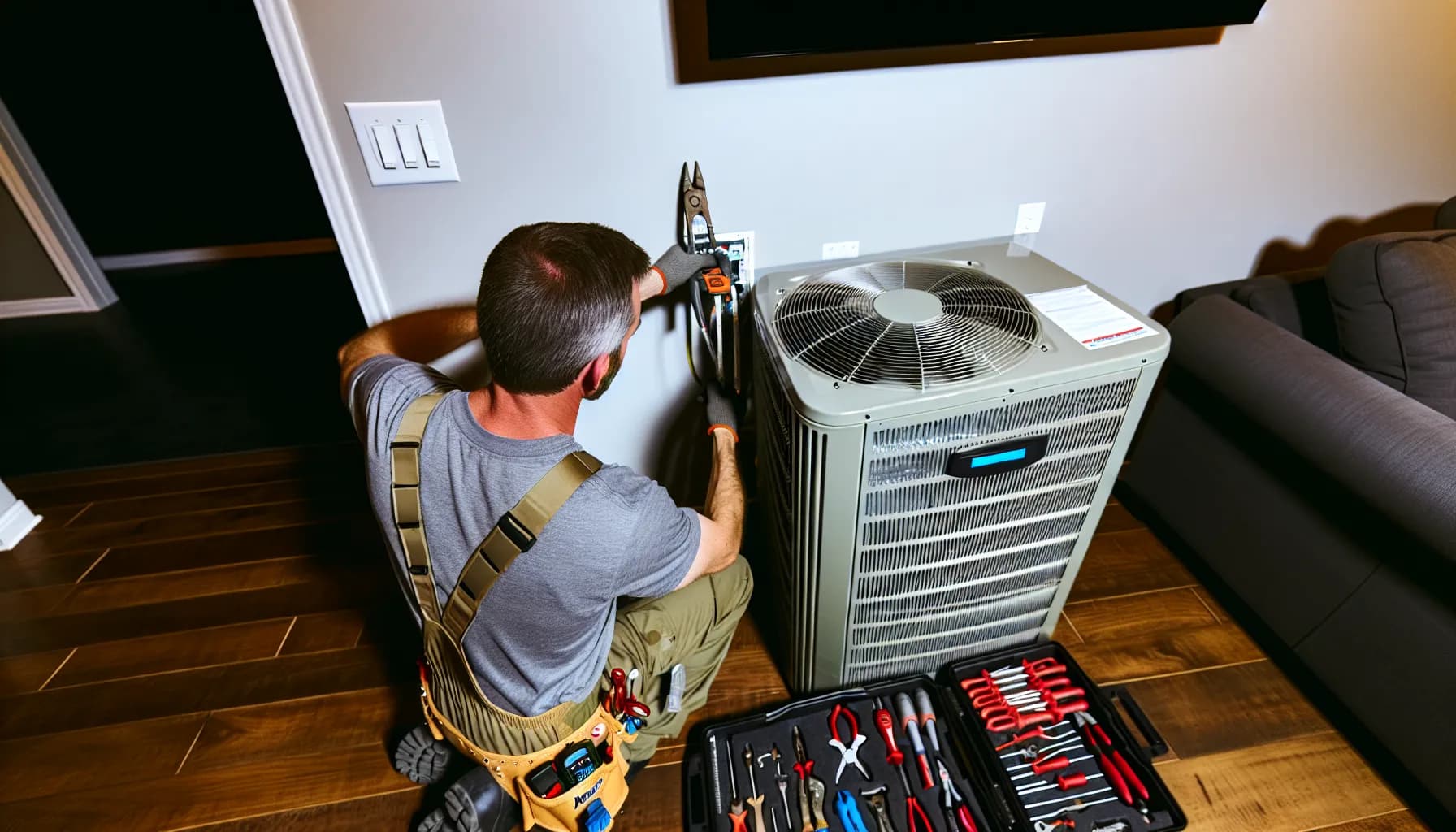
Leaving your air conditioner on all day can provide consistent indoor temperatures and relief from the summer heat. For families with young children, elderly residents, or home offices, this constant comfort may seem appealing. However, running your AC nonstop can lead to higher electricity bills and increased wear on your HVAC system. In the long run, it may also shorten the lifespan of your equipment if not paired with regular maintenance.
Impact on Indoor Comfort and Air Quality
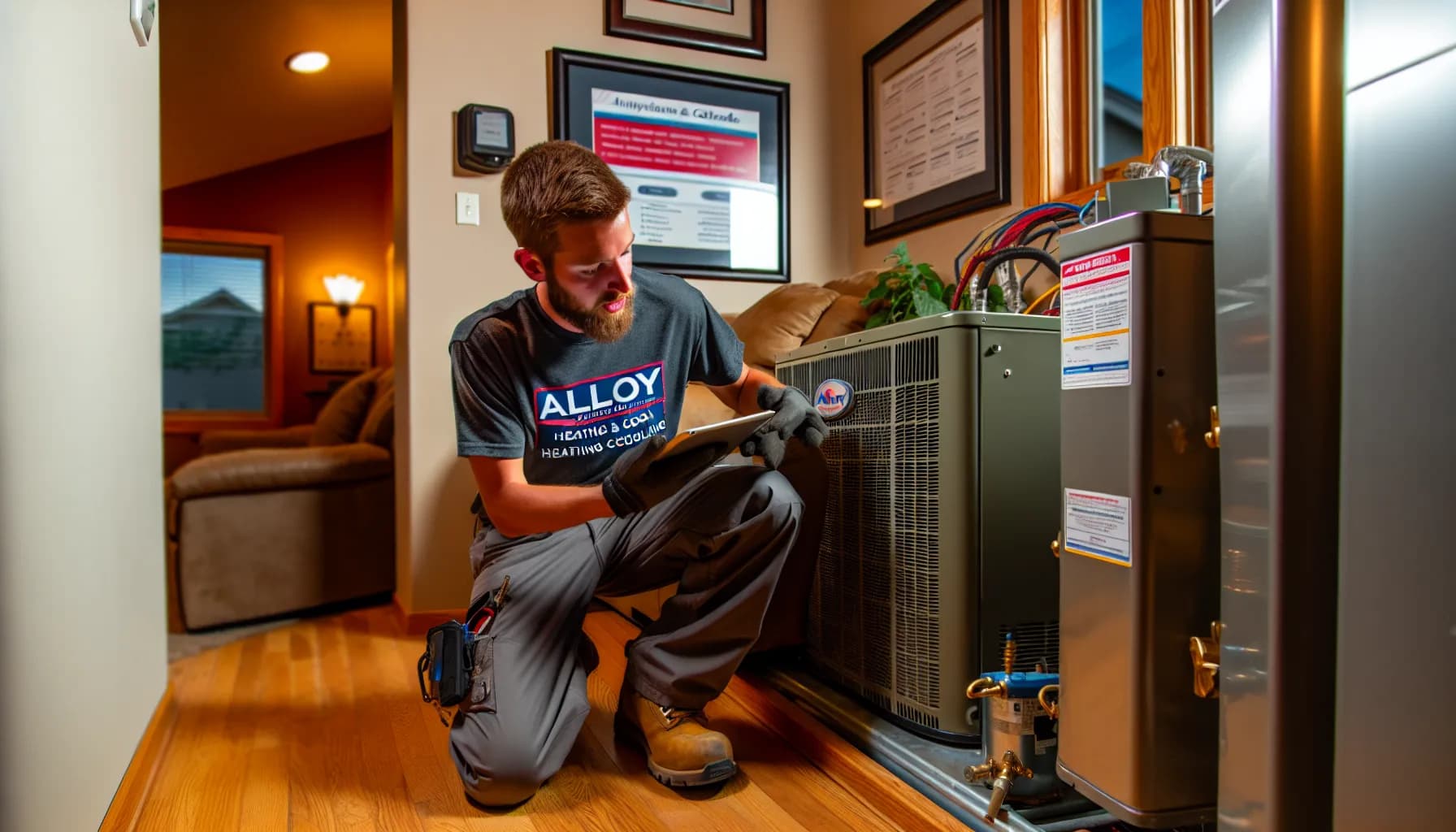
Continuous AC operation helps keep humidity levels in check and can filter out dust, pollen, and other allergens. This is especially important in Colorado, where pollen and wildfire smoke can impact air quality. However, if your system is oversized or the air filter is dirty, running it all day may not improve air quality as much as you’d hope, and could actually circulate contaminants. Make sure to replace filters regularly and schedule professional tune-ups to maximize benefits.
Potential Risks to Your AC Unit
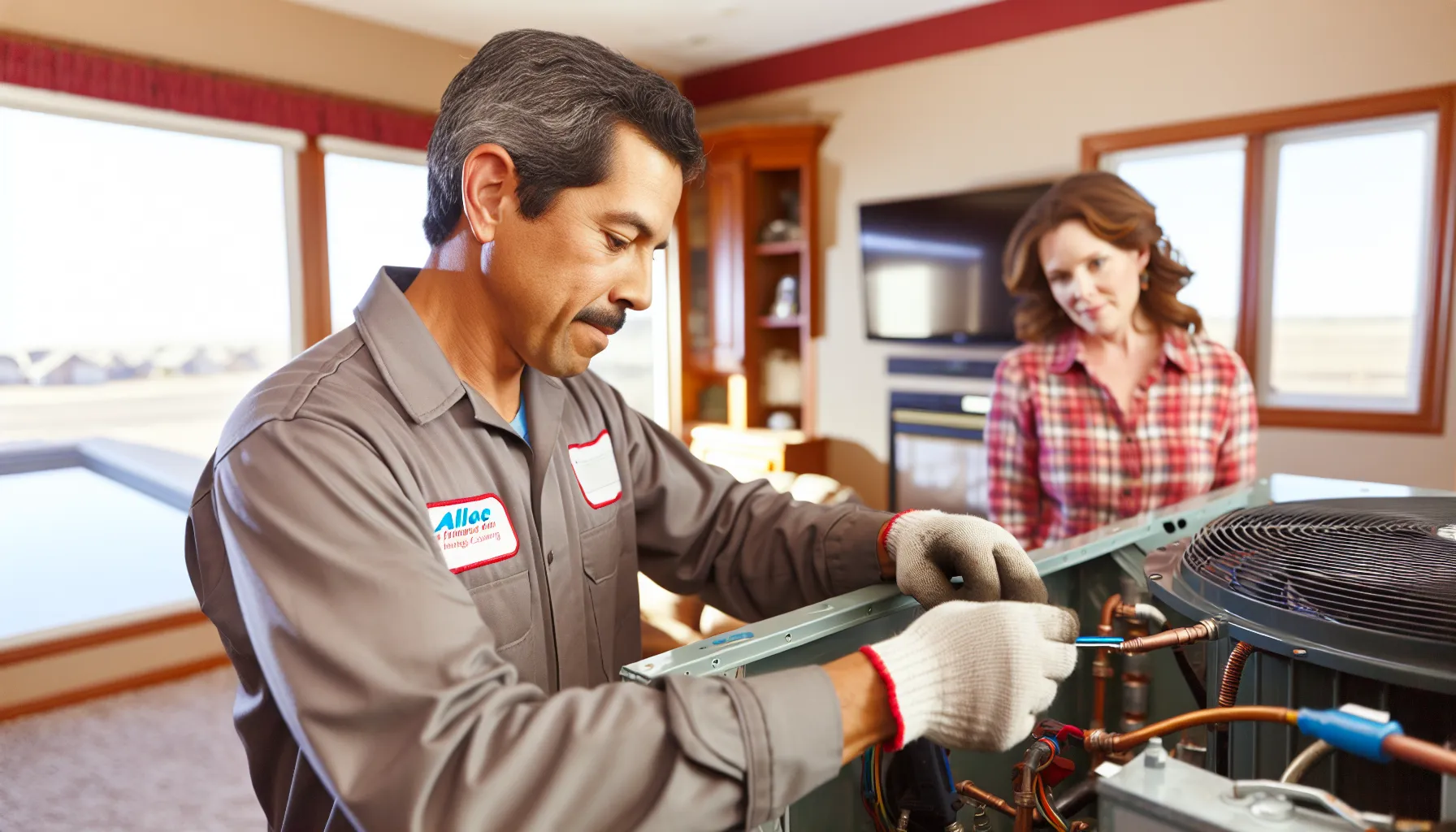
Like any mechanical system, your air conditioner needs a break. Constant operation can overwork components such as the compressor and fan motor, increasing the likelihood of breakdowns. At Alloy Heating and Cooling, we’ve seen cases in Parker and Castle Rock where neglected AC units failed prematurely due to non-stop use combined with infrequent maintenance. Allowing your system to cycle off periodically and investing in regular check-ups can help avoid costly repairs.
Energy Costs of Leaving Your Air Conditioner On All Day in Colorado
How Much Energy Does an AC Use?
The typical central air conditioner uses between 2,000 and 3,500 watts per hour. Running your AC for 8 hours a day could add up to 28 kWh, while 24-hour operation could triple that number. With Colorado’s average electricity rate hovering around $0.13 per kWh, this can quickly increase your monthly utility bill during peak summer months.
Factors Affecting Energy Consumption in Colorado Homes
Several factors influence how much energy your AC uses:
- Home insulation: Well-insulated homes in Highlands Ranch or Evergreen lose less cool air, reducing AC run time.
- Sun exposure: Homes with many south-facing windows in Denver or Aurora may heat up faster, requiring more cooling.
- AC efficiency: Newer, high-SEER systems installed by Alloy Heating and Cooling use less energy than older models.
- Thermostat settings: Lower temperatures mean longer run times and higher costs.
Comparing All-Day vs. On-Demand Usage
Some homeowners worry that turning the AC off and on will use more energy than leaving it running. In reality, letting your home warm up a few degrees while away, then cooling it down when you return, usually saves energy. Programmable thermostats can automate this process. For example, a homeowner in Littleton set their thermostat to 78°F while home and 85°F while at work, reducing their summer cooling bill by nearly 20%.
Tips to Reduce Energy Costs While Staying Cool
Smart Thermostat Settings for Colorado Weather
Invest in a programmable or smart thermostat. Set it to 78°F when you’re home and increase the temperature by 7-10 degrees when you’re away. Many Colorado residents in places like Castle Pines or Boulder use smart thermostats to adjust settings based on weather forecasts and occupancy, saving both energy and money.
Insulation and Home Efficiency Improvements
Proper insulation, weatherstripping, and sealing air leaks help keep cool air inside. Upgrading attic insulation or installing energy-efficient windows can make a big difference. One Centennial homeowner reduced their AC run time by 30% after sealing ductwork and adding attic insulation.
Alternative Cooling Methods
Ceiling fans, portable fans, and window coverings can supplement your AC and allow you to set the thermostat higher without sacrificing comfort. In Colorado’s dry climate, evaporative coolers (swamp coolers) are also effective and use less energy. Planting shade trees or installing exterior awnings can naturally cool your home, especially in sun-exposed neighborhoods like Thornton or Westminster.
When Should You Turn Off Your Air Conditioner?
Best Practices for Leaving the House
When leaving for work or errands, raise your thermostat to 85°F or higher, or use the “away” setting on your smart thermostat. This minimizes energy use while preventing excessive indoor heat buildup. If you have pets or sensitive electronics, avoid turning the AC completely off but do raise the temperature.
Nighttime and Cooler Weather Strategies
Take advantage of Colorado’s cool evenings. Open windows and use window fans to bring in fresh air and cool your home naturally. In areas like Morrison or Golden, nighttime temperatures often drop into the 60s, making it possible to turn off your AC overnight and save energy.
Ultimately, the best approach depends on your lifestyle, home, and comfort needs. Regular maintenance and smart upgrades from Alloy Heating and Cooling help you get the most from your AC system while keeping energy costs in check.
Frequently Asked Questions
Is it bad to leave your AC on all day?
Leaving your AC on all day isn’t inherently bad, but it can increase energy costs and put extra wear on your system. Using a programmable thermostat and optimizing settings can help balance comfort and efficiency.
Will running my AC all day increase my energy bill in Colorado?
Yes, continuously running your AC will likely raise your energy bill, especially during Colorado’s warm summer days. Smart usage and home efficiency upgrades can help manage costs.
Does running the AC all day damage the unit?
Constant operation can lead to faster wear and potentially reduce the lifespan of your AC unit. Regular maintenance and allowing your system to cycle off periodically can help prolong its life.
What temperature should I set my AC in Colorado during summer?
For optimal comfort and efficiency, set your thermostat to 78°F when you’re home and raise it when you’re away. Adjustments may be needed depending on your comfort and home insulation.
Are there alternatives to leaving the AC on all day?
Yes, using ceiling fans, improving insulation, and installing window coverings can help keep your home cool without relying solely on your AC.

Alloy HVAC Team
HVAC experts with years of experience in the industry. We share tips, insights, and the latest trends in heating, ventilation, and air conditioning to help you maintain optimal comfort in your home or business.