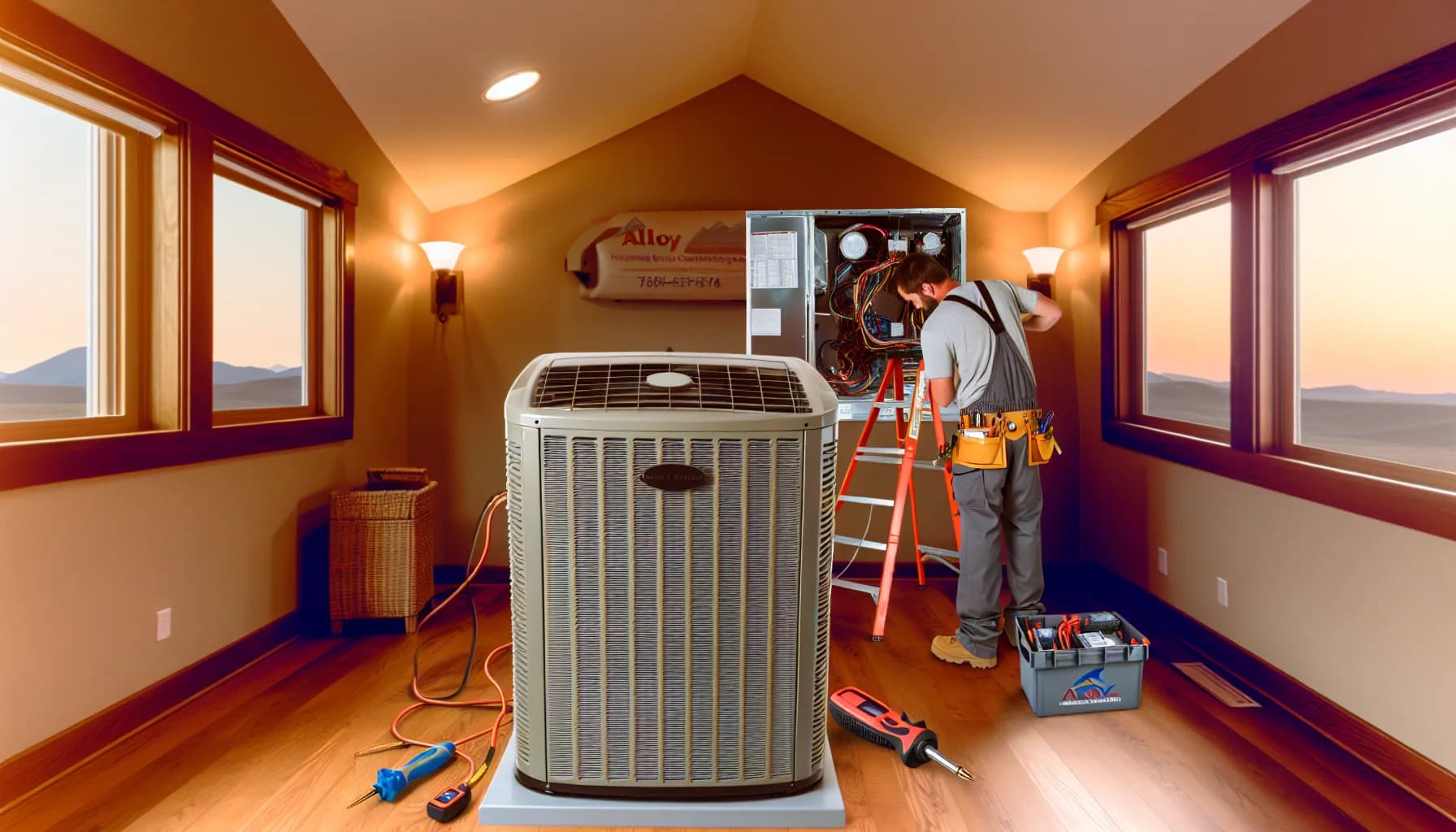
Top 5 Most Common Types of HVAC Systems for Colorado Residences
Top 5 Most Common Types of HVAC Systems for Colorado Residences
Introduction to Residential HVAC Systems in Colorado
Importance of Choosing the Right HVAC System
Colorado’s diverse climate, hot, dry summers and cold, snowy winters, means having an effective heating and cooling system is essential for comfort and energy efficiency. The right HVAC system not only keeps your home comfortable all year but also helps you save on energy bills and avoid unnecessary repairs. For both homeowners in Littleton and small businesses in Westminster, the right choice can make a big difference in monthly expenses and long-term property value.
Factors Affecting HVAC Selection in Colorado
Several factors influence which system will work best for your home, including local temperature extremes, humidity levels, home size and insulation, and whether your property has existing ductwork. For example, an older home in Denver’s Wash Park neighborhood might need a system that doesn’t require ducts, while a new build in Highlands Ranch may benefit from a high-efficiency central system.
1. Central Air Conditioning and Heating Systems
How Central HVAC Systems Work
Central HVAC systems use a network of ducts to distribute heated or cooled air throughout your home. Typically, these systems include a furnace for heating and an air conditioner for cooling, sharing the same ductwork and thermostat controls. Central systems are popular in larger homes and newly built properties across Colorado, including Centennial and Parker.
Pros and Cons for Colorado Homes
- Pros: Even temperature control, compatible with air filtration and humidity control accessories, convenient for whole-home comfort.
- Cons: Requires ductwork, which can be costly to retrofit into older homes. Efficiency can be affected by duct leaks or poor insulation.
Real-world example: A family in Aurora with an older, inefficient central system upgraded to a new ENERGY STAR® rated unit and saw a noticeable drop in monthly bills and a more consistent indoor climate.
2. Heat Pump Systems
Types of Heat Pumps (Air Source, Ground Source)
Heat pumps transfer heat rather than generate it directly. The two most common types for Colorado homes are air source heat pumps, which move heat between your house and the outside air, and ground source (geothermal) heat pumps, which use the earth’s stable temperature to provide heating and cooling.
Advantages for Colorado’s Climate
- Highly efficient for both heating and cooling, especially in milder shoulder seasons.
- Modern cold-climate heat pumps are effective even when outdoor temperatures dip well below freezing, making them suitable for homes in Golden or Castle Rock.
- Ground source heat pumps provide the highest efficiency but have higher upfront installation costs.
Scenario: A homeowner in Evergreen wanted to reduce reliance on propane heating. By installing a ground source heat pump, they cut their energy use by nearly half and enjoyed year-round comfort.
3. Ductless Mini-Split Systems
Features of Ductless Mini-Splits
Ductless mini-split systems include one or more indoor units connected to an outdoor compressor. Each indoor unit can be controlled independently, allowing for zoned heating and cooling. Installation is minimally invasive, requiring only a small hole in the wall for the conduit.
Best Applications in Residential Settings
- Perfect for older homes in Denver, Boulder, or Morrison that lack ductwork.
- Ideal for home additions, finished basements, or converted garages.
- Allows for personalized comfort, with different temperature settings in each room.
Example: A Bow Mar homeowner renovated their historic property and used ductless mini-splits to provide efficient, quiet comfort without disturbing original architecture.
4. Furnaces (Gas, Electric, and Oil)
Types of Furnaces Common in Colorado
Gas furnaces are the most popular choice in Colorado, thanks to reliable natural gas infrastructure and affordable fuel costs. Electric furnaces are common in areas without gas service, while oil furnaces are rare but still found in some rural homes.
Efficiency and Cost Considerations
- Modern gas furnaces can achieve efficiency ratings of 95% AFUE (Annual Fuel Utilization Efficiency) or higher.
- Electric furnaces have lower upfront costs but can be more expensive to operate in Colorado’s colder months.
- Oil furnaces are less common and generally less efficient.
Scenario: A Centennial homeowner replaced their 20-year-old gas furnace with a new high-efficiency model, reducing their winter heating bills and improving indoor air quality.
5. Hybrid HVAC Systems
How Hybrid Systems Work
Hybrid systems combine a heat pump with a backup gas furnace. The heat pump handles heating and cooling during milder weather, while the furnace kicks in when temperatures drop below a set point, ensuring reliable heat during Colorado’s coldest nights.
Benefits for Energy Efficiency
- Maximizes energy savings by using the most efficient heat source for the current conditions.
- Reduces reliance on fossil fuels and lowers environmental impact.
- Provides flexibility and peace of mind for unpredictable Colorado weather.
Example: A Highlands Ranch family installed a hybrid system and took advantage of local energy rebates, saving on installation costs and monthly utilities.
How to Choose the Right HVAC System for Your Colorado Home
Assessing Home Size and Insulation
The size of your home and quality of insulation play a major role in determining the best HVAC system. Large, open-concept homes in Castle Pines may benefit from central or hybrid systems, while smaller or historic homes in Morrison might be better suited for ductless mini-splits. An HVAC professional can perform a load calculation to determine the exact needs of your property.
Considering Energy Efficiency and Cost
Energy-efficient systems such as geothermal heat pumps or hybrid configurations have higher upfront costs but can offer significant long-term savings. Rebates and incentives from local utilities can help offset installation expenses. Homeowners should also consider maintenance requirements and potential repair costs over time.
Conclusion: Finding the Best Residential HVAC System
With Colorado’s challenging climate, choosing the right HVAC system is a critical decision for comfort, efficiency, and value. From central systems to ductless mini-splits and advanced hybrid options, there is a solution for every home and budget. Consulting with a licensed HVAC contractor like Alloy Heating and Cooling ensures you get the expertise and service needed to make the best choice for your family or business.
Frequently Asked Questions
What type of HVAC system is best for Colorado’s climate?
Heat pump systems and hybrid HVAC systems are popular in Colorado due to their energy efficiency and ability to handle both heating and cooling in variable weather conditions.
Are ductless mini-split systems suitable for older homes?
Yes, ductless mini-split systems are ideal for older homes without existing ductwork, providing flexible installation and zoned comfort.
How do I determine the right size HVAC system for my residence?
A professional HVAC contractor can perform a load calculation to assess your home’s size, insulation, and other factors to recommend the properly sized system.
What is the most energy-efficient residential HVAC system?
Geothermal heat pumps and hybrid HVAC systems are among the most energy-efficient options for Colorado residences.
How often should I maintain my residential HVAC system?
It’s recommended to have your HVAC system professionally inspected and serviced at least once a year to ensure optimal performance and longevity.

Alloy HVAC Team
HVAC experts with years of experience in the industry. We share tips, insights, and the latest trends in heating, ventilation, and air conditioning to help you maintain optimal comfort in your home or business.