Furnace Repair vs. Replacement: What’s Best for Colorado Homeowners?
Furnace Repair vs. Replacement: What’s Best for Colorado Homeowners?
Colorado’s winters can be beautiful, but when temperatures plummet, a reliable furnace isn’t just a comfort, it’s a necessity. For homeowners from Greenwood Village to Boulder, the question often arises: should you repair your existing furnace or invest in a replacement? Making the right choice can affect your comfort, safety, and finances for years to come. At Alloy Heating and Cooling, we guide Colorado homeowners through this crucial decision every day. Here’s what you need to know to make the best choice for your home and budget.
Understanding Furnace Repair: When Is It the Right Choice?
Common Furnace Problems in Colorado Homes
Colorado’s unique climate, with its dramatic swings between warm days and frigid nights, puts a lot of strain on heating systems. Over time, even the best furnaces can develop issues. Some of the most common furnace problems our technicians see in local homes include:
- Ignition or Pilot Control Issues: Furnaces may fail to ignite, leaving your home cold. This is especially common in older units with pilot lights.
- Dirty or Clogged Filters: Colorado’s dry, dusty conditions often clog filters faster than expected, reducing airflow and efficiency.
- Blower Motor Problems: When the blower fails, warm air cannot circulate, leaving rooms chilly.
- Thermostat Malfunctions: Sudden temperature swings can stress thermostats, leading to inaccurate readings or system cycling.
- Wear and Tear: With regular use, belts, bearings, and other components can wear out, causing unusual noises or reduced performance.
Signs Your Furnace Needs Repair
Recognizing the early signs of furnace trouble can prevent a complete breakdown. Homeowners in areas like Highlands Ranch, Aurora, or Lakewood should watch for:
- Unusual noises: Banging, rattling, or squealing can signal loose or worn-out parts.
- Uneven heating: Some rooms are too cold while others are too warm.
- Increased energy bills: A sudden spike in utility costs often means your furnace is working harder than it should.
- Frequent cycling: The furnace turns on and off more often than normal.
- Yellow pilot light: A pilot flame that’s yellow instead of blue can indicate a dangerous carbon monoxide issue.
Timely repairs can resolve these issues and restore comfort to your home.
Benefits of Timely Furnace Repair
Addressing furnace problems promptly offers several advantages:
- Improved reliability: Early repairs reduce the risk of a breakdown during a cold snap.
- Cost savings: Fixing minor issues prevents them from developing into expensive repairs.
- Energy efficiency: A well-maintained furnace runs more efficiently, lowering your heating bills.
- Extended lifespan: Regular repairs and maintenance can add years to your furnace’s life.
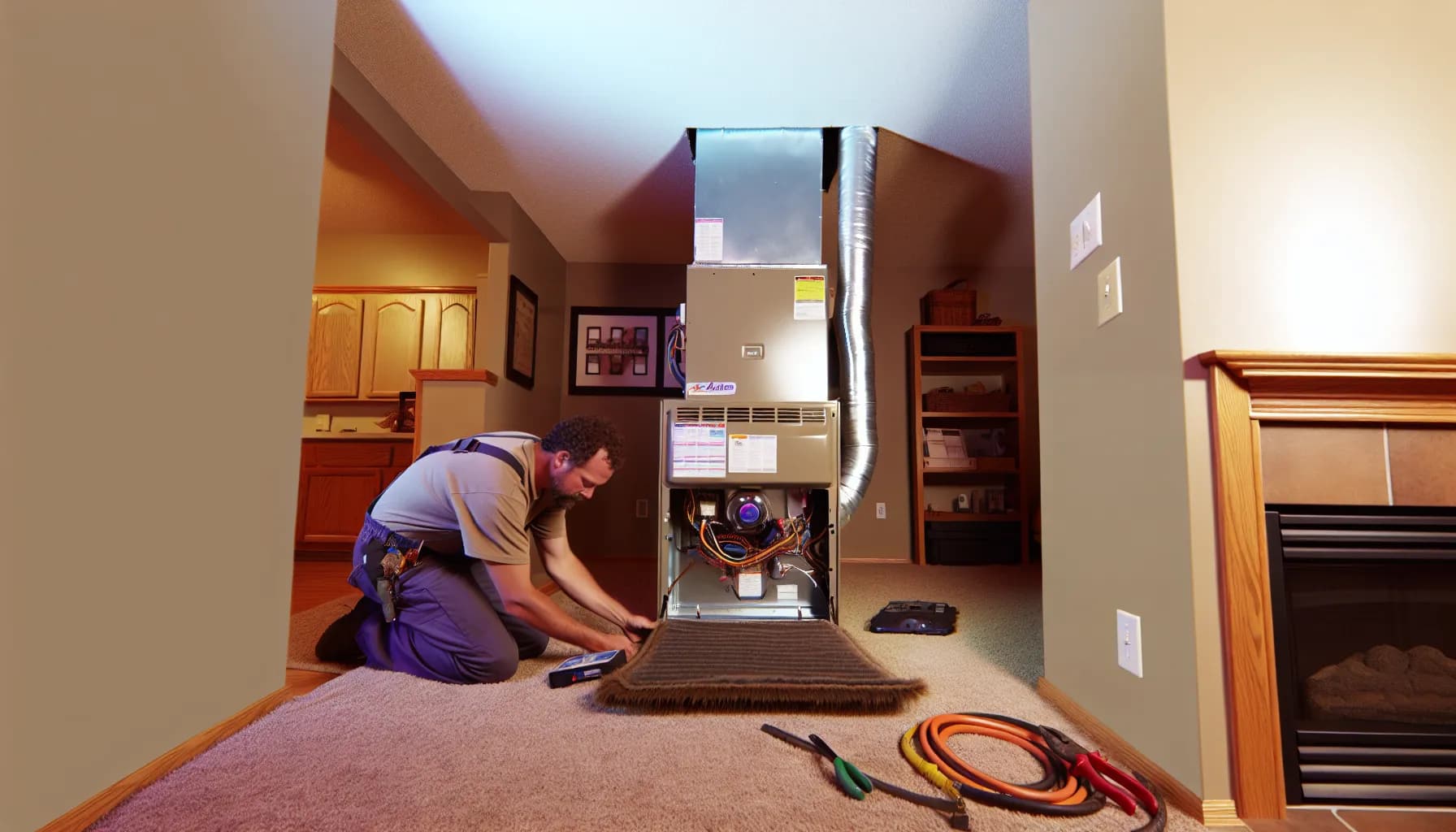
For example, a homeowner in Centennial noticed a burning smell and called Alloy Heating and Cooling. We found a clogged filter causing the blower motor to overheat. A quick filter replacement and motor cleaning restored safe, efficient operation, saving the homeowner from a costly breakdown in the middle of winter.
When to Consider Furnace Replacement
Factors That Indicate You Need a New Furnace
While many furnaces can be repaired, there comes a time when replacement is the smarter option. Here are signs it might be time to invest in a new unit:
- Age: Most furnaces last 15-20 years. If yours is approaching this age, replacement may be more cost-effective.
- Frequent breakdowns: If you’re calling for repairs more than once or twice a season, those costs add up quickly.
- Rising energy bills: Older units tend to lose efficiency, driving up your heating costs.
- Inconsistent heating: If repairs don’t fix uneven temperatures, the entire system may be failing.
- Safety concerns: Cracked heat exchangers or persistent carbon monoxide warnings are serious hazards that usually require replacement.
A real-world example: A Parker homeowner faced three repairs in one winter. Their 18-year-old furnace was noisy, inefficient, and barely keeping up. After a thorough inspection, we recommended replacement. The new high-efficiency furnace not only lowered their energy bills but also provided quiet, consistent warmth throughout their home.
Comparing Costs: Repairing vs. Replacing Your Furnace
One of the biggest concerns for homeowners is cost. A general rule of thumb is if repairs cost more than half the price of a new furnace, replacement is often the better investment. Consider these factors:
- Repair costs: Minor repairs, like replacing a thermostat or filter, are usually affordable. Major repairs, such as a cracked heat exchanger, can be costly.
- Age of furnace: Installing new parts in an old unit may only buy a little time before something else fails.
- Energy savings: New units are significantly more efficient, potentially cutting your heating bills by up to 30% or more.
We helped a Littleton homeowner decide between a $1,200 blower motor repair and a $3,500 furnace replacement. Given their furnace was 17 years old, the replacement made more sense, especially with available rebates.
Energy Efficiency and Long-Term Savings
Modern furnaces, especially those with ENERGY STAR® ratings, use advanced technology to maximize efficiency. Features like variable-speed motors and smart thermostats help maintain even temperatures and reduce wasted energy. In Colorado, where winters are long, these savings add up quickly.
Additionally, replacing an old furnace can improve your home’s air quality and comfort. Newer models are quieter, produce fewer emissions, and offer better humidity control, important for our dry Colorado climate.
Furnace Repair in Colorado: What Homeowners Should Know
Unique Climate Challenges in Colorado
Colorado’s weather is unpredictable. Sudden cold snaps, dry air, and dust storms can all impact your furnace’s performance. Our state’s elevation also means thinner air, which can affect older combustion systems. Local expertise matters, choosing a company familiar with Colorado’s climate ensures your system is properly sized and maintained for local conditions.
Choosing a Reliable Furnace Repair Service
Not all HVAC companies are created equal. When selecting a repair service, look for:
- Licensed and insured technicians: Protects your home and guarantees professional work.
- Local experience: Companies rooted in Colorado understand the region’s unique needs.
- Transparent pricing: Detailed estimates help you make informed decisions.
- Strong reviews and referrals: Ask neighbors or check online ratings for trustworthy recommendations.
Alloy Heating and Cooling proudly serves communities from Arvada to Monument, delivering fast, honest, and expert service every time.
Maintenance Tips for Prolonging Furnace Life
Regular maintenance is the best way to avoid major repairs or premature replacement. Here are a few tips tailored for Colorado homes:
- Change filters regularly: During peak heating season, check filters monthly and replace as needed.
- Schedule yearly tune-ups: Annual professional inspections catch small issues before they become big problems.
- Keep vents clear: Ensure furniture or curtains do not block airflow.
- Monitor your thermostat: If you notice frequent cycling, have your system checked.
- Watch for warning signs: Don’t ignore unusual noises or smells.
One Golden homeowner saved thousands by enrolling in our maintenance plan. During a routine inspection, we caught a cracked heat exchanger early, allowing for a planned replacement at their convenience, long before a dangerous failure occurred.
Making the Decision: Repair or Replace?
Questions to Ask Before Deciding
Before making a final call, ask yourself:
- How old is my furnace?
- How often has it needed repairs in the last two years?
- Are my energy bills increasing?
- Have I experienced inconsistent heating or comfort issues?
- Am I planning to stay in my home for several more years?
Consulting with HVAC Professionals
An experienced HVAC technician can provide a thorough system inspection and help you weigh your options. At Alloy Heating and Cooling, we never recommend replacement unless it truly benefits your home and budget. We walk you through all costs, potential savings, and available incentives so you can make an informed decision.
For instance, in Erie, a family unsure about replacing their 12-year-old furnace called for a second opinion. Our technician found the issue was a faulty limit switch, a simple repair. The family saved thousands and gained peace of mind knowing their furnace had plenty of life left.
Financing and Incentives for Colorado Residents
Upgrading to a new furnace is a significant investment, but there are ways to make it more affordable:
- Utility rebates: Many Colorado utilities offer rebates for high-efficiency furnace installations. Check with Xcel Energy, Black Hills Energy, or your local provider.
- State and federal tax credits: You may qualify for credits when installing ENERGY STAR® certified equipment.
- Special financing: Alloy Heating and Cooling partners with lenders to offer financing options that fit your budget.
One Northglenn homeowner took advantage of a $500 rebate and low-interest financing, making their new furnace purchase stress-free and affordable.
Conclusion: Take the Next Step with Alloy Heating and Cooling
Deciding between furnace repair and replacement is a major decision for Colorado homeowners. By understanding the signs, comparing costs, and consulting with trusted professionals, you can ensure safe, comfortable, and efficient heating for many winters to come. Whether you need a quick repair, seasonal maintenance, or a complete system upgrade, Alloy Heating and Cooling is here to help every step of the way. Serving communities across the Front Range, we offer honest advice, expert workmanship, and friendly service, every time.
Contact us today for a free consultation or to schedule your furnace inspection. Stay warm, safe, and energy-efficient all season long!
Frequently Asked Questions
How do I know if my furnace needs repair or replacement?
If your furnace is frequently breaking down, over 15 years old, or your energy bills have risen, it may be time to consider replacement. However, newer units with minor issues can often be repaired cost-effectively.
What are the most common furnace repairs in Colorado?
Common repairs include fixing ignition or pilot control problems, replacing dirty filters, repairing thermostats, and resolving blower motor issues, especially due to Colorado’s cold winters.
Is it more cost-effective to repair or replace my furnace?
If repair costs are less than half the price of a new furnace and your unit is under 10-15 years old, repair is usually more cost-effective. For older or inefficient units, replacement can save you money long-term.
How long does a typical furnace repair take?
Most common furnace repairs can be completed within a few hours by a qualified HVAC technician, depending on the complexity of the issue and parts availability.
Are there energy efficiency incentives for replacing furnaces in Colorado?
Yes, Colorado homeowners may qualify for rebates or tax credits when installing high-efficiency furnaces. Check with local utilities and state programs for current incentives.

Alloy HVAC Team
HVAC experts with years of experience in the industry. We share tips, insights, and the latest trends in heating, ventilation, and air conditioning to help you maintain optimal comfort in your home or business.