Best Energy-Efficient HVAC Systems for Colorado’s Unique Climate
Best Energy-Efficient HVAC Systems for Colorado’s Unique Climate
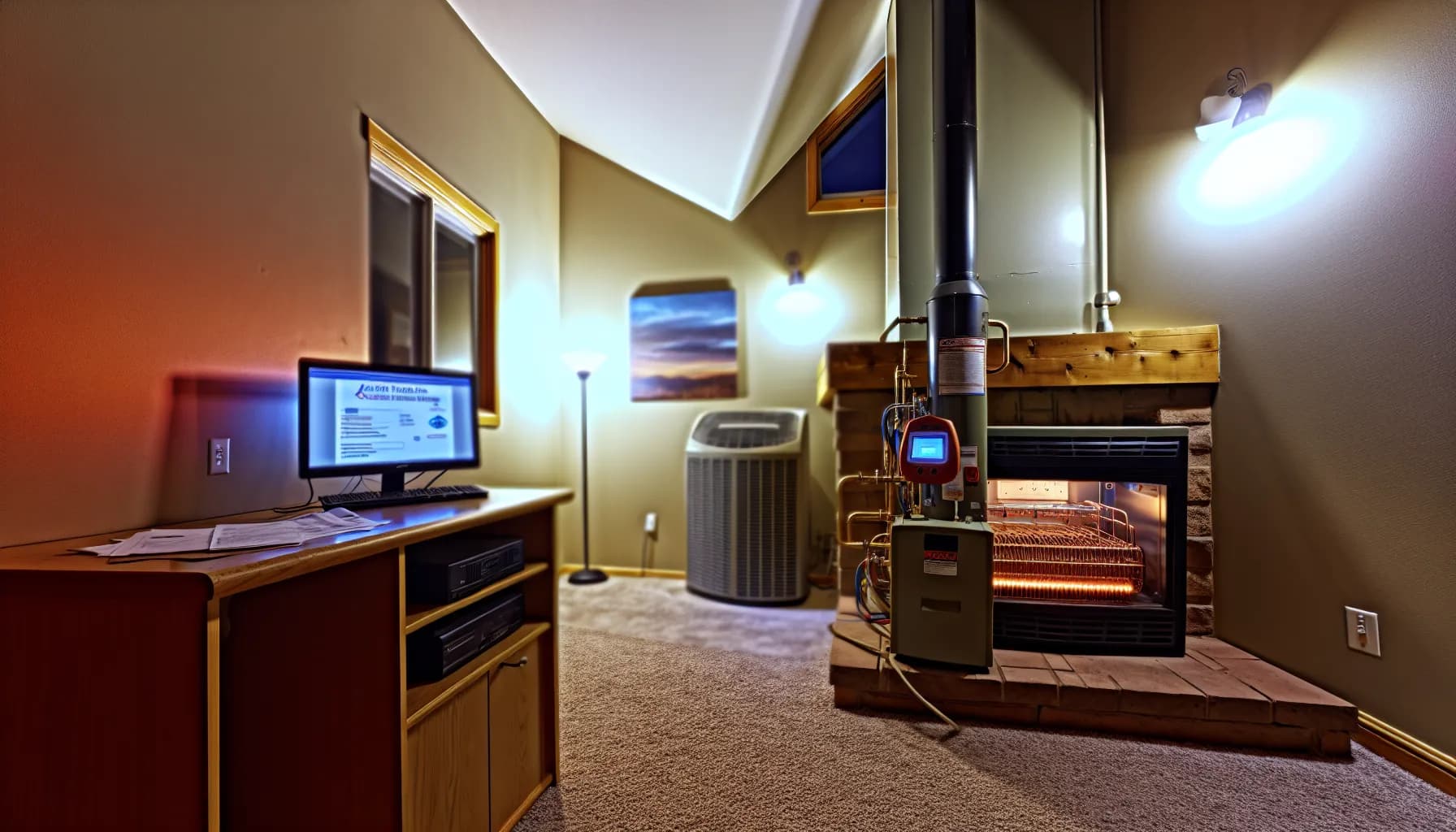
Finding the right HVAC system in Colorado is more than a matter of comfort. With our state’s dramatic temperature swings, high altitude, and dry air, homeowners and businesses need energy-efficient solutions that are up to the task. At Alloy Heating and Cooling, we’ve helped hundreds of families and businesses from Greenwood Village to Boulder get the most from their heating and cooling systems. In this guide, we’ll break down the essentials of energy-efficient HVAC systems for Colorado’s unique climate and highlight the best options for local conditions.
Understanding Energy Efficiency in HVAC Systems
What Makes an HVAC System Energy Efficient?
Energy-efficient HVAC systems are designed to use less energy while providing the same or better heating and cooling performance as standard models. This efficiency comes from advanced components, variable-speed motors, improved insulation, and smart controls. For instance, a variable-speed furnace adjusts its output based on real-time demand rather than running at full blast, reducing energy waste and improving comfort.
Key Efficiency Ratings to Know (SEER, AFUE, HSPF)
- SEER (Seasonal Energy Efficiency Ratio): Applies to air conditioners and heat pumps. The higher the SEER number, the better the cooling efficiency. In Colorado, a SEER rating of 16 or higher is recommended for new installations.
- AFUE (Annual Fuel Utilization Efficiency): Measures furnace efficiency. A 95% AFUE furnace converts 95% of fuel into heat, wasting just 5%.
- HSPF (Heating Seasonal Performance Factor): Relevant for heat pumps, this rating indicates heating efficiency. Look for HSPF ratings of 8.5 and above for optimal performance in Colorado’s chilly winters.
Benefits of Energy-Efficient HVAC for Colorado Homes
- Lower utility bills: Efficient systems use less energy, saving you money every month.
- Reduced environmental impact: Lower energy consumption means fewer greenhouse gas emissions.
- Enhanced comfort: Modern systems offer better humidity control, quieter operation, and more consistent temperatures.
- Increased home value: Buyers are increasingly seeking homes with high-efficiency systems, making upgrades a smart investment.
Colorado’s Unique Climate and Its Impact on HVAC Needs
Temperature Extremes: Hot Summers and Cold Winters
Colorado’s weather can swing from 95°F summer afternoons to sub-zero winter nights. Homeowners in areas like Denver and Castle Rock know that a system must provide both strong cooling and dependable heat. Energy-efficient heat pumps and furnaces can handle these extremes, keeping indoor temperatures comfortable year-round.
Altitude Considerations for HVAC Performance
Much of Colorado sits above 5,000 feet. Thinner air at altitude can affect how gas furnaces and air conditioners perform. For example, a standard gas furnace may lose efficiency at higher elevations. That’s why it’s crucial to select models rated for high-altitude operation. At Alloy Heating and Cooling, we routinely install and calibrate equipment to ensure it performs at its best in places like Evergreen or Morrison.
Humidity and Air Quality Challenges
Colorado’s air is famously dry, which can cause discomfort and affect HVAC system performance. Efficient systems with built-in humidification or compatible with whole-home humidifiers help maintain comfortable indoor air quality. Additionally, modern filtration and ventilation options are available to keep out wildfire smoke and allergens, a growing concern for residents in Boulder and Lakewood.
Top Energy-Efficient HVAC System Types for Colorado
High-Efficiency Furnaces
Modern condensing furnaces with AFUE ratings of 95% or higher are the gold standard for Colorado winters. They capture and reuse heat from exhaust gases, maximizing fuel use. For example, a Centennial homeowner recently replaced an older 80% AFUE furnace with a 98% model and saw their winter heating bills drop by over 20%.
Heat Pumps: Air Source vs. Ground Source
- Air Source Heat Pumps: These systems provide both heating and cooling. New cold-climate models work efficiently even when outdoor temperatures dip into the teens, making them a practical choice for Highlands Ranch and Lone Tree.
- Ground Source (Geothermal) Heat Pumps: These use the earth’s stable temperature to heat and cool your home. While installation is more involved, they offer outstanding efficiency and long-term savings. We recently assisted a Parker business upgrade to geothermal, cutting their annual HVAC costs nearly in half.
Ductless Mini-Split Systems
Ductless mini-splits are ideal for Colorado homes with additions, older houses without ductwork, or rooms that never seem to stay comfortable. They offer zoned heating and cooling with SEER ratings often above 20, delivering both energy savings and flexibility.
Smart & Programmable Thermostats
Smart thermostats like the Nest or ecobee allow homeowners to fine-tune HVAC schedules and adjust settings remotely. They learn your preferences and automatically reduce energy use when you’re away. In a recent project in Aurora, a family reduced their heating and cooling costs by 15% simply by upgrading to a smart thermostat.
Choosing the Right Energy-Efficient HVAC System
Sizing and Installation Considerations
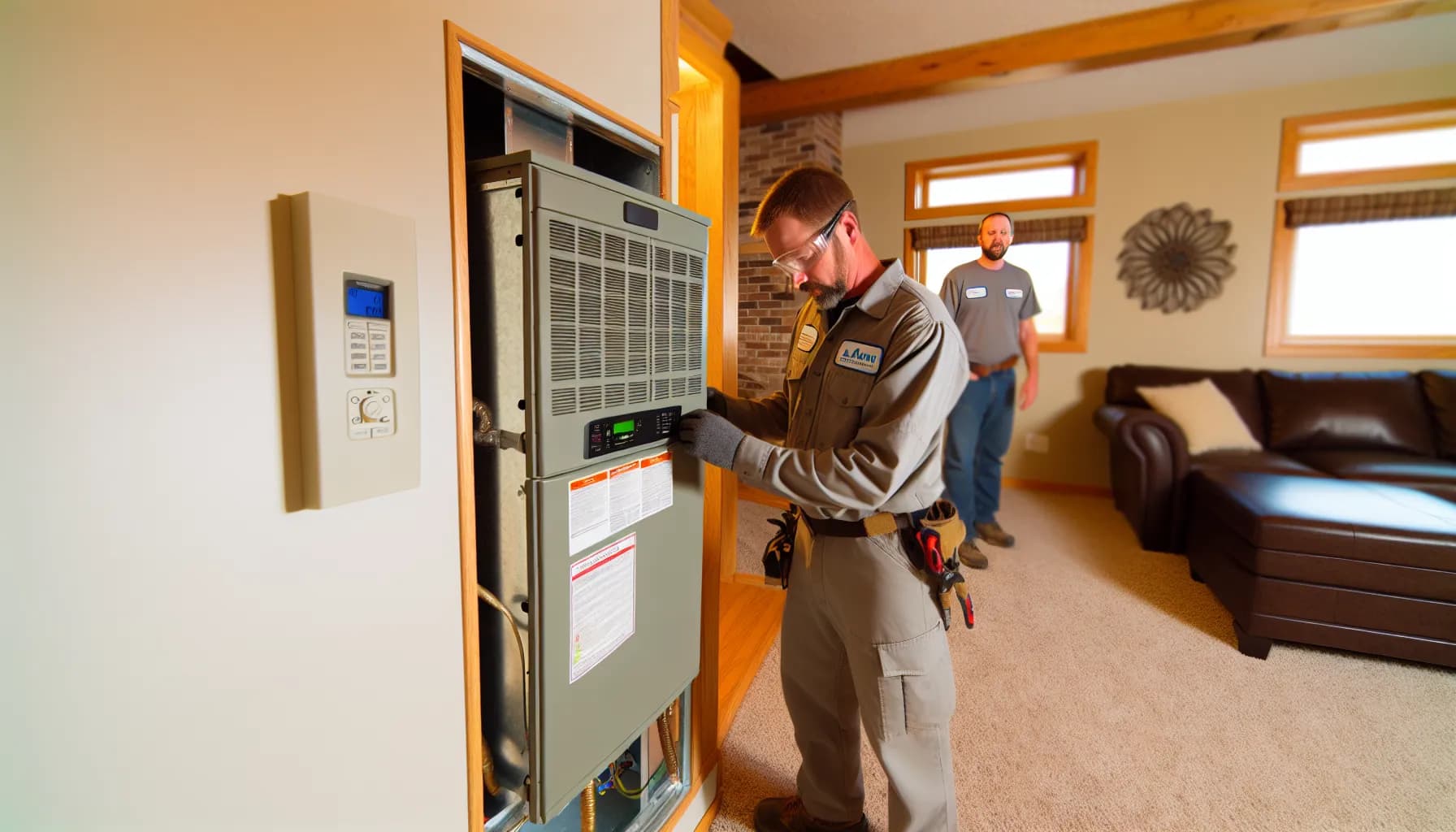
Proper sizing is critical. An undersized system will struggle to keep up, while an oversized one will cycle on and off, wasting energy. At Alloy Heating and Cooling, we always perform a load calculation based on your home’s size, insulation, window orientation, and more. Correct installation is just as important as choosing the right equipment.
Rebates, Incentives, and Energy Star Certifications
Many Colorado utility companies, such as Xcel Energy, offer rebates for high-efficiency HVAC installations. Look for Energy Star-certified products, as they meet strict efficiency guidelines. Our team stays up to date on current rebates and can help you maximize your savings.
Maintenance Tips for Optimal Efficiency
- Change air filters every 1-3 months
- Schedule annual professional tune-ups
- Keep outdoor units clear of debris and snow
- Seal ducts to prevent leaks
Routine maintenance keeps your system running efficiently and can prolong its lifespan by several years, as proven by many long-time Alloy Heating and Cooling customers in Arvada and Lakewood.
Top Brands and Models for Energy-Efficient HVAC in Colorado
Best Rated Brands for Colorado’s Climate
Some brands consistently perform well in Colorado’s unique environment. We often recommend:
- Trane: Known for reliability and high-altitude performance
- Carrier: Offers a range of Energy Star-certified systems
- Lennox: Market leader in high-efficiency furnaces and air conditioners
- Mitsubishi Electric: Top choice for ductless mini-splits
- Daikin: Innovative heat pump technology, including cold-climate models
Comparing Cost vs. Efficiency
Investing in a high-efficiency system often means a higher upfront cost but lower monthly bills. For example, upgrading from a standard 13 SEER air conditioner to a 20 SEER model can save a Boulder homeowner hundreds of dollars each year, with payback often realized in 5-7 years.
Customer Reviews and Local Recommendations
Our customers often share how much more comfortable and affordable their homes have become after switching to energy-efficient systems. In Golden, a homeowner with an older property recently upgraded to a variable-speed furnace and ductless mini-split, praising the improved air quality and even temperatures throughout the winter and summer.
Choosing the right HVAC system for Colorado’s unique climate takes expertise and local knowledge. At Alloy Heating and Cooling, we’re dedicated to helping you find the most energy-efficient, cost-effective solution for your home or business.
Frequently Asked Questions
What is the most energy-efficient HVAC system for Colorado homes?
Heat pumps, especially cold-climate air source and ground source (geothermal) models, are among the most energy-efficient HVAC options for Colorado, offering both heating and cooling capabilities tailored to the state’s temperature swings.
How does Colorado’s altitude affect HVAC system efficiency?
Higher altitudes can reduce the efficiency of certain HVAC equipment, such as gas furnaces, due to thinner air. It’s important to choose models specifically rated for high-altitude performance.
Are there rebates or incentives for installing energy-efficient HVAC systems in Colorado?
Yes, many utility companies and state programs in Colorado offer rebates and incentives for installing Energy Star-certified and high-efficiency HVAC systems.
How often should I service my energy-efficient HVAC system?
It’s recommended to have your HVAC system professionally serviced at least once a year to maintain optimal efficiency and extend its lifespan.
What are SEER, AFUE, and HSPF ratings, and why do they matter?
SEER measures cooling efficiency, AFUE measures furnace efficiency, and HSPF measures heat pump heating efficiency. Higher ratings indicate greater energy efficiency, which translates to lower utility bills and reduced environmental impact.

Alloy HVAC Team
HVAC experts with years of experience in the industry. We share tips, insights, and the latest trends in heating, ventilation, and air conditioning to help you maintain optimal comfort in your home or business.