Can Your Furnace Cause Carbon Monoxide Leaks? Essential Safety Tips for Colorado Residents
Can Your Furnace Cause Carbon Monoxide Leaks? Essential Safety Tips for Colorado Residents
As the temperature drops across Colorado, homeowners and businesses rely heavily on their furnaces to stay warm. While furnaces are essential for comfort in Greenwood Village, Littleton, Aurora, Boulder, and beyond, they also come with important safety considerations. One of the most critical is the risk of carbon monoxide (CO) leaks. Understanding how your furnace can produce this dangerous gas, recognizing warning signs, and taking proactive safety steps are vital for every Colorado resident. Here’s what you need to know to keep your family and property safe this heating season.
Understanding the Link: Can Furnace Cause Carbon Monoxide?
How Furnaces Produce Carbon Monoxide
Most Colorado homes and businesses use gas, propane, or oil furnaces. When these fuels burn, they produce heat and byproducts, including carbon monoxide. Normally, a well-functioning furnace vents CO safely outside through its flue or chimney. However, if the furnace is malfunctioning, poorly installed, or inadequately vented, CO can escape into your living or work space.
For example, a homeowner in Highlands Ranch noticed their pilot light burning yellow instead of blue, a sign of incomplete combustion. Upon inspection, the HVAC technician found a cracked heat exchanger releasing CO into the air. Had it gone unnoticed, it could have become life-threatening.
Common Causes of Furnace Carbon Monoxide Leaks
- Cracked or damaged heat exchanger: The heat exchanger is the component that separates combustion gases from indoor air. Cracks allow CO to mix with the air you breathe.
- Blocked or disconnected vent pipes: In areas like Lakewood or Denver, older homes may have venting systems that become clogged with debris or suffer from corrosion, causing CO backup.
- Poor furnace installation: Improperly sized or installed furnaces can cause incomplete fuel combustion, which increases CO production.
- Lack of regular maintenance: Dirty burners, clogged filters, and neglected equipment can all contribute to unsafe operating conditions.
Every year, Alloy Heating and Cooling responds to calls in communities like Castle Rock and Parker where routine maintenance could have prevented hazardous CO leaks.
Warning Signs of Carbon Monoxide Leaks from Your Furnace
Physical Symptoms of CO Exposure
Carbon monoxide is colorless and odorless, making it especially dangerous. Early symptoms of exposure can mimic the flu, which is why many incidents go undetected until they become severe. Watch for:
- Persistent headaches
- Dizziness or lightheadedness
- Nausea or vomiting
- Shortness of breath
- Fatigue and confusion
In one case, a family in Centennial experienced morning headaches for weeks. Their doctor suspected CO poisoning, and an inspection found their aging furnace leaking the gas. After repairs and installing new detectors, their health improved.
Visible Signs Around Your Furnace
Alongside physical symptoms, there are visual clues that your furnace may be leaking carbon monoxide:
- Yellow or flickering burner flames instead of steady blue
- Soot streaks or discoloration around the furnace or vents
- Rust on the vent pipe or appliance connections
- Excess moisture on windows or walls near the furnace
- Unusual odors, such as a burning or stale smell (though CO itself is odorless, related malfunctions can produce noticeable odors)
Homeowners in Golden and Morrison have called Alloy Heating and Cooling after noticing black soot near their furnace rooms, often an early indicator of venting issues or combustion problems.
Essential Furnace Safety Tips for Colorado Homeowners
Regular Furnace Maintenance and Inspections
The most effective way to prevent carbon monoxide leaks is through regular professional maintenance. Alloy Heating and Cooling recommends annual furnace inspections, especially before the heating season begins. During a tune-up, certified technicians will:
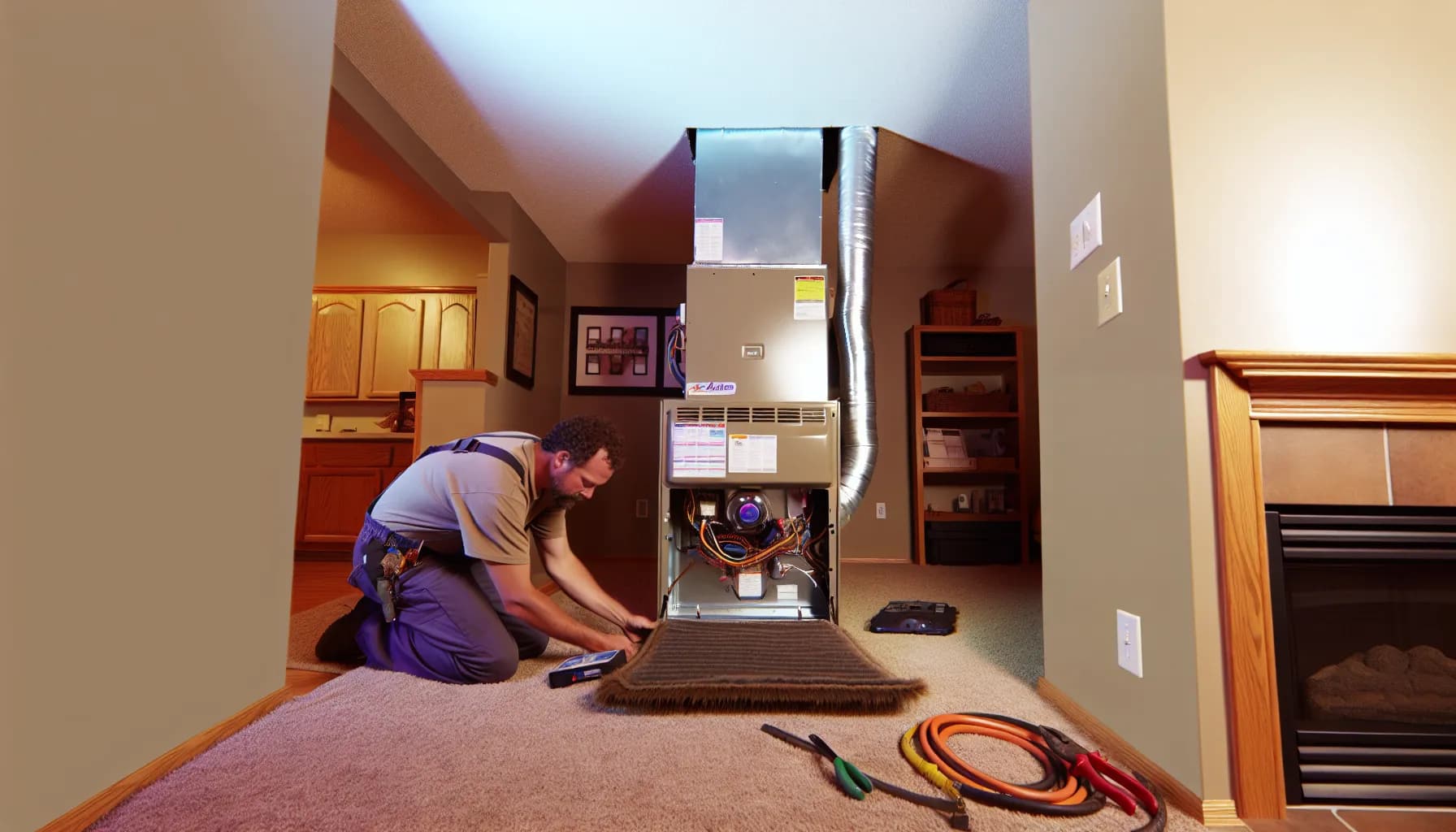
- Check the heat exchanger for cracks or corrosion
- Inspect and clean burners and ignition systems
- Verify proper venting and check for blockages
- Test for carbon monoxide emissions using specialized equipment
- Replace filters and lubricate moving parts as needed
In commercial buildings in Westminster and Northglenn, routine checks have prevented costly shutdowns and kept employees safe. For homeowners in Roxborough Park or Ken Caryl, regular servicing extends furnace lifespan and provides peace of mind.
Installing and Testing Carbon Monoxide Detectors
Colorado law requires carbon monoxide detectors in residential properties, particularly near sleeping areas and fuel-burning appliances. Here’s how to maximize their effectiveness:
- Install detectors on every level of your home, especially outside bedrooms
- Test detectors monthly and replace batteries twice a year
- Replace CO detectors every 5-7 years or according to manufacturer recommendations
- Consider interconnected detectors for larger homes or multi-unit properties
A homeowner in Erie avoided disaster when their CO alarm sounded in the middle of the night. Emergency services found a blocked vent pipe, quickly resolved by professional HVAC repair.
What to Do if You Suspect a CO Leak
- Immediately evacuate everyone from your home or building
- Call 911 or your local emergency services
- Do not re-enter the property until professionals confirm it is safe
- Once cleared, contact a licensed HVAC technician to inspect and repair your furnace
Remember, never try to diagnose or fix a suspected CO leak yourself. Trained professionals have the equipment and expertise to ensure your safety.
Why Carbon Monoxide Risks Are Higher in Colorado
Altitude Effects on Furnace Efficiency
Colorado’s high altitude has a direct impact on furnace operation. The air is thinner, which means there is less oxygen available for combustion. Furnaces not properly adjusted for altitude can burn fuel inefficiently, increasing the risk of producing excess carbon monoxide. That is why it is crucial to work with HVAC companies like Alloy Heating and Cooling, who understand the specific needs of Colorado homes and businesses in places like Castle Pines, Monument, and Palmer Lake.
Importance of Local Building Codes and Compliance
Colorado has strict building codes for venting, installation, and carbon monoxide detection. These regulations are designed to address the unique challenges of our climate and elevation. Whether you are building new in Broomfield or upgrading an older property in Sheridan, always ensure your HVAC contractor is licensed and familiar with local codes. This not only ensures safety but also protects your investment and may affect your insurance coverage.
At Alloy Heating and Cooling, we pride ourselves on up-to-date knowledge of Colorado’s codes and best practices. We have helped hundreds of homeowners and businesses across the Front Range navigate compliance, avoid legal issues, and, most importantly, stay safe.
In summary: Your furnace can cause carbon monoxide leaks if not properly maintained or installed, but with annual inspections, working detectors, and prompt action, you can protect your family, employees, and property. If you need expert furnace service anywhere from Denver to Boulder or beyond, Alloy Heating and Cooling is here to help with top-rated HVAC installation, repair, and maintenance.
Frequently Asked Questions
Can a furnace cause carbon monoxide poisoning?
Yes, a malfunctioning or improperly vented furnace can produce dangerous levels of carbon monoxide, leading to potential poisoning.
What are the symptoms of carbon monoxide exposure from a furnace?
Symptoms may include headaches, dizziness, nausea, confusion, and shortness of breath. Prolonged exposure can be fatal.
How often should I have my furnace inspected for safety?
It is recommended to have your furnace professionally inspected and serviced at least once a year, especially before the heating season.
Are carbon monoxide detectors required in Colorado homes?
Yes, Colorado law requires carbon monoxide detectors in residential properties near sleeping areas and fuel-burning appliances.
What should I do if my carbon monoxide detector goes off?
Immediately leave your home, call 911 or emergency services, and do not re-enter until professionals confirm it is safe.

Alloy HVAC Team
HVAC experts with years of experience in the industry. We share tips, insights, and the latest trends in heating, ventilation, and air conditioning to help you maintain optimal comfort in your home or business.