The Dangers of Carbon Monoxide from Furnaces and How to Stay Safe in Colorado
The Dangers of Carbon Monoxide from Furnaces and How to Stay Safe in Colorado
As the temperature drops across Colorado, furnaces fire up to keep homes and businesses warm. While a well-maintained furnace is essential for comfort during our cold winters, it can also pose a hidden danger: carbon monoxide (CO) leaks. Understanding the risks, recognizing the warning signs, and knowing how to keep your family, employees, and property safe from carbon monoxide is crucial in every community we serve, from Denver to Castle Rock, Boulder to Monument.
Understanding Carbon Monoxide in Furnaces
What Is Carbon Monoxide?
Carbon monoxide is an odorless, colorless, and tasteless gas produced when fuels like natural gas, propane, oil, or wood do not burn completely. Because you cannot detect it by smell or sight, CO is often called the “silent killer.” Even low levels of exposure can be dangerous, especially in enclosed spaces.
How Do Furnaces Produce Carbon Monoxide?
Most Colorado homes and businesses rely on gas or oil furnaces for heating. During normal operation, these systems safely vent combustion gases, including carbon monoxide, outside the building. However, if a furnace malfunctions or its venting system becomes blocked or damaged, carbon monoxide can escape into your indoor air. This risk increases with aging equipment, lack of maintenance, or improper installation.
Why Carbon Monoxide Is Dangerous
Carbon monoxide interferes with your body’s ability to transport oxygen through the bloodstream. Even short-term exposure at high concentrations can cause severe health problems or death. The real danger lies in its ability to accumulate without notice, especially at night when families are asleep and less likely to recognize symptoms.
Common Causes of Carbon Monoxide Leaks in Furnaces
Cracked Heat Exchangers
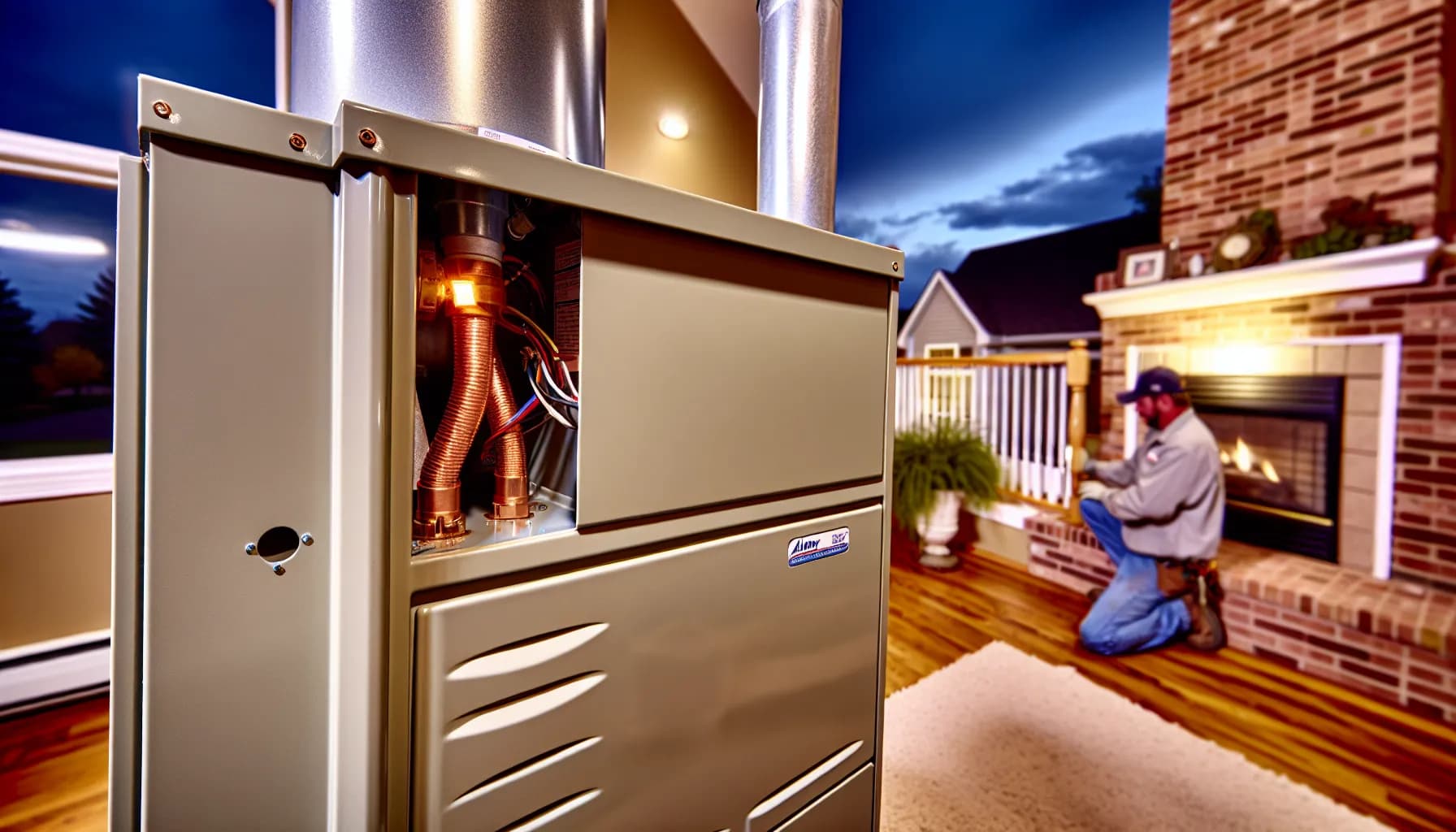
The heat exchanger is a critical component in a furnace, separating combustion gases from the air that circulates through your home. Over time, heat exchangers can crack due to metal fatigue, rust, or overheating. When this happens, carbon monoxide can mix with the air you breathe. For example, a Greenwood Village homeowner called Alloy Heating and Cooling after smelling something “off” whenever the furnace ran. Our technician discovered a cracked heat exchanger, which was allowing CO to seep into the home. Replacing the exchanger and performing a safety check resolved the issue and protected the family.
Poor Ventilation and Blocked Flues
Furnaces rely on venting systems to expel combustion gases safely outdoors. If the vent or flue becomes blocked by debris, nests, snow, or ice (a common problem in Colorado winters), exhaust gases can back up into your home or building. For instance, a small business in Aurora experienced headaches among staff after a heavy snowstorm. An inspection revealed snow had blocked the furnace flue, causing CO to leak inside. Clearing the vent and installing a flue cap prevented future blockages and ensured safe operation.
Improper Furnace Installation or Maintenance
Incorrect installation or skipped maintenance can leave your furnace vulnerable to leaks. Joints in the venting system may not be properly sealed, or critical safety mechanisms might be bypassed. In one recent case in Highlands Ranch, a new homeowner had a “DIY” furnace installed by the previous owner. Our team found several installation errors, including improper venting and missing safety shutoffs. After correcting these issues and performing a full CO test, the house was brought up to code and the new owners could breathe easy.
Symptoms and Signs of Carbon Monoxide Exposure
Physical Symptoms to Watch For
Carbon monoxide poisoning often mimics the flu, making it difficult to diagnose right away. Common symptoms include:
- Headache
- Dizziness or confusion
- Nausea or vomiting
- Fatigue or weakness
- Shortness of breath
- Chest pain
At higher exposure levels, symptoms can include blurred vision, loss of consciousness, or even death. Children, elderly individuals, and pets are especially sensitive to CO poisoning.
Signs of a Carbon Monoxide Leak in Your Home
In addition to physical symptoms, there may be clues in your home or building:
- Stale, stuffy, or burning odor (though CO itself is odorless, other furnace issues may co-occur)
- Yellow or flickering pilot light on gas appliances (should be steady and blue)
- Excess condensation on windows near the furnace
- Soot stains around the furnace or vents
- Unexplained illness among multiple people or pets
If you notice these signs, especially in combination with symptoms, act quickly to protect everyone inside.
How to Prevent Carbon Monoxide from Furnaces in Colorado
Regular Furnace Inspections and Maintenance
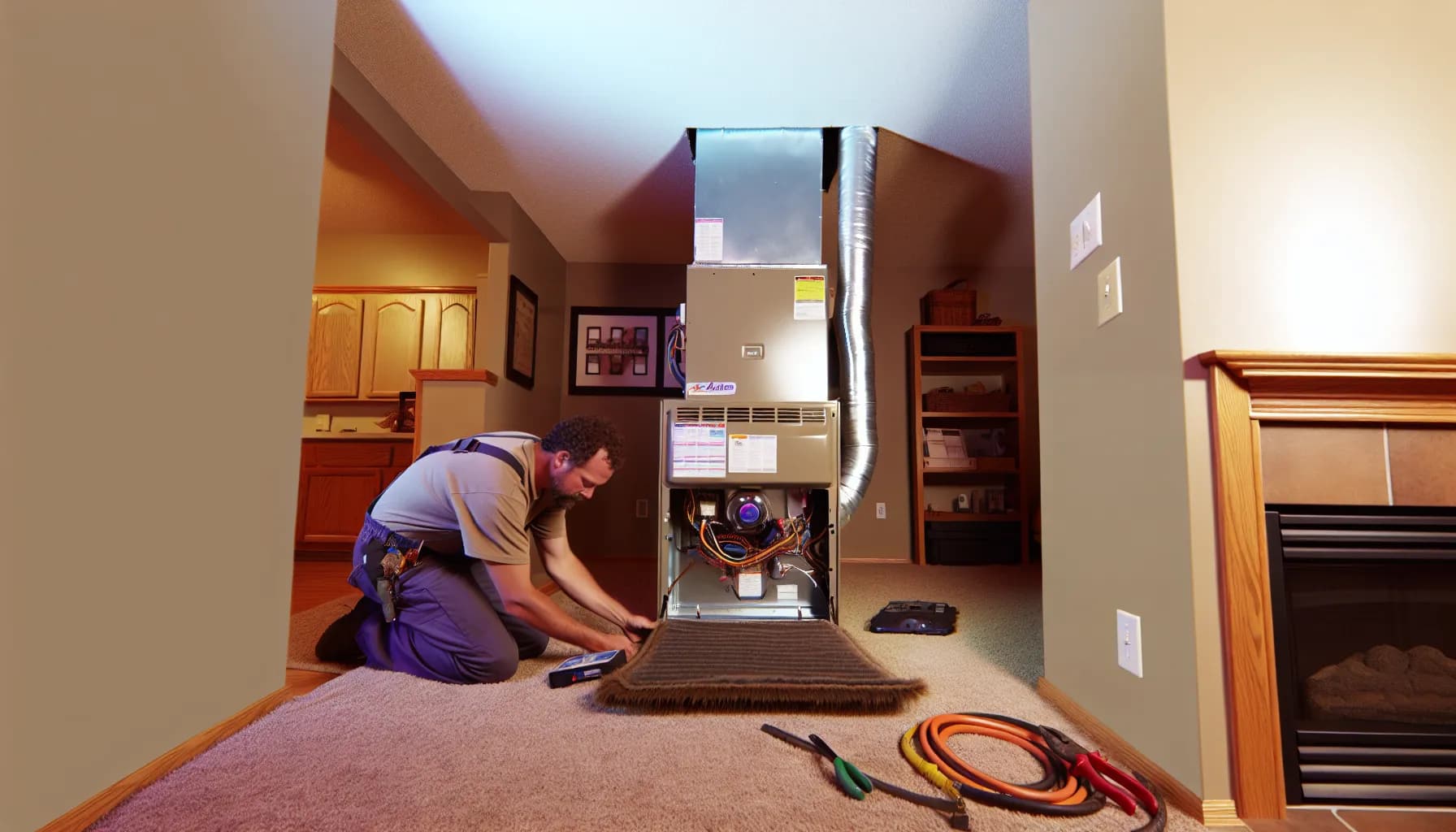
Professional furnace maintenance is the single most important step you can take to prevent carbon monoxide hazards. At Alloy Heating and Cooling, we recommend annual inspections before the heating season begins. Our certified technicians check for:
- Cracks or corrosion in the heat exchanger
- Proper venting and airflow
- Tightness of gas connections and safety controls
- Signs of wear or improper combustion
Routine tune-ups help catch small issues before they become dangerous and ensure your system operates at peak efficiency. If your furnace is over 15 years old, consider upgrading to a newer, safer, and more efficient model.
Installing Carbon Monoxide Detectors
Colorado law requires carbon monoxide detectors to be installed near all sleeping areas in homes with fuel-burning appliances or attached garages. These devices provide an early warning if CO levels rise to dangerous levels. Always test detectors monthly and replace batteries at least once a year. Replace the entire detector every 5 to 7 years, or as specified by the manufacturer.
For commercial properties, detectors should be installed according to building codes and local regulations. Alloy Heating and Cooling can recommend and install CO detectors that meet your specific needs, whether for a single-family home in Parker or a multi-tenant office in Denver.
Ensuring Proper Ventilation
Good airflow is essential for safe furnace operation. Make sure that:
- Vents and flues are free of blockages from snow, leaves, or animal nests
- Combustion air supply is adequate and not restricted by closed doors or insulation
- All vent pipes are properly installed, secured, and sloped upward to the outside
After a major storm or heavy snowfall, check your exterior vent pipes. If you are not sure where these are located or what to look for, Alloy Heating and Cooling can help with a full safety inspection.
What to Do If You Suspect Carbon Monoxide in Your Furnace
Immediate Steps to Take
If your carbon monoxide detector goes off or you suspect a leak because of symptoms or visible signs:
- Evacuate everyone from the building immediately, including pets.
- Call 911 from outside or a neighbor’s location. Do not re-enter the building until it has been declared safe.
- If you can do so safely, open windows and doors on your way out to help ventilate the space.
Remember, carbon monoxide exposure can quickly become fatal. Never ignore a CO alarm or try to “tough it out.” Emergency personnel are trained to assess and ventilate your home or business safely.
When to Call a Professional
Once the immediate danger has passed and emergency services have resolved the situation, contact a certified HVAC professional like Alloy Heating and Cooling. We will perform a detailed inspection to find the source of the leak, repair or replace faulty components, and verify that your system is operating safely before you return. In many cases, issues can be corrected with repairs, but older or severely damaged furnaces may need to be replaced.
We have helped hundreds of Colorado families and business owners recover from CO incidents, from Highlands Ranch to Lakewood and beyond. Our team provides not only repairs, but also education and recommendations to prevent future problems. Safety is our top priority, every time.
Conclusion
Carbon monoxide from furnaces is a real and potentially deadly threat in Colorado’s cold climate. The good news is that most CO hazards can be prevented with regular maintenance, proper installation, reliable CO detectors, and prompt response to warning signs. Whether you own a home in Littleton or run a business in Boulder, taking these steps will protect your loved ones, employees, and property for years to come.
If you have questions about carbon monoxide safety, furnace maintenance, or want to schedule an inspection, contact Alloy Heating and Cooling. Our experienced technicians proudly serve communities across the Front Range and beyond, bringing peace of mind to every home and business we visit.
Frequently Asked Questions
How does carbon monoxide get into my home from my furnace?
Carbon monoxide can enter your home if your furnace has a cracked heat exchanger, blocked vent, or is improperly installed or maintained, allowing the gas to leak into your living space.
What are the symptoms of carbon monoxide poisoning from a furnace?
Common symptoms include headache, dizziness, nausea, shortness of breath, confusion, and flu-like symptoms. High levels can cause unconsciousness or death.
How often should I have my furnace inspected for carbon monoxide safety?
It is recommended to have your furnace professionally inspected and serviced at least once a year, especially before the heating season begins.
Are carbon monoxide detectors required in Colorado homes?
Yes, Colorado law requires carbon monoxide detectors to be installed near bedrooms in homes that use fuel-burning appliances like furnaces.
What should I do if my carbon monoxide detector goes off?
Leave the building immediately, call 911, and do not re-enter until it has been declared safe by emergency personnel.

Alloy HVAC Team
HVAC experts with years of experience in the industry. We share tips, insights, and the latest trends in heating, ventilation, and air conditioning to help you maintain optimal comfort in your home or business.