Is Carbon Monoxide from Your Furnace a Risk? Safety Tips for Colorado Homeowners
Is Carbon Monoxide from Your Furnace a Risk? Safety Tips for Colorado Homeowners
As temperatures drop across Colorado, furnaces become essential for keeping homes and businesses comfortable. However, with this comfort comes a hidden risk: carbon monoxide (CO). At Alloy Heating and Cooling, we want to help you understand the dangers, spot the warning signs, and keep your family or employees safe, no matter where you live, from Greenwood Village to Boulder and beyond.
Understanding Carbon Monoxide in Furnaces
What is Carbon Monoxide?
Carbon monoxide is a colorless, odorless, and tasteless gas. It is produced when fuels like natural gas, propane, oil, or wood do not burn completely. Because you cannot see or smell it, CO is often called the “silent killer.” Even low levels of exposure can pose serious health risks over time.
How Do Furnaces Produce Carbon Monoxide?
Furnaces burn fuel to generate heat. If the combustion process inside your furnace is incomplete, due to a malfunction, dirty burner, or restricted airflow, carbon monoxide can build up. Cracked heat exchangers, blocked flues, or improperly installed venting systems are common culprits in Colorado homes and small businesses. For example, a family in Littleton recently experienced headaches and fatigue, only to discover their decades-old furnace had a cracked heat exchanger leaking CO into their home.
Why Colorado Homeowners Should Be Concerned
Colorado’s colder climate means furnaces run for long periods, increasing the risk of CO buildup. Additionally, homes here are often tightly sealed for energy efficiency, which can reduce natural ventilation and allow CO to accumulate more quickly. With many homes relying on gas or oil heat, vigilance is key for safety.
Signs of Carbon Monoxide in Your Furnace
Common Symptoms of Carbon Monoxide Exposure
Early symptoms of CO poisoning can mimic the flu: headaches, dizziness, nausea, confusion, and weakness. If several people in your home or workplace feel unwell at the same time, especially when the furnace is running, carbon monoxide could be the cause.
Physical Signs in Your Home
There are physical clues you can watch for, such as:
- Soot or streaks around furnace or venting
- Excess moisture on windows near the furnace
- Rusting on vent pipes
- Yellow or orange burner flame (instead of steady blue)
- Pilot light frequently blowing out
In a recent call to Alloy Heating and Cooling from a homeowner in Highlands Ranch, our technician found soot build-up and a yellow flame, both clear signs of a CO issue caused by a blocked vent.
How to Detect CO Leaks from Your Furnace
The most reliable way to detect carbon monoxide is with a CO detector. These devices sound an alarm if dangerous levels are present. Place detectors near bedrooms and on each floor of your home. Regular testing and battery replacement are critical. Professional HVAC inspections can also identify hidden risks before they become emergencies.
Preventing Carbon Monoxide Risks in Your Home
Importance of Regular Furnace Maintenance
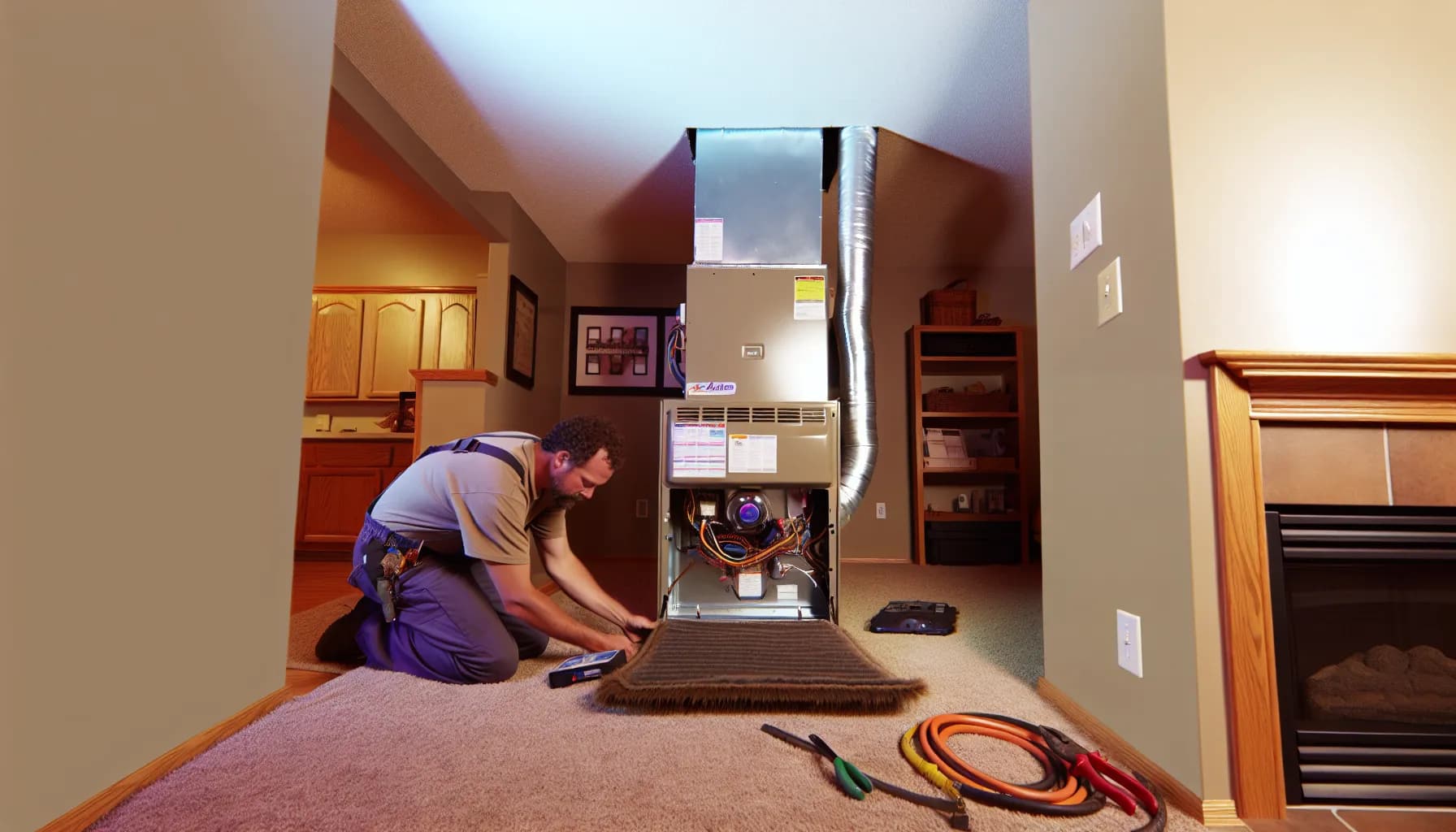
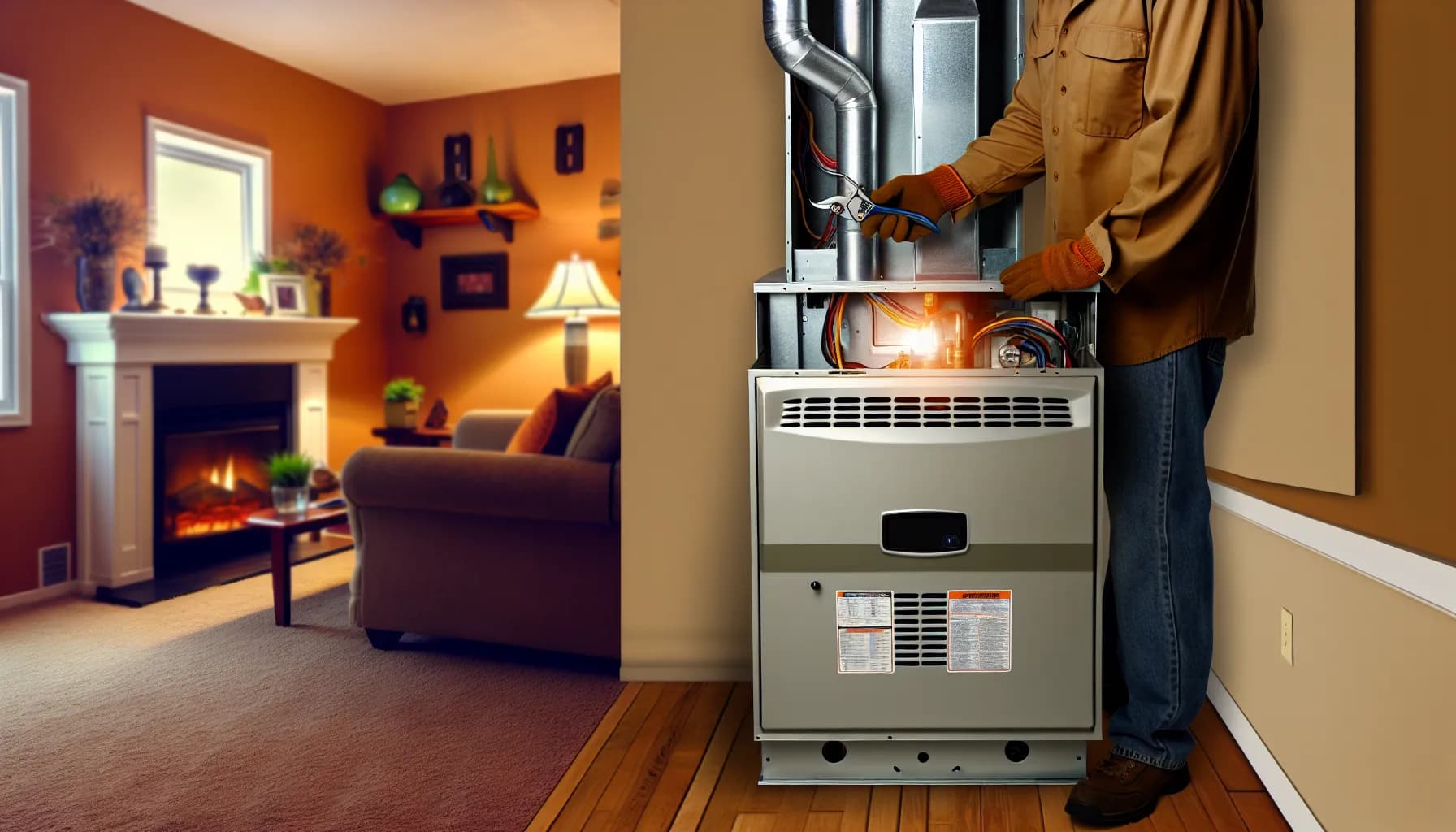
Annual furnace inspections by a qualified HVAC professional are your first line of defense. During a tune-up, technicians clean components, check burners, inspect heat exchangers, and ensure venting is clear and secure. For instance, in a recent Englewood service call, our team found a small crack in a customer’s heat exchanger before it could turn into a major hazard.
Installing and Maintaining CO Detectors
Colorado law requires CO detectors within 15 feet of sleeping areas in most homes with fuel-burning appliances. Choose detectors tested to the latest safety standards, and replace them every 5-7 years. Test alarms monthly and replace batteries twice a year. For businesses, integrated alarm systems can provide extra protection.
Ventilation Tips for Colorado Homes
Proper ventilation is key. Make sure vents and chimneys are clear of snow, ice, nests, or debris. Never block air intake or exhaust vents. In older homes, consider having venting systems upgraded to current safety codes. When remodeling, always consult with a licensed HVAC contractor to avoid accidentally sealing off important airflow.
What to Do If You Suspect Carbon Monoxide from Your Furnace
Immediate Actions to Take
If your CO detector sounds or you suspect a leak, act quickly:
- Evacuate everyone, including pets, immediately
- Call 911 from outside or a safe location
- Do not re-enter until authorities say it is safe
Quick action can save lives. One Centennial family called us after their alarm went off. They waited outside until firefighters arrived and later learned their vent was blocked by a bird’s nest.
When to Call for Professional Help
After emergency responders clear your home, contact Alloy Heating and Cooling or your trusted HVAC provider for a complete inspection and repair. Do not use your furnace again until it has been checked and cleared for safe operation.
Protecting Your Family and Pets
Regular HVAC maintenance, CO detectors, and education are your best defenses. Make sure everyone in your home knows the signs of CO exposure and how to respond to an alarm. Do not ignore symptoms or warning signals from your equipment.
Choosing a Safe and Efficient Furnace
Modern Furnace Safety Features
Today’s high-efficiency furnaces include advanced safety features such as sealed combustion, automatic shut-off sensors, and improved venting design. These reduce the risk of CO leaks and offer peace of mind. When replacing aging equipment, ask about these features.
Questions to Ask Your HVAC Technician
- Does my current furnace have any signs of CO risk?
- Is my venting system up to current safety codes?
- How often should I schedule maintenance based on my furnace model and usage?
An informed homeowner is a safer homeowner. When Alloy Heating and Cooling installs or services your furnace, we answer all your questions and make sure you understand your system.
Energy Efficiency and CO Emissions
Choosing a high-efficiency furnace not only saves on utility bills but also burns fuel more completely, producing less carbon monoxide. Modern equipment is a smart investment for both safety and savings.
Stay safe this winter. Schedule your annual furnace inspection with Alloy Heating and Cooling and ask about upgrading your CO detection system for ultimate peace of mind.
Frequently Asked Questions
How does carbon monoxide get into my furnace?
Carbon monoxide can be produced by incomplete combustion in your furnace, often due to poor maintenance, blocked vents, or malfunctioning components.
What are the warning signs of carbon monoxide exposure in my home?
Warning signs include headaches, dizziness, nausea, confusion, and flu-like symptoms. You may also notice soot around furnace vents or a yellow burner flame instead of blue.
How often should I have my furnace inspected for carbon monoxide risks?
Experts recommend having your furnace professionally inspected and serviced at least once a year, ideally before the heating season begins.
Are carbon monoxide detectors required in Colorado homes?
Yes, Colorado law requires carbon monoxide detectors to be installed within 15 feet of bedrooms in most homes, especially those with fuel-burning appliances.
What should I do if my carbon monoxide detector goes off?
Immediately evacuate everyone from the house, call 911, and do not re-enter until professionals determine it is safe.

Alloy HVAC Team
HVAC experts with years of experience in the industry. We share tips, insights, and the latest trends in heating, ventilation, and air conditioning to help you maintain optimal comfort in your home or business.