The Dangers of Carbon Monoxide from Furnaces in Colorado Homes: What Every Homeowner Should Know
The Dangers of Carbon Monoxide from Furnaces in Colorado Homes: What Every Homeowner Should Know
Colorado homeowners know how important a reliable furnace is during the long, cold winters. However, with the comfort of a warm home comes a hidden danger: carbon monoxide (CO). At Alloy Heating and Cooling, we have seen firsthand how carbon monoxide leaks from furnaces can put families at risk. Understanding how CO is produced, how it enters homes, and how to prevent exposure can help keep you, your loved ones, and your property safe.
Understanding Carbon Monoxide in Furnaces
What is Carbon Monoxide?
Carbon monoxide is a colorless, odorless, tasteless gas created by burning fuels such as natural gas, propane, oil, or wood. Because it is invisible and has no scent, CO can go undetected until it reaches dangerous levels. This is why it is often called the “silent killer.” Exposure to high concentrations can cause serious health issues and even be fatal.
How Furnaces Produce Carbon Monoxide
Most furnaces in Colorado homes use combustion to generate heat. When natural gas or another fuel burns, it generates heat, water vapor, carbon dioxide, and a small amount of carbon monoxide. A well-maintained furnace safely vents CO outside. However, if the furnace is malfunctioning or its exhaust system is blocked, carbon monoxide can accumulate inside your home.
For example, we once assisted a family in Highlands Ranch who noticed their carbon monoxide detector alarming. Upon inspection, we found a malfunctioning vent pipe that was allowing CO to seep back into the basement. Luckily, their detector alerted them before anyone became seriously ill.
Why Colorado Homes Are at Risk
Colorado’s colder climate means furnaces run for many months of the year. Homes are often sealed tightly to conserve heat, which improves energy efficiency but can also trap gases indoors. High altitudes can also affect combustion efficiency, sometimes leading to incomplete fuel burning and greater CO production. Combined, these factors make it especially important for Colorado homeowners to be vigilant about carbon monoxide safety.
Common Causes of Carbon Monoxide Leaks in Furnaces
Cracked Heat Exchangers
The heat exchanger is a critical furnace component separating combustion gases from the air blown through your home. If this metal part cracks, carbon monoxide and other combustion byproducts can leak into the air supply. Cracks can develop due to age, metal fatigue, or overheating. In one home in Parker, we found a 20-year-old furnace with a cracked heat exchanger after the owner complained of headaches and fatigue during winter. Replacing the heat exchanger and upgrading the furnace resolved the issue and improved indoor air quality.
Blocked or Improperly Vented Chimneys
Chimneys and vent pipes carry combustion gases from your furnace outside. Obstructions, such as bird nests, debris, or ice, can block the flow, causing gases to back up into the home. Improperly installed or damaged vent systems can also cause leaks. We have seen this several times in older homes around Denver and Lakewood, where older venting systems may not meet current safety standards. Regular inspections help prevent these issues.
Poor Furnace Maintenance
Neglecting routine furnace maintenance can lead to a wide range of problems, including dirty burners, worn seals, or misaligned components. Even minor issues can reduce combustion efficiency and increase CO production. Annual inspections can reveal and correct these issues before they become dangerous.
Health Risks Associated with Carbon Monoxide Exposure
Short-term and Long-term Effects
Carbon monoxide interferes with your body’s ability to carry oxygen in the blood. Even at low concentrations, exposure can cause headaches, dizziness, nausea, and confusion. Higher concentrations or prolonged exposure can lead to unconsciousness, organ damage, or death.
Long-term exposure, even at low levels, may cause memory problems, mood changes, and heart issues. Children and pets are often affected first because they breathe more rapidly and are closer to the ground, where CO can accumulate.
Symptoms of Carbon Monoxide Poisoning
- Headaches
- Dizziness or lightheadedness
- Nausea and vomiting
- Shortness of breath
- Confusion or difficulty concentrating
- Loss of consciousness
These symptoms can resemble the flu, making it easy to overlook the real cause. If multiple people in your household experience these symptoms at the same time, especially during the heating season, carbon monoxide exposure should be suspected.
Vulnerable Populations in Colorado
Certain groups are at higher risk from CO poisoning, including young children, the elderly, people with heart or respiratory conditions, and pets. Colorado’s large population of outdoor enthusiasts and people living at high altitudes may also be more vulnerable due to increased oxygen demands and thinner air.
Prevention and Detection of Carbon Monoxide in Your Furnace
Importance of Regular Furnace Maintenance
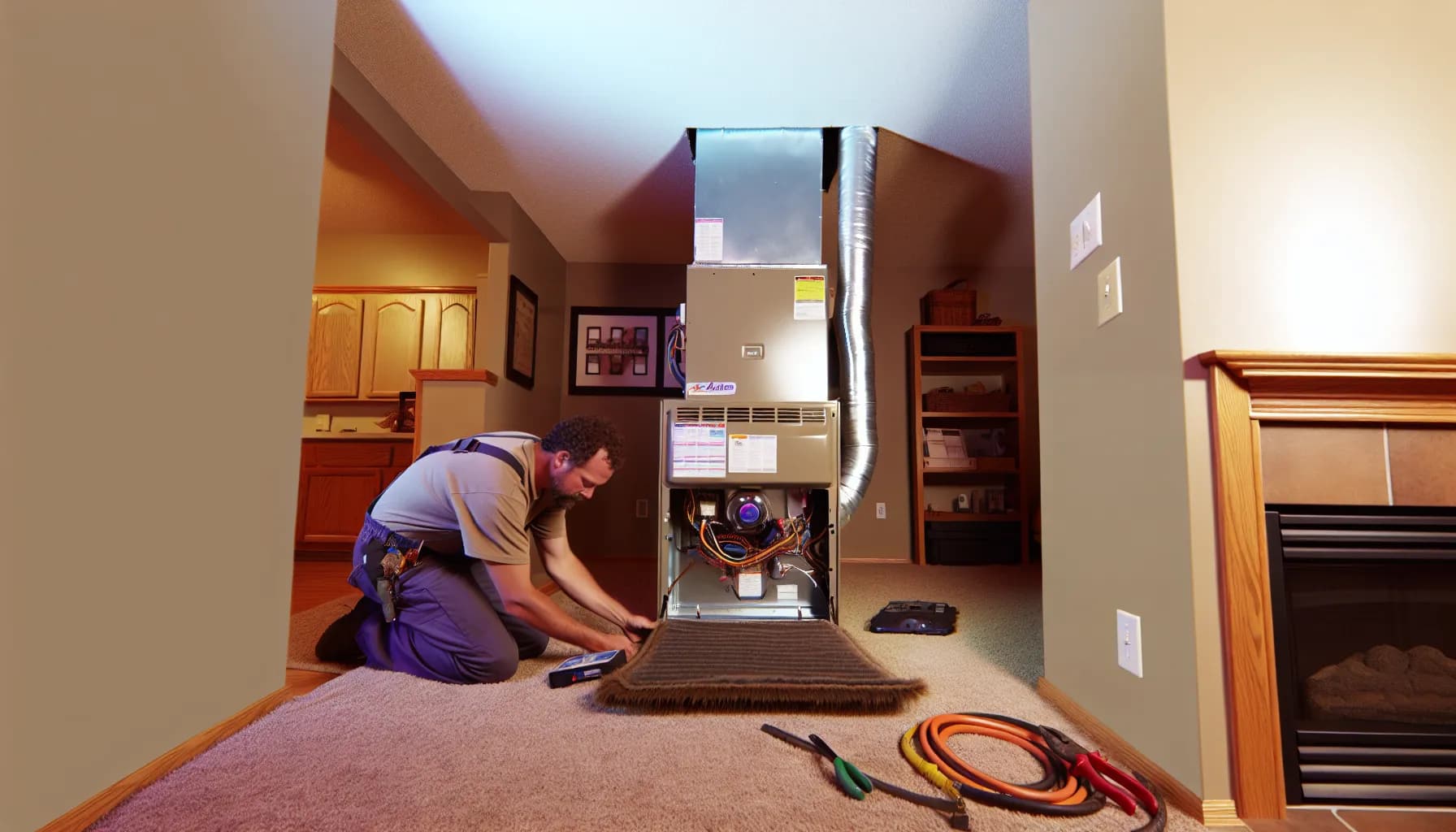
The best way to prevent carbon monoxide leaks is with regular furnace maintenance. A certified HVAC technician will inspect key components like the heat exchanger, burners, and venting system, checking for cracks, blockages, and other hazards. They also ensure your system is operating efficiently and safely, reducing the risk of CO buildup.
At Alloy Heating and Cooling, we recommend scheduling a maintenance visit every fall before the heating season begins. We have helped countless families in Arvada, Centennial, and Castle Pines identify and correct small issues before they become dangerous.
Installing and Testing Carbon Monoxide Detectors
Even with a well-maintained furnace, it is essential to install carbon monoxide detectors in your home. Place them near sleeping areas, in the basement, and on each level of the house for maximum protection. Test detectors monthly and replace batteries every six months. We often find in homes from Aurora to Boulder that detectors are either missing, expired, or not installed in the right locations. Remember to replace detectors every 5, 7 years, as recommended by the manufacturer.
What to Do if You Suspect a Leak
If your carbon monoxide detector alarms or you suspect a leak:
- Immediately evacuate everyone from the house, including pets.
- Call 911 or your local fire department from outside.
- Do not re-enter the home until professionals declare it safe.
- Once safe, contact a qualified HVAC technician to inspect and repair your furnace.
Never ignore a carbon monoxide alarm, even if you feel fine. In one real-world example, a family in Northglenn called us after their alarm went off. Our team found a partially blocked flue that was quickly fixed, preventing a potential tragedy.
Legal Requirements and Safety Tips for Colorado Homeowners
Colorado State Laws on Carbon Monoxide Detectors
Colorado law requires carbon monoxide detectors to be installed within 15 feet of every sleeping area in homes that have fuel-burning appliances or an attached garage. When selling, renting, or renovating a home, compliance is mandatory. Failure to comply can result in fines and liability if someone is harmed due to a CO leak.
Hiring Certified HVAC Professionals
Always choose a certified, experienced HVAC contractor for furnace installation, maintenance, and repair. Licensed professionals follow safety guidelines and use specialized equipment to detect and fix carbon monoxide hazards. At Alloy Heating and Cooling, our technicians are certified and familiar with the unique needs of Colorado homes, from Greenwood Village to Roxborough Park.
Seasonal Safety Checklists
Maintaining a safe home requires regular attention. Use this seasonal checklist to reduce your risk:
- Schedule annual furnace inspections before winter begins.
- Check and replace carbon monoxide detector batteries every six months.
- Ensure vents and chimneys are clear of debris, nests, or snow.
- Keep the area around your furnace clean and unobstructed.
- Review household emergency evacuation procedures with family members.
By following these steps, you can keep your Colorado home safe and comfortable all season long.
Conclusion
Carbon monoxide is a real threat in Colorado homes, especially during the heating season. By understanding the risks, maintaining your furnace, installing CO detectors, and following state laws, you can protect your family and property. If you have concerns about your furnace or want to schedule a safety inspection, contact Alloy Heating and Cooling. We proudly serve homeowners and businesses across the Front Range, providing peace of mind and expert HVAC care.
Frequently Asked Questions
How does carbon monoxide get into my home from the furnace?
Carbon monoxide can enter your home if your furnace has a cracked heat exchanger, poor ventilation, or if it is not properly maintained. These issues allow the gas to escape from the furnace into your living space.
What are the signs of carbon monoxide poisoning from a furnace?
Common symptoms include headaches, dizziness, nausea, confusion, and flu-like symptoms. If several household members experience these symptoms simultaneously, it may indicate carbon monoxide exposure.
How often should I have my furnace inspected for carbon monoxide leaks?
Experts recommend having your furnace professionally inspected and serviced at least once a year, especially before the heating season begins.
Are carbon monoxide detectors required in Colorado homes?
Yes, Colorado law requires carbon monoxide detectors to be installed near sleeping areas in homes with fuel-burning appliances, including furnaces.
What should I do if my carbon monoxide detector goes off?
Immediately leave your home, call emergency services, and do not re-enter until professionals have confirmed it is safe. Do not ignore an alarm, as it could indicate a serious leak.

Alloy HVAC Team
HVAC experts with years of experience in the industry. We share tips, insights, and the latest trends in heating, ventilation, and air conditioning to help you maintain optimal comfort in your home or business.