Furnace and Carbon Monoxide: How to Keep Your Colorado Home Safe
Furnace and Carbon Monoxide: How to Keep Your Colorado Home Safe
Understanding the Relationship Between Your Furnace and Carbon Monoxide
What is Carbon Monoxide?
Carbon monoxide (CO) is a colorless, odorless, and tasteless gas that is highly poisonous. It is produced when fuels like natural gas, propane, or oil burn incompletely. Since you cannot see or smell it, carbon monoxide is often called the “silent killer.” This is why every homeowner in Colorado needs to understand the risks associated with carbon monoxide, especially during the colder months when furnaces are running.
How Furnaces Produce Carbon Monoxide
Most furnaces in Colorado burn natural gas or propane to generate heat. If the furnace is working properly, combustion gases, including carbon monoxide, are safely vented outdoors. However, if there is a malfunction, such as a crack in the heat exchanger or blocked venting, carbon monoxide can escape into your home. Even a small leak can quickly become dangerous.
Why Colorado Homes Are at Risk
Colorado homes are particularly vulnerable to carbon monoxide exposure during the winter. With windows and doors tightly closed to keep out the cold, any buildup of carbon monoxide in the home can become concentrated. Many homes in areas like Highlands Ranch, Lakewood, and Castle Rock rely on older furnace systems that may not have been recently inspected, increasing the risk of a hidden CO leak. High altitude can also impact appliance combustion, making routine checks even more crucial.
Common Causes of Carbon Monoxide Leaks from Furnaces
Cracked Heat Exchangers
The heat exchanger is the part of your furnace that separates combustion gases from the air that circulates through your home. Over time, metal fatigue or corrosion can create cracks in the heat exchanger. Once this happens, carbon monoxide can leak into your home’s air supply. In our service area, we have seen many cases in older homes where a simple inspection revealed cracks that homeowners never suspected.
Blocked Vents and Chimneys
Furnaces rely on vents and chimneys to safely channel combustion gases outside. Birds’ nests, snow, leaves, or debris can block these vents, causing gases to back up into your home. In neighborhoods like Evergreen and Morrison, where homes are surrounded by trees, vent blockages are a common wintertime issue. Regularly checking and clearing these vents is essential for safety.
Improper Furnace Installation
If a furnace is not installed correctly, or if venting is not properly configured, carbon monoxide can leak. This is especially a concern in remodels or room additions, where venting may have been altered. At Alloy Heating and Cooling, we often encounter homes in Denver and Aurora where previous DIY installations did not meet safety codes, putting families at risk.
How to Prevent Carbon Monoxide Exposure from Your Furnace
Regular Furnace Maintenance
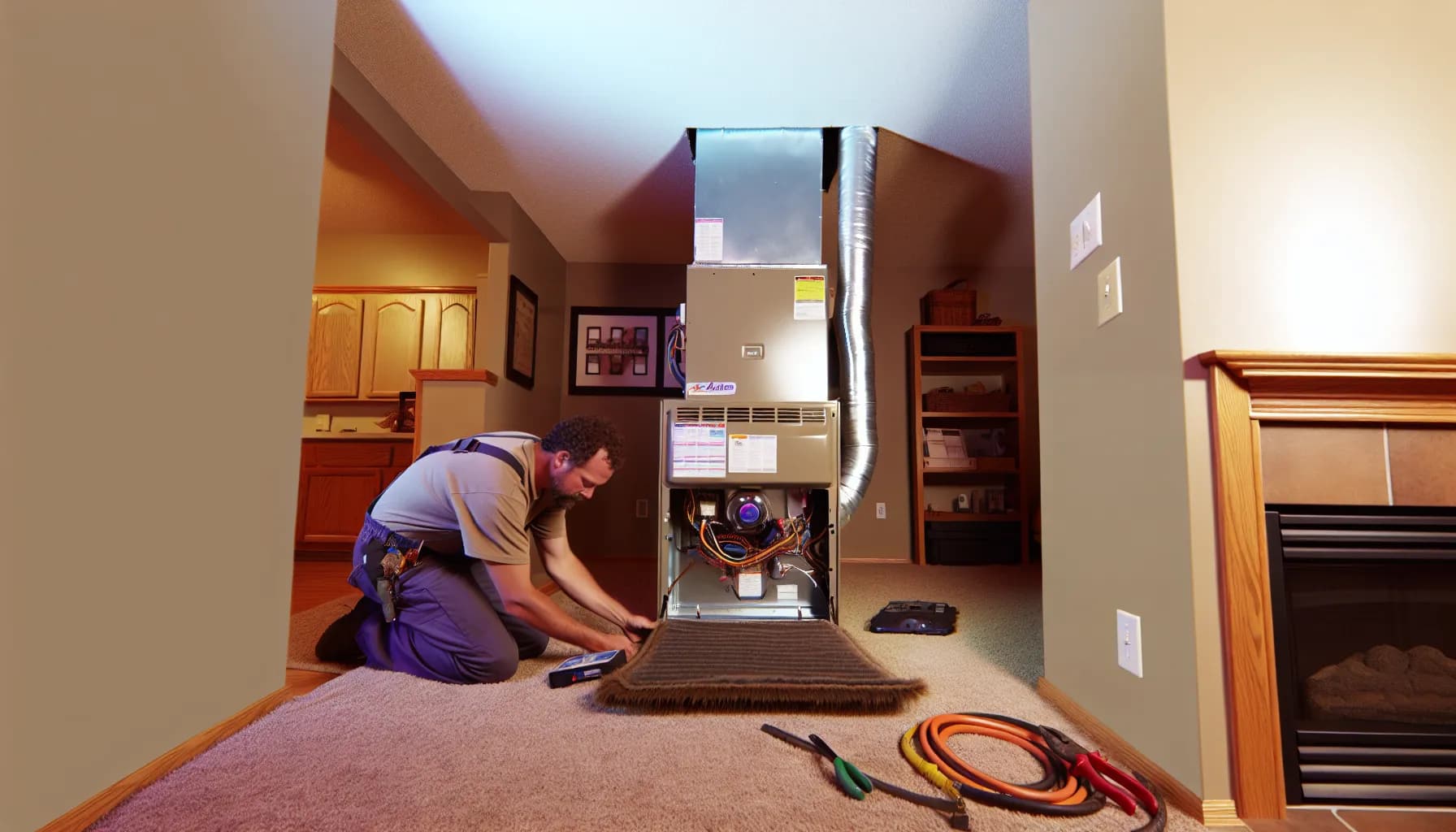
Annual professional furnace maintenance is the best way to prevent carbon monoxide problems. During a maintenance visit, technicians inspect the heat exchanger, test for CO leaks, check venting, and ensure the system is operating safely. Real-world example: A Centennial homeowner scheduled a routine tune-up and our technician discovered a small crack in the heat exchanger. The problem was fixed before it could become dangerous.
Installing Carbon Monoxide Detectors
Every home should have carbon monoxide detectors installed on each level, especially near sleeping areas and the furnace room. These detectors provide an early warning if CO is present. Be sure to test detectors monthly and replace batteries as needed. In commercial spaces or rental properties, detectors are not just a recommendation, but a legal requirement in Colorado.
Ensuring Proper Ventilation
Make sure your furnace and all fuel-burning appliances are properly vented to the outdoors. Avoid blocking air intake or exhaust vents with furniture, boxes, or snow. After heavy snowfalls, check exterior vents to ensure they are clear. Good ventilation is especially important in tightly sealed energy-efficient homes found in neighborhoods like Lone Tree and Highlands Ranch.
What to Do if You Suspect a Carbon Monoxide Leak
Recognizing Symptoms of Carbon Monoxide Poisoning
Common symptoms include headaches, dizziness, nausea, confusion, and shortness of breath. These can be mistaken for the flu, but if several people in the home experience symptoms at the same time, carbon monoxide is a likely culprit.
Immediate Steps to Take
If your carbon monoxide detector goes off, or if you suspect a leak, leave your home immediately. Get everyone, including pets, to fresh air as quickly as possible. Do not try to locate the source of the leak yourself.
When to Call Emergency Services
Once you are safely outside, call 911. Emergency responders have equipment to measure CO levels and can ensure your home is safe before you return. Do not re-enter your home until professionals have resolved the issue.
Colorado Regulations and Recommendations for Furnace Safety
State Laws on Carbon Monoxide Detectors
Colorado law requires carbon monoxide detectors in all newly constructed homes and rental properties. Detectors must be installed within 15 feet of every sleeping area. This applies to all cities and neighborhoods we serve, from Boulder to Parker to Monument.
Recommended Inspection Schedules
The Colorado Department of Public Health & Environment recommends annual inspections for all fuel-burning appliances. Schedule your furnace tune-up every fall before the heating season starts. For businesses and commercial properties, consider more frequent checks depending on building usage and occupancy.
Frequently Asked Questions
How does a furnace cause carbon monoxide in my home?
A furnace can produce carbon monoxide if it is malfunctioning, improperly installed, or not venting correctly. Cracked heat exchangers or blocked vents can allow this dangerous gas to enter your living spaces.
What are the signs of carbon monoxide poisoning?
Symptoms include headache, dizziness, nausea, confusion, and shortness of breath. If you notice these symptoms, especially in multiple people at once, seek fresh air and emergency help immediately.
How often should I have my furnace inspected in Colorado?
It is recommended to have your furnace professionally inspected at least once a year, ideally before the heating season begins.
Where should I install carbon monoxide detectors in my home?
Install carbon monoxide detectors on every level of your home, especially near sleeping areas and close to your furnace or utility room.
What should I do if my carbon monoxide detector goes off?
Leave your home immediately, call 911, and do not re-enter until professionals have declared it safe.

Alloy HVAC Team
HVAC experts with years of experience in the industry. We share tips, insights, and the latest trends in heating, ventilation, and air conditioning to help you maintain optimal comfort in your home or business.