Carbon Monoxide and Your Furnace: What Colorado Homeowners Need to Know
Carbon Monoxide and Your Furnace: What Colorado Homeowners Need to Know
Colorado’s cold winters make reliable home heating a necessity. However, many homeowners do not realize that gas and oil furnaces can pose a serious safety risk if not properly maintained: carbon monoxide (CO). As HVAC experts serving Greenwood Village, Englewood, Littleton, and beyond, Alloy Heating and Cooling wants you to understand how carbon monoxide can impact your home, how to spot potential danger, and what steps to take to keep your family safe.
Understanding Carbon Monoxide in Furnaces
What is Carbon Monoxide?
Carbon monoxide is a colorless, odorless gas produced whenever fuels like natural gas, propane, oil, or wood are burned. Unlike natural gas, carbon monoxide cannot be detected by smell or sight, making it especially dangerous. Breathing in CO prevents your body from getting the oxygen it needs, which can lead to illness or even death.
How Furnaces Can Produce Carbon Monoxide
Most furnaces in Colorado homes use natural gas or propane. When these fuels burn correctly, they produce heat, water vapor, and carbon dioxide. However, if combustion is incomplete, due to poor airflow, mechanical failure, or a dirty burner, CO can be created and released into your home.
Why Colorado Homes Are at Risk
Colorado homes are often tightly sealed for energy efficiency, especially in newer construction or after weatherization upgrades. While this helps keep your home warm, it can also prevent dangerous gases from escaping. Elevation also plays a role; higher altitudes affect how appliances burn fuel, sometimes increasing the risk of incomplete combustion and CO production.
Common Causes of Carbon Monoxide Leaks in Furnaces
Cracked Heat Exchangers
The heat exchanger is a key component that separates combustion gases from the air that circulates through your home. Over time, heat exchangers can crack due to age, corrosion, or metal fatigue. When this happens, exhaust gases, including carbon monoxide, can leak into your home’s air supply. For example, a Littleton homeowner recently noticed her family experiencing headaches and sleepiness. A professional inspection revealed a cracked heat exchanger in their 18-year-old furnace, which had been silently leaking CO.
Blocked or Improper Ventilation
Your furnace exhausts combustion gases through a vent or flue. If this pathway becomes blocked by debris, animal nests, snow, or ice, as sometimes happens in Englewood or Parker, a dangerous backup can occur. Improperly installed or damaged vent pipes can also cause gases to spill into living spaces. We have seen older homes in Denver with venting that does not meet modern code, increasing CO risks.
Poor Furnace Maintenance
Neglected furnaces are far more likely to develop CO problems. Dirty burners, clogged filters, or misaligned components can cause your furnace to burn fuel inefficiently, leading to excess carbon monoxide. Routine maintenance helps identify these issues before they become hazardous.
Warning Signs of Carbon Monoxide in Your Home
Symptoms of Carbon Monoxide Exposure
Because CO is invisible and odorless, the first warning signs may be physical symptoms. These can include:
- Headaches
- Dizziness
- Nausea or vomiting
- Fatigue or confusion
- Shortness of breath
Symptoms often improve when you leave the house, then worsen when you return. In severe cases, CO poisoning can cause loss of consciousness or death. If multiple family members or pets experience these symptoms, carbon monoxide should be suspected.
Physical Signs Near Your Furnace
There are also visible clues that something may be wrong with your furnace:
- Yellow or flickering burner flame (should be steady blue)
- Soot streaks or buildup around your furnace or vent
- Increased condensation on windows near the furnace
- Rust on flue pipes
A Highlands Ranch homeowner recently called us after noticing soot around her furnace and a yellow flame. We found a partially blocked flue, which was corrected before CO reached dangerous levels.
How to Test for Carbon Monoxide
The most reliable way to detect CO is with a carbon monoxide detector. These devices sound an alarm when CO levels become unsafe. For extra safety, you can have your HVAC professional use a combustion analyzer during furnace maintenance to check for CO leaks directly from the appliance.
How to Prevent Carbon Monoxide Leaks from Your Furnace
Routine Furnace Inspections
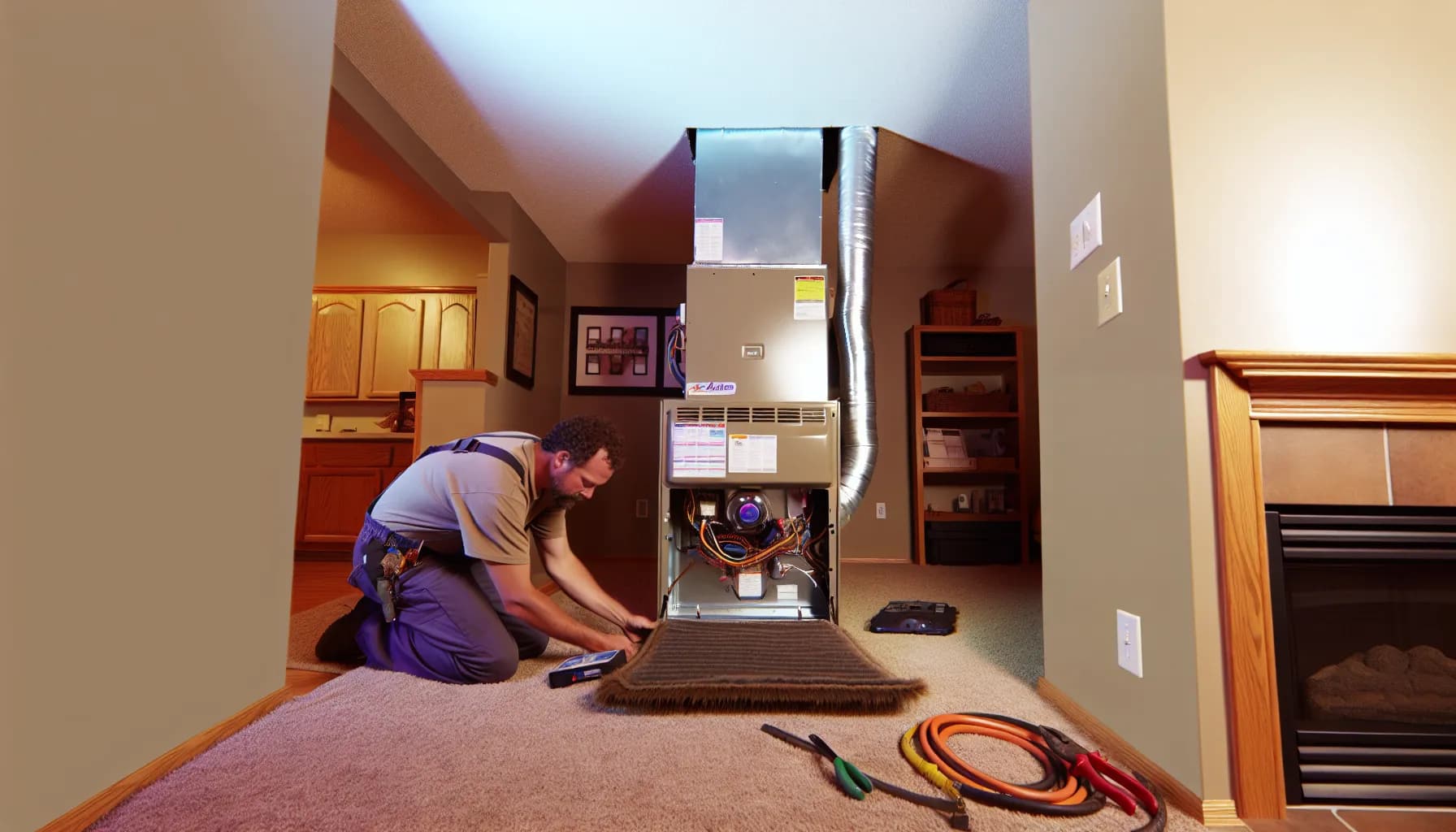
Annual inspections and maintenance are your first line of defense. A skilled HVAC technician will:
- Check for cracks in the heat exchanger
- Test for proper combustion and venting
- Clean burners and replace filters
- Ensure safety controls are working
We helped a Centennial family avoid a serious incident by discovering a small crack during their yearly tune-up. Catching problems early can prevent CO exposure and expensive repairs down the road.
Installing Carbon Monoxide Detectors
Colorado law requires CO detectors within 15 feet of sleeping areas in homes with fuel-burning appliances. Install detectors on each level of your home, including the basement. Test them monthly and replace batteries annually. Remember, detectors have a lifespan, usually 5 to 7 years, so replace the unit when needed.
Choosing the Right HVAC Professional
Proper installation and maintenance are critical. Work with licensed, trained HVAC professionals who know local codes and understand the unique challenges of Colorado’s climate and elevation. Alloy Heating and Cooling serves communities from Castle Rock to Boulder, bringing years of real-world experience to every job. We use the latest tools and training to keep your heating system safe and efficient.
What to Do If You Suspect Carbon Monoxide in Your Furnace
Immediate Steps to Ensure Safety
If you suspect a carbon monoxide leak, act quickly:
- Evacuate everyone (including pets) from your home immediately
- Leave doors open as you exit to help ventilate
- Do not try to locate the source or re-enter the home until it is cleared
Time is critical. CO poisoning can happen quickly, especially in well-sealed homes.
When to Call Emergency Services
If anyone in your home is experiencing symptoms of CO poisoning, call 911 right away. Emergency personnel can assess your health and ensure the home is safe before you return. Utility companies can help shut off the gas supply if needed.
Getting Professional Furnace Repairs
Once your home is cleared by emergency responders, call a trusted HVAC professional for a thorough inspection and repair. Technicians will check for damaged heat exchangers, blocked vents, and other issues. Do not use your furnace until it has been professionally repaired and tested. In some cases, replacement may be the safest option.
Recently, a Parker homeowner’s CO detector sounded in the middle of the night. After evacuation and emergency response, Alloy Heating and Cooling found a bird nest blocking the flue. Clearing the vent and performing a safety check allowed the family to return home safely the same day.
Conclusion: Protect What Matters Most
Carbon monoxide is a silent threat, but with knowledge and proactive care, you can keep your family and property safe. Schedule annual furnace maintenance, install and test CO detectors, and work with qualified HVAC professionals. At Alloy Heating and Cooling, we are dedicated to helping homeowners and businesses in Greenwood Village, Aurora, Southglenn, and surrounding communities stay safe and comfortable all year long.
Frequently Asked Questions
How can I tell if my furnace is leaking carbon monoxide?
Common signs include frequent headaches, dizziness, or nausea in your household, yellow or flickering furnace flames, soot buildup, or a carbon monoxide detector alarm.
How often should I have my furnace inspected for carbon monoxide risks?
Experts recommend annual furnace inspections and maintenance, especially before the heating season begins.
Are carbon monoxide detectors required in Colorado homes?
Yes, Colorado law requires carbon monoxide detectors to be installed within 15 feet of every sleeping area in new and existing homes with fuel-burning appliances.
What should I do if my carbon monoxide detector goes off?
Immediately evacuate everyone from the home, call 911, and do not re-enter until it is confirmed safe by professionals.
Can a new furnace still leak carbon monoxide?
Yes, even new furnaces can develop issues if improperly installed or maintained. Regular inspections are essential for all furnaces, regardless of age.

Alloy HVAC Team
HVAC experts with years of experience in the industry. We share tips, insights, and the latest trends in heating, ventilation, and air conditioning to help you maintain optimal comfort in your home or business.