How Carbon Monoxide from Furnaces Can Affect Colorado Homes—and How to Stay Safe
How Carbon Monoxide from Furnaces Can Affect Colorado Homes, and How to Stay Safe
Understanding Carbon Monoxide in Furnaces
What Is Carbon Monoxide?
Carbon monoxide (CO) is a colorless, odorless, and tasteless gas. It is extremely dangerous because it can accumulate in enclosed spaces without being detected by human senses. Even small amounts can pose serious health risks to people and pets.
How Furnaces Produce Carbon Monoxide
Furnaces, especially those that burn natural gas, propane, oil, or wood, produce carbon monoxide as a byproduct of combustion. Normally, CO is safely vented outside through the furnace’s exhaust system. However, issues like cracked heat exchangers, blocked flues, or poor ventilation can cause CO to leak into your living spaces.
Why Colorado Homes Are at Risk
Colorado’s cold winters mean furnaces run frequently and for long periods. Many homes are built to be energy efficient, which can limit fresh air exchange and increase the risk of indoor air quality issues, including carbon monoxide buildup. In our service areas, from Greenwood Village to Boulder and Castle Rock, homeowners often keep windows closed for months, further trapping any potential CO leaks indoors.
Signs and Symptoms of Carbon Monoxide Exposure
Common Physical Symptoms
Early signs of carbon monoxide poisoning are similar to the flu but without a fever. Symptoms may include headaches, dizziness, nausea, fatigue, shortness of breath, confusion, and in severe cases, loss of consciousness. Pets may also appear unusually tired or disoriented. If everyone in your home feels sick at the same time, especially when the furnace is running, consider CO exposure as a possible cause.
Household Warning Signs
Some warning signs that your furnace may be leaking carbon monoxide include:
- Yellow or flickering burner flames instead of steady blue ones
- Excessive moisture or condensation on windows and walls near the furnace
- Soot, scorch marks, or rust around the furnace or vents
- Stale or stuffy air, or unusual smells when the furnace is running
For example, a family in Littleton called Alloy Heating and Cooling after noticing persistent headaches and a strange odor. Our technicians discovered a cracked heat exchanger that was allowing CO to escape into the home. Addressing the issue quickly prevented a more serious health emergency.
How to Prevent Carbon Monoxide Leaks from Your Furnace
Regular Furnace Maintenance Tips
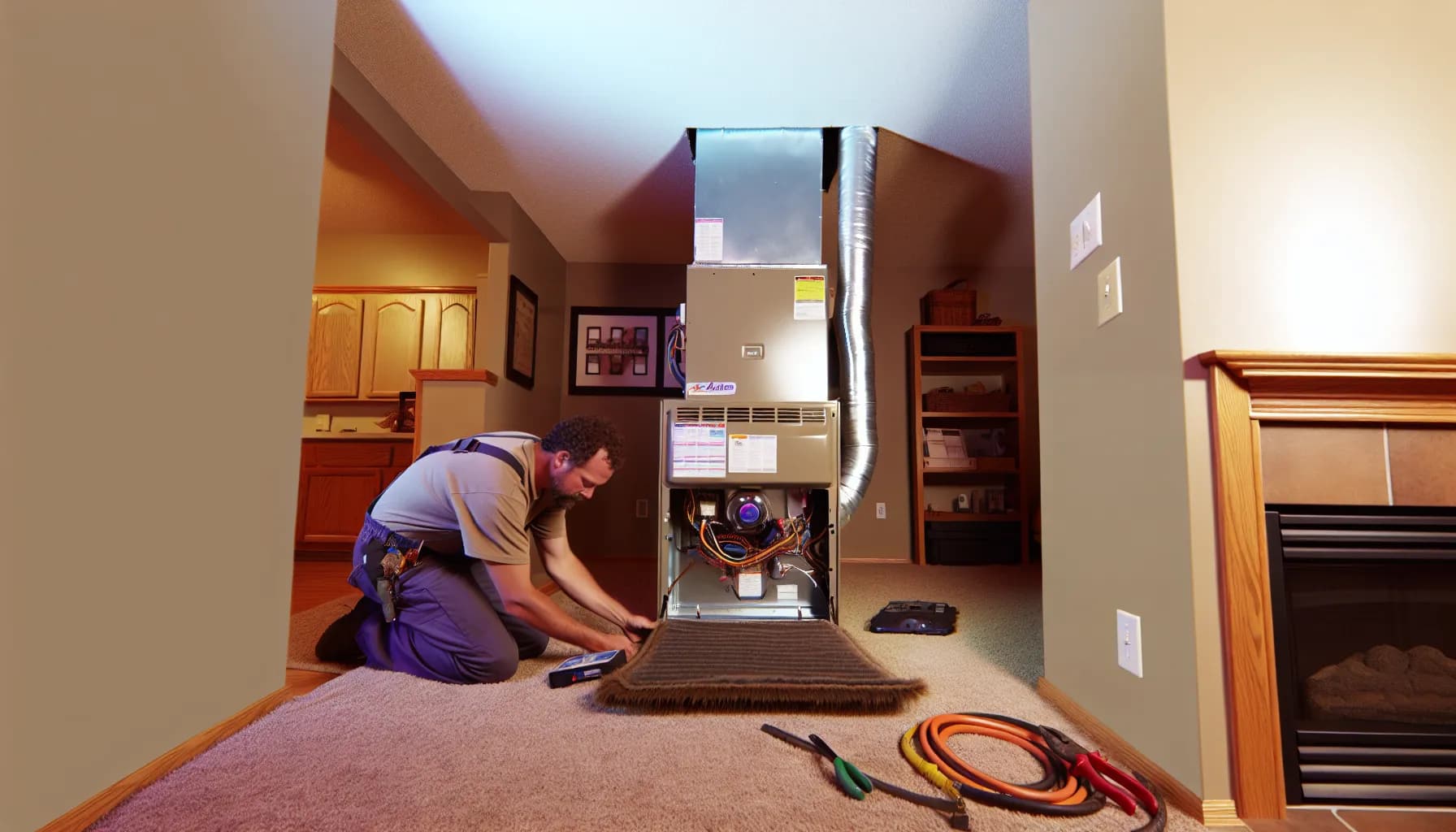
Annual furnace maintenance is your first defense against carbon monoxide leaks. Professional technicians inspect heat exchangers for cracks, clean burners, check ventilation, and ensure all safety controls are working. In Highlands Ranch, we helped a customer avoid a CO leak by catching a rusted flue pipe during a routine tune-up. Regular maintenance can save lives as well as extend your furnace’s lifespan.
Proper Installation and Ventilation
Correct installation is critical. Furnaces must be installed according to manufacturer specifications and local codes. Vents and flues should be free from obstructions like bird nests or debris. If you add insulation or remodel your home in Aurora or Denver, consult an HVAC professional to ensure your ventilation remains safe and adequate.
The Importance of Carbon Monoxide Detectors
Install carbon monoxide detectors on every level of your home, especially near sleeping areas. Test detectors monthly and replace batteries at least once a year. In older homes in Golden and Morrison, Alloy Heating and Cooling often recommends upgrading to interconnected detectors for added safety. CO detectors are your last line of defense, alerting you to danger even if you can’t see or smell a leak.
What to Do If You Suspect Carbon Monoxide in Your Home
Immediate Steps to Take
If your carbon monoxide alarm sounds or you suspect a leak:
- Immediately evacuate everyone from the building, including pets
- Call 911 or your local fire department from outside
- Do not re-enter the home until professionals confirm it is safe
Real-world scenario: A Centennial homeowner’s detector went off in the middle of the night. They followed these steps, and firefighters found dangerously high CO levels caused by a blocked vent. Their quick action prevented serious harm.
When to Call a Professional
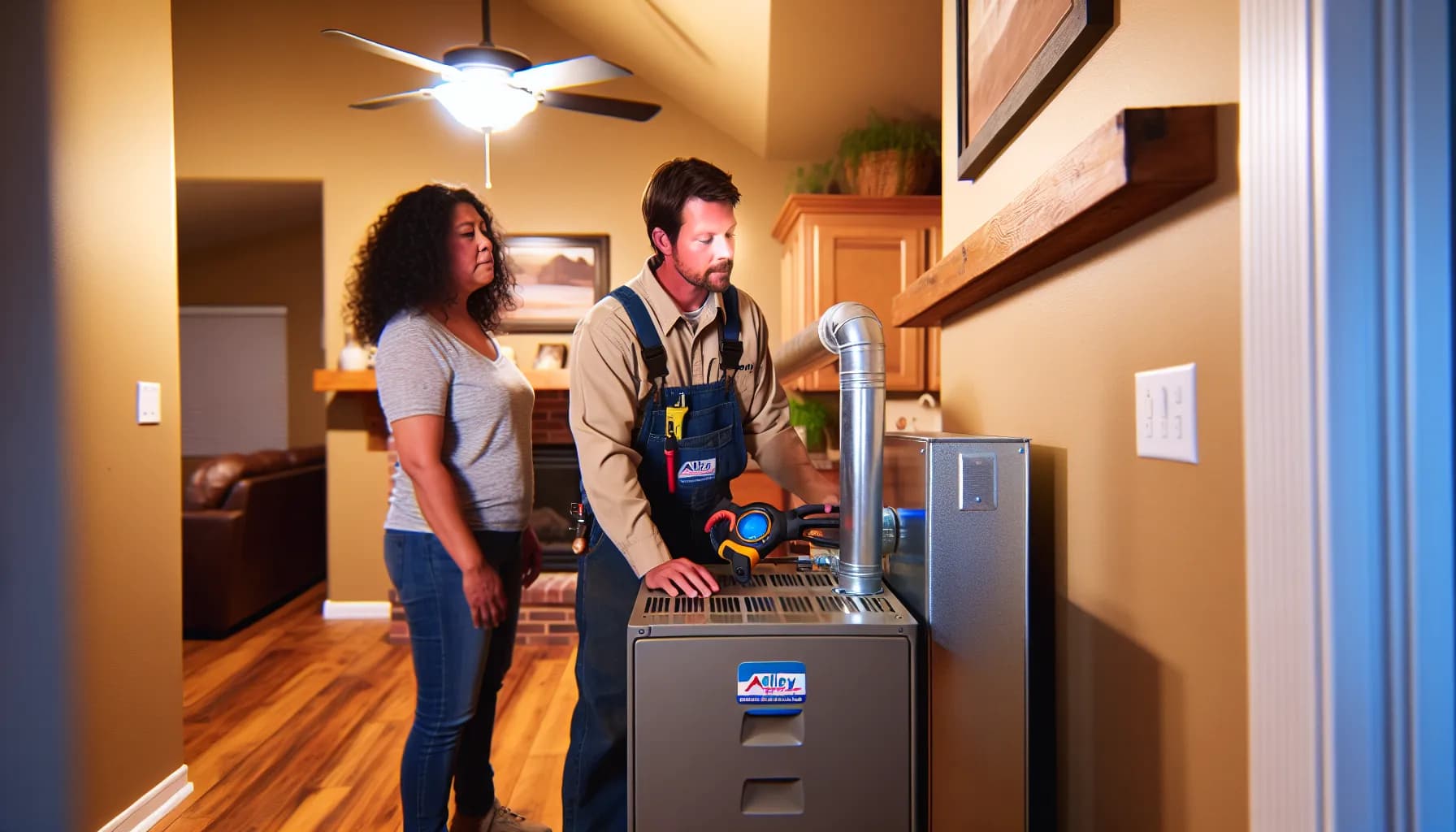
After emergency responders have cleared your home, contact a licensed HVAC professional like Alloy Heating and Cooling. Our team will inspect and repair your furnace, ensure proper ventilation, and help you avoid future problems. If you ever notice symptoms of CO exposure or see warning signs in your furnace, do not try to fix it yourself. Always rely on trained technicians for repairs.
Colorado Regulations and Resources for Carbon Monoxide Safety
State Requirements for Carbon Monoxide Detectors
Colorado law requires carbon monoxide detectors in most residential properties that have fuel-burning appliances or attached garages. Detectors must be installed within 15 feet of sleeping areas. This applies to single-family homes, apartments, condos, and rental properties. If you’re selling or renting a property in Boulder, Parker, or elsewhere in our service area, check that you meet these requirements.
Local Assistance and Resources
Many local fire departments and health agencies offer information and support for carbon monoxide safety. Some programs provide free or discounted detectors to qualifying residents. For more information, visit the Colorado Department of Public Health & Environment website or contact your local fire department. Alloy Heating and Cooling is also happy to answer your questions and perform safety inspections throughout the Denver metro area and beyond.
Frequently Asked Questions
What causes carbon monoxide leaks in furnaces?
Carbon monoxide leaks in furnaces are often caused by cracked heat exchangers, blocked flue pipes, poor ventilation, or improper installation and maintenance.
How can I tell if my furnace is leaking carbon monoxide?
Common indicators include yellow or flickering burner flames, soot or scorch marks near the furnace, excessive moisture on windows, and experiencing symptoms like headaches or nausea.
Are carbon monoxide detectors required in Colorado homes?
Yes, Colorado law requires carbon monoxide detectors to be installed near bedrooms in most residential properties, especially those with fuel-burning appliances like furnaces.
How often should I have my furnace inspected for carbon monoxide safety?
It’s recommended to have your furnace professionally inspected and serviced at least once a year, preferably before the heating season begins.
What should I do if my carbon monoxide detector goes off?
Immediately evacuate everyone in the home, call 911 or your local emergency services, and do not re-enter until professionals declare it safe.

Alloy HVAC Team
HVAC experts with years of experience in the industry. We share tips, insights, and the latest trends in heating, ventilation, and air conditioning to help you maintain optimal comfort in your home or business.