Can Your Furnace Cause Carbon Monoxide Leaks? Safety Tips for Colorado Homeowners
Can Your Furnace Cause Carbon Monoxide Leaks? Safety Tips for Colorado Homeowners
Understanding Carbon Monoxide and Furnaces
What Is Carbon Monoxide?
Carbon monoxide (CO) is a colorless, odorless, and tasteless gas that can be extremely dangerous when inhaled. Because it is nearly impossible to detect without special equipment, CO is often called the “silent killer.” Even in low concentrations, carbon monoxide exposure can be harmful to people and pets, making it essential for Colorado homeowners to understand the risks and prevention methods related to furnaces and CO leaks.
How Furnaces Work
Most furnaces in Colorado homes burn fuel such as natural gas, propane, or oil to generate heat. The combustion process creates heat for your home, but it also produces byproducts, including water vapor and carbon monoxide. Normally, a properly functioning furnace vents these gases safely outside through a flue or exhaust pipe.
Common Sources of Carbon Monoxide in Homes
Besides furnaces, other common sources of carbon monoxide include gas water heaters, fireplaces, wood stoves, and fuel-burning appliances. Incomplete combustion or venting issues with any of these systems can lead to a buildup of CO indoors. However, because your furnace runs frequently during Colorado’s long heating season, it is often the top concern for CO exposure.
Can a Furnace Cause Carbon Monoxide Leaks?
How Furnaces Produce Carbon Monoxide
Whenever fuel burns, carbon monoxide is produced as a natural byproduct. In a well-maintained furnace, CO is safely vented outdoors. Problems arise when components like the heat exchanger crack, the vent becomes blocked, or the furnace is not burning fuel efficiently. These issues can cause CO to leak into your living spaces instead of being expelled outside.
Signs Your Furnace May Be Leaking Carbon Monoxide
- Soot or yellowish stains around the furnace or vent pipes
- Unusual smells such as a burning or chemical odor (CO itself is odorless, but malfunctioning systems may emit other detectable byproducts)
- Pilot light that frequently goes out or a yellow burner flame instead of blue
- Condensation on windows near the furnace
- Family members experiencing headaches, dizziness, or nausea when the furnace is running
Real-world example: A homeowner in Highlands Ranch noticed a persistent headache every evening during the winter. After a professional inspection, a cracked heat exchanger was discovered, causing carbon monoxide to leak into the home. Immediate repairs and installation of CO detectors resolved the issue and restored safety.
Risks of Carbon Monoxide Exposure
Even low levels of carbon monoxide exposure can lead to symptoms like headaches, dizziness, nausea, and fatigue. Prolonged exposure or high concentrations can result in confusion, unconsciousness, and even death. Young children, elderly adults, and pets are especially vulnerable. Because of Colorado’s cold winters, furnaces often run for extended periods, increasing the risk if a leak occurs.
Prevention and Safety Tips for Colorado Homeowners
Regular Furnace Maintenance
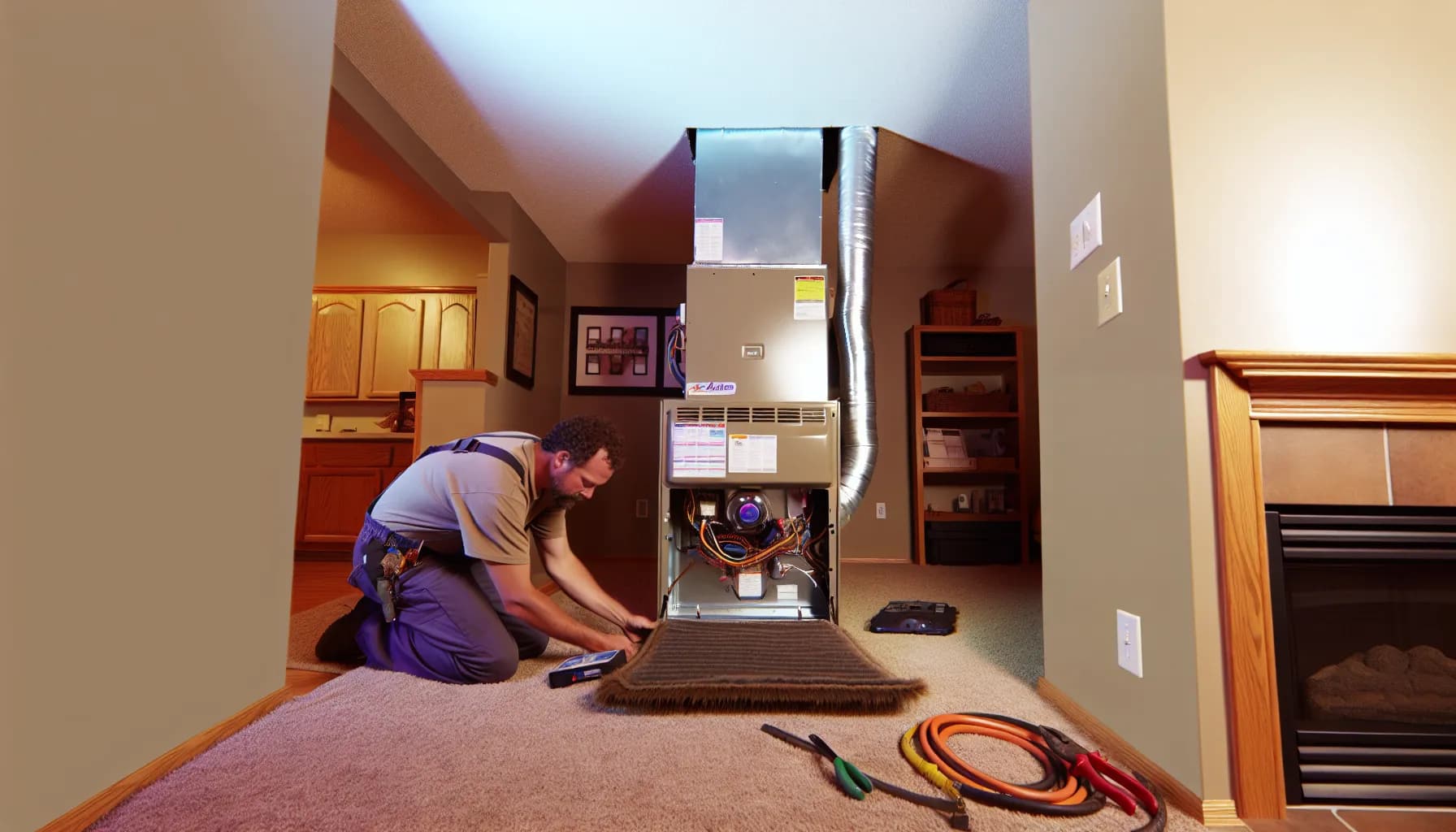
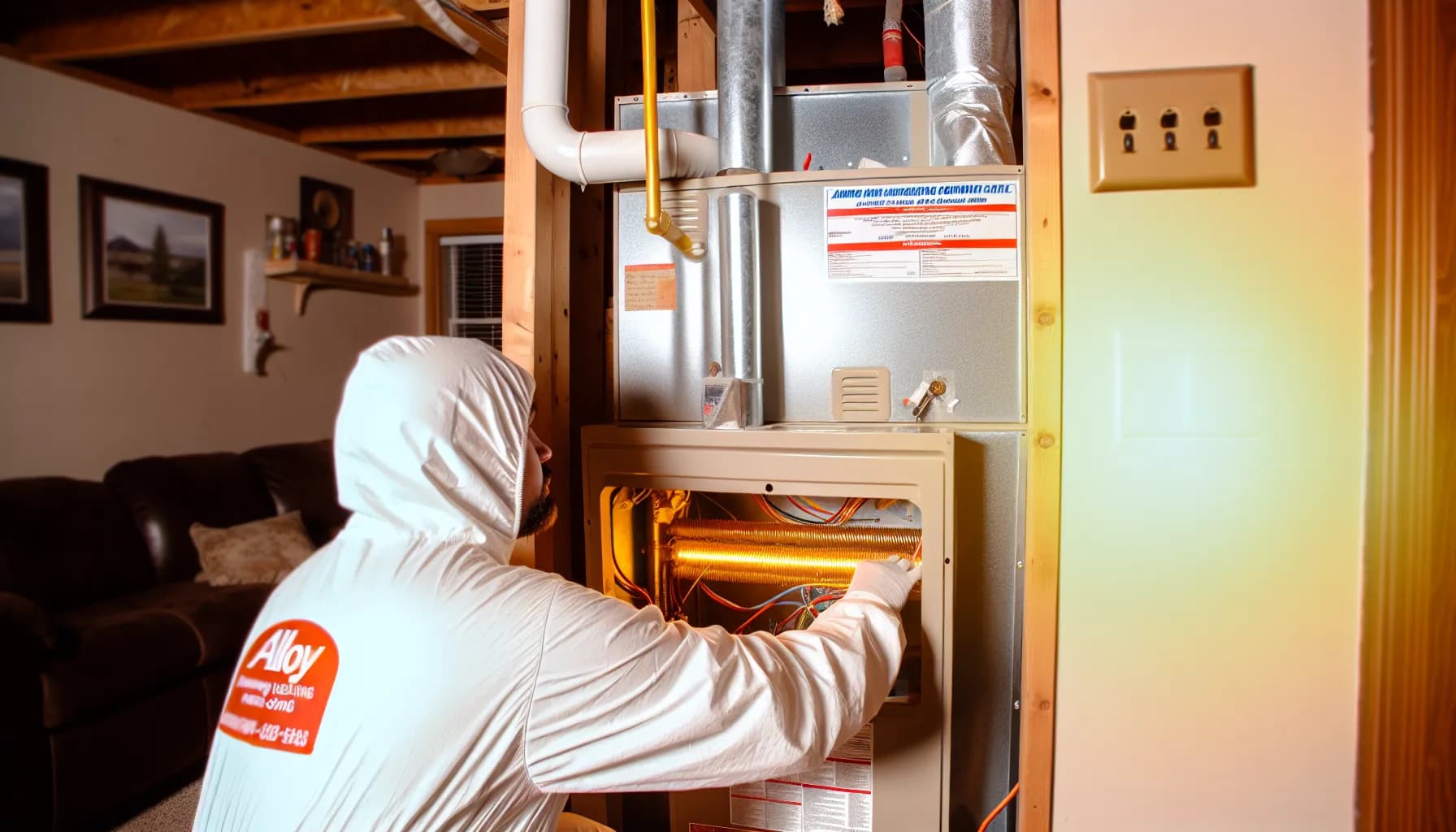
Annual professional furnace maintenance is the best defense against carbon monoxide leaks. At Alloy Heating and Cooling, our certified technicians thoroughly check your system for cracks, leaks, or signs of incomplete combustion. We clean burners, inspect the heat exchanger, verify flue operation, and ensure all safety controls are functioning. Regular maintenance not only reduces CO risk but also improves efficiency and prolongs your furnace’s life.
For example, a small business in Englewood scheduled routine maintenance before the heating season. Our technician discovered a partially blocked vent pipe, which could have caused CO buildup. The issue was resolved before it became a hazard, keeping employees and customers safe.
Proper Ventilation and Installation
Correct installation is crucial for safe furnace operation. Vents and flues must be adequately sized and free from obstructions. Snow, debris, or even bird nests can block exhaust pipes, causing CO to back up inside. Make sure your furnace area is clear, and never close off air supply vents.
If you’re installing a new furnace or replacing an old one, always use a licensed HVAC professional familiar with Colorado building codes and climate challenges. Proper sizing and venting will ensure safe, efficient operation year-round.
Installing Carbon Monoxide Detectors
Every Colorado home with a fuel-burning appliance should have carbon monoxide detectors. Place detectors on each level, especially near bedrooms, and close to the furnace or utility room. Test them monthly and replace batteries as needed. CO detectors provide an early warning if dangerous levels are present, giving you time to act before symptoms occur.
Tip: Many cities in Colorado, including Denver and Aurora, require CO detectors in rental properties and new home sales. Even if not legally required, they are a simple, life-saving investment.
What to Do If You Suspect a Carbon Monoxide Leak
Immediate Steps to Take
- Leave the building immediately. Get everyone, including pets, outside to fresh air.
- Call 911 or your local fire department from a safe location.
- Do not re-enter your home until emergency responders say it is safe.
When to Call a Professional
After emergency personnel address the immediate danger, contact a certified HVAC professional like Alloy Heating and Cooling to inspect and repair your furnace. We use advanced tools to detect leaks, assess system damage, and make necessary repairs so you can return to a safe home.
Protecting Your Family’s Health
If anyone in your household experiences symptoms such as headache, dizziness, or nausea, seek medical attention promptly. Let healthcare providers know about possible CO exposure. Early treatment can prevent serious health effects.
Real-life scenario: In Castle Rock, a family’s CO detector sounded in the middle of the night. They evacuated, called emergency services, and later learned a disconnected vent pipe was the cause. Their quick actions and properly placed detector prevented a tragedy.
Conclusion
Carbon monoxide leaks from furnaces are preventable with regular maintenance, proper installation, and reliable detectors. Stay proactive, schedule annual furnace checkups, and ensure your home is equipped to detect and respond to CO dangers. At Alloy Heating and Cooling, we proudly serve homeowners and businesses across Colorado, helping keep your family safe and comfortable all winter long. If you have any concerns about your furnace, contact us today for expert advice and service.
Frequently Asked Questions
Can a furnace really cause carbon monoxide leaks?
Yes, furnaces that burn fuel can produce carbon monoxide, and leaks can occur if the furnace is malfunctioning, improperly installed, or not maintained regularly.
What are the symptoms of carbon monoxide poisoning from a furnace?
Common symptoms include headache, dizziness, nausea, confusion, and flu-like symptoms. High exposure can be fatal, so immediate action is necessary.
How often should I have my furnace inspected for safety?
Experts recommend having your furnace inspected and serviced by a professional at least once a year, ideally before the heating season begins.
Are electric furnaces a risk for carbon monoxide leaks?
No, electric furnaces do not burn fuel and therefore do not produce carbon monoxide. The risk comes from gas or oil-burning furnaces.
Where should I install carbon monoxide detectors in my Colorado home?
Install detectors on every level of your home, especially near sleeping areas and close to the furnace or other fuel-burning appliances.

Alloy HVAC Team
HVAC experts with years of experience in the industry. We share tips, insights, and the latest trends in heating, ventilation, and air conditioning to help you maintain optimal comfort in your home or business.