How Often Should You Have Your HVAC Serviced in Colorado’s Climate?
How Often Should You Have Your HVAC Serviced in Colorado’s Climate?
As a homeowner or business owner in Colorado, keeping your HVAC system running smoothly is crucial for year-round comfort. Colorado’s climate is unique, with temperature swings, dry air, and frequent dust storms that can take a toll on your heating and cooling equipment. Regular HVAC maintenance is essential to ensure efficiency, longevity, and healthy indoor air quality. At Alloy Heating and Cooling, we help families and businesses across the Denver metro area, including Greenwood Village, Englewood, Littleton, and beyond, get the most out of their HVAC systems. In this guide, we’ll explain how often you should have your HVAC serviced in Colorado, why it’s important, and what you can do to keep your system in top shape.
Why Regular HVAC Maintenance is Important
Improve System Efficiency
Routine maintenance keeps your HVAC system operating at peak efficiency. A well-maintained system uses less energy to heat or cool your home, which translates to lower utility bills. For example, a family in Highlands Ranch noticed their AC was running constantly during a hot July. After a simple tune-up and filter replacement, the system cooled more effectively and their energy bill dropped noticeably.
Extend Equipment Lifespan
Neglecting regular service can lead to premature breakdowns and costly repairs. Just like your car needs oil changes, your HVAC needs periodic check-ups. Homeowners in Castle Rock who schedule annual maintenance often see their furnaces and air conditioners last five or more years longer than those who skip service visits.
Maintain Indoor Air Quality
HVAC systems can spread dust, pollen, and even mold if not properly maintained. Regular filter changes and coil cleaning help remove airborne contaminants, keeping your indoor air fresh. This is especially important for families with allergies in areas like Parker and Boulder, where outdoor allergens are common.
Colorado’s Unique Climate and Its Impact on HVAC Systems
Seasonal Temperature Fluctuations
Colorado is known for rapid temperature changes. It’s not unusual to see a 40-degree swing in a single day, especially in spring and fall. These fluctuations force HVAC systems to work harder, switching from heating to cooling and back again. A homeowner in Evergreen once reported running their furnace in the morning and their AC by the afternoon during April. Such demands highlight the importance of keeping your system in top condition.
Effects of Altitude and Dry Air
At elevations above 5,000 feet, the air is thinner and holds less moisture. Dry air can impact your HVAC system by increasing static electricity and causing components like belts and seals to wear out faster. Humidification systems are also put to the test during Colorado’s long winters. Regular checks ensure everything works as intended and that your home stays comfortable.
Dust, Pollen, and Environmental Factors
Dust storms and high pollen counts are common in areas like Aurora, Thornton, and Commerce City. These airborne particles quickly clog air filters and coat internal components, reducing efficiency and potentially damaging your system. Routine maintenance helps manage these environmental challenges and keeps your home’s air healthy.
Recommended HVAC Service Frequency in Colorado
Annual vs. Biannual Maintenance
For most homes and businesses in Colorado, we recommend servicing your HVAC system twice a year, once in the spring before cooling season and once in the fall before heating season. Biannual service is ideal because it prepares your equipment for the heavy demands of summer and winter. If you only schedule one service per year, make it in the fall to ensure your heating system is ready for Colorado’s long, cold winters.
Ideal Timing: Spring and Fall
The best times for HVAC maintenance in Colorado are early spring (March to May) and early fall (September to November). This timing allows technicians to catch small problems before they become big issues and ensures your system is ready for the season ahead. For instance, a business in Lakewood avoided a major AC breakdown by having a spring tune-up that caught a failing capacitor before summer heatwaves hit.
Signs Your HVAC Needs Immediate Attention
- Unusual noises like banging, rattling, or screeching
- Inconsistent temperatures or weak airflow
- Frequent cycling on and off
- Unexplained increases in energy bills
- Unpleasant odors coming from vents
If you notice any of these symptoms, schedule a service call right away, even if it’s outside your normal maintenance routine. Immediate attention can prevent larger, costlier repairs.
What to Expect During a Typical HVAC Service Visit
Inspection and Cleaning
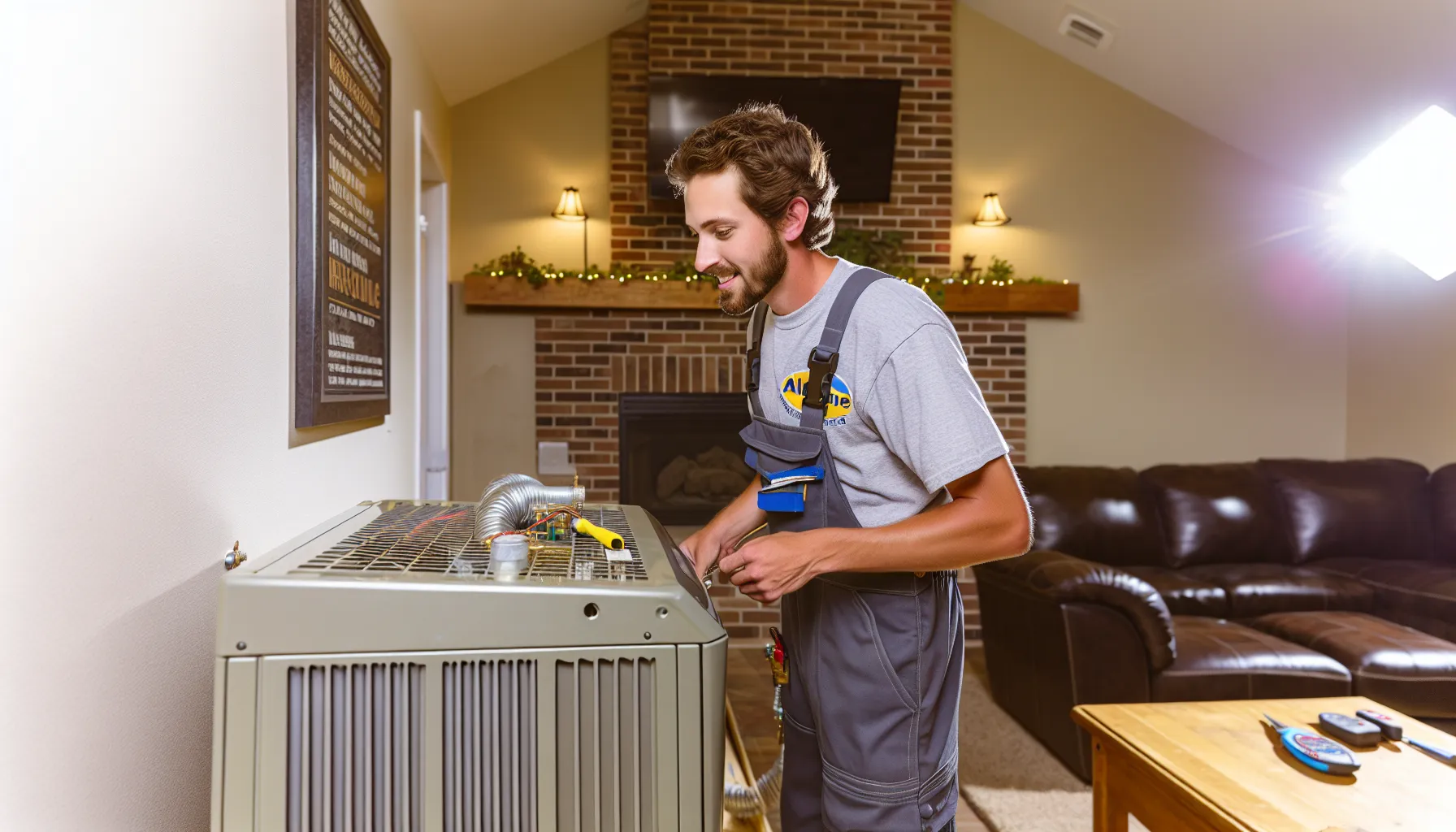
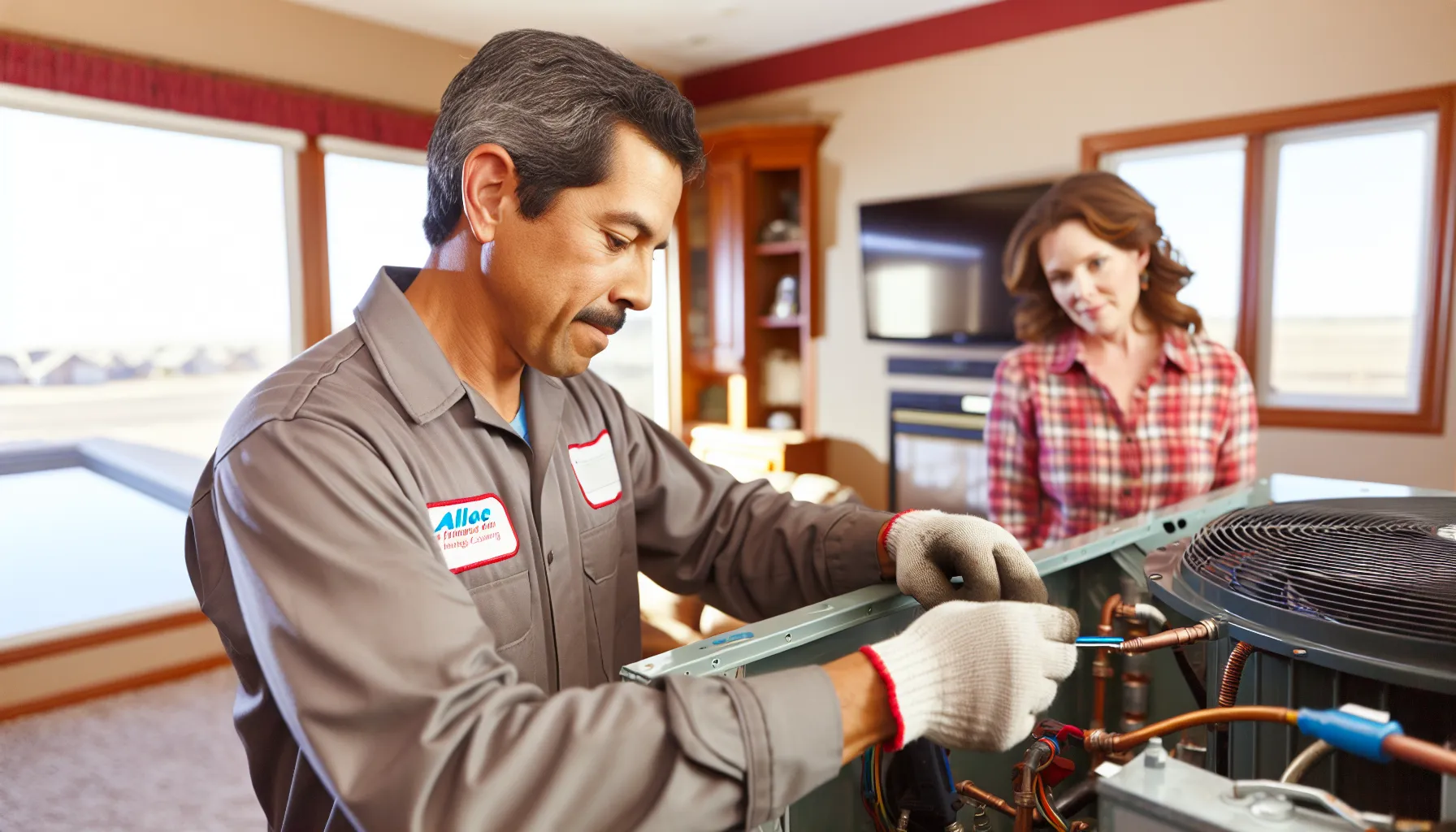
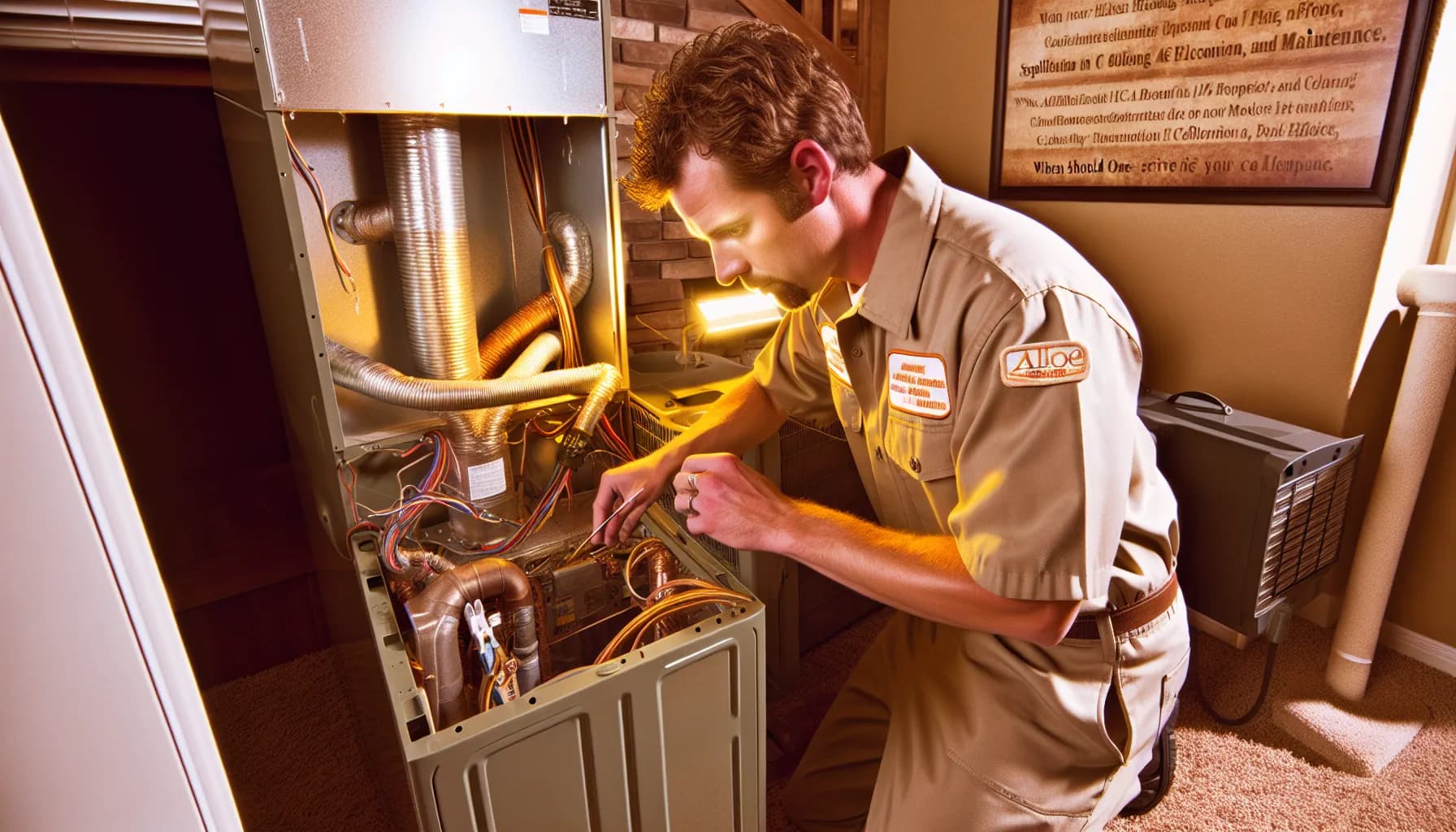
A professional technician will inspect all major components of your system, including the furnace, air conditioner, heat pump, ductwork, and thermostat. They’ll also clean coils, burners, and blower assemblies to remove dust and debris that hinder performance. At Alloy Heating and Cooling, we often find that a good cleaning alone can resolve many common HVAC problems.
System Testing and Calibration
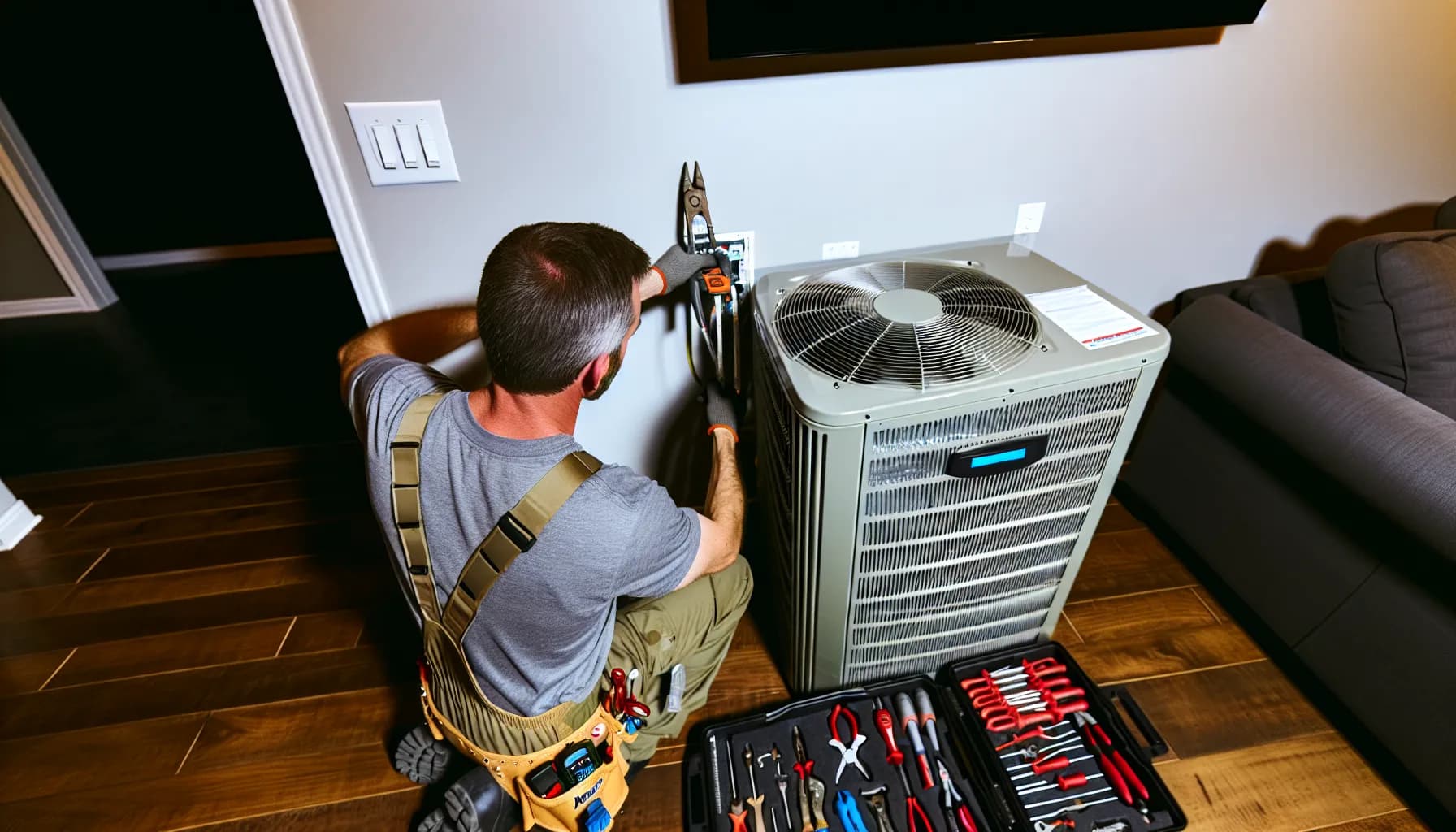
Technicians test your system’s safety controls, electrical connections, and refrigerant levels (for AC units). They also calibrate thermostats and ensure your equipment is cycling on and off correctly. This step is vital for both safety and comfort, especially for commercial clients in Denver and Broomfield who rely on precise temperature control.
Filter Replacement
Replacing or cleaning air filters is one of the simplest yet most impactful maintenance tasks. Dirty filters restrict airflow, strain your system, and reduce air quality. We recommend checking filters monthly and replacing them at least every 1-3 months, depending on the type and your home’s conditions.
Tips for Maintaining Your HVAC Between Professional Services
Changing Filters Regularly
Make it a habit to check your HVAC filters every month. In areas with heavy dust or pollen, like Golden or Morrison, you may need to replace filters more frequently. Clean filters help your system run efficiently and keep the air in your home healthy.
Keeping Vents and Units Clean
Vacuum and dust around vents, registers, and indoor units to prevent blockages. Keep outdoor units clear of leaves, grass, and debris. For example, homeowners in Ken Caryl have reported improved AC performance simply by trimming back shrubs and cleaning around their condenser units.
Monitoring System Performance
Pay attention to your HVAC system’s performance. If you notice strange sounds, uneven heating or cooling, or higher-than-normal energy bills, don’t ignore them. Addressing small issues early prevents larger problems down the road.
FAQs
- How often should I have my HVAC serviced in Colorado?
It’s recommended to have your HVAC system serviced at least once a year, but biannual servicing (before summer and winter) is ideal for Colorado’s climate. - Does Colorado’s climate affect how often my HVAC needs maintenance?
Yes, Colorado’s temperature swings, dry air, and airborne dust can put extra strain on HVAC systems, making regular maintenance even more important. - What are the benefits of regular HVAC servicing?
Regular HVAC servicing improves energy efficiency, extends the system’s lifespan, ensures better air quality, and helps prevent costly breakdowns. - What tasks are performed during a standard HVAC service?
A typical HVAC service includes inspecting and cleaning components, checking refrigerant levels, testing system controls, and replacing air filters. - Can I perform any HVAC maintenance myself?
Homeowners can replace air filters, clean vents, and keep the area around units clear, but professional inspections and servicing are still necessary.
For expert HVAC installation, repair, and maintenance in Greenwood Village, Denver, Castle Rock, Boulder, and throughout the Front Range, trust Alloy Heating and Cooling. Our experienced technicians are dedicated to keeping your home or business comfortable year-round, no matter what Colorado’s climate throws your way. Contact us today to schedule your next service visit!
Frequently Asked Questions
How often should I have my HVAC serviced in Colorado?
It’s recommended to have your HVAC system serviced at least once a year, but biannual servicing (before summer and winter) is ideal for Colorado’s climate.
Does Colorado's climate affect how often my HVAC needs maintenance?
Yes, Colorado’s temperature swings, dry air, and airborne dust can put extra strain on HVAC systems, making regular maintenance even more important.
What are the benefits of regular HVAC servicing?
Regular HVAC servicing improves energy efficiency, extends the system’s lifespan, ensures better air quality, and helps prevent costly breakdowns.
What tasks are performed during a standard HVAC service?
A typical HVAC service includes inspecting and cleaning components, checking refrigerant levels, testing system controls, and replacing air filters.
Can I perform any HVAC maintenance myself?
Homeowners can replace air filters, clean vents, and keep the area around units clear, but professional inspections and servicing are still necessary.

Alloy HVAC Team
HVAC experts with years of experience in the industry. We share tips, insights, and the latest trends in heating, ventilation, and air conditioning to help you maintain optimal comfort in your home or business.