Furnace and Carbon Monoxide: Protecting Your Family from Hidden Dangers in Colorado Winters
Furnace and Carbon Monoxide: Protecting Your Family from Hidden Dangers in Colorado Winters
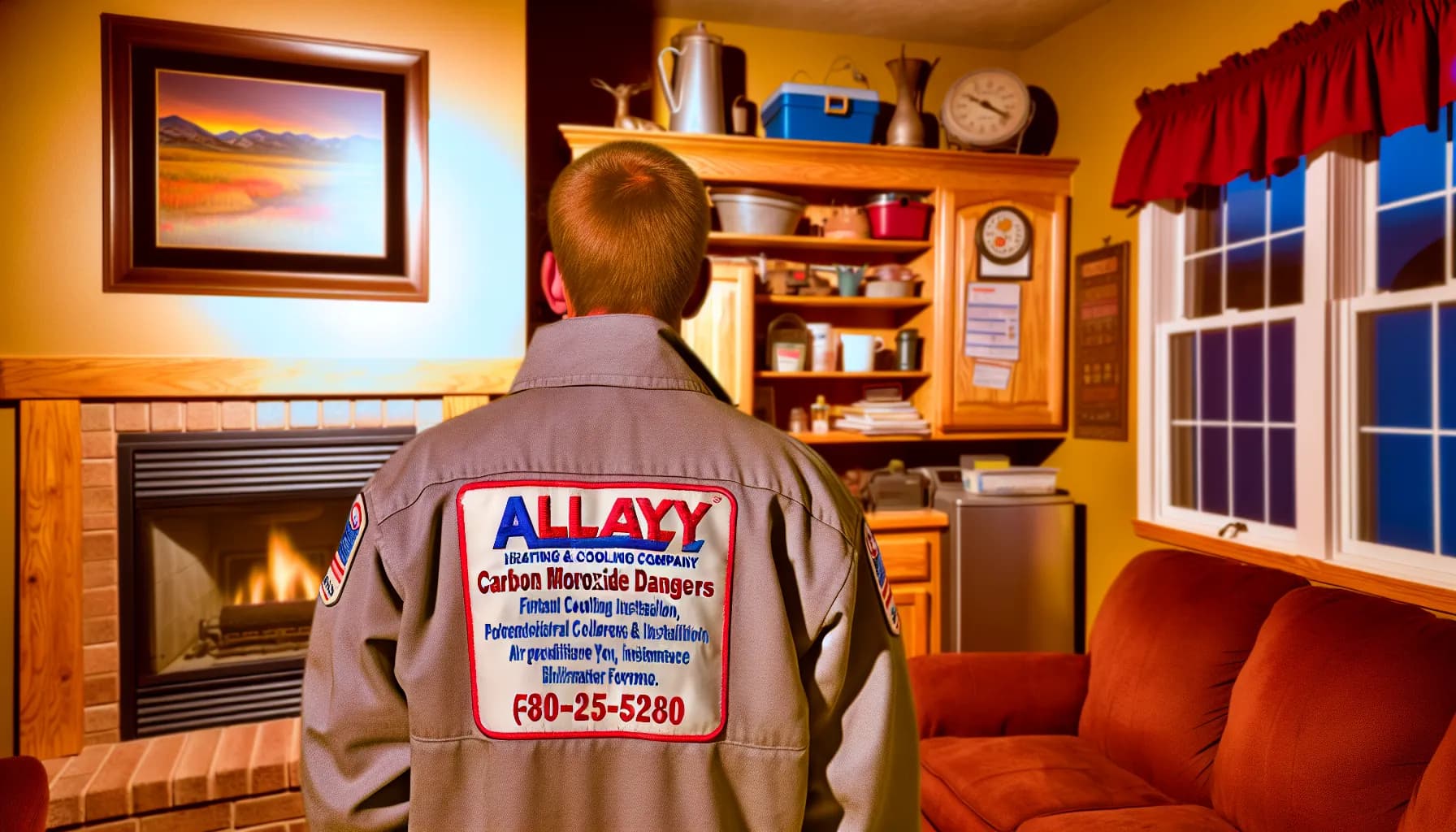
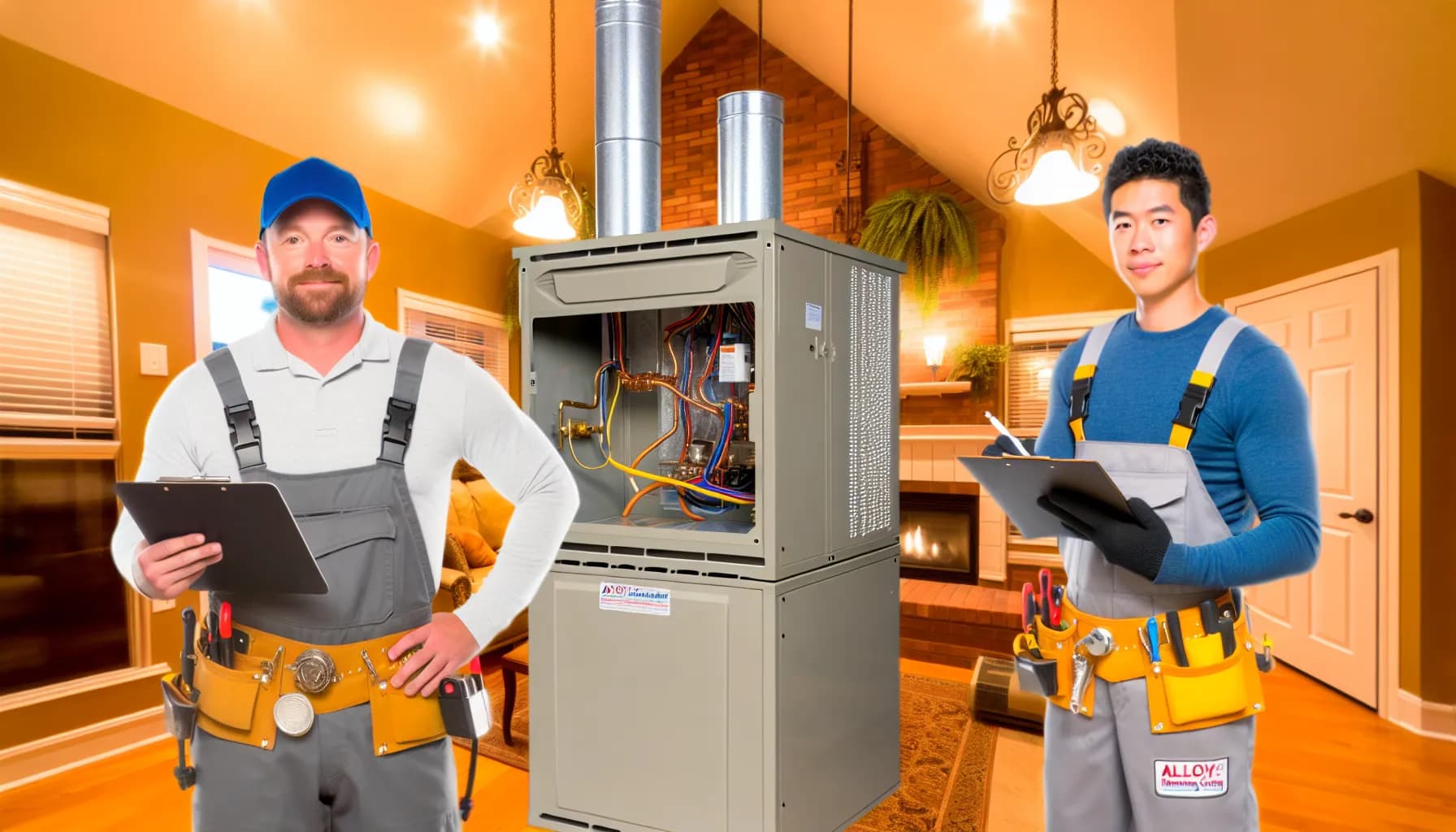
As winter sets in across Colorado, homeowners and businesses rely on their furnaces to keep interiors warm and comfortable. However, with the benefits of a heated home comes a hidden risk: carbon monoxide (CO) exposure. At Alloy Heating and Cooling, we believe that knowledge is the first step to safety. This comprehensive guide explains how furnaces can produce carbon monoxide, the signs of leaks, and how you can protect your family, employees, or tenants from this dangerous gas, especially during the coldest months in Greenwood Village, Englewood, Littleton, and beyond.
Understanding Carbon Monoxide in Furnaces
What Is Carbon Monoxide and Why Is It Dangerous?
Carbon monoxide is a colorless, odorless, and tasteless gas produced when fuels like natural gas, propane, oil, or wood burn incompletely. Because it is undetectable by human senses, CO is often called the “silent killer.” When inhaled, carbon monoxide binds to hemoglobin in the blood, preventing oxygen from reaching vital organs. Even small amounts can cause symptoms and, at high concentrations, CO can be fatal within minutes.
During Colorado winters, homes are sealed tightly to conserve heat, which can trap CO indoors if a leak occurs. This risk is increased in areas served by Alloy Heating and Cooling, where winter temperatures encourage people to use their heating systems around the clock.
How Furnaces Produce Carbon Monoxide
Furnaces generate heat by burning fuel. If the combustion process is incomplete, due to lack of oxygen, dirty burners, or mechanical issues, carbon monoxide is produced. Most modern furnaces are designed to vent combustion gases safely outside, but any malfunction or blockage in the venting system can allow CO to enter living spaces instead.
For example, a homeowner in Highlands Ranch called us after noticing that their furnace was running but not heating efficiently. Our technician discovered a partially blocked flue pipe, which caused incomplete combustion and a dangerous CO buildup in the basement. Swift repairs and a thorough safety check prevented a potential tragedy.
Common Sources of Carbon Monoxide Leaks in Homes
- Cracked Heat Exchangers: Over time, metal fatigue can cause cracks in the heat exchanger, allowing CO to mix with household air.
- Blocked or Disconnected Flues: Bird nests, ice, or debris can block exhaust flues, sending CO back into the home.
- Poor Furnace Installation: Incorrect setup or inadequate venting can create dangerous backdrafts.
- Lack of Maintenance: Dirty burners, clogged filters, or neglected repairs increase the risk of incomplete combustion.
These issues are not limited to old homes. Even newer furnaces in Parker, Cherry Hills Village, or Lakewood can develop problems if not maintained regularly.
Signs of Carbon Monoxide Leaks from Your Furnace
Physical Symptoms of Carbon Monoxide Exposure
Because CO is undetectable by sight or smell, the first clues often come from how people feel. Common symptoms include:
- Headaches
- Dizziness or confusion
- Nausea or vomiting
- Shortness of breath
- Fatigue or weakness
- Blurred vision
In severe cases, CO poisoning can lead to loss of consciousness or death. These symptoms may be mistaken for flu or food poisoning, especially during winter when viral illnesses are common. Pay close attention if everyone in the home feels ill at the same time, especially if symptoms improve when you leave the house.
Visual Indicators of Furnace Malfunction
While CO itself is invisible, your furnace or surrounding area may show warning signs. Look for:
- Soot or yellow/brown staining around the furnace or vents
- Unusual odors (like burning or mustiness, not CO itself)
- Pilot lights that frequently blow out or appear yellow instead of blue
- Excess moisture or condensation on windows near the furnace
For instance, a small business in Aurora noticed yellow flames in their furnace. Our inspection revealed a dirty burner and inadequate oxygen supply, which was producing CO. Cleaning and proper adjustment resolved the issue and restored safe operation.
When to Suspect a Carbon Monoxide Problem
If your CO alarm sounds, your household experiences unexplained illness, or you spot furnace irregularities, treat the situation as an emergency. Even brief exposure to high levels of CO can be life-threatening, especially for children, the elderly, and pets.
Remember, carbon monoxide leaks can occur in any home, whether in a modern Centennial condo or an older Wheat Ridge house. Regular vigilance is key to keeping your family safe.
Preventing Carbon Monoxide Poisoning in Colorado Winters
Importance of Regular Furnace Maintenance
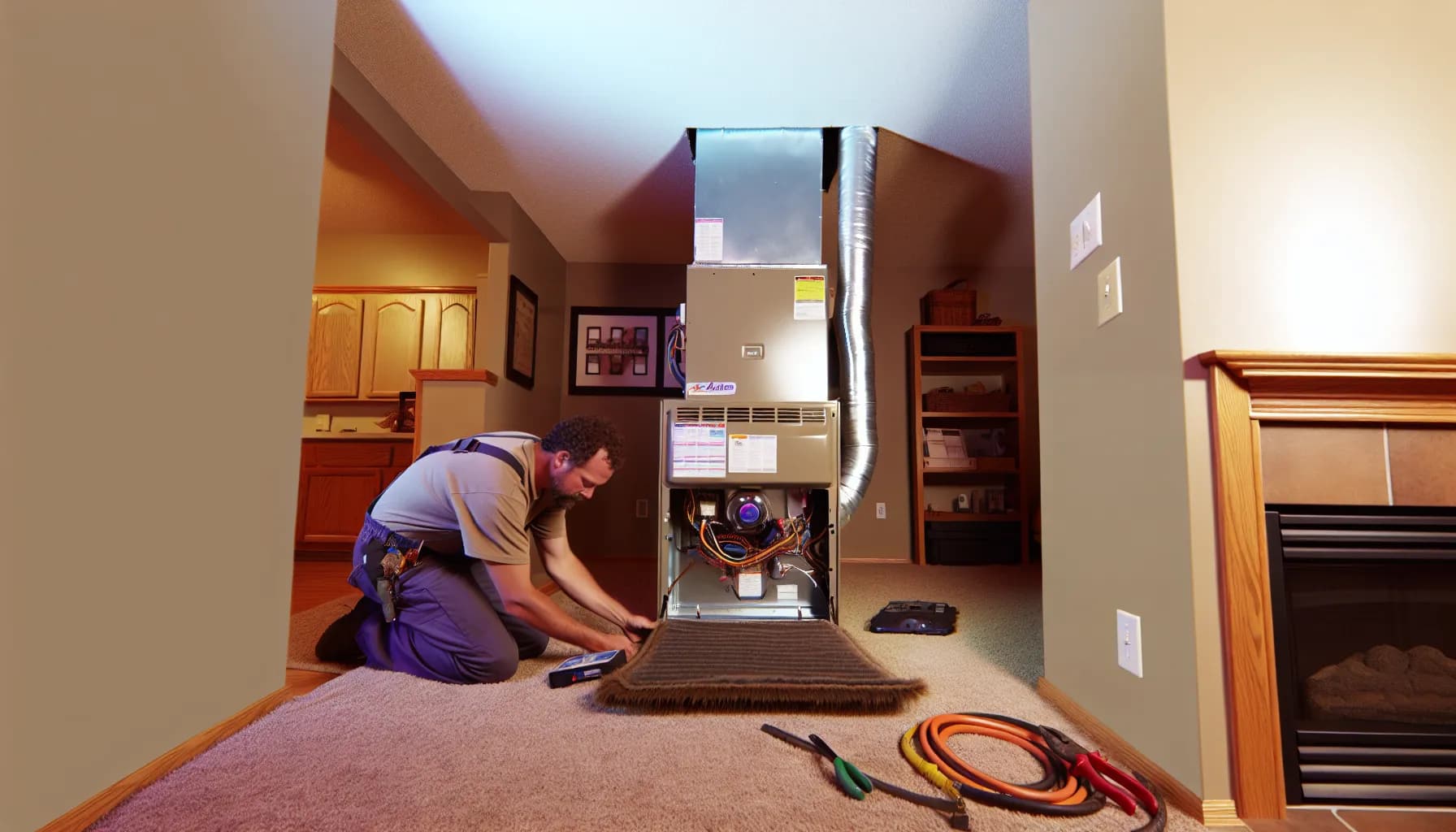
The most effective way to prevent CO leaks is with annual furnace maintenance by certified HVAC professionals. During a maintenance visit, Alloy Heating and Cooling technicians will:
- Inspect the heat exchanger for cracks or corrosion
- Check and clean burners for proper combustion
- Ensure exhaust vents and flues are unobstructed
- Test safety controls and thermostat operation
- Look for gas leaks and measure CO levels near the furnace
For example, a family in Boulder scheduled a preseason maintenance check. Our technician found a minor heat exchanger crack that was leaking small amounts of CO. Early detection meant a quick repair, preventing a dangerous escalation.
Installing and Testing Carbon Monoxide Detectors
Colorado law requires carbon monoxide detectors within 15 feet of every sleeping area in homes with fuel-burning appliances. These alarms provide early warning if CO levels rise, buying you precious time to evacuate safely.
- Install detectors on every level of your home, especially near bedrooms and furnace rooms.
- Test alarms monthly and replace batteries at least once a year.
- Replace detectors every 5 to 7 years, as sensors degrade over time.
One homeowner in Golden learned the importance of regular testing when their CO detector failed to sound during a furnace malfunction. Fortunately, their annual maintenance caught the issue before anyone was harmed, but it was a valuable reminder to check detector expiration dates.
Proper Ventilation and Home Safety Tips
Good ventilation is essential for safe furnace operation:
- Never block air intake or exhaust vents with furniture, drapes, or snow.
- Keep the area around your furnace clear of storage and debris.
- Do not use gas ovens, grills, or portable heaters as a substitute for your furnace.
- Ensure your chimney and flue system are free from nests or blockages.
During a recent service in Castle Pines, we found a vent blocked by a pile of winter coats. Simply moving the items restored safe airflow and reduced CO risk. Small steps like this can make a big difference in home safety.
What to Do If You Suspect Carbon Monoxide in Your Home
Immediate Steps to Take
- Evacuate everyone from the home immediately, even pets.
- Call 911 or your local fire department from outside the house.
- Do not re-enter until emergency responders say it is safe.
- If you can do so quickly and safely, open windows and doors to ventilate the space.
In a real scenario, a family in Thornton’s carbon monoxide alarm went off at 2 a.m. They left the house immediately and called emergency services. Firefighters discovered dangerously high CO levels caused by a cracked heat exchanger. Timely action saved lives and highlighted the value of working CO detectors.
Contacting Professionals for Inspection and Repair
After the immediate danger has passed, contact a certified HVAC company like Alloy Heating and Cooling for a thorough inspection. Our technicians will:
- Identify the source of the CO leak
- Repair or replace faulty furnace components
- Test for safe operation before restoring service
It is not safe to operate a furnace suspected of leaking CO until a professional has inspected and repaired it. In Denver and surrounding areas, our team is available for emergency calls and fast diagnostics.
Long-Term Safety Measures for Your Family
- Schedule annual furnace maintenance every fall.
- Test CO detectors regularly and replace as needed.
- Educate all household members about CO risks and emergency procedures.
- Consider upgrading to a high-efficiency, sealed-combustion furnace, which isolates combustion air from indoor air for added safety.
Proactive steps, from maintenance to detector installation, are your best defense against CO exposure. At Alloy Heating and Cooling, we are committed to helping families and businesses across Colorado stay safe and warm all winter long.
Conclusion
Carbon monoxide risks increase when furnaces work hardest, making Colorado winters a critical time for vigilance. By understanding how CO leaks happen, recognizing the signs, and following proven prevention strategies, you can protect your family, employees, and property. Trust Alloy Heating and Cooling for expert maintenance, repairs, and safety advice throughout our service area, from Castle Rock to Boulder and everywhere in between. Your comfort and safety are our top priorities.
Frequently Asked Questions
How does a furnace cause carbon monoxide in the home?
A furnace can cause carbon monoxide in the home if it burns fuel incompletely or has cracks, leaks, or faulty ventilation, allowing the gas to escape into your living space.
What are the symptoms of carbon monoxide poisoning from a furnace?
Symptoms include headaches, dizziness, nausea, confusion, shortness of breath, and in severe cases, loss of consciousness. These can be mistaken for the flu, so prompt attention is crucial.
How can I prevent carbon monoxide leaks from my furnace?
Schedule annual furnace inspections, ensure proper ventilation, and install carbon monoxide detectors near sleeping areas and on every level of your home.
Are carbon monoxide detectors required in Colorado homes?
Yes, Colorado law requires carbon monoxide detectors to be installed within 15 feet of sleeping areas in most residential properties with fuel-burning appliances.
What should I do if my carbon monoxide alarm goes off during winter?
Evacuate your home immediately, call 911 or emergency services, and do not re-enter until professionals confirm it is safe.

Alloy HVAC Team
HVAC experts with years of experience in the industry. We share tips, insights, and the latest trends in heating, ventilation, and air conditioning to help you maintain optimal comfort in your home or business.