The Dangers of Carbon Monoxide from Furnaces in Colorado: Prevention and Safety Tips
The Dangers of Carbon Monoxide from Furnaces in Colorado: Prevention and Safety Tips
Understanding Carbon Monoxide in Furnaces
What is Carbon Monoxide and Why is it Dangerous?
Carbon monoxide (CO) is an invisible, odorless, and tasteless gas that can be deadly. It is produced anytime fuel is burned, including natural gas, propane, oil, or wood. The danger lies in its ability to enter your bloodstream and prevent the body from absorbing oxygen, which can lead to serious health problems or even death. For Colorado homeowners and businesses, understanding the risks associated with carbon monoxide from furnaces is essential for maintaining a safe environment.
How Furnaces Produce Carbon Monoxide
Furnaces, especially those powered by gas, oil, or wood, naturally produce small amounts of carbon monoxide during combustion. When these appliances are well-maintained and properly ventilated, the gas is safely vented outside. Problems arise when combustion is incomplete or venting is compromised, causing CO to build up indoors.
Common Causes of Carbon Monoxide Leaks in Furnaces
- Cracked Heat Exchangers: Over time, heat exchangers can develop cracks, allowing CO to mix with indoor air instead of being vented outside.
- Poor Ventilation: Blocked or disconnected vents and chimneys can trap CO inside your home or business.
- Improper Installation: Incorrectly installed furnaces may not vent combustion gases safely, leading to CO leaks.
- Lack of Maintenance: Dirty burners or malfunctioning components can increase the risk of CO production.
Real-world example: In Aurora, a homeowner recently discovered a cracked heat exchanger during a routine inspection. The timely repair prevented a potentially dangerous situation for the family.
The Risks of Carbon Monoxide Exposure in Colorado Homes
Health Effects of Carbon Monoxide Poisoning
Even low levels of CO can be harmful. Exposure symptoms range from headaches and dizziness to confusion, nausea, and loss of consciousness. High concentrations or prolonged exposure can be fatal. Children, elderly persons, and those with respiratory issues are especially vulnerable.
Why Colorado Residents are at Higher Risk
Colorado’s cold winters mean furnaces run for extended periods, increasing the likelihood of issues going unnoticed. Many homes are also tightly sealed for energy efficiency, which can trap CO indoors. In mountain towns like Evergreen or Morrison, altitude can also make symptoms of CO poisoning appear more quickly due to reduced oxygen levels.
Symptoms of Carbon Monoxide Exposure
- Headache
- Dizziness
- Fatigue or weakness
- Nausea or vomiting
- Shortness of breath
- Confusion or blurred vision
- Loss of consciousness
If you or anyone in your household experiences these symptoms, especially when the furnace is running, act quickly.
Prevention: How to Protect Your Home from Carbon Monoxide in Furnace
Regular Furnace Maintenance and Inspections
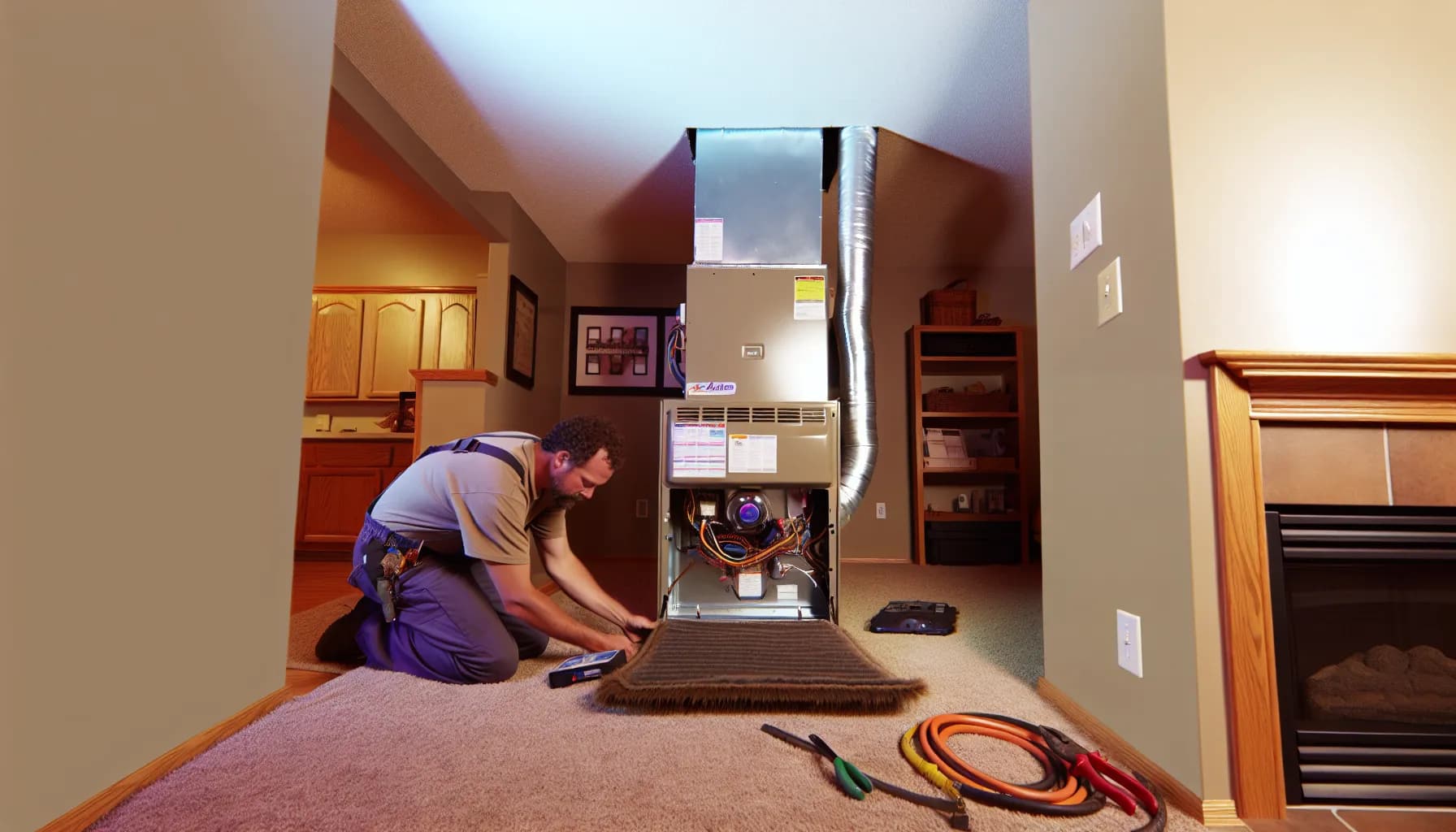
Annual inspections by a certified HVAC technician are your first line of defense. During a maintenance visit, professionals check for cracks, blockages, and proper combustion. For example, a Greenwood Village business owner avoided a CO scare when a technician found and fixed a loose vent pipe during a routine check.
Proper Furnace Installation and Ventilation
Always trust furnace installation and replacement to experienced, licensed HVAC professionals. Proper venting ensures that combustion gases are safely expelled from your home. If your furnace is located in a confined space, ask about additional ventilation options.
Importance of Carbon Monoxide Detectors
Install CO detectors on every floor of your home, especially near bedrooms and furnace rooms. Test them monthly and replace batteries twice a year. For added peace of mind, many new detectors include digital displays that show current CO levels. In Highlands Ranch, a family credited their CO detector for alerting them to a slow leak before anyone fell ill.
Safety Tips for Colorado Homeowners
What to Do if Your Carbon Monoxide Alarm Goes Off
- Evacuate everyone from the building immediately.
- Call 911 or local emergency services from outside.
- Do not re-enter the building until professionals say it is safe.
Steps to Take if You Suspect a Furnace Leak
- Turn off the furnace if safe to do so.
- Open doors and windows to ventilate the area.
- Leave the premises and contact emergency services and your HVAC provider.
For example, in Littleton, a homeowner noticed increased condensation on windows and a strange odor near their furnace. Acting quickly, they evacuated and called Alloy Heating and Cooling, who confirmed and repaired a venting issue.
When to Call a Professional HVAC Technician
Contact an HVAC technician if:
- Your carbon monoxide detector alarms
- You see signs of furnace malfunction (yellow pilot light, soot, rust on flue pipes)
- You experience unexplained health symptoms
- You want to schedule annual maintenance
Skilled technicians not only repair current issues but can also help you prevent future problems with expert guidance and system upgrades.
Conclusion: Keeping Your Home Safe from Carbon Monoxide
Carbon monoxide from furnaces is a serious health risk for Colorado residents, but it is entirely preventable with the right precautions. Schedule annual furnace inspections, install and maintain carbon monoxide detectors, and trust only experienced professionals for installation and repairs. Being proactive protects your family, employees, and property from the dangers of carbon monoxide. For peace of mind and safety, count on Alloy Heating and Cooling to keep your HVAC systems running safely and efficiently across the Front Range.
Frequently Asked Questions
How can I tell if my furnace is leaking carbon monoxide?
Warning signs include yellow or flickering pilot lights, soot around the furnace, increased condensation on windows, or carbon monoxide detector alarms. If you suspect a leak, leave your home immediately and call for professional help.
Do all furnaces produce carbon monoxide?
Most gas, oil, or wood-burning furnaces can produce carbon monoxide if not properly maintained or ventilated. Electric furnaces do not produce carbon monoxide.
How often should I have my furnace inspected for carbon monoxide leaks?
It’s recommended to have your furnace inspected by a licensed HVAC professional at least once a year, ideally before the heating season begins.
Where should I install carbon monoxide detectors in my home?
Install carbon monoxide detectors near sleeping areas, on every level of your home, and close to the furnace or any fuel-burning appliances.
What should I do if my carbon monoxide detector goes off?
Immediately evacuate everyone from the home, call 911 or your local emergency services, and do not re-enter the house until it is deemed safe by professionals.

Alloy HVAC Team
HVAC experts with years of experience in the industry. We share tips, insights, and the latest trends in heating, ventilation, and air conditioning to help you maintain optimal comfort in your home or business.