Best HVAC Systems for Colorado’s Unique Climate in 2024: What Homeowners Need to Know
Best HVAC Systems for Colorado’s Unique Climate in 2024: What Homeowners Need to Know
Living in Colorado means experiencing everything from snowstorms in May to 90-degree heat in September. The state’s dramatic temperature swings, low humidity, and high-altitude conditions create unique challenges for heating and cooling your home efficiently. Whether you live in Denver, Highlands Ranch, Boulder, or Castle Rock, choosing the right HVAC system is crucial for comfort, energy savings, and long-term peace of mind. At Alloy Heating and Cooling, we help homeowners and small businesses across the Front Range make informed decisions. Here’s what you need to know about the best HVAC systems for Colorado’s climate in 2024.
Understanding Colorado’s Unique Climate Challenges
Temperature Extremes and Rapid Weather Changes
Colorado’s weather is notorious for its unpredictability. One day might bring sunshine and 70-degree temperatures, only to be followed by a snow squall the next. These temperature swings can be tough on traditional HVAC systems, forcing them to cycle on and off frequently and work harder than in more temperate regions. Homeowners in places like Parker, Evergreen, or Monument know firsthand how quickly weather can shift. The ideal HVAC system for Colorado needs to be responsive, robust, and energy-efficient in both heating and cooling seasons.
Humidity Levels and Altitude Considerations
Colorado’s dry air, especially at elevations above 5,000 feet, can lead to discomfort, dry skin, and even issues with wood floors and furniture. Low humidity also impacts how efficiently your HVAC system operates, as dry air heats and cools differently than humid air. Additionally, altitude affects the performance of gas-powered appliances, including furnaces and air conditioners. HVAC systems must be calibrated or rated for high-altitude operation to ensure safety and efficiency. For instance, a furnace installed in Denver or Boulder will need different adjustments than one installed in Lakewood or Brighton.
Key Features to Look for in the Best HVAC System for Colorado Climate
Energy Efficiency and SEER Ratings
Energy efficiency is more important than ever for Colorado homeowners, given the state’s variable climate and rising energy costs. Look for systems with high SEER (Seasonal Energy Efficiency Ratio) ratings for cooling and high AFUE (Annual Fuel Utilization Efficiency) for heating. Higher ratings mean lower utility bills and a smaller environmental footprint. For example, a homeowner in Centennial who upgraded to a 20 SEER heat pump saw their summer cooling costs drop by nearly 30% compared to their old 13 SEER system.
Heating and Cooling Flexibility
The best HVAC systems for Colorado offer flexible heating and cooling modes. Dual-fuel systems, which combine a heat pump with a gas furnace, are particularly effective. They provide efficient electric heating during milder temperatures and automatically switch to gas heat when temperatures plunge. This adaptability is ideal for communities like Castle Pines and Golden, where winter nights can be frigid but daytime temperatures are often mild.
Air Filtration and Humidity Control
With Colorado’s dry, dusty air, advanced air filtration and humidity control are essential. Systems with HEPA or high-MERV filters can help reduce allergens, dust, and wildfire smoke particulates. Built-in humidifiers prevent static electricity and relieve respiratory discomfort. For example, one homeowner in Aurora noticed a dramatic improvement in indoor air quality and comfort after adding a whole-home humidifier to their HVAC system.
Top HVAC System Types for Colorado Homes in 2024
High-Efficiency Heat Pumps
Modern heat pumps have come a long way and are now capable of providing efficient heating even in cold climates like Colorado’s. Cold-climate heat pumps can operate at outdoor temperatures as low as -15°F, making them suitable for most Front Range and foothill locations. They are energy-efficient and offer both heating and cooling in one unit. For a family in Highlands Ranch, installing a variable-speed heat pump reduced both their heating and cooling bills while keeping their home comfortable year-round.
Furnace and Air Conditioner Combos
Traditional furnace and AC combinations remain a popular option, especially in older homes with existing ductwork. Gas furnaces with high AFUE ratings (above 95%) deliver strong, reliable heat during the coldest months. Paired with a high-SEER central air conditioner, this setup provides year-round comfort. Homeowners in Arvada or Westminster who prefer the familiarity and power of a gas furnace often choose this option, especially when upgrading from older, less efficient systems.
Ductless Mini-Split Systems
Ductless mini-split systems offer a flexible solution for homes without existing ductwork or for additions and remodeled spaces. They provide zoned heating and cooling, allowing you to control temperatures in individual rooms. This is ideal for homes in Morrison or Boulder where additions or basement remodels require extra comfort without the cost of running new ducts. Mini-splits are also highly efficient and can help solve hot or cold spot issues in larger homes.
Geothermal HVAC Systems
Geothermal heat pumps use the earth’s stable temperatures to provide heating and cooling. While the upfront investment is higher, geothermal systems deliver impressive efficiency and long-term savings. For homeowners planning to stay in their homes for years, especially those in rural areas like Franktown or Elizabeth with more land available, geothermal can be an excellent, eco-friendly choice. These systems can also qualify for significant energy rebates and tax credits.
Best Brands and Models for Colorado’s Climate
Recommended HVAC Brands for High Altitude
Not all HVAC brands are created equal when it comes to Colorado’s altitude and climate. Brands like Lennox, Trane, Carrier, and Mitsubishi are known for their reliable, high-efficiency systems that can be adjusted for high-altitude operation. For example, Lennox offers furnaces with variable-speed blowers and altitude kits, making them a solid choice for homes in higher elevation communities like Evergreen or Boulder. Mitsubishi’s ductless mini-splits are also popular for their cold-climate performance and zoning flexibility.
Top Rated Models for Energy Savings
Some of the best models for Colorado homes in 2024 include:
- Trane XV20i Heat Pump: Variable-speed compressor for precise comfort and high SEER rating.
- Lennox SL297NV Gas Furnace: Ultra-low emissions, variable-speed operation, and high AFUE for cold winters.
- Carrier Infinity 26 Air Conditioner: Superior energy efficiency and humidity control, ideal for hot, dry summers.
- Mitsubishi Hyper-Heating Mini-Splits: Delivers heat down to -13°F, perfect for Colorado winters without ductwork.
- WaterFurnace 5 Series Geothermal: Leading geothermal technology for maximum efficiency and comfort.
Choosing the right model depends on your home’s size, location, and existing infrastructure. Consulting with an HVAC expert familiar with Colorado’s climate ensures the best fit for your needs.
Installation and Maintenance Tips for Colorado Homeowners
Choosing a Qualified HVAC Contractor
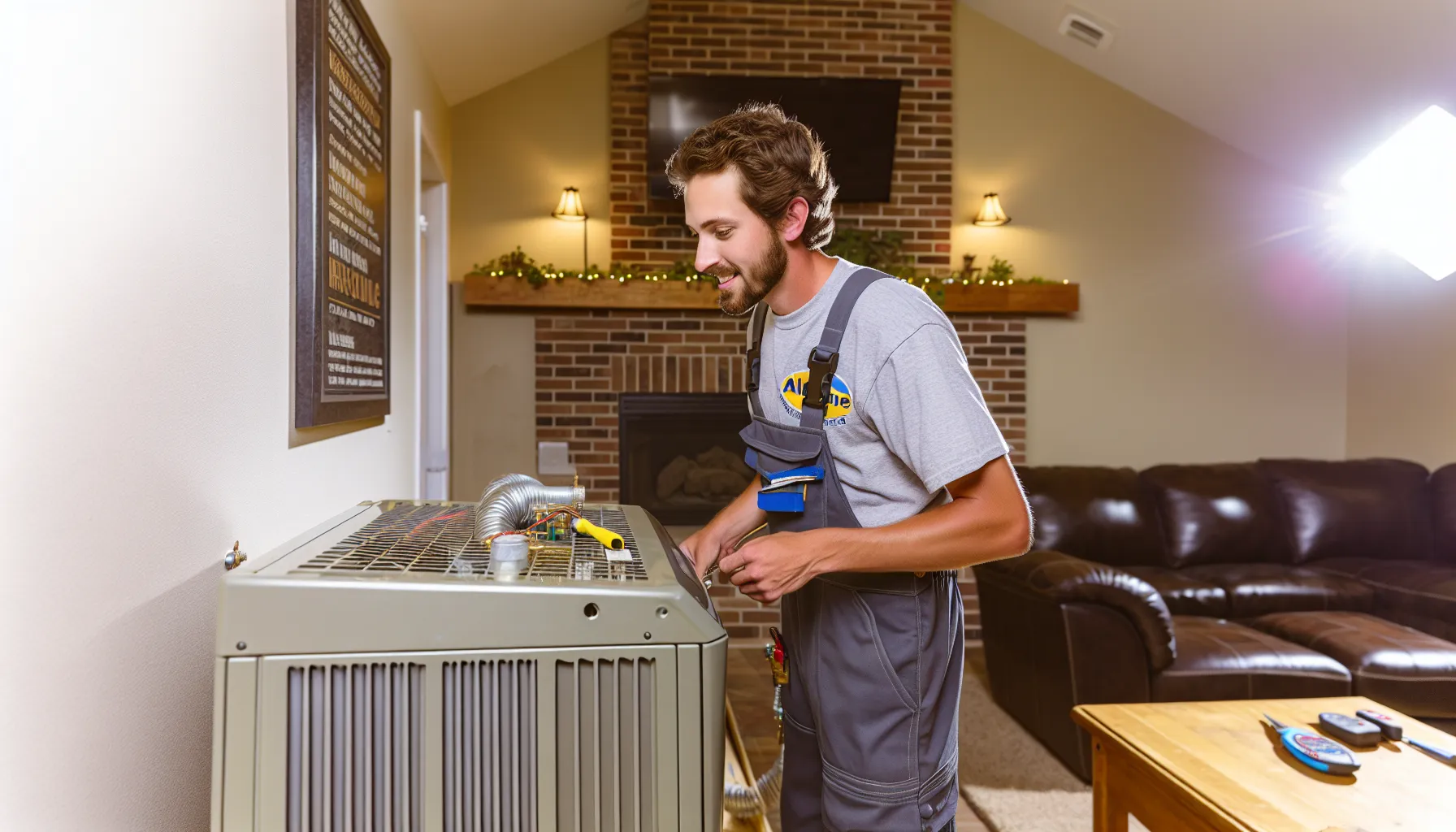
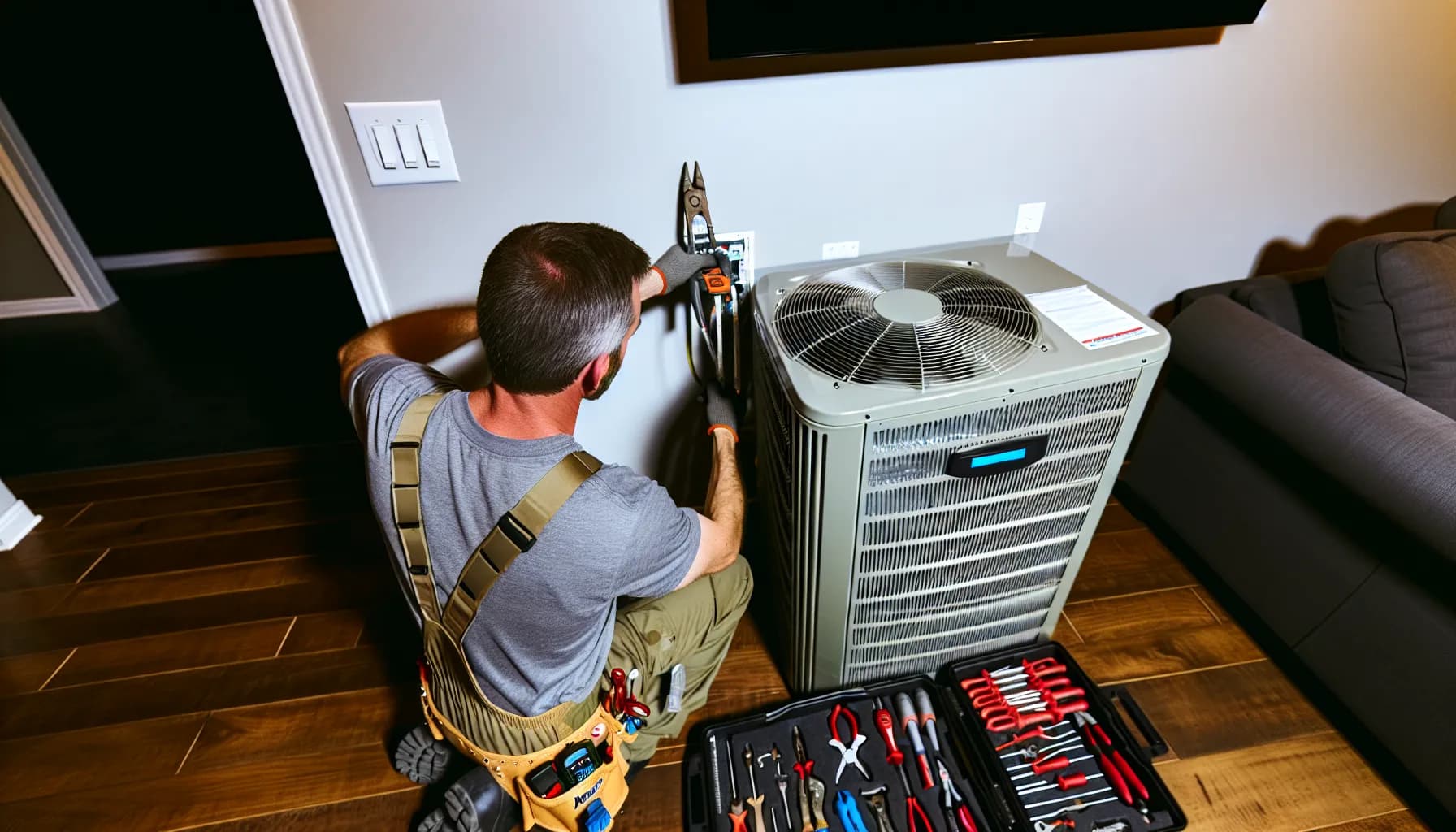
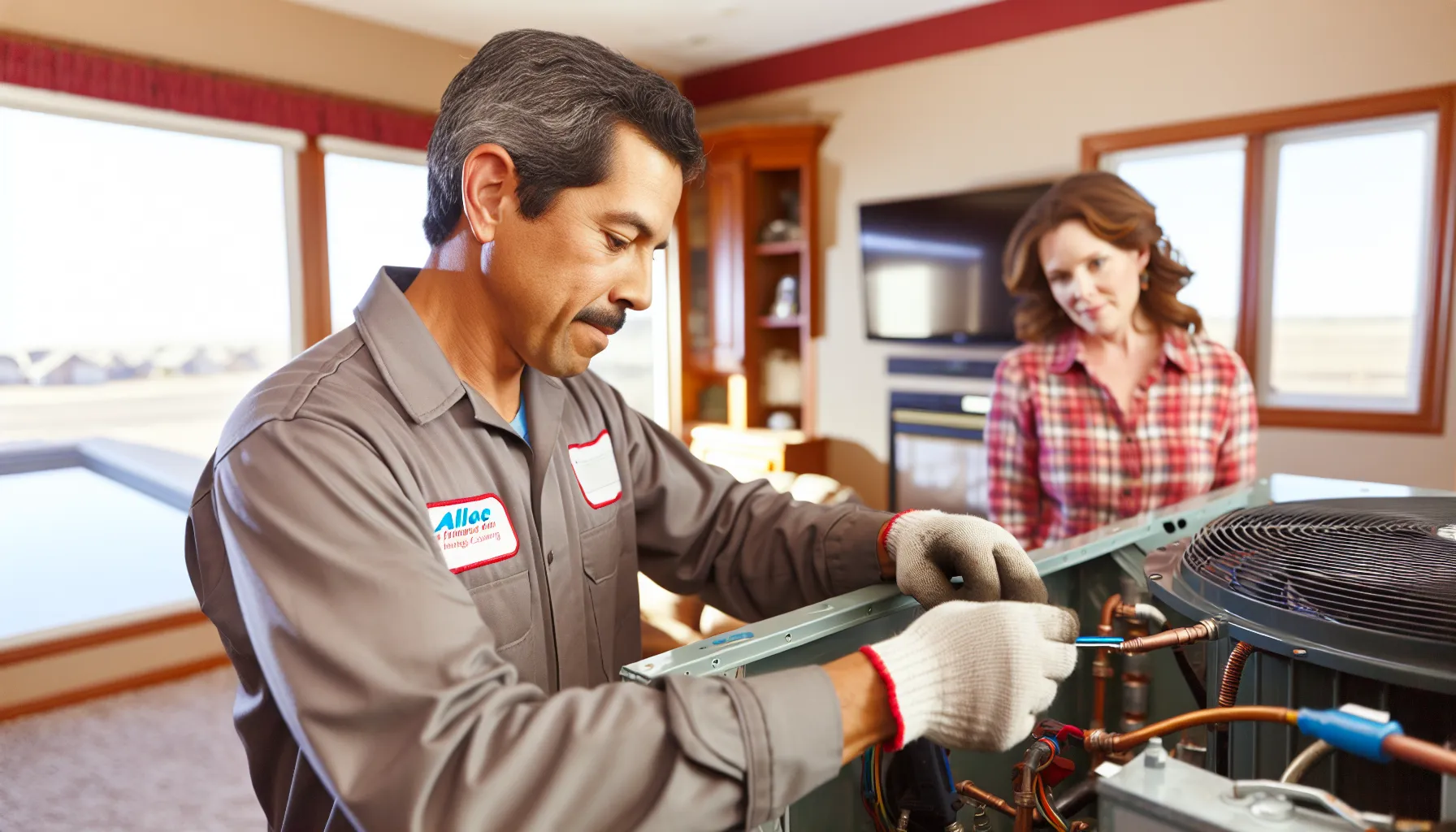
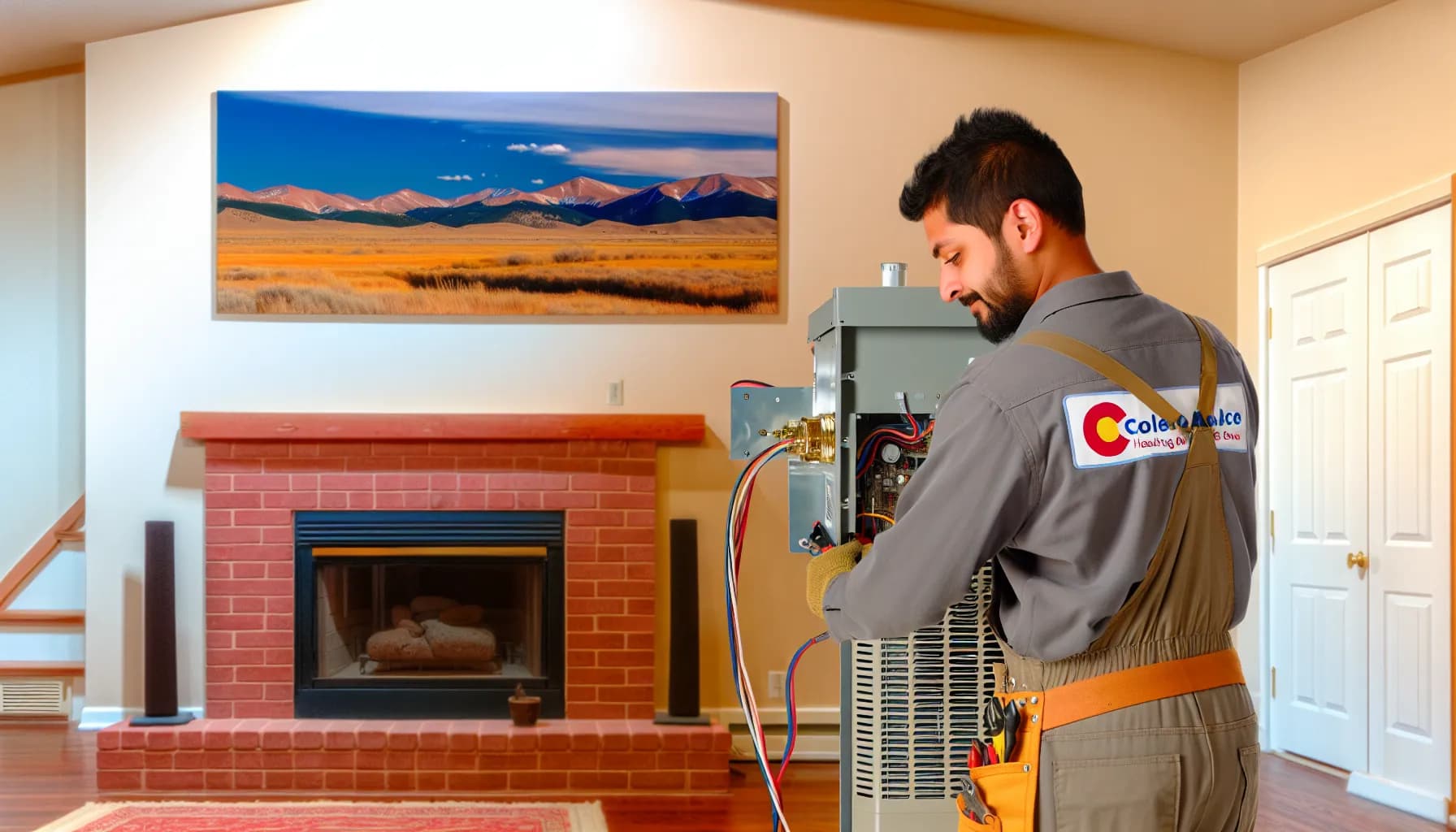
Proper installation is crucial for performance, efficiency, and system lifespan. Always choose a licensed, insured, and experienced HVAC contractor who understands Colorado’s unique climate and altitude needs. At Alloy Heating and Cooling, we regularly train our technicians on the latest equipment and high-altitude adjustments. We have hundreds of real-world installations from Castle Rock to Broomfield, each tailored to the specific needs of Colorado homeowners.
Seasonal Maintenance Checklist
Regular maintenance keeps your HVAC system running smoothly and prevents costly breakdowns. Here’s a seasonal checklist for Colorado homeowners:
- Spring: Schedule a professional AC tune-up, replace air filters, and check refrigerant levels.
- Fall: Have your furnace inspected, clean or replace filters, and test carbon monoxide detectors.
- Year-round: Monitor humidity levels, keep outdoor units free of debris, and check for unusual noises or odors.
Real-world example: A homeowner in Thornton avoided a major furnace breakdown by having routine maintenance performed in October. The technician caught a cracked heat exchanger, preventing a dangerous carbon monoxide leak and saving on emergency repairs.
By investing in regular service and choosing the right system, Colorado homeowners can enjoy year-round comfort, lower energy bills, and peace of mind, no matter what the weather brings.
Frequently Asked Questions
What is the best HVAC system for Colorado’s climate?
The best HVAC system for Colorado’s climate is typically a high-efficiency heat pump or a dual-fuel system, which provides both heating and cooling flexibility to handle temperature swings. Systems with good humidity control and high SEER ratings are also recommended.
Are heat pumps effective in Colorado’s cold winters?
Modern cold-climate heat pumps are much more effective in Colorado’s winters than older models. For the coldest areas, a dual-fuel system pairing a heat pump with a gas furnace offers optimal efficiency and comfort.
Does altitude affect HVAC system performance in Colorado?
Yes, higher altitudes in Colorado can affect HVAC performance, particularly for gas furnaces and air conditioners. It’s important to select systems rated for high altitude or have them professionally adjusted for your location.
How often should I service my HVAC system in Colorado?
It’s recommended to service your HVAC system at least twice a year—once before the heating season and once before the cooling season—to ensure peak performance and prevent breakdowns.
What energy efficiency ratings should I look for?
Look for HVAC systems with a high SEER (Seasonal Energy Efficiency Ratio) for cooling and a high AFUE (Annual Fuel Utilization Efficiency) for heating to maximize energy savings in Colorado’s variable climate.

Alloy HVAC Team
HVAC experts with years of experience in the industry. We share tips, insights, and the latest trends in heating, ventilation, and air conditioning to help you maintain optimal comfort in your home or business.