Best HVAC Systems for Colorado’s Climate in 2024: What Homeowners Need to Know
Best HVAC Systems for Colorado’s Climate in 2024: What Homeowners Need to Know
Understanding Colorado’s Unique Climate
Temperature Extremes and Seasonal Variations
Colorado’s climate is known for its dramatic swings. In one week, temperatures can swing from a snowstorm to sunny skies and 70 degrees. Homeowners in Greenwood Village, Highlands Ranch, and Boulder regularly experience chilly winters with subzero temperatures, along with hot, dry summers that push air conditioners to their limits. These extremes require HVAC systems that are both versatile and robust.
Altitude and Its Impact on HVAC Performance
Much of the Front Range, including Denver, Castle Rock, and Evergreen, sits at elevations over 5,000 feet. At this altitude, air is thinner and holds less oxygen, which impacts furnace combustion efficiency and cooling performance. For example, a furnace’s BTU output is effectively reduced at higher altitudes. Systems must be properly calibrated and sized for Colorado’s elevation to ensure comfort and efficiency.
Humidity Considerations in Colorado Homes
Colorado is known for its dry air. Humidity levels can drop below 20% in winter, leading to dry skin, static electricity, and even damage to wood floors and furniture. Homeowners in places like Parker and Littleton often notice their homes feeling uncomfortably dry during the heating season. HVAC systems equipped with whole-home humidifiers can make a dramatic difference in comfort and air quality.
Key Features to Look for in HVAC Systems for Colorado
Energy Efficiency and SEER Ratings
Energy efficiency should be a top priority for Colorado homeowners. Look for systems with high SEER (Seasonal Energy Efficiency Ratio) ratings for air conditioners and heat pumps, and AFUE (Annual Fuel Utilization Efficiency) ratings for furnaces. Higher ratings mean lower energy bills, which is especially important in areas like Aurora and Westminster where both heating and cooling demands are high.
Heating Performance in Cold Winters
Efficient, reliable heating is non-negotiable in Colorado. High-efficiency gas furnaces (with AFUE ratings of 95% or higher) are a popular choice. For example, in Castle Pines and Monument, where winter lows are common, a robust furnace ensures comfort and safety. Modern heat pumps designed for cold climates also perform well, especially when paired with a backup heat source.
Cooling Capabilities for Hot Summer Days
While winters are fierce, summer afternoons can be equally intense. Efficient central air conditioners or ductless mini-splits with high SEER ratings will keep your home cool without breaking the bank. Homeowners in Arvada and Centennial often choose variable-speed AC systems for enhanced comfort and energy savings during unpredictable heat waves.
Air Quality and Filtration Needs
With wildfires and dust storms more common in recent years, air quality has become a major concern for Colorado residents. HVAC systems with advanced filtration, such as HEPA filters or electronic air cleaners, help remove allergens and particulates. For example, homeowners in Morrison and Golden install media filters to keep indoor air clean and healthy year-round.
Top HVAC System Types for Colorado Homes in 2024
High-Efficiency Furnaces
Natural gas furnaces with variable-speed blowers and 95%+ AFUE ratings are the gold standard for Colorado’s cold winters. Brands like Lennox and Trane offer models specifically calibrated for high-altitude operation, ensuring optimal performance in areas like Sedalia and Kiowa.
Heat Pumps and Dual Fuel Systems
Cold-climate heat pumps are gaining popularity for their year-round efficiency. For instance, a Lone Tree homeowner recently upgraded to a dual fuel system, combining the efficiency of a heat pump with the power of a gas furnace. This setup switches to the furnace during freezing snaps, providing comfort and savings no matter the weather.
Central Air Conditioning vs. Ductless Mini-Splits
Central AC systems are ideal for larger homes with existing ductwork, while ductless mini-splits excel in older homes or additions where ducting is impractical. For example, a historic home in Boulder used ductless mini-splits to add AC without disrupting its architecture. Both options can be highly efficient when sized and installed correctly.
Smart HVAC Systems and Controls
Smart thermostats and zoning controls offer precise temperature management and energy savings. In Centennial, a family installed a smart system that adjusts temperatures room-by-room, reducing energy use when areas are unoccupied. Remote access and scheduling add convenience and help maintain comfort during Colorado’s rapid weather changes.
Recommended Brands and Models for Colorado’s Climate
Best Overall HVAC Systems
Brands like Carrier Infinity, Lennox Signature, and Trane XV series are consistently top performers. These systems offer high efficiency, robust heating, and advanced air quality features, making them well-suited for Colorado’s demands.
Best Value for Energy Savings
Goodman and Rheem offer reliable, energy-efficient models at a competitive price point. Their high-SEER heat pumps and furnaces help homeowners in Federal Heights and Commerce City cut utility costs without sacrificing comfort.
Most Reliable Systems for Harsh Winters
For areas prone to extreme cold, such as Palmer Lake and Elizabeth, look for high-efficiency furnaces from Bryant or American Standard. These brands are known for durability and performance in challenging climates.
Installation and Maintenance Tips for Colorado Homeowners
Choosing a Qualified Local Installer
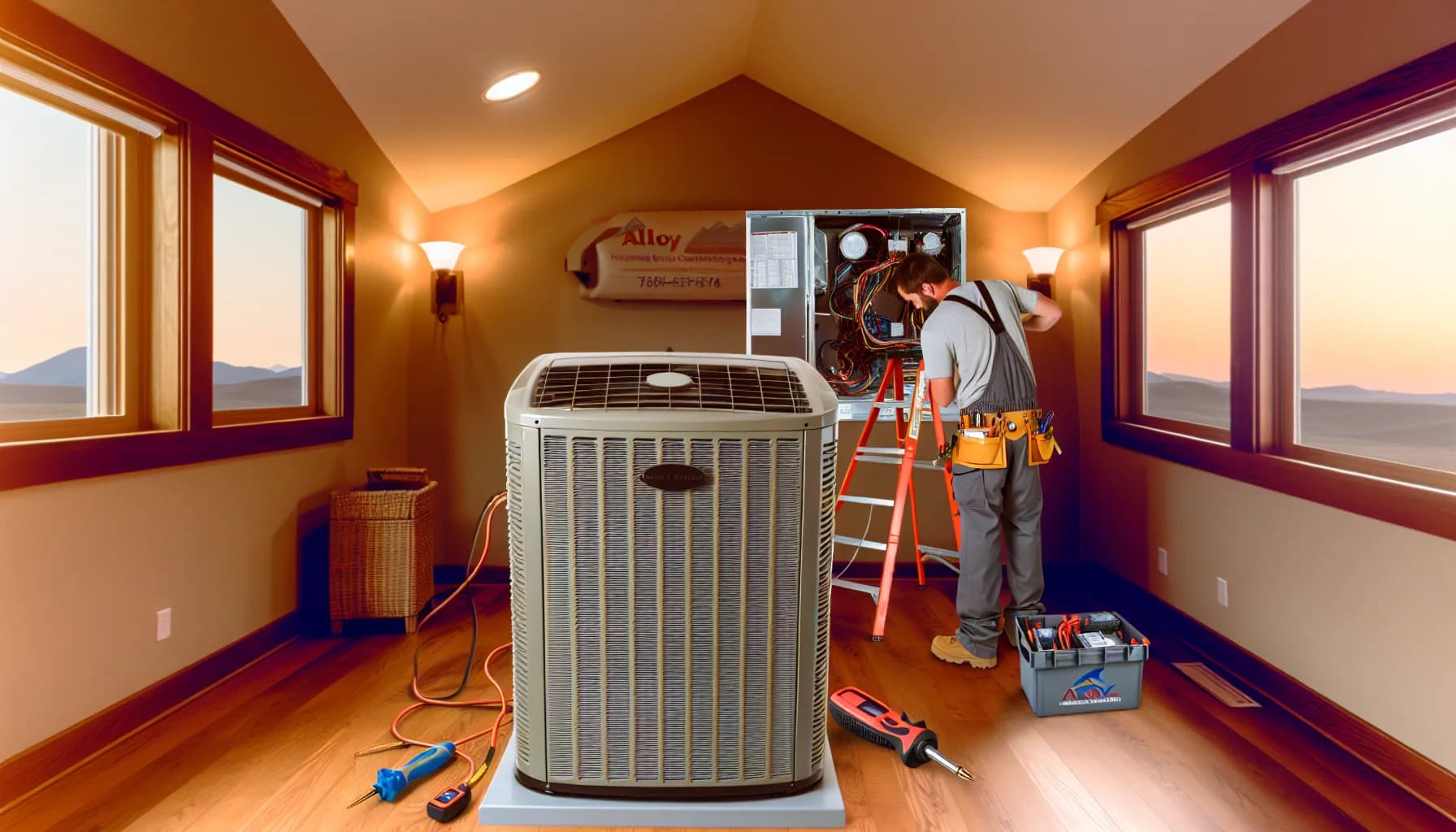
Proper installation is critical to performance and longevity. Always select a licensed, local HVAC contractor like Alloy Heating and Cooling, who understands Colorado’s unique needs. For example, our team routinely calibrates furnaces for high-altitude operation and recommends the best systems for your specific location.
Seasonal Maintenance Checklist
- Replace or clean air filters every 1-3 months
- Schedule professional inspection and tune-up each spring and fall
- Check and clear outdoor units of snow and debris
- Test thermostat settings and controls
- Inspect ductwork for leaks or blockages
Tips for Maximizing System Lifespan
Regular maintenance is key. Homeowners in Highlands Ranch who schedule annual service visits see fewer breakdowns and lower energy bills. Keep vents clear, maintain humidity levels, and address minor repairs quickly to extend your system’s life.
Frequently Asked Questions
What is the best HVAC system for Colorado's climate?
The best HVAC system for Colorado’s climate typically combines energy-efficient heating and cooling, such as a high-efficiency furnace paired with a heat pump or central air conditioning. Dual fuel systems are also popular for handling temperature swings.
Are heat pumps effective in Colorado's cold winters?
Modern heat pumps, especially cold-climate models, are effective in many parts of Colorado. For areas with extreme cold, a dual fuel system that combines a heat pump with a gas furnace offers optimal efficiency and comfort.
How important is SEER rating for HVAC systems in Colorado?
A higher SEER rating improves cooling efficiency, which can help lower energy bills during Colorado’s warm summer months. It’s especially important in areas with significant summer heat.
Should I consider humidity control in my Colorado HVAC system?
Yes, Colorado’s climate can be very dry, so incorporating a whole-home humidifier with your HVAC system can help maintain indoor comfort and protect wood furnishings.
How often should HVAC systems be serviced in Colorado?
HVAC systems in Colorado should be professionally serviced at least once a year, ideally before the heating and cooling seasons, to ensure optimal performance and longevity.

Alloy HVAC Team
HVAC experts with years of experience in the industry. We share tips, insights, and the latest trends in heating, ventilation, and air conditioning to help you maintain optimal comfort in your home or business.