Is Your Air Conditioner Blowing Warm Air? Troubleshooting AC Issues in Colorado Homes
Is Your Air Conditioner Blowing Warm Air? Troubleshooting AC Issues in Colorado Homes
There’s nothing more frustrating than turning on your air conditioner during a hot Colorado summer day, only to feel warm air coming from the vents. Whether you’re a homeowner in Littleton, a small business owner in Aurora, or managing a commercial property in Highlands Ranch, understanding why your air conditioner is blowing warm air can save you time, discomfort, and potentially money. At Alloy Heating and Cooling, we help families and businesses across the Front Range keep their spaces cool and comfortable. This guide will walk you through the most common reasons air conditioners blow warm air, explain how Colorado’s unique climate affects your AC, and provide a step-by-step troubleshooting guide. We’ll also share real-world examples and preventative tips so you can avoid future cooling surprises.
Common Reasons Your Aircon Blows Warm Air
When your air conditioner isn’t delivering the crisp, cool air you expect, it’s important to identify the root cause. Here are the top issues we see in Colorado homes:
Incorrect Thermostat Settings
It may sound simple, but incorrect thermostat settings are a frequent culprit. Sometimes, the thermostat is accidentally set to “heat” or the fan is set to “on” instead of “auto.” We visited a homeowner in Centennial who spent hours troubleshooting their system, only to discover the thermostat was set to heat after a family member changed it. Always double-check your settings before looking for more complex problems.
Dirty or Clogged Air Filters
Colorado’s dry climate means dust and pollen accumulate quickly, especially in areas like Parker and Castle Rock. A clogged filter restricts airflow, causing the system to overheat and blow warm air. We helped a small business in Broomfield whose AC struggled due to a completely blocked filter, once replaced, their cool air returned within minutes. Check your filter monthly during heavy use, and replace it at least every 1-3 months.
Refrigerant Leaks or Low Refrigerant Levels
Your AC relies on refrigerant to absorb and remove heat from your home. If there’s a leak or the refrigerant is low, your system will blow warm air. Signs include ice on the coils or a hissing noise near the unit. In Greenwood Village, we diagnosed a refrigerant leak in a home after noticing uneven cooling and increased energy bills. Only a licensed HVAC technician should handle refrigerant repairs due to safety and environmental regulations.
Electrical or Power Issues
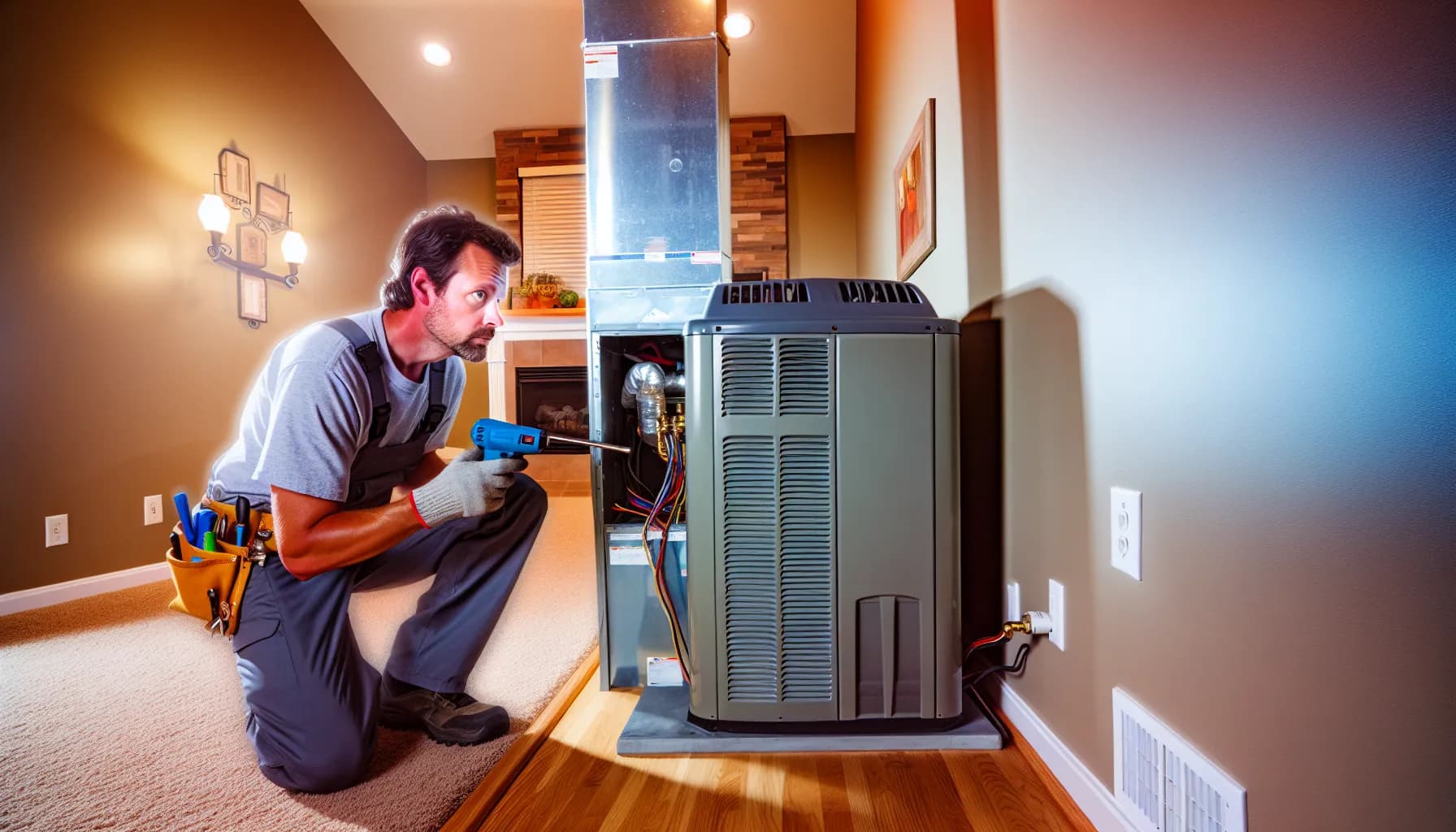
Power problems can prevent your AC from working as it should. Tripped breakers, blown fuses, or loose wiring can cause the outdoor unit to stop working while the indoor fan keeps blowing, resulting in warm air. We recently assisted a homeowner in Highlands Ranch who experienced this issue after a thunderstorm. Resetting the breaker restored their cooling, but a thorough inspection ensured no recurring electrical hazards existed.
Outdoor Unit Problems
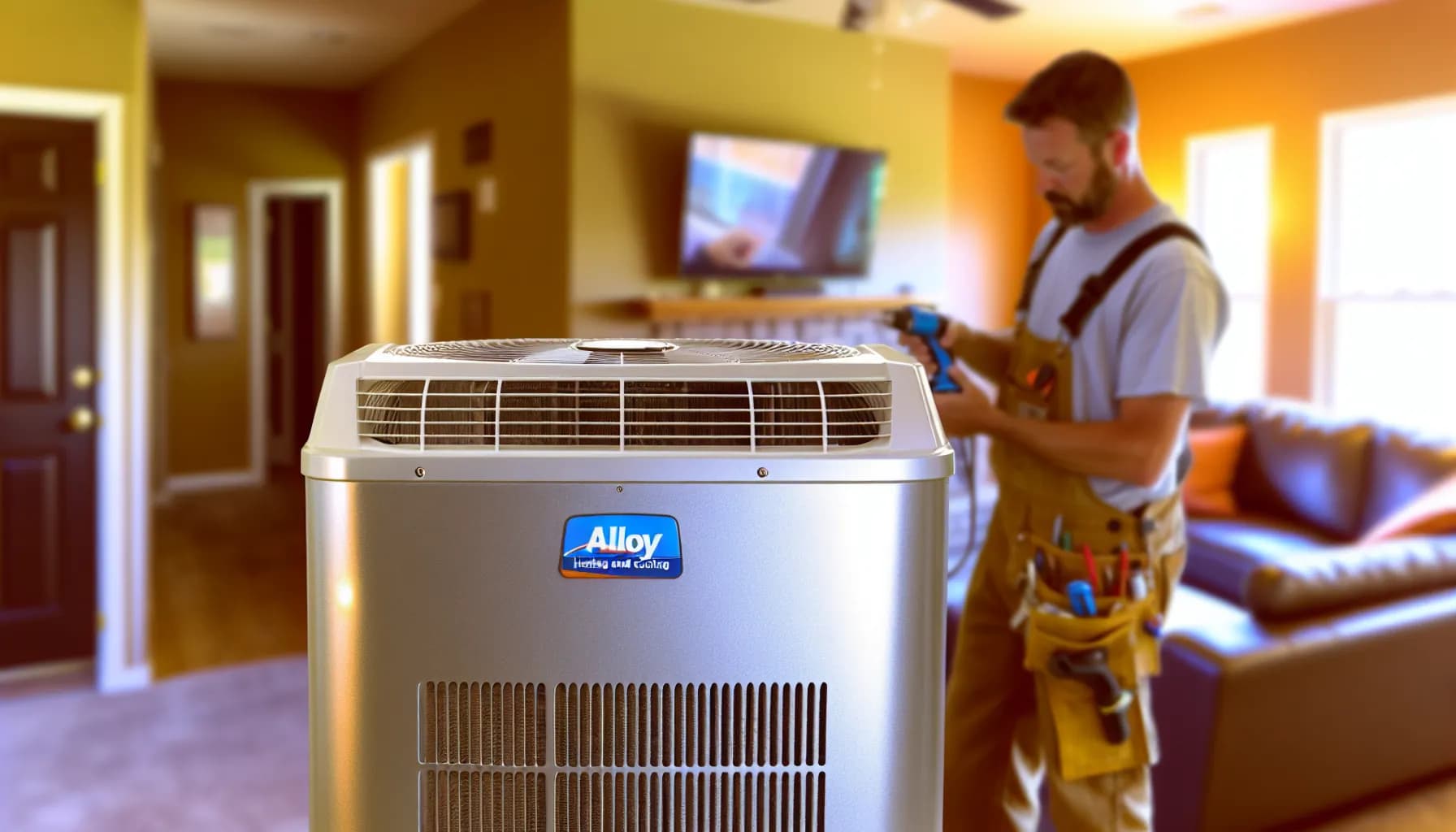
The outdoor condenser unit is vital for heat exchange. If it’s blocked by debris, dirt, or landscaping, or if the fan isn’t spinning, your AC won’t cool properly. In Morrison, we found a unit surrounded by overgrown grass and leaves, restricting airflow. After a careful cleaning and clearing, the system’s performance improved dramatically. Regularly inspect and maintain the area around your outdoor unit to ensure proper operation.
How Colorado’s Climate Affects Your AC Performance
Colorado’s unique geography and weather patterns present specific challenges for air conditioning systems. Understanding these can help you maintain efficient cooling all summer long.
Impact of High Altitude on Air Conditioners
At higher elevations like Evergreen, Golden, or Monument, air is thinner and contains less oxygen. This affects air conditioning systems in two main ways: reduced efficiency and increased wear. Manufacturers design AC units for standard sea-level conditions, so at altitude, compressors and fans may work harder. Alloy Heating and Cooling often recommends units rated for high-altitude operation or adjusts equipment settings to optimize performance for cities like Castle Pines and Boulder.
Dealing with Dry Air and Dust
Colorado’s dry, dusty environment means air filters and coils clog faster than in humid regions. Dust, pollen, and wildfire smoke can quickly reduce airflow, impact indoor air quality, and cause your system to overheat. In Franktown and Kiowa, homes near open fields or construction sites are especially vulnerable. Using high-quality filters and scheduling regular maintenance are essential for reliable cooling.
Seasonal Maintenance Tips for Colorado Homes
With large temperature swings between day and night, and sudden storms rolling across the Front Range, Colorado’s weather can be tough on air conditioners. Seasonal maintenance is key. For example, a home in Lakewood benefited from spring and fall tune-ups, which caught a failing capacitor before it caused a summer breakdown. Alloy Heating and Cooling recommends scheduling AC inspections ahead of the cooling season to ensure optimal performance and longevity.
Step-by-Step Troubleshooting Guide for Warm Air Issues
If your AC is blowing warm air, follow these steps before calling a professional. Many issues can be resolved with basic checks, saving you time and money.
Checking the Thermostat and Power Supply
- Ensure the thermostat is set to “cool” and the temperature is below the current room temperature.
- Check that the fan is set to “auto” so it only runs during the cooling cycle.
- Replace old thermostat batteries (especially in older units).
- Verify that the circuit breaker for the AC unit has not tripped.
- Inspect the disconnect switch near the outdoor condenser, it should be in the “on” position.
Inspecting and Replacing Air Filters
- Locate your system’s air filter (typically near the return air duct or blower compartment).
- Remove the filter and hold it up to a light. If you can’t see light through it, it’s time to replace it.
- Choose a replacement filter with the correct size and MERV rating for your system.
- Reinstall the new filter with the airflow arrows pointing toward the blower.
Examining the Outdoor AC Unit
- Turn off power at the disconnect or breaker before inspecting the unit.
- Clear leaves, grass, and debris from the area around the condenser.
- Visually inspect the coils for dirt, ice buildup, or physical damage.
- Check if the fan is spinning when the system is running (listen for any unusual sounds).
- If you notice ice or water around the unit, turn it off and call a professional, this often indicates refrigerant or airflow issues.
When to Call a Professional AC Technician
Some AC issues require the expertise and tools of a licensed HVAC technician. Call Alloy Heating and Cooling if you notice:
- Persistent warm air after basic troubleshooting.
- Strange noises like hissing, banging, or grinding from the indoor or outdoor unit.
- Ice buildup on refrigerant lines or coils.
- Repeated tripped breakers or power issues.
- Visible refrigerant leaks (oily residue or puddling near the unit).
One homeowner in Westminster tried multiple DIY fixes for their warm air problem, but it turned out to be a faulty capacitor and low refrigerant. Our technician diagnosed and repaired the issue safely in a single visit. Attempting repairs on refrigerant or electrical components without proper training can be dangerous and may void your equipment warranty.
Preventative Maintenance to Avoid Warm Air Problems
Prevention is the best defense against unexpected AC failures. Here’s how you can keep your system running smoothly all summer long:
Regular AC Servicing
Scheduling annual HVAC inspections is one of the most effective ways to prevent warm air problems. Professional technicians clean coils, check refrigerant levels, test electrical components, and ensure the system is operating efficiently. In Roxborough Park, a commercial client avoided a costly mid-summer breakdown thanks to Alloy’s routine maintenance program, which identified a worn-out contactor before it failed.
Cleaning and Care Tips
- Keep the area around your outdoor condenser clear of plants, mulch, and debris.
- Hose down the outdoor coils gently at the start and end of each cooling season to remove dust and pollen.
- Change your air filter regularly, monthly during heavy use or if you have pets, allergies, or live near construction.
- Ensure all supply and return vents inside the home are unobstructed by furniture or curtains.
Importance of Professional Inspections
Even the most diligent homeowners can miss hidden problems. Annual inspections allow a qualified technician to spot early signs of wear, leaks, or electrical issues. In Cherry Hills Village, a routine Alloy Heating and Cooling visit caught a refrigerant leak before it caused major damage. Investing in professional care not only reduces the risk of warm air issues but also extends the lifespan of your AC system.
Remember, Colorado’s unique climate presents challenges for air conditioning systems. By staying proactive with maintenance, you can enjoy reliable, efficient cooling all season long. If your air conditioner is blowing warm air and basic troubleshooting isn’t solving the problem, Alloy Heating and Cooling is here to help. We proudly serve Greenwood Village, Englewood, Littleton, Lone Tree, Highlands Ranch, Parker, Southglenn, Castlewood, Aurora, Foxfield, Cherry Hills Village, Centennial, Denver, Lakewood, Wheat Ridge, Arvada, Westminster, Commerce City, Thornton, Northglenn, Castle Pines, Castle Rock, Sedalia, Franktown, Elizabeth, Kiowa, Evergreen, Golden, Morrison, Ken Caryl, Roxborough Park, Bow Mar, Glendale, Sheridan, Federal Heights, Brighton, Broomfield, Erie, Niwot, Lafayette, Louisville, Boulder, Monument, Palmer Lake, and beyond.
Frequently Asked Questions
Why is my air conditioner blowing warm air instead of cold?
Common causes include incorrect thermostat settings, dirty air filters, refrigerant issues, or problems with the outdoor unit. Checking these components can help identify the source of the problem.
Can Colorado’s dry climate affect my air conditioner’s performance?
Yes, the dry and dusty conditions in Colorado can clog filters and affect cooling efficiency. Regular maintenance is important to keep your AC running properly.
What should I do if replacing the air filter doesn’t fix the warm air problem?
If a new filter doesn’t help, check the thermostat, ensure power to the system, and inspect the outdoor unit. If the issue persists, contact a professional technician.
How often should I service my air conditioner in Colorado?
It’s recommended to have your AC professionally serviced at least once a year, ideally before the cooling season begins.
Is it safe to troubleshoot AC issues on my own?
Basic troubleshooting like checking the thermostat or replacing filters is safe, but refrigerant or electrical issues should be handled by licensed professionals.

Alloy HVAC Team
HVAC experts with years of experience in the industry. We share tips, insights, and the latest trends in heating, ventilation, and air conditioning to help you maintain optimal comfort in your home or business.