Window vs Wall Air Conditioners: Which is Better for Your Colorado Home?
Window vs Wall Air Conditioners: Which is Better for Your Colorado Home?
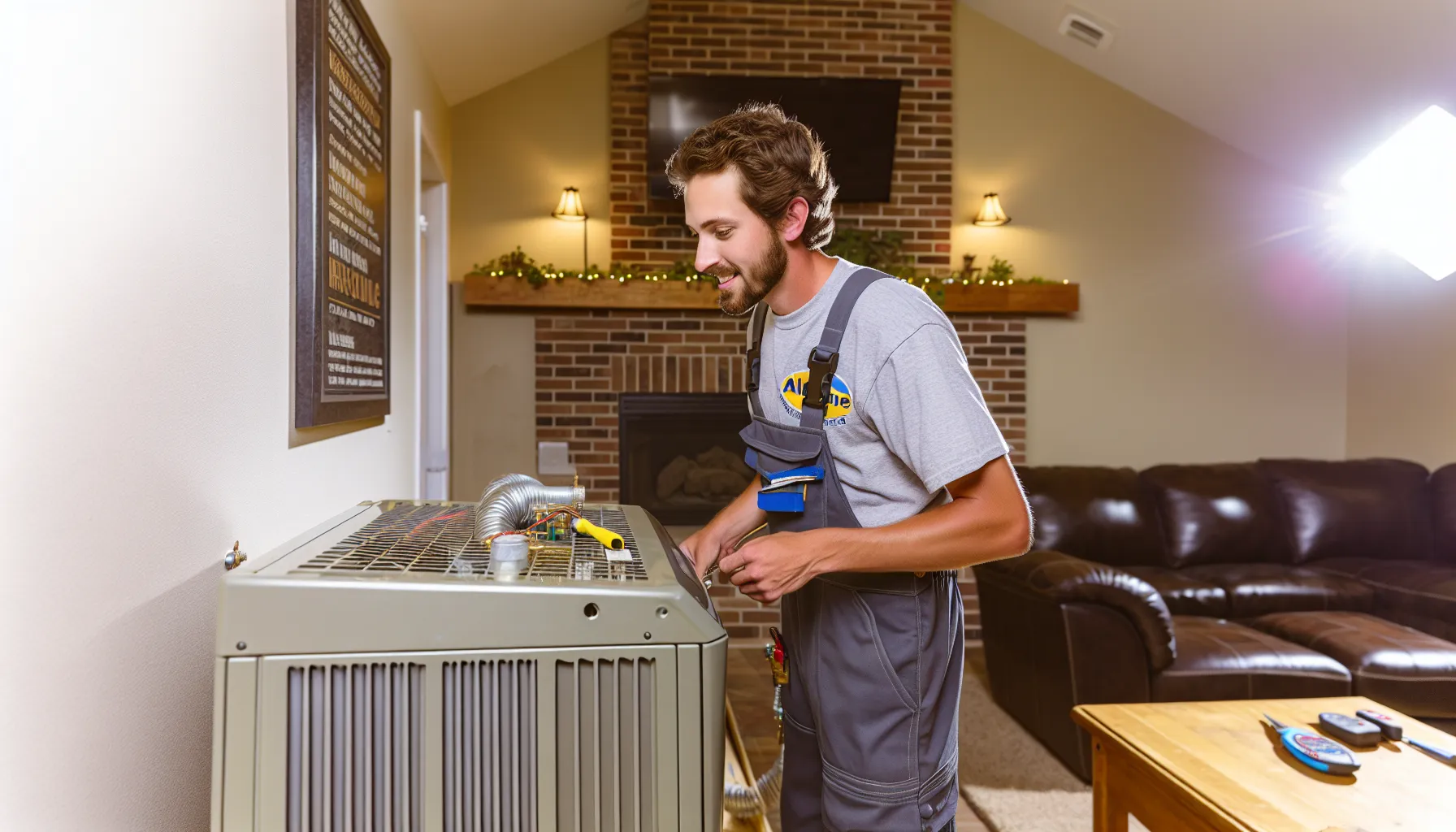
When summer temperatures spike in Colorado, homeowners and small businesses often turn to air conditioners for relief. But with so many options available, narrowing down the right type for your space can be tricky. Two of the most popular solutions for single rooms or smaller spaces are window and through wall air conditioners. But which is best for Colorado’s unique climate and housing styles? At Alloy Heating and Cooling, we help clients make informed decisions suited to their needs. Let’s break down the differences and help you choose the right unit for your home or business.
Understanding Window and Through Wall Air Conditioners
What is a Window Air Conditioner?
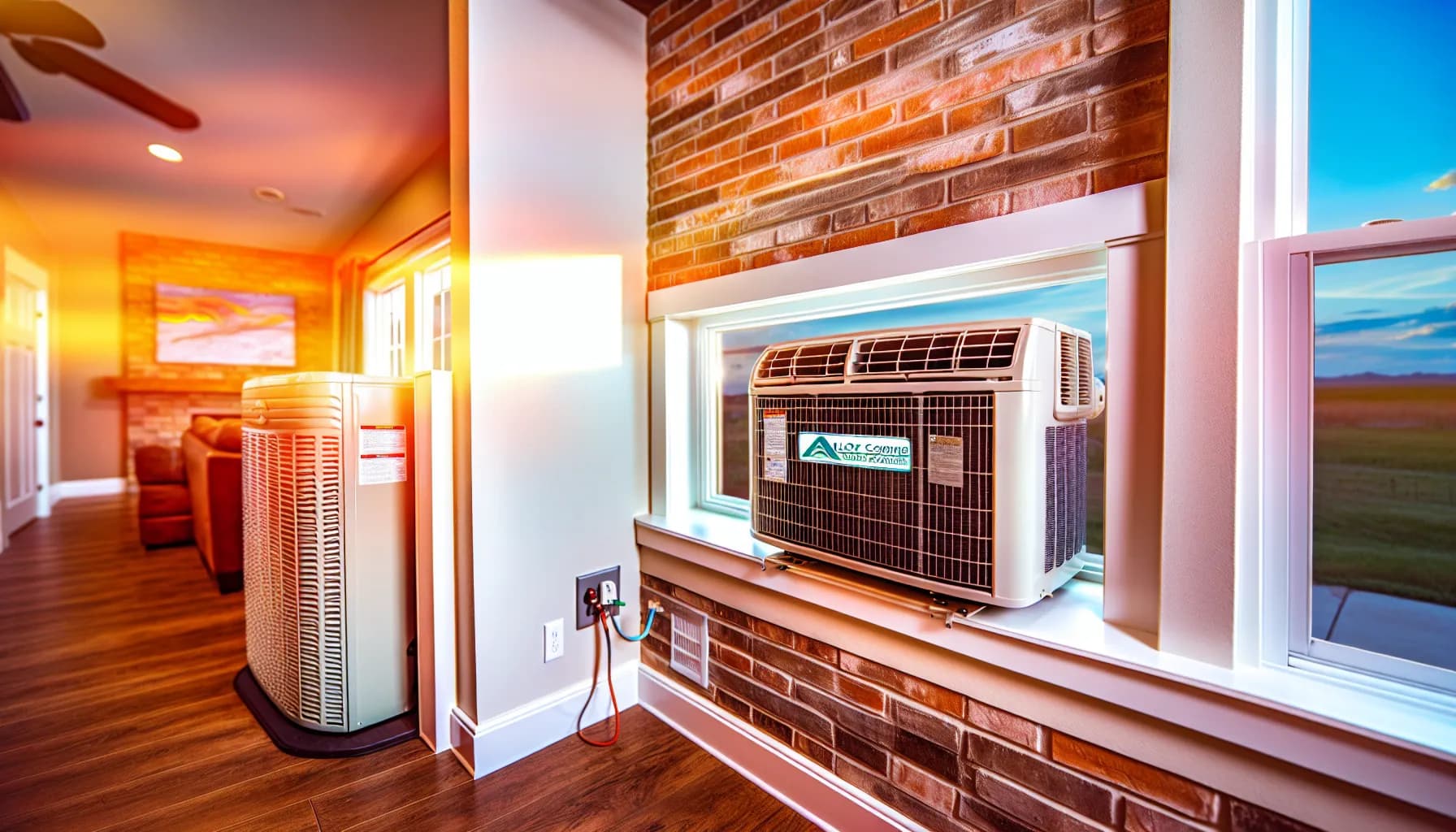
A window air conditioner is a self-contained cooling unit that sits inside a window opening. The back of the unit exhausts hot air outside, while the front blows cool air into the room. Window AC units are popular for their affordability and ease of installation. Homeowners in areas like Littleton, Centennial, and Aurora often use them to cool bedrooms, home offices, or apartments.
What is a Through Wall Air Conditioner?
Through wall air conditioners are installed directly into an exterior wall using a sleeve. Unlike window units, wall ACs do not take up window space and are permanently fixed. These units are designed with heavier insulation and are often more durable. In commercial settings or older homes in Denver and Boulder where window space is minimal, through wall ACs are a practical solution.
Key Differences Between Window and Wall AC Units
- Installation: Window units slot into a window opening, while wall units require a specially cut hole in an exterior wall.
- Insulation: Wall units create a more airtight seal and often provide better insulation.
- Mobility: Window units can be removed for storage during winter, but wall units are permanent fixtures.
- Appearance: Wall units are less visually intrusive since they do not occupy a window.
Pros and Cons of Window Air Conditioners in Colorado
Advantages of Window ACs
- Affordability: Window ACs are generally less expensive to purchase and install.
- Easy Installation: Most homeowners in Greenwood Village or Englewood can install a window unit themselves without professional help.
- Portability: Units can be removed and stored when not needed, freeing up window space and protecting the unit from winter weather.
Disadvantages of Window ACs
- Window Blockage: Occupies window space, reducing natural light and limiting ventilation.
- Security Risk: A window unit can be a weak point for break-ins if not installed securely.
- Insulation Issues: Less effective at sealing out drafts, which can be a concern during Colorado’s colder months.
Pros and Cons of Through Wall Air Conditioners in Colorado
Advantages of Through Wall ACs
- Better Insulation: Wall units provide a tight seal, helping maintain indoor comfort year-round.
- Space-Saving: Does not block windows, preserving natural light and views.
- Higher Durability: Designed for permanent installation, reducing wear and tear over time. Ideal for commercial properties and high-use areas in places like Highlands Ranch and Castle Rock.
Disadvantages of Through Wall ACs
- Installation Complexity: Requires cutting into an exterior wall, which usually needs a professional HVAC technician for proper installation.
- Higher Upfront Cost: Both the unit and installation are typically more expensive than window models.
- Permanence: Once installed, the unit is not easily moved or removed.
Comparing Window Air Conditioner vs Through Wall: Key Factors
Energy Efficiency
Through wall air conditioners are generally more energy efficient due to their airtight seal and better insulation. In a Colorado home where winters can be frigid, a wall unit helps prevent drafts and heat loss. For example, a homeowner in Evergreen might notice lower energy bills after switching from a window to a wall unit, especially during transitional months.
Installation and Maintenance
Window units win in terms of ease of installation. Many homeowners in Parker or Thornton simply set the unit in place and plug it in. Through wall units, however, need a precise wall cutout and a sleeve, which should be handled by a licensed HVAC technician. Maintenance for both types includes cleaning filters and checking for leaks, but wall units are less likely to develop insulation problems over time.
Cooling Performance
Both window and wall units can cool individual rooms effectively. However, wall units often have higher BTU capacities and can handle larger spaces. In commercial settings or for cooling larger living rooms in Castle Pines or Broomfield, through wall units may offer superior performance.
Aesthetics and Space Considerations
Window units can be visually intrusive, especially in living spaces where natural light and views are valued. Through wall units, by maintaining window space, offer a less disruptive appearance and are less noticeable from inside and outside the home.
Which Air Conditioner is Best for Colorado Homes?
Climate Considerations in Colorado
Colorado’s climate is marked by hot summers and cold winters. Homes in areas like Golden or Morrison need cooling in the summer but also must retain heat in the winter. Through wall units offer better year-round insulation, making them well-suited for local weather patterns.
Home Types and Compatibility
For apartments, condos, or rental homes in Denver and Aurora, window ACs are often preferred because they’re temporary and easy to install. For permanent residences, especially single-family homes or businesses, wall units provide a lasting solution without compromising window space.
Cost Comparison
Window AC units generally have a lower upfront cost and installation can often be DIY. Through wall units require a bigger investment and professional installation, but their energy efficiency and durability can lead to cost savings over time. For instance, a family in Roxborough Park may pay more initially for a wall unit but save on heating and cooling bills in the long run.
Conclusion: Making the Right Choice for Your Home
When choosing between window and through wall air conditioners, consider your home type, budget, and long-term needs. Window units are affordable and easy to install, making them great for temporary or seasonal cooling. Through wall units, while more expensive upfront, offer better insulation, durability, and aesthetics, ideal for Colorado’s variable weather and permanent installations. If you need personalized advice or professional installation, Alloy Heating and Cooling proudly serves homeowners and businesses from Boulder to Castle Rock and everywhere in between.
Frequently Asked Questions
Are through wall air conditioners more energy efficient than window units?
Through wall air conditioners typically offer better energy efficiency and insulation compared to window units, as they create a more airtight seal within the wall.
Can I install a window air conditioner in a wall opening?
Window air conditioners are not designed for wall installations and may not fit or function properly in a wall opening. Through wall units are specifically built for this purpose.
Which unit is quieter: window or through wall air conditioners?
Through wall air conditioners are generally quieter because the wall provides additional sound insulation compared to a window frame.
Is installation more difficult for through wall air conditioners?
Yes, installing a through wall air conditioner usually requires cutting a hole in the exterior wall and may involve more complex installation compared to simply placing a window unit.
Which type of air conditioner is better for Colorado's climate?
The best type depends on your home’s layout and insulation needs, but through wall units often offer better year-round insulation, making them a good choice for Colorado’s variable climate.

Alloy HVAC Team
HVAC experts with years of experience in the industry. We share tips, insights, and the latest trends in heating, ventilation, and air conditioning to help you maintain optimal comfort in your home or business.