Window vs. Wall Air Conditioners: Which Is Right for Colorado Homes?
Window vs. Wall Air Conditioners: Which Is Right for Colorado Homes?
Colorado’s unique climate, altitude, and mix of historic and modern homes present homeowners and small businesses with specific challenges when it comes to choosing the right air conditioning solution. While central air is a popular choice, many properties rely on either window or wall air conditioners for supplemental or primary cooling. So, which option is best for your Colorado home? Let’s break down the differences, advantages, and considerations to help you make an informed decision.
Understanding Window and Wall Air Conditioners
What Is a Window Air Conditioner?
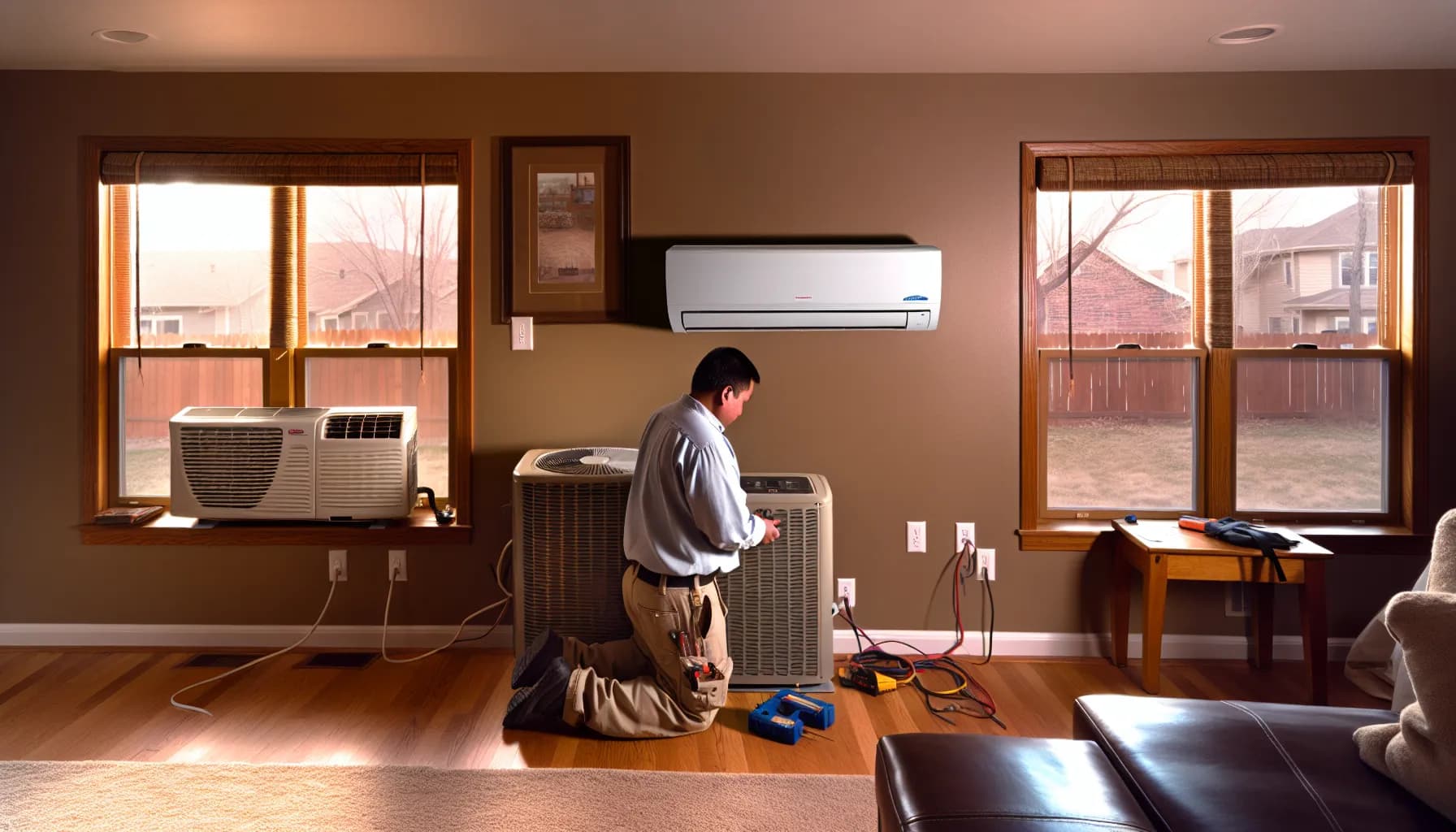
Window air conditioners are self-contained units designed to fit into a standard double-hung window frame. They pull warm air from the room, cool it with refrigerant, and blow it back into the space while expelling heat outdoors through the back of the unit.
Window ACs are a popular choice for apartments, older homes without ductwork, or for cooling single rooms. In cities like Denver or Boulder, many homeowners use them to supplement a central system or cool a specific area, such as a sunroom or home office.
What Is a Wall Air Conditioner?
Wall air conditioners, also known as through-the-wall units, are installed directly into a wall opening. Unlike window units, they do not rely on a window for support and are often considered a more permanent solution. Wall ACs are commonly found in condos, basements, and additions where ductwork is limited or absent.
Installation requires cutting a hole in an exterior wall and sometimes adding a custom sleeve for structural support and insulation. This setup can be ideal for Colorado homes with limited window space or where maintaining window functionality is important.
Key Differences Between Window and Wall Units
- Installation: Window units sit in a window frame, while wall units require a custom wall opening.
- Portability: Window units are easier to install and remove seasonally. Wall units are designed for permanent or semi-permanent installation.
- Insulation: Wall units can offer better insulation and weatherproofing if installed correctly.
- Aesthetics: Wall units preserve window views and natural light, while window units block part of the window.
Comparing Wall Air Conditioner vs Window Air Conditioner for Colorado Climate
Energy Efficiency in Colorado’s Weather
Colorado’s climate features low humidity, cool nights, and a high number of sunny days. These conditions mean that air conditioners may not run as frequently as in more humid states, but efficiency still matters, especially during heatwaves in July and August.
Wall air conditioners generally offer better energy efficiency due to their permanent, better-sealed installation. They are less prone to drafts and air leaks compared to window units, which often have gaps around the frame. However, modern window units have improved with tighter seals and energy-saving features, making them competitive for short-term or supplemental use, especially in rooms that need cooling only part of the year.
Installation Considerations for Colorado Homes
Older neighborhoods in Denver or Littleton often feature homes with unique architecture or historic restrictions, which can make wall unit installation challenging. Window units are less invasive and easily removed at the end of the season, making them a practical choice for older homes or rentals.
For newer homes in Highlands Ranch or Centennial with more flexible layouts, wall units can be a discreet solution, especially if homeowners want to preserve window views or avoid blocking emergency egress windows.
Performance in High Altitude Environments
At higher elevations, such as Evergreen or Monument, air conditioners have to work harder due to thinner air. Both window and wall units will experience slightly reduced efficiency, but wall units, because of their tighter installation, can help minimize performance losses. For best results, choose a unit rated for higher capacity than you might need at sea level, and ensure regular maintenance to keep the system running efficiently.
Pros and Cons: Wall Air Conditioner vs Window Air Conditioner
Advantages and Drawbacks of Window ACs
- Pros: Easy to install and remove, affordable upfront cost, ideal for renters or seasonal use, no permanent alterations to the home.
- Cons: Can block window views and natural light, may allow drafts if not installed tightly, less energy efficient over the long term, and can be noisy.
Real-World Example: A Denver homeowner uses a window AC to keep their attic art studio cool in the summer. When fall arrives, they remove the unit to restore the full view and airflow from the window.
Advantages and Drawbacks of Wall ACs
- Pros: Preserves window function, better insulation, permanent installation, quieter operation, higher capacity options available.
- Cons: Requires a wall cutout and professional installation, higher upfront cost, not easily removed, may not be allowed in some rentals or historic homes.
Real-World Example: In Castle Rock, a homeowner with a finished basement installs a wall AC to keep the space comfortable for guests year-round, without sacrificing valuable window space or light.
Cost Comparison and Long-term Value
Window air conditioners are typically less expensive, with many quality units available under $500. Wall air conditioners cost more, usually ranging from $600 to $1,500 installed, due to the need for a wall sleeve and professional labor. However, wall units often last longer and can add value for homeowners looking for a permanent solution. Over time, their energy efficiency and reduced draft risk can also lower utility bills, especially during Colorado’s hottest months.
Choosing the Right Air Conditioner for Your Colorado Home
Room Size and Cooling Needs
Choose an air conditioner based on the size of the room and the direction it faces. South- and west-facing rooms in Colorado get more sun and may need a larger unit. As a guideline, a 10,000 BTU unit can cool up to 450 square feet comfortably. Wall units can accommodate larger spaces due to their higher capacity, while window units are best for bedrooms, offices, and small living spaces.
Building Codes and HOA Restrictions
Check with your local municipality and HOA before installing a wall unit, as cutting into exterior walls may require a permit or may be prohibited in some neighborhoods, especially in historic districts like Cherry Hills Village or Boulder. Window units are generally allowed but may have seasonal restrictions on their use.
Aesthetic and Space Considerations
Wall units are ideal if you want to preserve window views or need to install AC in a room without suitable windows. They are also less visible from the outside if installed on a less conspicuous wall. Window units are more noticeable but can be removed when not needed, restoring the home’s original appearance.
For example, a Lone Tree homeowner chose wall units for their media room and home gym to keep both spaces comfortable without giving up the panoramic mountain views from their large windows.
Installation and Maintenance Tips for Colorado Residents
Professional vs DIY Installation
Window units can typically be installed by a handy homeowner with a screwdriver and a level. Always follow manufacturer instructions for securing the unit and sealing gaps with weatherstripping. Wall units, on the other hand, almost always require professional installation to ensure structural integrity, proper insulation, and safe electrical connections.
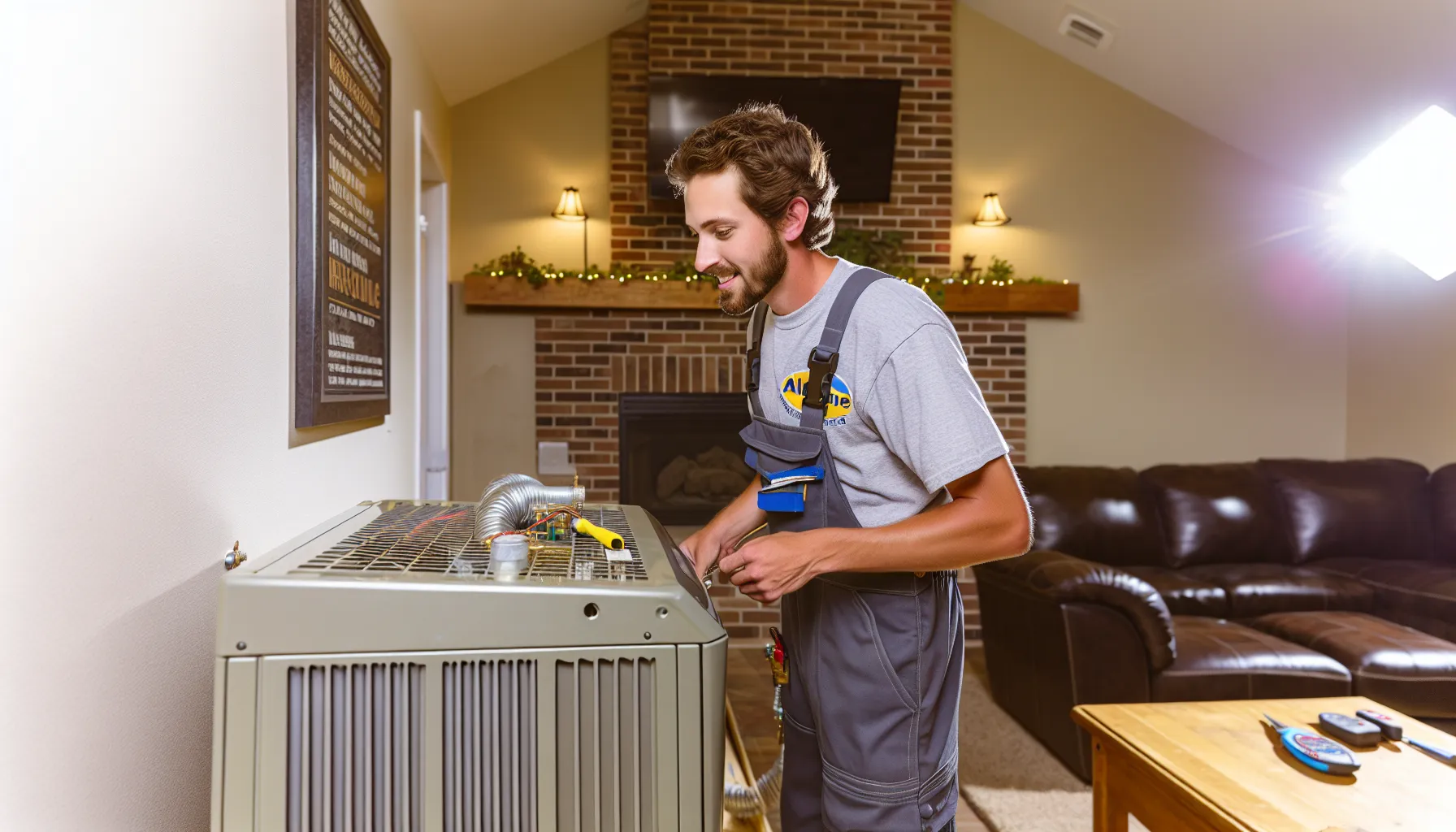
At Alloy Heating and Cooling, we recommend consulting with an HVAC expert before making wall modifications, as incorrect installation may lead to water leaks, drafts, or even structural issues.
Winterizing Your Air Conditioner
Colorado’s winters can be harsh. Window units should be removed and stored in a dry place to prevent cold drafts and ice buildup. If left in place, use an insulated cover. Wall units should be fitted with a weatherproof cover or closed tightly with interior insulation to prevent energy loss during the off-season.
Maintenance Best Practices
- Clean or replace air filters monthly during peak use.
- Inspect and clean coils at the start of each cooling season.
- Check seals and insulation for drafts, especially after winter.
- Schedule annual professional maintenance for wall units to ensure long-term performance and efficiency.
For instance, a Centennial homeowner who regularly cleaned their wall AC’s filter reported lower energy bills and better performance throughout the summer.
Conclusion
Both window and wall air conditioners can keep Colorado homes comfortable throughout the summer. Window units are great for smaller spaces, renters, or seasonal use. Wall units offer a permanent, efficient solution for larger rooms or homes where window space is at a premium. Your decision should factor in your home’s layout, your cooling needs, and local regulations. For expert advice or installation, Alloy Heating and Cooling is here to help homeowners and businesses across the Front Range stay cool and comfortable, no matter what Colorado’s weather brings.
Frequently Asked Questions
Which is more energy efficient: wall or window air conditioners?
Wall air conditioners are typically more energy efficient due to their better insulation and permanent installation, but high-efficiency window units can also perform well, especially for smaller rooms.
Can I install a wall air conditioner in a rental property in Colorado?
You should always check with your landlord or property management company, as wall air conditioners require cutting into the wall, which may not be permitted in rentals.
Are window air conditioners suitable for Colorado’s climate?
Yes, window air conditioners are suitable for Colorado’s generally dry and mild summer climate, particularly for single rooms or smaller spaces.
How do altitude and weather affect air conditioner performance in Colorado?
Higher altitudes can reduce air conditioner efficiency, so choosing a unit with slightly higher capacity and regular maintenance is important for optimal performance.
Which type is easier to install: wall or window air conditioner?
Window air conditioners are generally easier and quicker to install, while wall units require more permanent modifications and professional installation.

Alloy HVAC Team
HVAC experts with years of experience in the industry. We share tips, insights, and the latest trends in heating, ventilation, and air conditioning to help you maintain optimal comfort in your home or business.