Warning Signs Your Furnace Could Be Leaking Carbon Monoxide in Colorado
Warning Signs Your Furnace Could Be Leaking Carbon Monoxide in Colorado
Understanding Carbon Monoxide in Furnaces
What is Carbon Monoxide?
Carbon monoxide (CO) is an invisible, odorless, and tasteless gas that can be extremely dangerous when inhaled. It’s produced whenever fuel such as natural gas, propane, oil, or wood is burned. Because it can’t be detected by human senses, carbon monoxide is often called the “silent killer.”
How Does Carbon Monoxide Form in Furnaces?
In furnaces, CO forms when the fuel does not burn completely. A properly operating, well-maintained furnace produces only trace amounts of carbon monoxide, which are safely vented outside. However, if the furnace is malfunctioning or improperly vented, dangerous amounts of CO can build up inside your home or business. For example, a cracked heat exchanger or a blocked flue can prevent gases from venting correctly, causing CO to leak indoors.
Why Colorado Homes Are at Risk
Colorado’s cold winters mean furnaces run for longer periods, increasing the potential for wear and tear. Many homes are tightly sealed for energy efficiency, which can make it harder for any trapped carbon monoxide to dissipate. This combination of heavy furnace use and tight building envelopes makes regular maintenance especially important for homes and businesses in Greenwood Village, Englewood, Littleton, Lone Tree, Highlands Ranch, Parker, Denver, and surrounding areas.
Common Warning Signs of Carbon Monoxide Leaks from Your Furnace
Physical Symptoms in Occupants
One of the first warnings of a carbon monoxide leak may be how people feel inside your home or business. Symptoms can mimic the flu or a cold, making them easy to overlook. These include headaches, dizziness, nausea, fatigue, confusion, and shortness of breath. If these symptoms improve when you leave the building, carbon monoxide may be the culprit. In severe cases, exposure can lead to loss of consciousness or even death. For instance, a Highlands Ranch family once noticed ongoing headaches and fatigue every winter. After calling Alloy Heating and Cooling for a furnace inspection, a cracked heat exchanger was discovered and replaced, resolving the recurring symptoms.
Unusual Furnace Operation
Watch for changes in how your furnace runs. Warning signs include:
- Yellow or flickering burner flames (the flame should be steady and blue in gas furnaces)
- Frequent pilot light blowouts
- Furnace shutting off unexpectedly
- Strange smells, like burning or overheating (though carbon monoxide itself is odorless, these smells can signal problems)
In an Englewood commercial building, the maintenance staff noticed their furnace’s pilot light kept going out. An inspection revealed a blocked vent, which was causing incomplete combustion and CO buildup.
Visible Signs Around the Furnace
Look for physical evidence near your furnace or vents:
- Soot, scorch marks, or rusting on or around the furnace
- Excess moisture or condensation on windows or walls near the furnace
- Stale or stuffy indoor air, especially when the furnace is running
For example, a homeowner in Parker noticed unusual black streaks around the furnace vent and called Alloy Heating and Cooling. Our technicians found a venting issue that was quickly corrected to prevent CO exposure.
Carbon Monoxide Detector Alerts
A carbon monoxide detector sounding an alarm is a serious warning and should never be ignored. These devices are designed to alert you before CO levels become life-threatening. If your detector goes off, evacuate your home immediately and call emergency services.
Causes of Carbon Monoxide Leaks in Furnaces
Cracked Heat Exchanger
The heat exchanger is a critical furnace component that separates combustion gases from the air that circulates through your home. Over time, repeated heating and cooling cycles can cause the metal to crack. Even a small crack can allow carbon monoxide and other combustion byproducts to mix with indoor air. In older homes throughout Denver and Littleton, cracked heat exchangers are a common culprit behind CO leaks.
Blocked or Malfunctioning Ventilation
Your furnace’s vent or flue is responsible for directing combustion gases outside. Blockages from debris, nests, or ice buildup can cause gases to back up into your living space. During Colorado’s heavy snowfall, it’s not unusual for vent pipes to become blocked by ice or snowdrifts, especially in homes in Evergreen, Golden, or Morrison. Regularly check that vents remain clear of obstructions.
Improper Furnace Installation or Maintenance
If a furnace is installed incorrectly or has not been maintained, it’s more likely to develop issues that lead to CO leaks. This includes improper gas pressure settings, loose connections, or poor vent design. Always hire a licensed, experienced HVAC technician to ensure your furnace is operating safely and efficiently.
What To Do If You Suspect a Carbon Monoxide Leak in Your Furnace
Immediate Steps to Take
- Evacuate everyone from your home or business right away. Do not stop to gather belongings.
- Open windows and doors as you leave to allow fresh air to circulate.
- Do not re-enter the building until it has been checked and cleared by professionals.
When to Call Emergency Services
If anyone is experiencing symptoms of CO poisoning or your detector is sounding an alarm, call 911 or your local emergency number from a safe location. Emergency responders have the equipment to check CO levels and can provide medical assistance if needed. In one real-world scenario, a Southglenn homeowner’s CO detector went off in the middle of the night. They evacuated and called emergency services, who confirmed elevated CO levels and traced the source to a blocked vent.
Getting Professional Furnace Inspection in Colorado
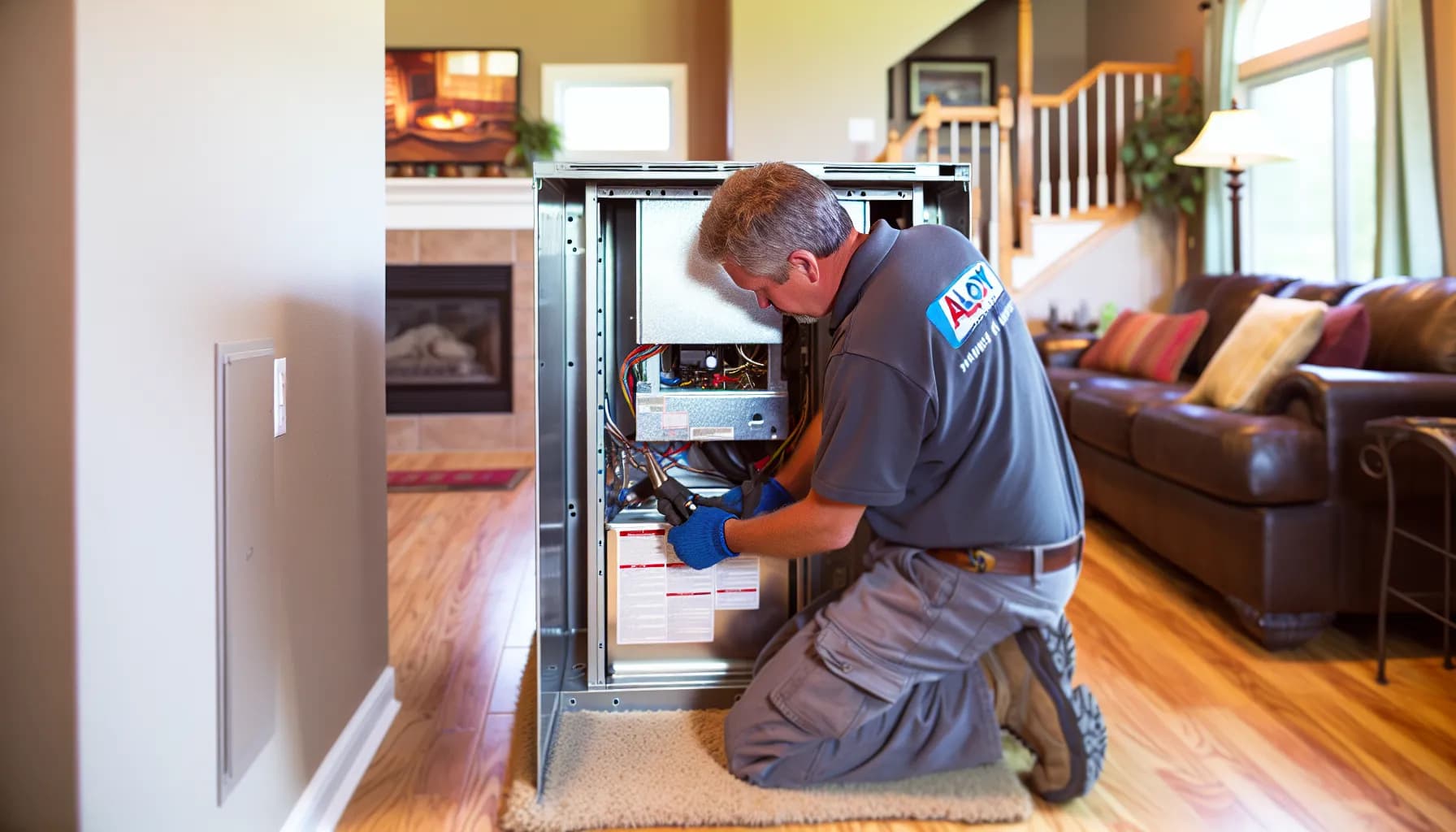
After the immediate danger has passed, contact a qualified HVAC company like Alloy Heating and Cooling for a thorough inspection and repair. Our technicians serve the entire Denver metro area and can identify the source of the leak, make necessary repairs, and help prevent future issues.
Preventing Carbon Monoxide Leaks in Colorado Homes
Regular Furnace Maintenance
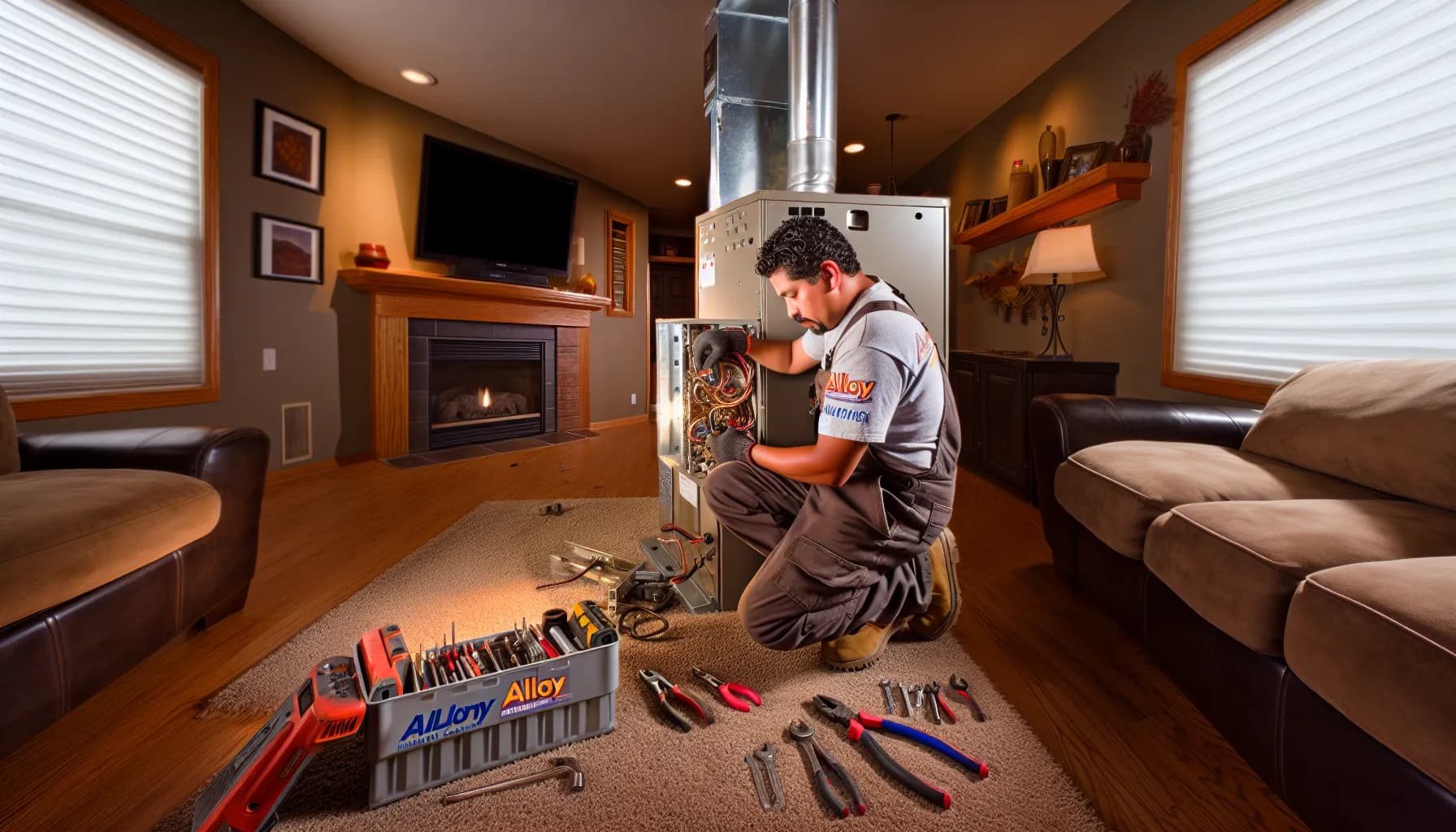
Annual furnace maintenance is the best way to prevent carbon monoxide leaks. During a maintenance visit, a certified technician will inspect the heat exchanger, clean the burners, check all safety controls, and ensure proper venting. This not only keeps your system running safely but also improves efficiency and extends its lifespan. Alloy Heating and Cooling offers maintenance plans for homeowners, small businesses, and commercial properties throughout Colorado.
Installing and Testing Carbon Monoxide Detectors
Install CO detectors on every level of your home, especially near sleeping areas and close to the furnace. Test detectors monthly and replace batteries at least twice a year. If your alarm ever sounds, take it seriously and follow emergency procedures. Colorado law requires CO detectors in most residences, reflecting the importance of this simple safety device.
Choosing a Qualified HVAC Technician
Always hire licensed, insured, and experienced HVAC professionals for installation, repair, and maintenance. Look for technicians who have undergone background checks, hold relevant certifications, and have a strong local reputation. Alloy Heating and Cooling’s team is highly trained to spot the early signs of CO problems, recommend solutions, and ensure your family’s safety.
Conclusion
Protecting your Colorado home or business from carbon monoxide leaks requires vigilance, regular maintenance, and a proactive approach to safety. If you notice any warning signs or simply want peace of mind, schedule a furnace inspection with Alloy Heating and Cooling. Our expertise keeps your heating system running safely so you can stay comfortable all winter long.
Frequently Asked Questions
What are the symptoms of carbon monoxide poisoning from a furnace?
Symptoms can include headaches, dizziness, nausea, shortness of breath, confusion, and flu-like symptoms. Severe exposure can lead to loss of consciousness or even death.
How can I tell if my furnace is leaking carbon monoxide?
Warning signs include yellow or flickering burner flames, soot or scorch marks around the furnace, excess condensation on windows, and unexplained physical symptoms among household members. A carbon monoxide detector alert is a strong indicator.
Is carbon monoxide in furnace common in Colorado homes?
Due to colder climates and frequent furnace use in Colorado, there is an increased risk if systems are not properly maintained or vented.
How often should I have my furnace inspected for carbon monoxide leaks?
It’s recommended to have your furnace professionally inspected and serviced at least once a year, ideally before the heating season begins.
What should I do if my carbon monoxide detector goes off near my furnace?
Evacuate your home immediately, call 911 or emergency services, and do not re-enter until it has been deemed safe by professionals.

Alloy HVAC Team
HVAC experts with years of experience in the industry. We share tips, insights, and the latest trends in heating, ventilation, and air conditioning to help you maintain optimal comfort in your home or business.