SEER Ratings Explained: How to Choose an Efficient Air Conditioner for Colorado Homes
SEER Ratings Explained: How to Choose an Efficient Air Conditioner for Colorado Homes
When it comes to keeping your Colorado home comfortable during the summer months, choosing the right air conditioner is crucial. One of the most important factors to consider is the SEER rating. But what exactly does SEER mean, and how can you use it to make the best choice for your household or business? At Alloy Heating and Cooling, we help homeowners and business owners across Colorado, from Greenwood Village to Boulder, navigate these decisions with confidence. Let’s dive into SEER ratings and what they mean for your comfort, energy bills, and long-term savings.
What Is SEER Rating on AC Units?
Definition of SEER
SEER stands for Seasonal Energy Efficiency Ratio. It is a standard measurement used to determine how efficiently an air conditioner cools your home throughout the cooling season. In simple terms, a higher SEER rating means greater efficiency, which can result in lower energy bills and less wear and tear on the environment.
How SEER Is Calculated
The SEER rating is calculated by dividing the total cooling output of an air conditioner (measured in BTUs) during a typical cooling season by the total electrical energy input (measured in watt-hours) over the same period. This calculation provides a clear picture of how much cooling you receive for every unit of energy consumed. For example, if your AC unit produces 60,000 BTUs over a season and uses 5,000 watt-hours of electricity, its SEER rating would be 12. The higher the number, the more efficient the unit.
Why SEER Rating Matters
Choosing an air conditioner with a good SEER rating can have a noticeable impact on your monthly utility bills. More efficient systems not only save money but also reduce your carbon footprint. In Colorado, where summer temperatures can fluctuate, investing in a high-SEER system ensures your home stays comfortable without breaking the bank. For commercial properties or small businesses, these savings can be even more significant given the larger spaces and longer operating hours typical in these settings.
Understanding SEER Ratings in Colorado’s Climate
Colorado’s Unique Cooling Needs
Unlike states with high humidity and prolonged heat waves, Colorado’s summer climate is generally dry, with moderate to high daytime temperatures and cooler nights. Homes in areas like Highlands Ranch, Centennial, or Castle Rock may not need to run their air conditioners continuously, but efficient cooling is still essential during those hotter months. You want a system that can handle peak days without using excess energy when it’s not needed.
Optimal SEER Ratings for Colorado Homes
For most Colorado homes, a SEER rating between 14 and 18 strikes a good balance. This range provides excellent efficiency for our climate and usually comes with features that enhance comfort, such as multi-stage compressors or variable-speed fans. For example, a homeowner in Lone Tree upgraded from a 10 SEER unit to a 16 SEER model and noticed a 25% drop in summer energy costs, all while enjoying steadier cooling. If you have a larger home or operate a business in a high-occupancy building, a higher SEER rating (18 or above) might be worth the investment for greater efficiency and control.
How to Choose the Right SEER Rating for Your Home
Balancing Efficiency and Cost
While it’s tempting to go for the highest SEER rating available, it’s important to consider your budget and actual cooling needs. Higher SEER air conditioners generally cost more upfront. The key is to find a unit that offers the best efficiency for your price range. For instance, a family in Aurora weighed their options between a 14 SEER and a 20 SEER unit. While the 20 SEER would offer maximum savings, the increased upfront cost would take over ten years to recoup in energy savings. They opted for a 16 SEER model, striking a good balance between upfront investment and ongoing savings.
Long-Term Savings vs. Upfront Investment
Consider how long you plan to stay in your home. If you’re settling in for the long haul in Evergreen or Boulder, investing in a high-SEER system can pay off in lower energy bills year after year. If you plan to move in a few years, a mid-range SEER unit may make more sense. Also, keep in mind that utility rebates and incentives for high-SEER equipment can help offset the initial cost.
SEER and Home Size Considerations
Matching the SEER rating to your home’s size and layout is vital. An oversized or undersized air conditioner will not operate efficiently, regardless of its SEER rating. Our technicians at Alloy Heating and Cooling use precise calculations, taking into account square footage, insulation, window placement, and other factors, to recommend the right size and SEER for your unique property. For a large, multi-story home in Castle Pines, we recently installed a 17 SEER variable-speed system that delivered even cooling and significant energy savings compared to their old single-stage unit.
Other Factors Impacting Air Conditioner Efficiency
Proper Installation
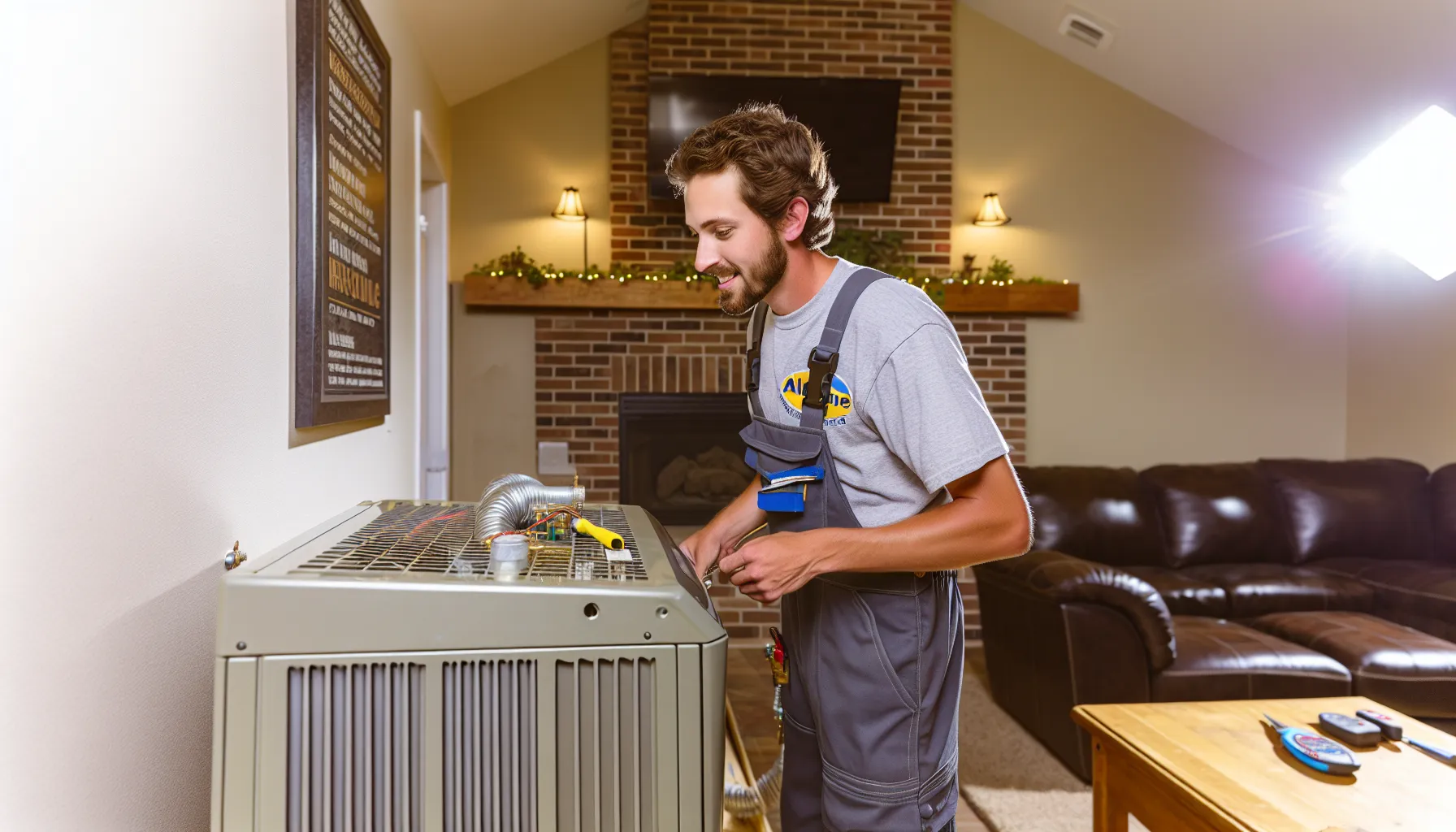
No matter how high the SEER rating, poor installation can lead to energy waste and performance issues. We’ve seen homes in Parker and Denver where improper installation negated the benefits of a high-efficiency system. Our certified team ensures your new AC is installed to manufacturer specifications, maximizing its potential and warranty coverage.
Maintenance Best Practices
Regular maintenance keeps your air conditioner running at its peak SEER performance. Simple steps like changing filters, cleaning coils, and scheduling annual tune-ups with Alloy Heating and Cooling can prolong your system’s life and efficiency. Neglecting maintenance can reduce your system’s SEER efficiency by as much as 10-15% over time.
Additional Energy-Saving Features
Modern air conditioners often include features that enhance energy savings, such as programmable thermostats, zoning systems, and variable-speed compressors. These upgrades further improve comfort and efficiency, allowing you to fine-tune settings for different areas of your home or business. For example, a small business in Lakewood installed a system with a smart thermostat, resulting in better temperature control and noticeable reductions in energy costs during peak hours.
Frequently Asked Questions About SEER Ratings
Frequently Asked Questions
What is a good SEER rating for an air conditioner in Colorado?
A SEER rating of 14 to 18 is generally recommended for most Colorado homes, balancing efficiency and cost. Homes with higher cooling demands may benefit from even higher SEER ratings.
Does a higher SEER rating always mean better energy savings?
While higher SEER ratings indicate better efficiency, the actual savings depend on your usage, home size, and local climate. It’s important to balance SEER with your budget and specific needs.
Are there rebates for high-SEER air conditioners in Colorado?
Yes, many utility companies in Colorado offer rebates or incentives for installing high-efficiency, high-SEER air conditioners. Check with your local provider for current programs.
How do I find the SEER rating on my current AC unit?
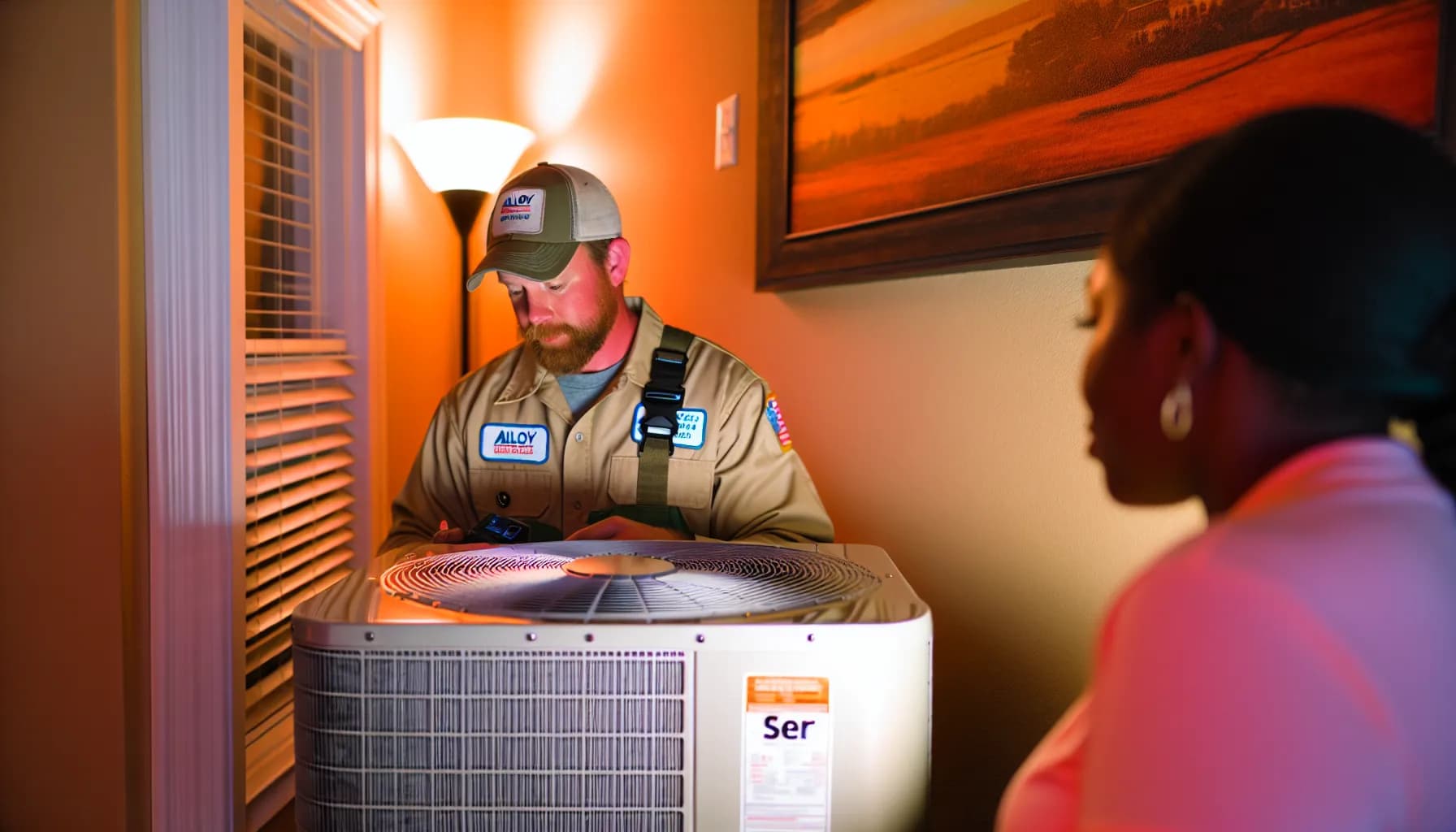
The SEER rating is usually listed on a label on the outdoor unit or in the product documentation. If you can’t locate it, contact the manufacturer with your model number.
Is SEER the only factor I should consider when buying an air conditioner?
No, while SEER is important, also consider factors like proper sizing, installation quality, maintenance requirements, and additional features such as programmable thermostats or variable-speed compressors.

Alloy HVAC Team
HVAC experts with years of experience in the industry. We share tips, insights, and the latest trends in heating, ventilation, and air conditioning to help you maintain optimal comfort in your home or business.