Understanding SEER Ratings: What Colorado Homeowners Need to Know About Energy-Efficient AC Units
Understanding SEER Ratings: What Colorado Homeowners Need to Know About Energy-Efficient AC Units
As energy costs rise and summer temperatures climb across Colorado, homeowners are looking for ways to stay cool without breaking the bank. One of the most important factors in choosing a new air conditioning system is the SEER rating. But what exactly does SEER mean, and how does it impact your comfort, budget, and the environment in Colorado? At Alloy Heating and Cooling, we help homeowners and businesses throughout Greenwood Village, Englewood, Littleton, Lone Tree, Highlands Ranch, and beyond make smart choices about their HVAC systems. Here’s everything you need to know about SEER ratings and energy-efficient AC units for Colorado homes.
What is a SEER Rating on AC Units?
Definition of SEER Rating
SEER stands for Seasonal Energy Efficiency Ratio. This rating measures how efficiently an air conditioner or heat pump cools your home during a typical cooling season. In simple terms, the higher the SEER rating, the more efficiently the unit uses electricity to provide cooling.
How SEER Ratings are Calculated
SEER is calculated by dividing the total cooling output (measured in British Thermal Units, or BTUs) by the total electrical energy input (in watt-hours) over a typical cooling season. For example, if an AC unit provides 60,000 BTUs of cooling while using 5,000 watt-hours of electricity, its SEER rating would be 12. The calculation takes into account a range of outdoor temperatures to simulate real-world use.
Why SEER Ratings Matter for Homeowners
Understanding SEER ratings helps homeowners compare the long-term operating costs of different AC units. A higher SEER means lower energy bills, less strain on the environment, and often better indoor comfort. For instance, upgrading from a SEER 10 unit (common in older homes) to a SEER 16 unit can reduce your cooling costs by up to 37%.
SEER Ratings and Colorado’s Climate
How Colorado’s Weather Impacts AC Efficiency
Colorado’s climate is unique. With its high elevation, dry air, and wide temperature swings, air conditioners in our region face different challenges than in humid or coastal areas. While our summers are generally moderate, heatwaves are becoming more common along the Front Range and in cities like Denver, Aurora, and Boulder. These periods of intense heat can push older or lower-SEER AC units to their limits, leading to higher energy bills, uneven cooling, and more frequent repairs.
Recommended SEER Ratings for Colorado Homes
Because Colorado does not experience the same prolonged humidity as southern states, you may not need the highest SEER unit available. However, the U.S. Department of Energy now requires a minimum SEER rating of 14 in the northern U.S., including Colorado. Many energy experts and local utilities recommend choosing a unit with a SEER of at least 14 or 15. For larger homes, frequent AC use, or homeowners looking for maximum comfort and efficiency, SEER ratings of 16 or even 20+ can offer significant long-term savings.
Real-World Example: In Highlands Ranch, a homeowner replaced their 20-year-old 10 SEER AC with a new 16 SEER unit. Over the first summer, their electricity bill dropped by nearly 30% during peak cooling months, and the home felt more comfortable during heatwaves.
Choosing the Right SEER Rating for Your AC Unit
Balancing Cost and Energy Savings
While higher SEER units are more efficient, they also come with a higher upfront cost. It’s important to weigh the initial investment against the potential energy savings over the life of the unit. For many Colorado homeowners, a SEER 14 or 16 unit strikes a good balance between efficiency and affordability.
Scenario: A small business in Aurora wanted to reduce their cooling costs without overspending. After reviewing energy use patterns, we recommended a SEER 16 unit, which offered strong savings without the premium price of ultra-high SEER models.
Comparing SEER Ratings: 13 vs 16 vs 20+
- SEER 13-14: Meets minimum energy standards, suitable for moderate use or budget-conscious homeowners.
- SEER 16: Provides improved efficiency and better indoor comfort, especially during hot spells. Often a “sweet spot” for value in Colorado.
- SEER 20+: Premium efficiency, often with advanced features like variable speed compressors. Ideal for those seeking maximum comfort, quiet operation, and the lowest energy bills.
Keep in mind that the real-world savings between SEER levels depend on usage, home size, insulation, and ductwork quality. At Alloy Heating and Cooling, we can help you calculate your potential savings with different SEER options.
Long-Term Benefits of High-SEER AC Units
Investing in a high-SEER AC unit means more than just lower monthly bills. You’ll also enjoy:
- Quieter operation and fewer temperature swings
- Reduced greenhouse gas emissions
- Longer system lifespan due to less wear and tear
- Potential increase in home resale value
Many homeowners in Castle Rock and Lone Tree have found that the added comfort and reliability of high-SEER units are well worth the upfront investment, especially as energy prices continue to rise.
Energy-Efficient AC Units: Rebates and Incentives in Colorado
Available State and Local Incentives
To encourage energy efficiency, many Colorado utilities and local governments offer rebates for installing high-SEER air conditioners. Xcel Energy, Black Hills Energy, and other providers in the Denver metro and surrounding areas frequently have programs that reward homeowners for choosing energy-efficient HVAC equipment.
How to Qualify for Rebates
Rebate programs vary, but most require:
- Installation by a licensed HVAC contractor (like Alloy Heating and Cooling)
- Documentation of the SEER rating and equipment model
- Proof of purchase and installation date
Some programs also require a home energy audit or additional efficiency upgrades, such as improved insulation or smart thermostats. Our team can help you navigate the paperwork and ensure your new AC qualifies for all available incentives.
Maximizing Savings with Energy-Efficient ACs
In addition to rebates, high-SEER AC units naturally lower your monthly energy costs. For example, a family in Littleton upgraded to a SEER 18 unit and claimed a $400 utility rebate. Over the next five years, they saved more than $2,000 on electricity compared to their old system. These savings, combined with increased comfort and reliability, make energy-efficient ACs a smart choice for many Colorado homeowners and businesses.
Maintaining Your High-SEER AC Unit for Optimal Performance
Regular Maintenance Tips
Even the most efficient AC unit needs regular care to perform at its best. Here’s how you can protect your investment and maximize efficiency:
- Change air filters regularly , Dirty filters restrict airflow and reduce efficiency. Check them monthly during peak use.
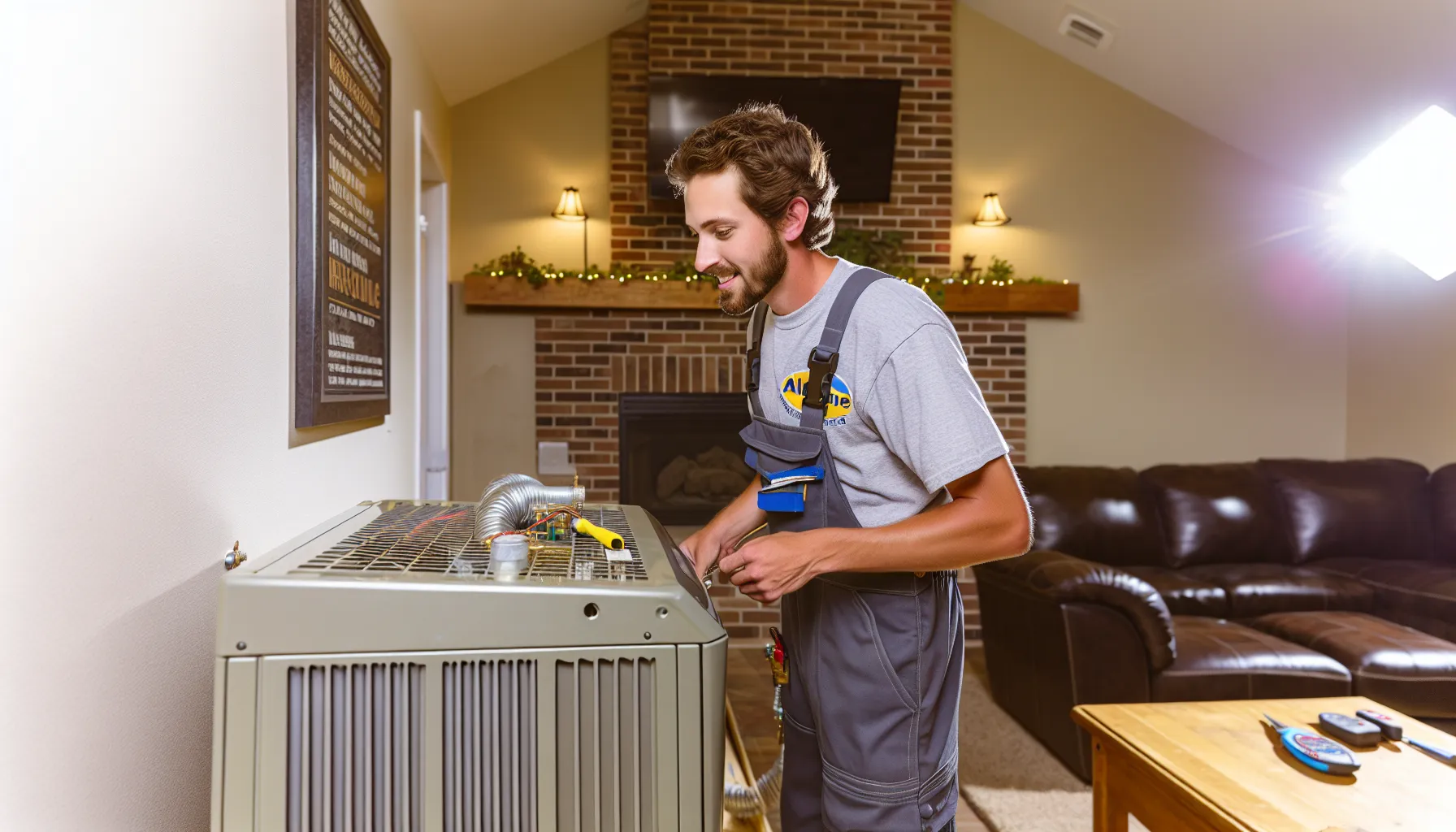
- Schedule professional tune-ups annually , A skilled Alloy Heating and Cooling technician will inspect refrigerant levels, clean coils, check electrical connections, and ensure the system operates at peak performance.
- Keep outdoor units clear , Remove leaves, grass, and debris from around the condenser to maintain proper airflow.
- Check thermostat settings , Programmable thermostats can help you save money and keep your system running efficiently.
When to Upgrade Your Existing AC Unit
If your current AC is more than 10-12 years old, needs frequent repairs, or struggles to keep your home comfortable, it may be time to consider a replacement. Older units with SEER ratings below 13 are much less efficient and could be costing you hundreds of dollars each year in wasted energy. An Alloy Heating and Cooling comfort advisor can help you determine if a repair or replacement is the smartest option for your home or business.
Example: In Parker, a homeowner with a 15-year-old SEER 10 unit faced a costly compressor repair. After reviewing their options, they chose to upgrade to a SEER 17 system, instantly reducing their energy bills and qualifying for an $800 rebate from their local utility.
Conclusion
Understanding SEER ratings is key to making informed choices about your home’s comfort and energy efficiency. Whether you’re in Denver, Castle Pines, Boulder, or Monument, choosing a high-SEER AC unit can mean lower bills, greater comfort, and lasting value. If you’re considering a new air conditioner or want to optimize your current system, Alloy Heating and Cooling is here to help with expert advice, quality installation, and dependable service throughout Colorado’s Front Range and beyond.
Frequently Asked Questions
What does SEER rating mean on an AC unit?
SEER stands for Seasonal Energy Efficiency Ratio, and it measures how efficiently an air conditioner operates over a typical cooling season. A higher SEER rating means greater energy efficiency and lower electricity costs.
What SEER rating is best for Colorado homes?
For Colorado’s climate, a SEER rating of 14 or higher is generally recommended. However, higher SEER units (16+) can provide additional savings and comfort, especially for larger homes or frequent AC use.
Are high-SEER AC units worth the investment?
While high-SEER AC units often cost more upfront, they can save money in the long run through lower energy bills and potential rebates, making them a smart investment for many Colorado homeowners.
Can I get rebates for installing a high-SEER AC unit in Colorado?
Yes, many utility companies and local governments in Colorado offer rebates and incentives for installing energy-efficient AC units with high SEER ratings. Check with your local utility provider for current programs.
How often should I maintain my SEER-rated AC unit?
To keep your AC unit running efficiently, schedule professional maintenance at least once a year, and regularly replace or clean air filters as recommended by the manufacturer.

Alloy HVAC Team
HVAC experts with years of experience in the industry. We share tips, insights, and the latest trends in heating, ventilation, and air conditioning to help you maintain optimal comfort in your home or business.