Why Is My Central Heating Not Working? Troubleshooting Common Colorado Home Issues
Why Is My Central Heating Not Working? Troubleshooting Common Colorado Home Issues
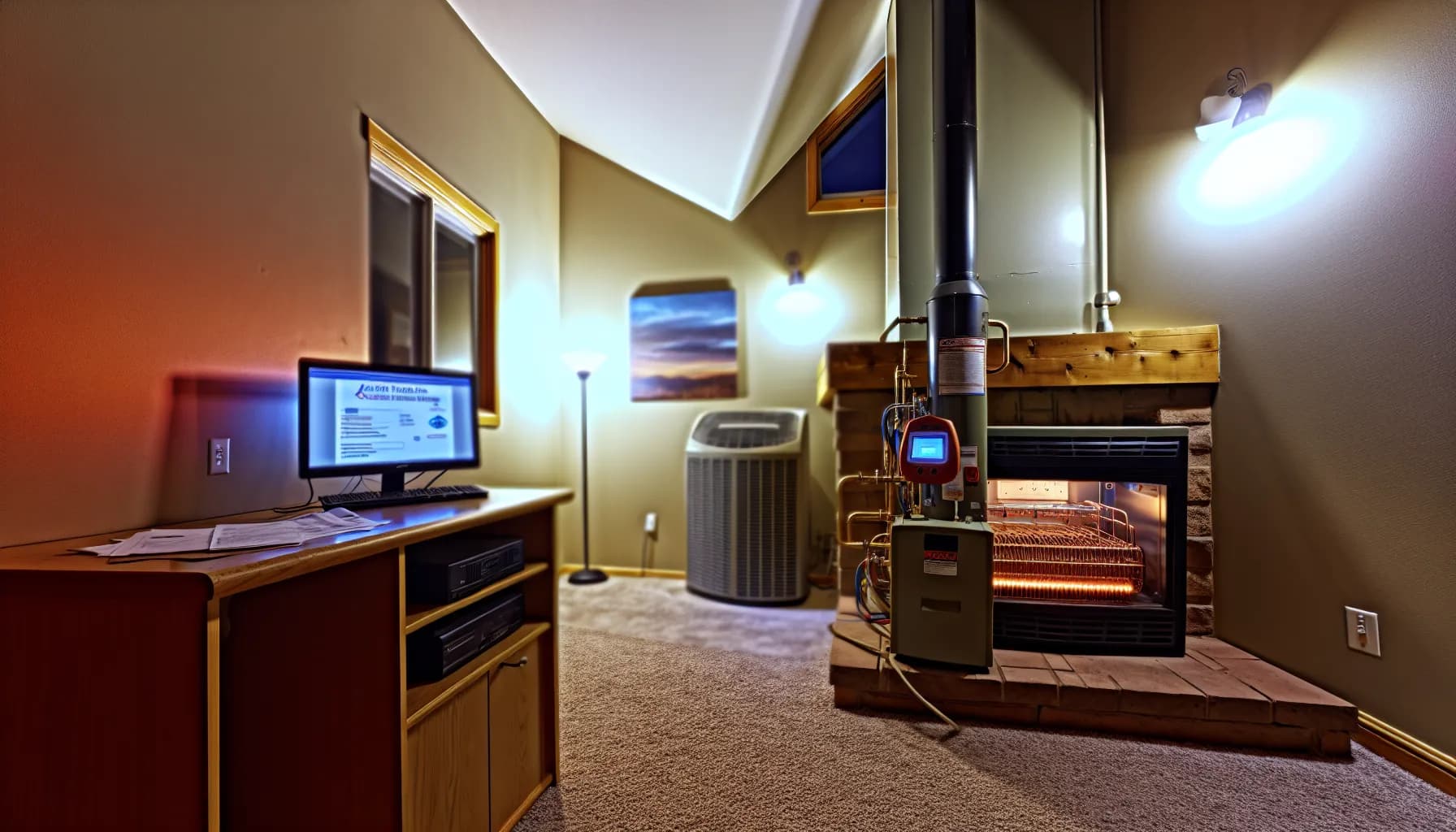
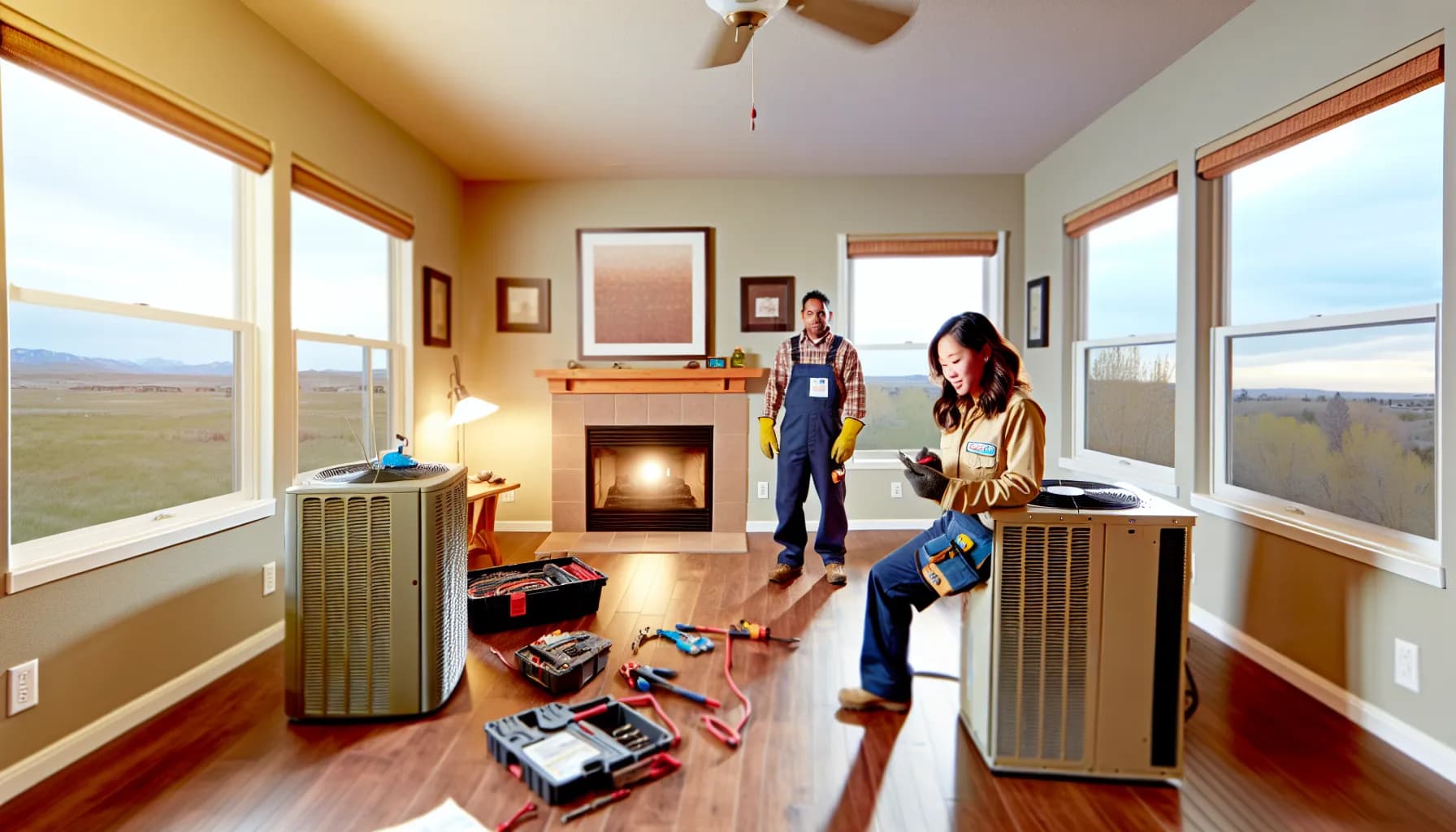
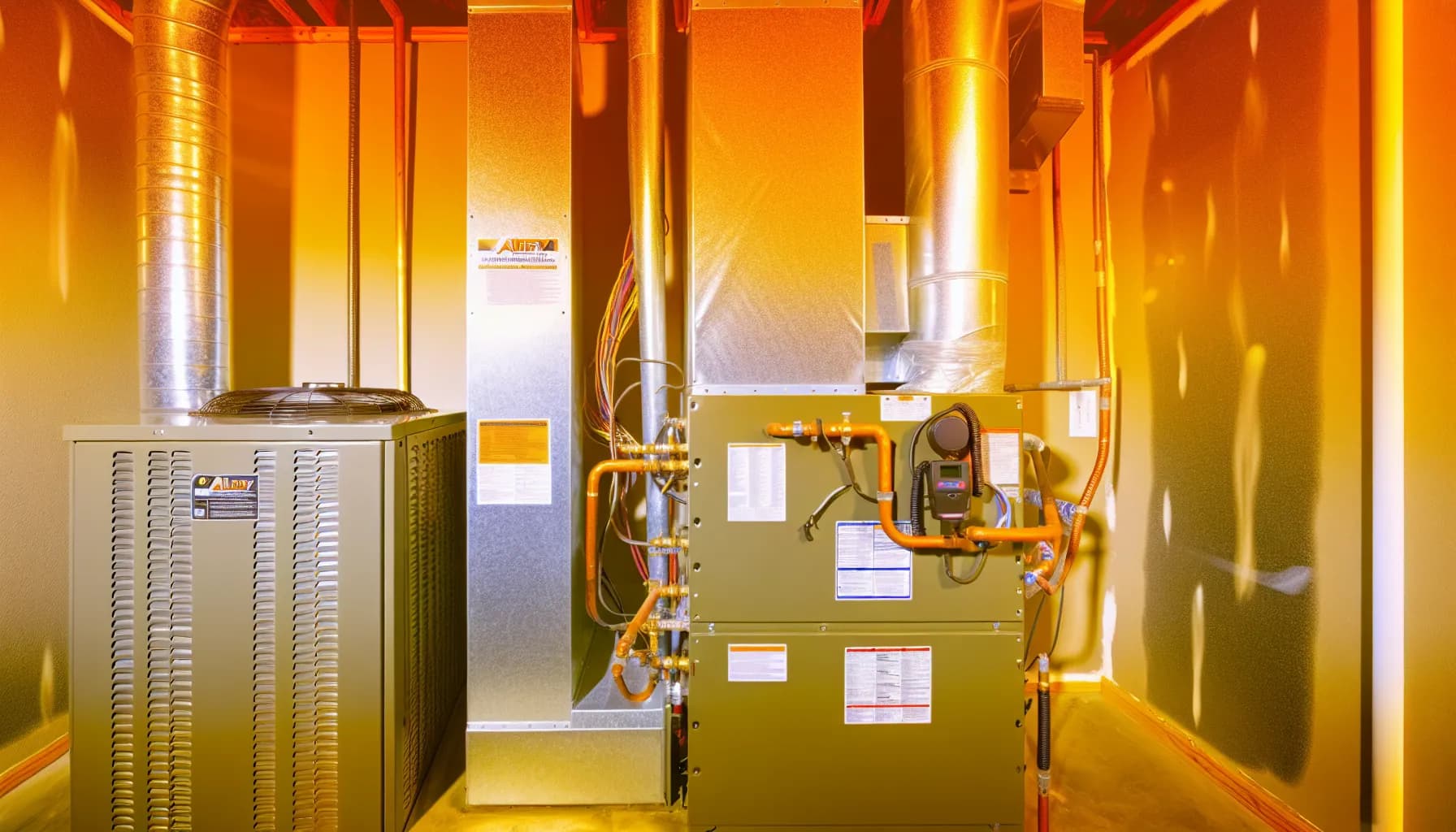
When Colorado temperatures drop, a reliable central heating system is more than a comfort, it’s a necessity. But what happens when you turn up the thermostat and your home stays chilly? At Alloy Heating and Cooling, we help homeowners and businesses across Greenwood Village, Denver, Highlands Ranch, Castle Rock, and beyond solve central heating problems every winter. Let’s break down the most common reasons your central heating might not be working, discuss climate-specific Colorado issues, and walk through practical troubleshooting and maintenance tips to keep your home warm all season long.
Common Reasons Your Central Heating Is Not Working
Thermostat Malfunctions
The thermostat acts as the brain of your heating system. If it’s not functioning properly, your furnace or heat pump won’t know when to turn on or off. Sometimes, the issue is as simple as dead batteries or an incorrect setting. In one recent call in Centennial, we found a homeowner’s thermostat had been accidentally switched to “cool” instead of “heat”, a quick fix, but a common oversight.
Power Supply Issues
Your heating system relies on a steady supply of electricity or gas. Power outages or disruptions can prevent your system from working altogether. If your furnace won’t kick on, first check that it’s plugged in and that power switches near the unit are set to “on.” In older homes in Littleton or Lakewood, it’s not unusual for a loose power cord or shut-off switch to be the culprit.
Blown Fuses or Tripped Circuit Breakers
Central heating systems can trip a breaker if there’s a power surge or if the system is overworking. Visit your breaker box and look for any switches that have flipped to “off.” Resetting the breaker may solve the problem. If it happens repeatedly, it may indicate an underlying electrical or system issue that needs professional attention.
Pilot Light or Ignition Problems
For gas furnaces, a lit pilot light or functioning electronic ignition is crucial. If the pilot light goes out, your furnace won’t heat. In areas like Morrison or Evergreen, we’ve helped many homeowners safely relight their pilot lights or diagnose issues with the ignition system. If you smell gas or are unsure how to relight the pilot, call a professional immediately.
Faulty or Dirty Air Filters
A clogged air filter restricts airflow, causing your system to overheat and shut down as a safety precaution. We often find dirty filters behind no-heat calls in Aurora and Castle Pines. Replacing your furnace filter can restore heat and improve air quality in minutes.
Climate-Specific Heating Issues in Colorado
Altitude Effects on Central Heating Systems
Colorado’s high elevation affects how heating systems operate. Combustion-based furnaces may need adjustment to burn efficiently because thin air delivers less oxygen. In Boulder and Monument, we’ve seen furnaces run poorly or shut down due to improper calibration for altitude.
Impact of Dry Air on Heating Performance
The dry Colorado climate can make heating feel less effective and lead to static electricity, dry skin, and sinus irritation. Dry air can also cause seals and components in your heating system to wear faster. Many homeowners in Highlands Ranch and Golden benefit from installing whole-home humidifiers to support their heating systems.
Frozen Pipes and System Blockages
Extreme cold, especially during sudden winter storms, can freeze water pipes or condensate drain lines. This can cause blockages, leaks, or boiler failures. In places like Parker and Roxborough Park, we advise homeowners to insulate exposed pipes and keep a trickle of water running during cold snaps to prevent freeze-ups.
How to Troubleshoot Your Central Heating System
Step-by-Step Heating System Checklist
- Check the thermostat: Make sure it’s set to “heat” and the temperature is higher than the current room temperature. Replace batteries if needed.
- Inspect the power supply: Confirm your furnace switch is on and the circuit breaker hasn’t tripped.
- Look at the air filter: Replace it if dirty. A new filter can restore airflow and efficiency.
- Examine the pilot light or ignition: For gas systems, ensure the pilot is lit or the electronic ignition is functioning.
- Listen for unusual noises: Clanging, banging, or whistling may indicate loose or damaged parts.
- Check for airflow: Ensure vents and registers are open and unobstructed.
When to Reset Your System
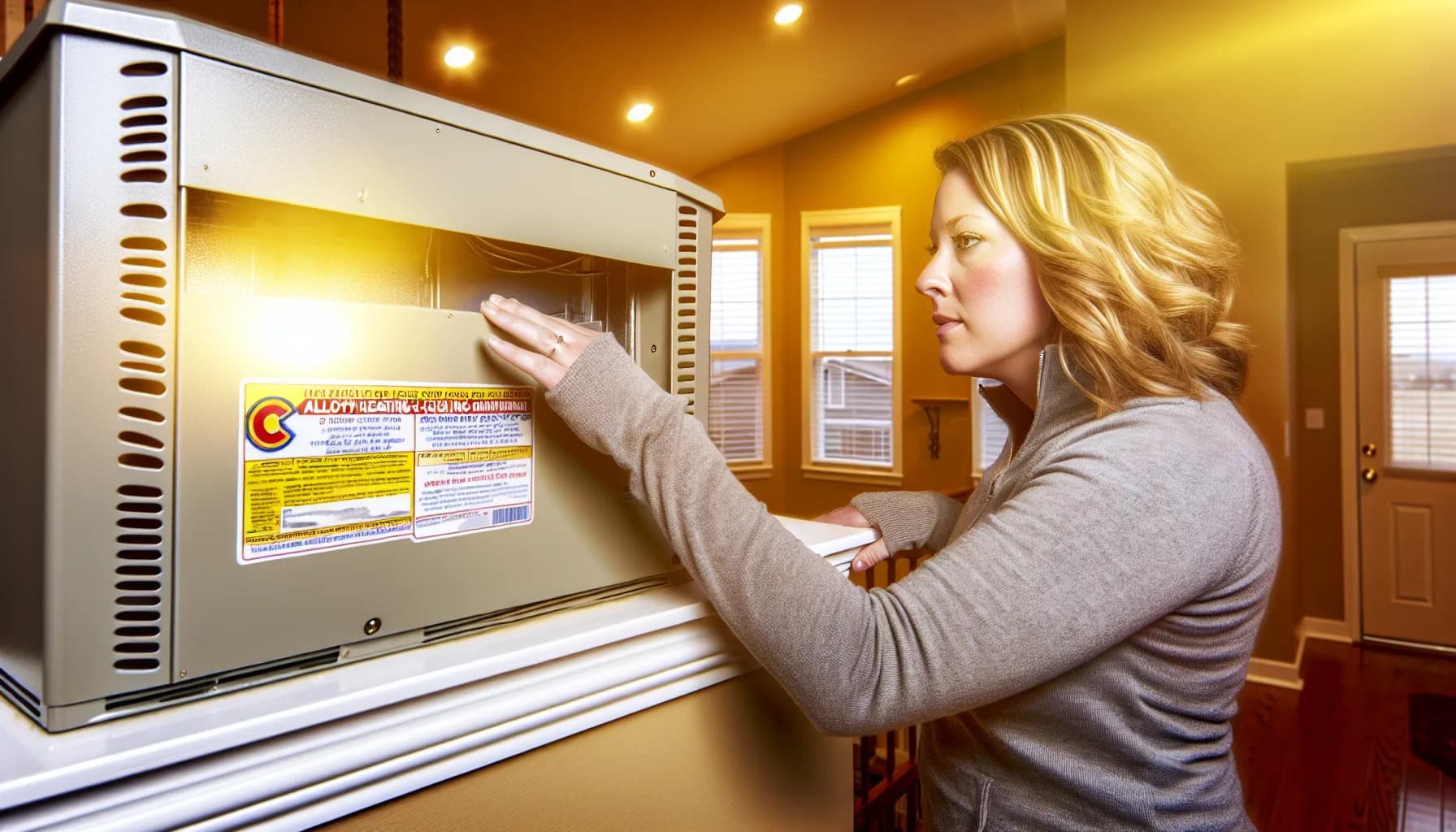
Sometimes, your furnace or heat pump may need a reset to clear minor errors. Locate the reset button on the unit, press it once, and wait a few minutes. If your system doesn’t restart or keeps shutting off, there may be a deeper issue that needs diagnosing.
Identifying When to Call a Professional
If you’ve run through the basics and your heat still isn’t working, or if you notice burning smells, gas odors, persistent noises, or water leaks, it’s time to call an HVAC expert like Alloy Heating and Cooling. We have the tools and experience to diagnose complex problems safely and efficiently. For example, in a recent call in Thornton, a persistent electrical issue was traced to a faulty control board, something only a trained technician could identify and replace.
Preventative Maintenance Tips for Reliable Central Heating
Regular Filter Replacement
Change your air filter every 1, 3 months, especially during peak heating season. This simple step keeps air flowing freely and reduces strain on your system. In high-dust areas like Commerce City or Brighton, more frequent changes may be necessary.
Seasonal System Inspections
Schedule a professional inspection and tune-up before winter hits. A licensed technician will check for worn components, clean burners, test safety controls, and calibrate your system for Colorado’s unique conditions. This proactive approach can prevent breakdowns and extend the life of your furnace or heat pump.
Ensuring Proper Airflow and Ventilation
Make sure all supply and return vents are open and unobstructed by furniture or curtains. In commercial spaces or larger homes, regular duct cleaning can also improve airflow and indoor air quality.
By understanding common heating issues and how Colorado’s climate affects your system, you can keep your home or business comfortable even through the coldest months. If you need help troubleshooting, maintaining, or upgrading your central heating, Alloy Heating and Cooling proudly serves communities from Greenwood Village to Boulder and everywhere in between. Our experienced technicians are always just a call away.
Frequently Asked Questions
What should I check first if my central heating is not working?
Start by checking your thermostat settings, ensuring the power supply is on, and inspecting your circuit breakers or fuses. These are the most common and easily fixable issues.
How does Colorado's climate affect my central heating system?
Colorado’s high altitude and dry air can impact heating efficiency and may cause unique problems like frozen pipes or system blockages.
Why does my heating system keep turning on and off?
Short cycling can be caused by dirty air filters, thermostat issues, or an oversized heating unit. Regular maintenance can help prevent this.
When should I call a central heating professional?
If you’ve checked basic troubleshooting steps and your system still isn’t working, or if you notice unusual noises, smells, or leaks, it’s time to call a licensed technician.
How often should I perform maintenance on my central heating system?
It’s recommended to inspect and service your central heating system at least once a year, preferably before the cold season begins.

Alloy HVAC Team
HVAC experts with years of experience in the industry. We share tips, insights, and the latest trends in heating, ventilation, and air conditioning to help you maintain optimal comfort in your home or business.