Why Is My Central Heating Not Working? Troubleshooting Common Problems in Colorado Homes
Why Is My Central Heating Not Working? Troubleshooting Common Problems in Colorado Homes
When Colorado’s temperatures dip and winter storms roll in, a reliable central heating system is essential for comfort and safety. But what happens when your furnace or central heating system suddenly stops working, leaving your home chilly? As an experienced HVAC team at Alloy Heating and Cooling, we’ve helped homeowners and businesses across Colorado tackle heating issues year after year. In this guide, we’ll break down common reasons your central heating might not be working, how Colorado’s unique climate affects performance, and what you can do to troubleshoot or prevent problems.
Common Reasons Your Central Heating Is Not Working
Thermostat Issues
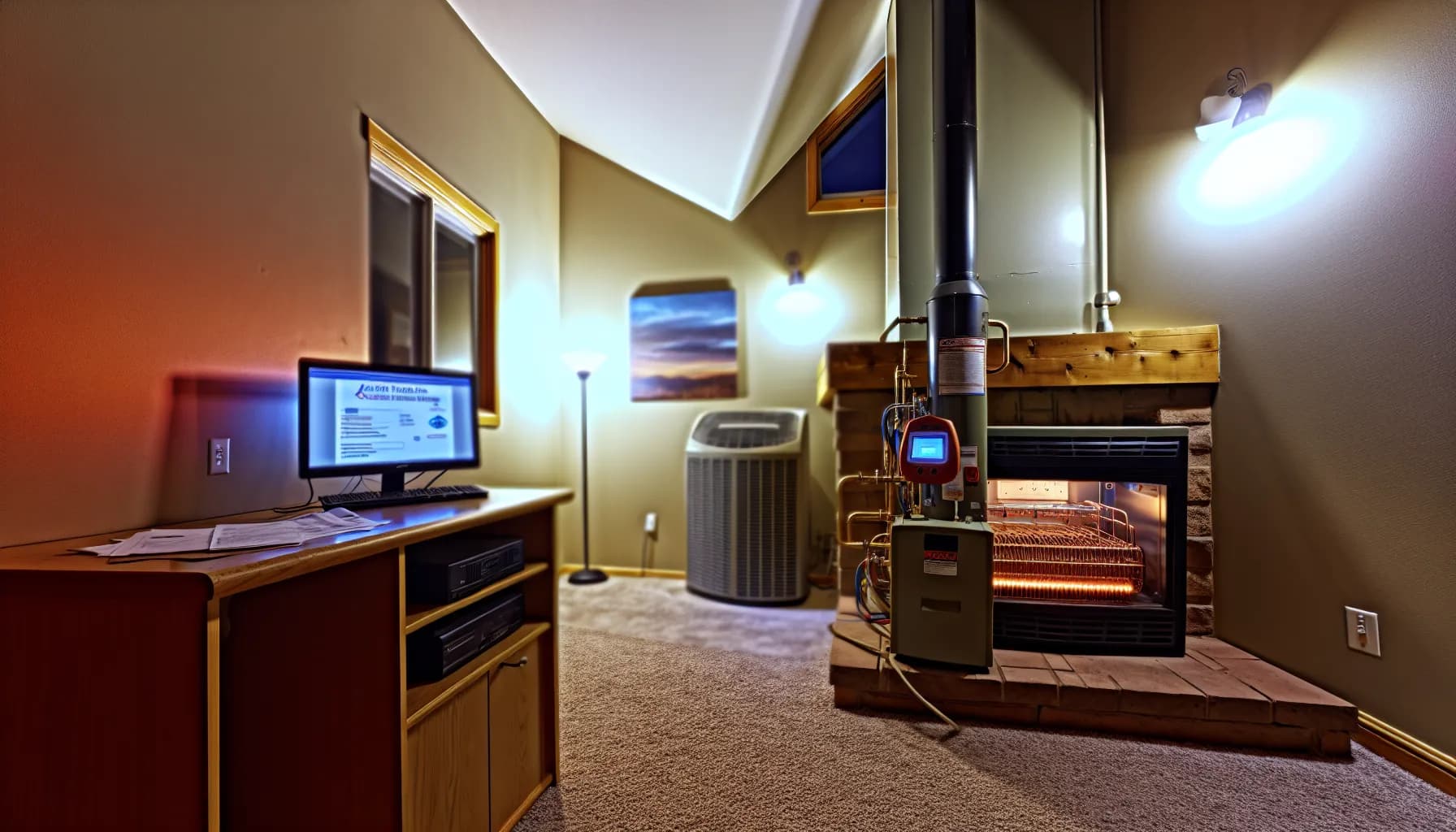
The thermostat is the command center for your heating system. If it’s malfunctioning, set incorrectly, or has dead batteries, your furnace may not receive the signal to turn on. We’ve seen many homeowners in Highlands Ranch and Greenwood Village fix their heating issues by simply adjusting the thermostat or replacing old batteries.
Power Supply Problems
Central heating systems rely on a steady power supply. A tripped circuit breaker, blown fuse, or loose wiring can prevent your furnace from operating. In older homes around Denver and Littleton, worn electrical connections are a frequent culprit. Always check your home’s electrical panel before assuming the worst.
Pilot Light or Ignition Failure
Many Colorado homes, especially those in places like Morrison or Evergreen, have older gas furnaces with a pilot light. If the pilot goes out or the electronic ignition fails, your furnace won’t heat your home. Drafts, dirty components, or faulty sensors can cause ignition problems.
Blower Motor Malfunctions
The blower motor circulates warm air throughout your home. If it fails, you might hear the furnace running but feel no warm air from your vents. In commercial setups in Aurora or Westminster, blower motor issues can lead to uneven heating and increased energy bills.
Clogged or Dirty Air Filters
Dirty air filters restrict airflow, causing your furnace to overheat or shut down for safety. This is especially common in households with pets or during pollen-heavy spring and fall seasons in Boulder and Lafayette. A simple filter change can often restore proper heating.
How Colorado’s Climate Affects Central Heating Systems
Impact of Cold Weather on Heating Efficiency
Colorado’s frigid winters put extra strain on furnaces. During subzero nights in Castle Rock or Foxfield, your system works overtime to maintain warmth. This constant demand increases wear and tear, making regular maintenance crucial to avoid mid-season breakdowns.
Effects of Altitude and Dry Air
Homes in higher elevation cities like Evergreen, Boulder, and Monument face unique challenges. At altitude, thinner air means less oxygen for combustion, which can affect furnace efficiency. Dry winter air also increases static electricity and can dry out furnace components, leading to premature wear. Upgrading to high-efficiency furnaces designed for Colorado’s altitude, or adding whole-home humidifiers, can improve performance and longevity.
DIY Troubleshooting Steps for Central Heating Not Working
Checking the Thermostat Settings
First, ensure your thermostat is set to “heat” and the temperature is above the current room temperature. Try replacing the batteries or resetting the thermostat. Some smart thermostats may need a reboot or software update, especially after a power outage.
Inspecting Circuit Breakers and Power Sources
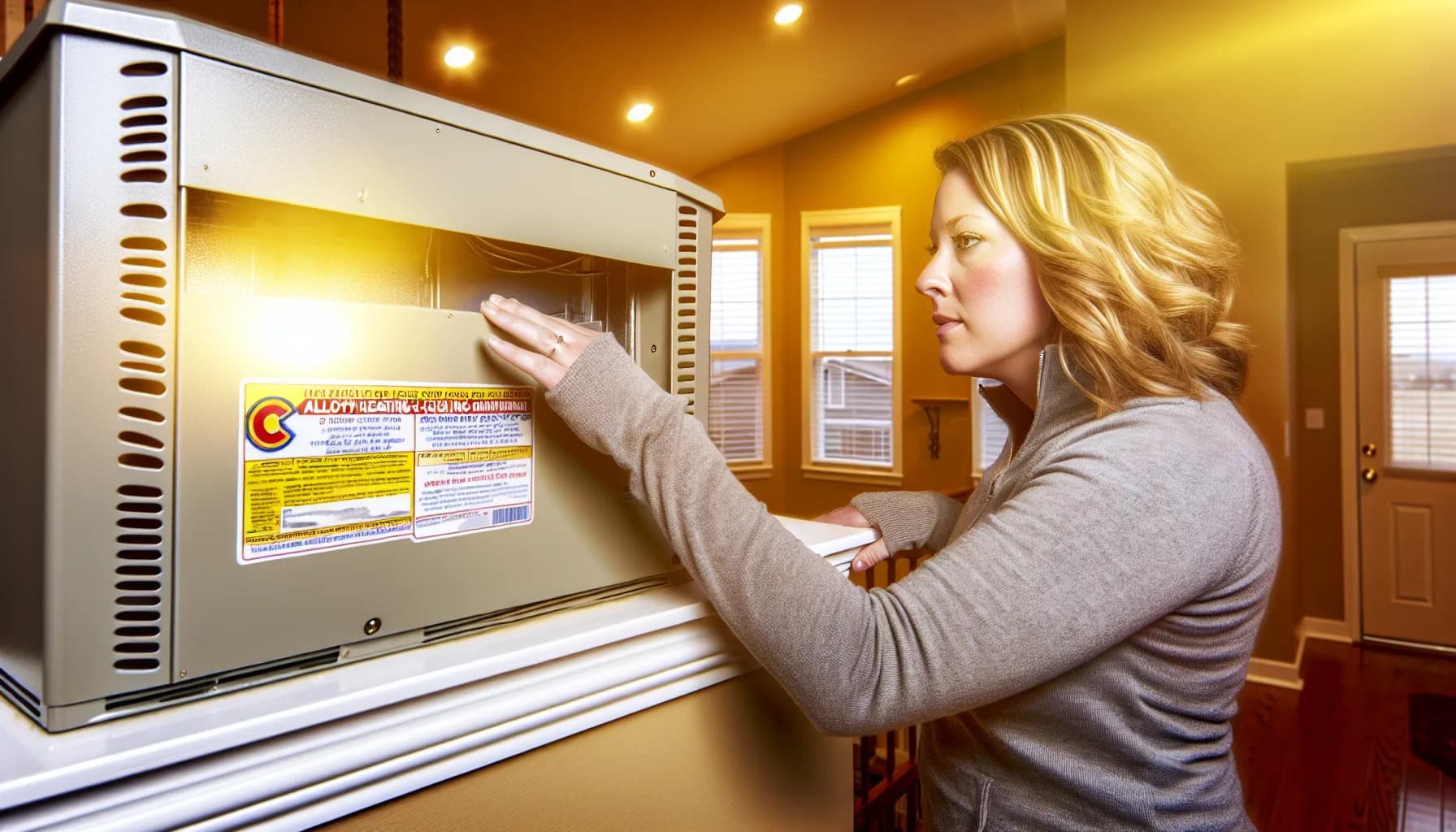
Check your electrical panel for tripped breakers or blown fuses. Reset any tripped switches, but if they trip repeatedly, call a professional. Also, make sure the furnace power switch (usually located nearby) is turned on.
Resetting or Relighting the Furnace
For gas furnaces, check if the pilot light is lit. If not, follow the manufacturer’s instructions to relight it safely. For newer furnaces with electronic ignition, try resetting the system using the power switch. If the furnace still doesn’t ignite, there may be a faulty sensor or control board.
Replacing Air Filters
Locate your furnace’s air filter and check if it’s clogged or dirty. Replace it with a new one if needed. In Colorado’s dusty and dry climate, filters often need changing every 1-3 months. A fresh filter can quickly resolve airflow and heating issues.
When to Call a Professional for Central Heating Repairs
Signs of Serious Furnace Problems
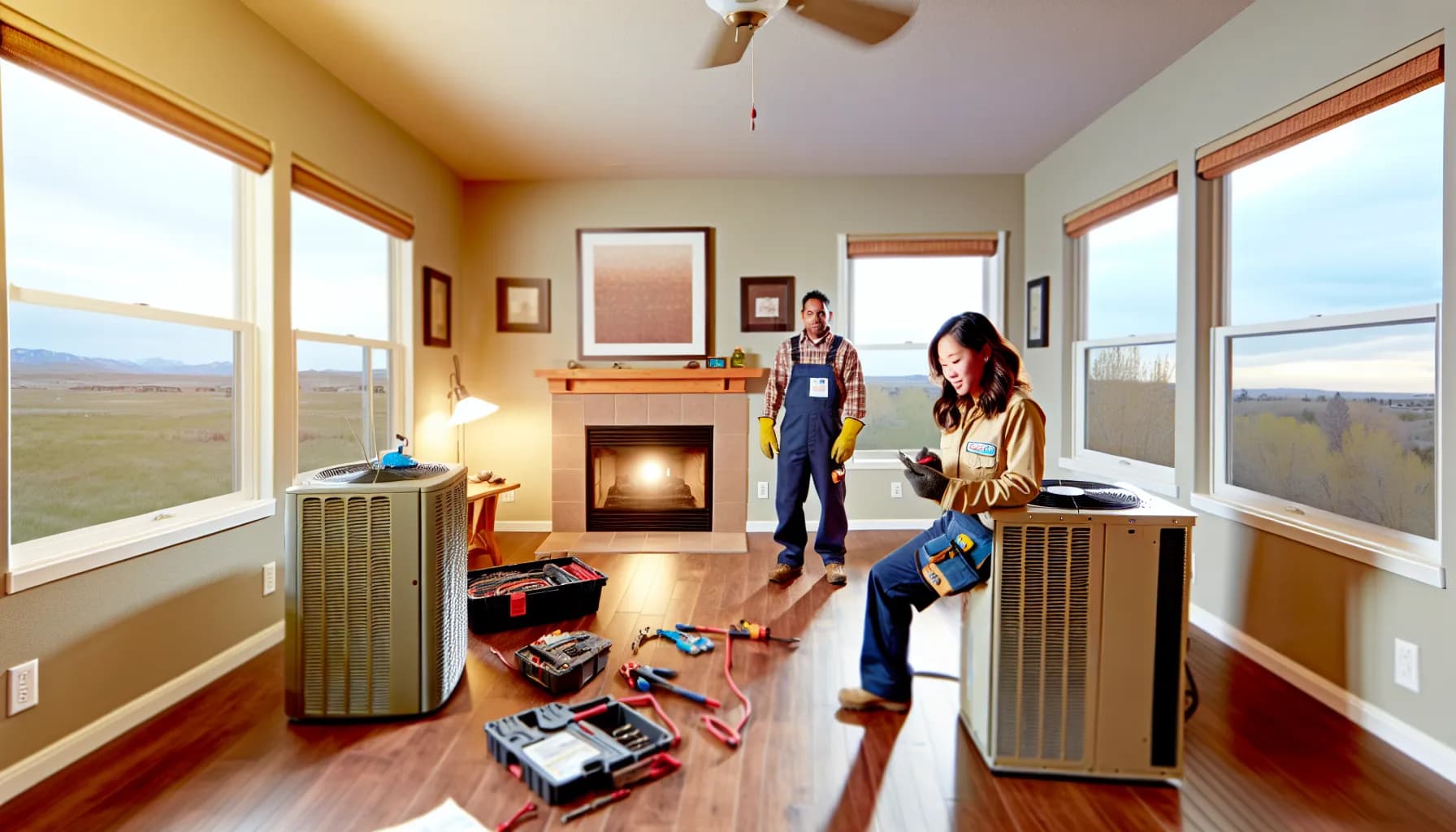
If you hear banging, squealing, or grinding sounds from your furnace, or notice persistent cold spots and frequent cycling on and off, these are signs of deeper issues. Problems like cracked heat exchangers, faulty blower motors, or gas leaks require immediate attention from a licensed HVAC technician. For example, a Parker homeowner recently called us when their furnace kept shutting down and making a loud humming noise. Our inspection revealed a failing motor and a clogged condensate drain, both of which needed expert repair.
Choosing a Qualified HVAC Technician in Colorado
Look for technicians who are licensed, insured, and familiar with Colorado’s specific heating needs. At Alloy Heating and Cooling, we’ve served homes and businesses from Centennial to Castle Pines, bringing local knowledge and technical expertise to every job. Choosing a reputable company ensures your central heating system is repaired safely and efficiently.
Preventive Maintenance Tips for Reliable Central Heating
Scheduling Regular Inspections
Annual furnace tune-ups before the cold season can catch minor issues before they become major repairs. During these visits, a technician will inspect burners, clean components, check for gas leaks, and test safety controls. Homeowners in Southglenn and Erie who schedule regular maintenance report fewer breakdowns and lower energy bills.
Seasonal Maintenance Checklist
- Change air filters every 1-3 months
- Test thermostat accuracy and settings
- Inspect and clean furnace burners and flame sensors
- Check and tighten electrical connections
- Lubricate moving parts as needed
- Clear vents and registers of dust and obstructions
- Schedule a professional inspection each fall
By following these steps, you can extend the life of your heating system and avoid unexpected winter emergencies. In Colorado’s demanding climate, preventive care is key to comfort and safety.
Central heating problems can be frustrating, but with a clear plan and expert support, most issues are manageable. Whether you’re in Denver, Wheat Ridge, Niwot, or Palmer Lake, Alloy Heating and Cooling is here to keep your home or business warm all season long.
Frequently Asked Questions
Why is my central heating not turning on at all?
Common reasons include thermostat malfunctions, tripped circuit breakers, power supply issues, or a faulty furnace ignition system.
What should I do if my central heating is blowing cold air?
Check the thermostat settings, replace dirty air filters, and inspect the pilot light or ignition system. If these steps don’t work, contact a professional.
How often should I replace my central heating air filters in Colorado?
It’s recommended to replace air filters every 1-3 months, especially during heavy usage periods in Colorado’s cold winters.
Does altitude in Colorado affect my central heating system?
Yes, high altitude can impact furnace efficiency and oxygen levels for combustion. Consider consulting an HVAC expert familiar with Colorado homes.
When should I call a professional for central heating repairs?
If basic troubleshooting doesn’t resolve the issue or you notice unusual noises, persistent cold spots, or frequent system cycling, contact a licensed HVAC technician.

Alloy HVAC Team
HVAC experts with years of experience in the industry. We share tips, insights, and the latest trends in heating, ventilation, and air conditioning to help you maintain optimal comfort in your home or business.