Why Is My Central Heating Not Working? Common Causes for Colorado Homeowners
Why Is My Central Heating Not Working? Common Causes for Colorado Homeowners
As a Colorado homeowner, few things are more frustrating than discovering your central heating is not working, especially during a Rocky Mountain cold snap. Central heating issues can leave your family shivering and your home vulnerable to frozen pipes. At Alloy Heating and Cooling, we see a wide range of heating system problems throughout Greenwood Village, Englewood, Littleton, and the surrounding areas. Let’s explore why your central heating might not be working, how Colorado’s unique climate plays a role, and what you can do to keep your home comfortable all winter long.
Understanding Central Heating Systems in Colorado
Types of Central Heating Systems
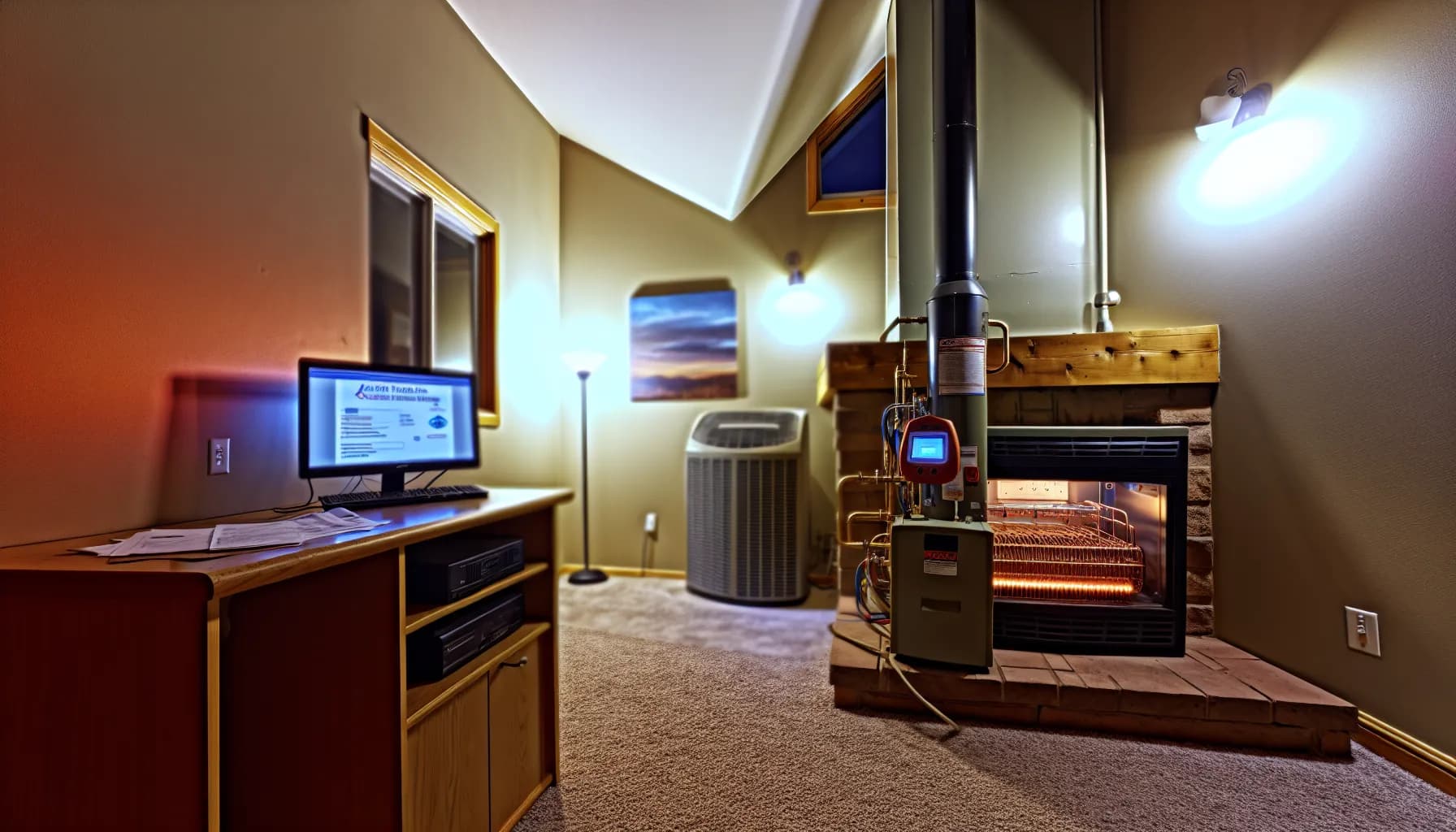
Most Colorado homes use forced air furnaces powered by natural gas, though some rely on electric furnaces, heat pumps, or boilers (hydronic systems). Each system has its own strengths and maintenance needs. For example, gas furnaces are popular in places like Highlands Ranch and Parker due to their efficiency and ability to quickly heat large spaces. Hydronic systems, more common in older Denver homes, use heated water to warm spaces and require their own specialized care.
How Central Heating Works in Cold Climates
Central heating systems draw in cool air, heat it using a fuel source (like natural gas or electricity), and distribute the warmed air or water throughout your home. In Colorado’s cold climate, systems must work harder and more often, which can speed up wear and increase the chances of breakdowns. This is especially true during extended periods of subzero temperatures common across Castle Rock, Aurora, and Evergreen.
Common Reasons Your Central Heating Is Not Working
Thermostat Issues
The thermostat serves as your heating system’s control center. If it isn’t working correctly, your furnace may not turn on or could cycle on and off erratically. We often see homeowners in Centennial and Lakewood accidentally switch their thermostats to “cool” instead of “heat,” or set the temperature too low. Dead batteries, outdated wiring, or a malfunctioning thermostat can all cause heating issues. For example, a Highlands Ranch homeowner recently called us because their system would not kick on, a quick battery change in the thermostat solved the problem.
Power or Electrical Problems
Central heating systems need a reliable power source. Tripped circuit breakers, blown fuses, or a power switch turned off can cause your system to stop working entirely. In newer homes around Lone Tree and Golden, we sometimes see systems shut down after a power outage or electrical surge. Always check your breaker panel and furnace switch before assuming there’s a major problem.
Clogged or Dirty Filters
Air filters capture dust, pet dander, and debris, preventing them from entering the system. Over time, filters can become clogged, restricting airflow and causing the system to overheat or shut down. Homeowners in dust-prone areas like Brighton or near construction in Commerce City should check filters monthly. Recently, a family in Boulder called about weak airflow and chilly rooms. Replacing their clogged filter restored full heat in minutes.
Pilot Light or Ignition Failure
Gas furnaces use a pilot light or electronic ignition to light the burners. If the pilot is out or the ignitor fails, your furnace won’t produce heat. Older systems in neighborhoods like Arvada and Wheat Ridge tend to have standing pilot lights, which can be blown out by drafts or blocked by dirt. Newer models use electronic ignitors that may fail after years of use. If you notice your furnace clicking but not firing up, ignition could be the culprit.
Blower Motor or Fan Problems
The blower motor moves warm air through your home’s ductwork. If it fails, you’ll hear the furnace running but won’t feel any warm air coming from vents. Loud noises, burning smells, or no airflow are signs the blower needs attention. We helped a small business in Broomfield recently whose office was freezing. Our technician found a broken blower belt and had them warm again within hours.
Weather-Related Issues Unique to Colorado
Frozen Pipes and Lines
Colorado’s rapid temperature swings and extreme cold can freeze water lines in boilers and hydronic systems. When pipes freeze, heating can stop entirely, and there’s a risk of pipe bursts. In mountain areas like Morrison and Evergreen, frozen condensate lines on high-efficiency furnaces are also common. We recommend keeping your home above 55°F and insulating exposed lines to prevent freezing.
Altitude Effects on Heating Systems
Colorado’s high elevation affects how heating systems operate. Furnaces and boilers require proper combustion, thin mountain air contains less oxygen, which can cause incomplete fuel burning, lower efficiency, and even safety hazards. Homes in Monument, Palmer Lake, and Castle Pines often need equipment specifically rated for high-altitude operation or require manufacturer adjustments. If your system was installed out of state or by an inexperienced contractor, altitude may be the reason for repeated malfunctions.
Troubleshooting Tips for Homeowners
Simple Checks Before Calling a Professional
- Make sure your thermostat is set to “heat” and the temperature is above room temperature.
- Check that the furnace’s power switch is on and the breaker is not tripped.
- Inspect your air filter and replace if dirty.
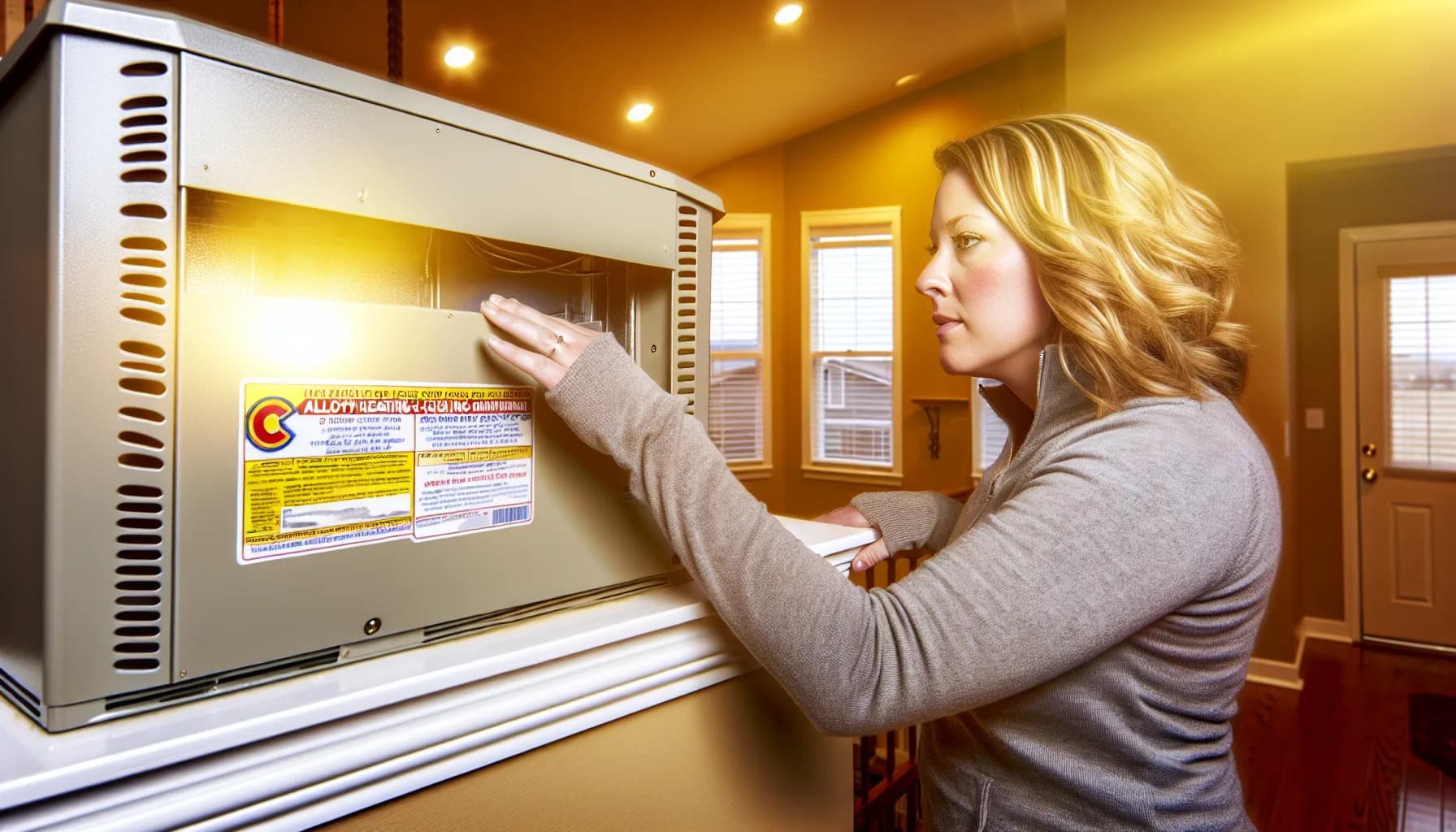
- Look for error codes or warning lights on your furnace’s control panel.
- Ensure all vents and registers are open and unobstructed.
In many cases, these simple fixes can restore heat quickly. For example, a homeowner in Erie called us out for a “broken furnace” that simply had its main switch accidentally turned off during some attic work.
When to Schedule Professional Maintenance
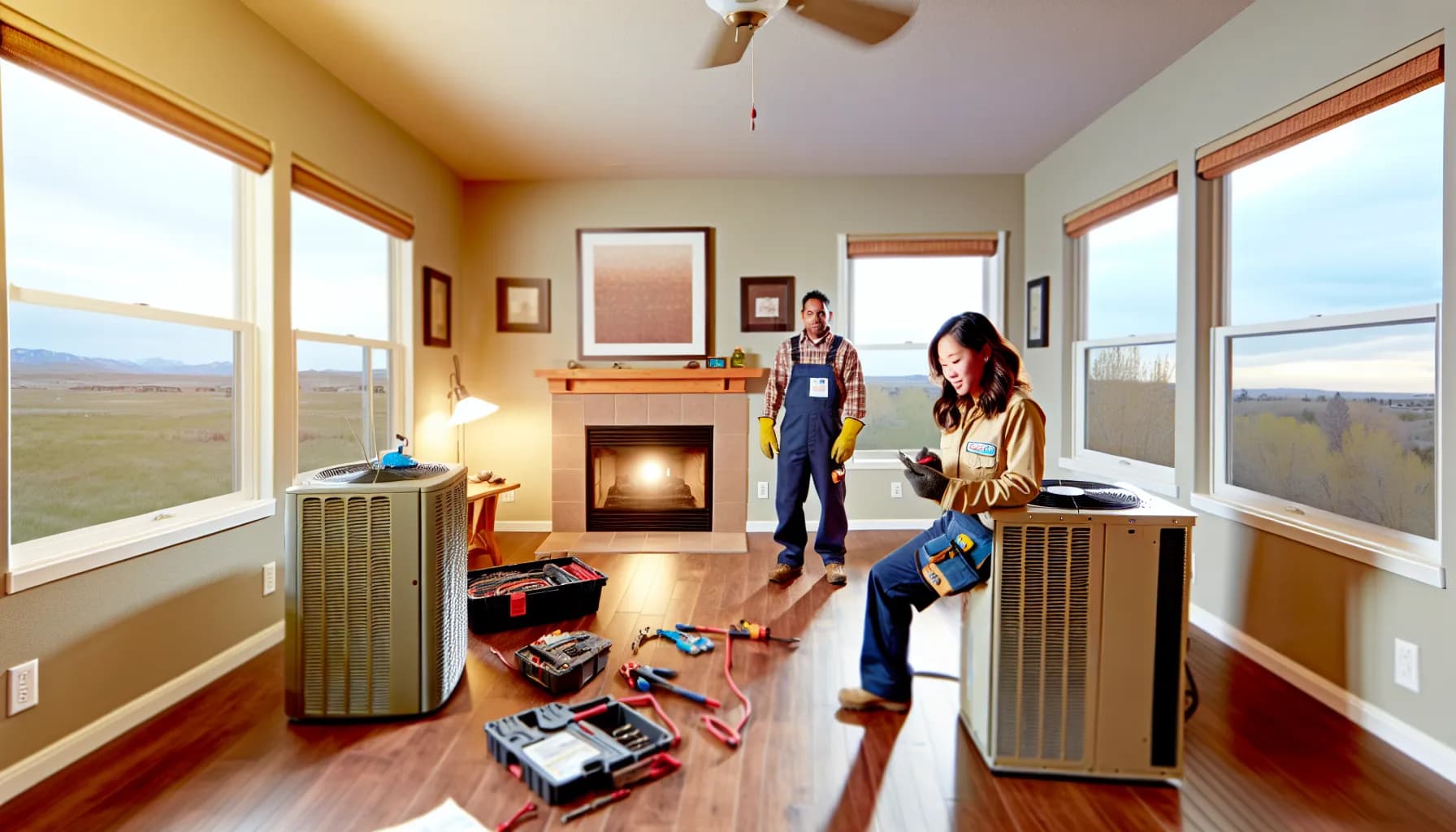
If you hear unusual noises, notice uneven heating, or your system cycles without producing heat, it’s time to call in a professional. Annual maintenance is essential, especially before winter hits. Technicians will check electrical connections, test safety controls, clean burners, and ensure your system is operating safely and efficiently. Preventative checkups can catch small problems before they become costly emergencies. In our experience, homeowners in Ken Caryl and Roxborough Park who schedule yearly maintenance rarely face major breakdowns during winter.
Preventative Measures to Keep Your Central Heating Working
Regular Maintenance Tips
- Replace or clean your furnace filter every 1-3 months, especially during heavy use.
- Keep the area around your furnace or boiler clear of clutter for safety and airflow.
- Check your thermostat’s batteries every fall.
- Schedule professional inspections annually to check for leaks, worn parts, and gas or carbon monoxide issues.
Regular care can extend your system’s life and reduce your energy bills. At Alloy Heating and Cooling, we offer maintenance plans tailored for Colorado’s climate and your specific system type.
Upgrading for Colorado’s Climate
If your system is more than 15-20 years old or requires frequent repairs, upgrading to a modern, high-efficiency unit can save you money and provide more reliable comfort. Newer systems come with features like variable-speed blowers and smart thermostats, which handle Colorado’s temperature swings more effectively. For homes in areas like Cherry Hills Village and Niwot, we often recommend equipment rated for high altitude and robust enough to handle extreme weather events.
Whether you need a quick filter change or a full system upgrade, Alloy Heating and Cooling is here to help homeowners and businesses across Colorado stay warm and safe, no matter what Mother Nature brings.
Frequently Asked Questions
What should I check first if my central heating is not working?
Start by ensuring your thermostat is set correctly, power switches are on, and circuit breakers haven’t tripped. Check your furnace filter and look for error lights or codes.
Can cold Colorado winters affect my central heating?
Yes, extreme cold can freeze pipes or strain your heating system, especially if it’s older or not properly maintained.
How often should I service my central heating system?
It’s recommended to have professional maintenance performed at least once a year, ideally before the winter season starts.
What are signs I need a heating system repair?
Signs include unusual noises, uneven heating, rising energy bills, or the system not turning on at all.
Is it safe to try fixing central heating issues myself?
While you can check basics like the thermostat and filter, it’s best to leave electrical, gas, and mechanical repairs to licensed HVAC professionals.

Alloy HVAC Team
HVAC experts with years of experience in the industry. We share tips, insights, and the latest trends in heating, ventilation, and air conditioning to help you maintain optimal comfort in your home or business.