Why Is My Central Heating Not Working? Common Colorado Homeowner Issues Explained
Why Is My Central Heating Not Working? Common Colorado Homeowner Issues Explained
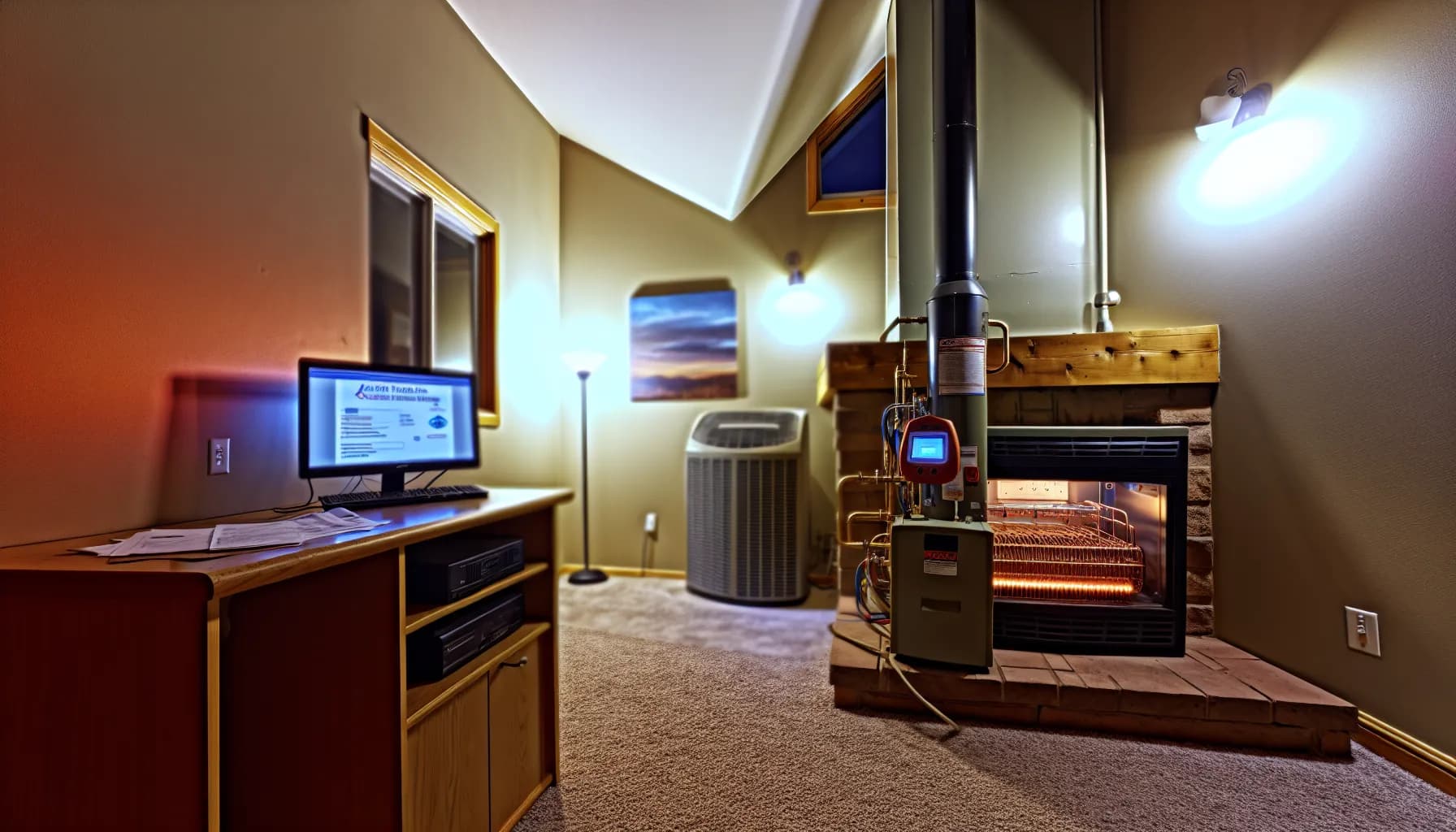
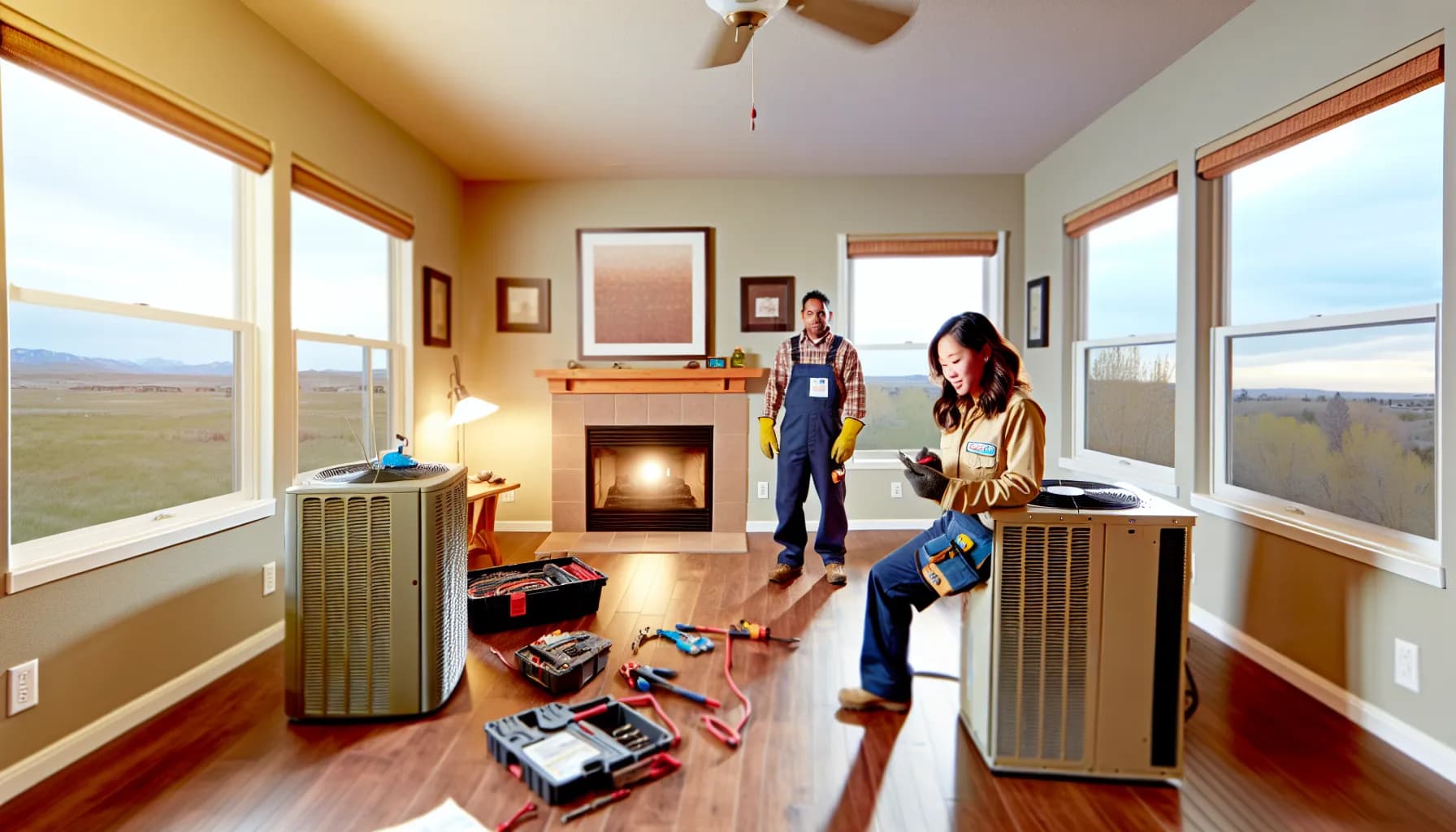
Central heating is a must during Colorado’s chilly winters, but many homeowners find themselves suddenly shivering when their heating system stops working. Whether you live in Greenwood Village, Denver, Boulder, or Castle Rock, understanding why your central heating isn’t working can save time and stress. Below, we break down common causes, Colorado-specific challenges, troubleshooting steps, and when to call the experts at Alloy Heating and Cooling.
Common Reasons Your Central Heating Is Not Working
Thermostat Issues
The thermostat acts as the brain of your heating system. If it malfunctions or is set incorrectly, your furnace may not kick on. Many Colorado homeowners have called us after discovering their thermostat was accidentally switched to “cool” or the temperature was set too low. Sometimes, dead batteries or faulty wiring can prevent the thermostat from communicating with your furnace.
Power Supply Problems
Central heating systems need a steady power supply. A loose connection, power surge, or even a small electrical hiccup can stop your furnace from operating. One Littleton homeowner thought their entire system was broken, but it turned out the switch next to the furnace had been bumped off during cleaning.
Blown Fuse or Tripped Breaker
If your furnace suddenly stops, check your home’s electrical panel. Blown fuses and tripped breakers are a common culprit, especially in older Colorado homes or during storms. Resetting the breaker often solves the problem, but repeated trips indicate a deeper issue that needs expert attention.
Pilot Light or Ignition Failure
Gas furnaces rely on a pilot light or electronic ignition. In cold areas like Highlands Ranch and Evergreen, drafts or dust can blow out the pilot or clog ignition sensors. If you notice your furnace isn’t producing heat, check if the pilot light is on or if there are flashing error codes on your unit.
Colorado-Specific Central Heating Challenges
Effects of Cold Weather on Heating Systems
Colorado’s subzero nights put extra strain on heating systems. Components like heat exchangers and blower motors can fail under heavy use. During a recent cold snap in Parker, we saw a spike in calls for furnaces that ran non-stop and then suddenly quit. Ice and snow buildup around exhaust vents can also cause safety sensors to shut systems down.
Altitude-Related Furnace Problems
The high altitude across much of Colorado affects the air-to-gas mixture in furnaces, which can reduce efficiency or cause ignition issues. Homeowners in Boulder and Monument often need altitude adjustments or conversion kits to keep their systems running properly. A furnace installed at sea level may not perform well in Denver without these modifications.
Dry Air Impact on Heating Efficiency
Colorado’s dry climate can make your home feel colder than it actually is, prompting you to turn up the heat. Dry air also increases static electricity and can cause wooden furniture to crack. More importantly, it can make your heating system work harder, especially if humidifiers are not properly maintained or filters are clogged with dust.
DIY Troubleshooting Steps for Central Heating Problems
Checking the Thermostat Settings
Start by double-checking your thermostat. Make sure it is set to “heat” and the temperature is above the current room temperature. Replace batteries if the display is blank or unresponsive. For smart thermostats, try rebooting the device or checking for software updates.
Inspecting Air Filters and Vents
Dirty air filters are a top reason for inefficient heating. A clogged filter restricts airflow, causing your furnace to overheat and shut off. Check filters monthly and replace them as needed. Also, ensure all supply and return vents are open and unobstructed by furniture or rugs. One Centennial family saw a dramatic improvement just by unblocking a vent that was covered by a couch.
Resetting Your Heating System
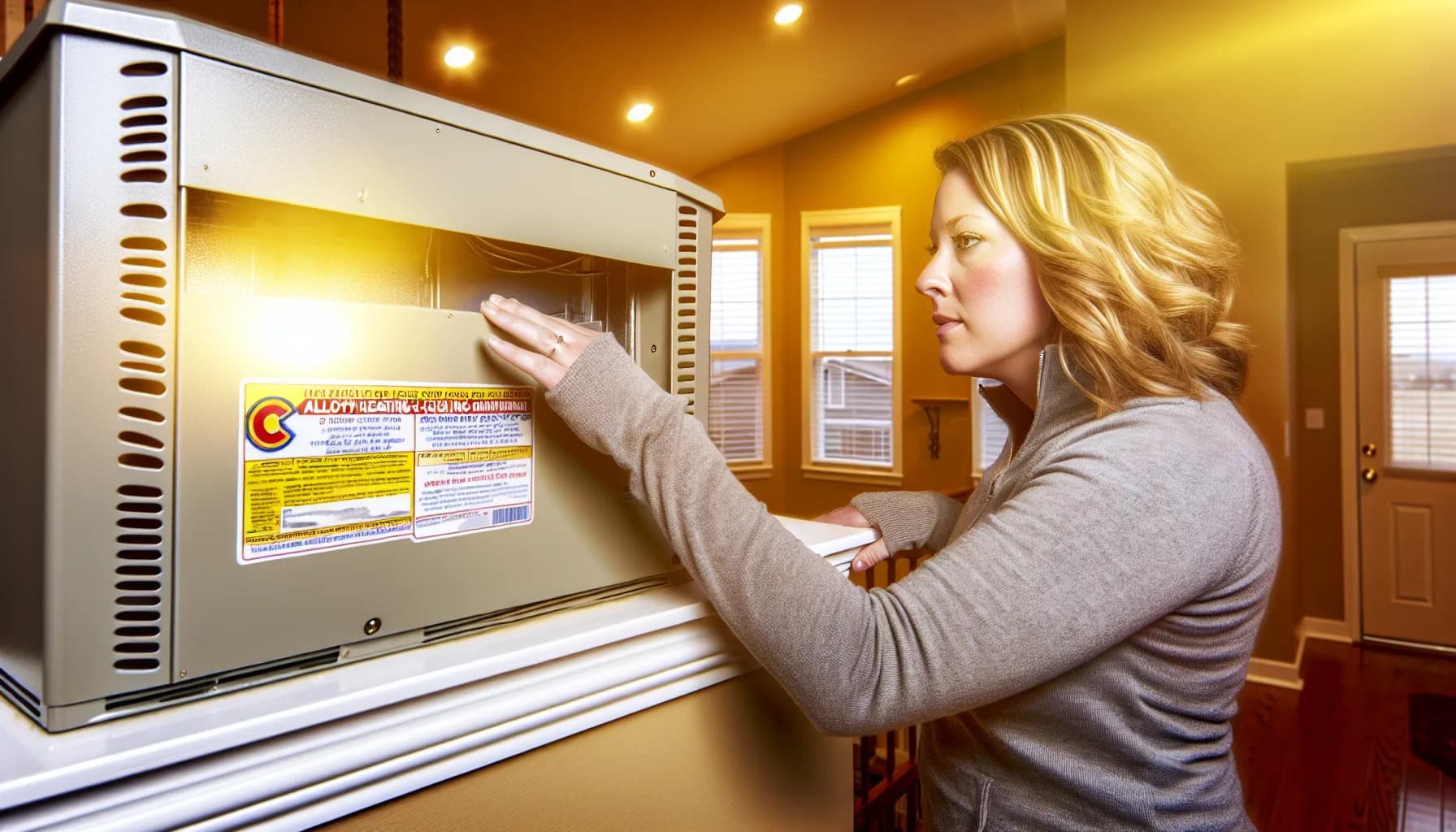
Some heating issues can be resolved by resetting your system. Turn off the furnace at the power switch or breaker, wait 30 seconds, then turn it back on. This can clear minor electronic glitches. If error codes appear on your furnace, consult the manufacturer’s manual for guidance or call Alloy Heating and Cooling for help.
When to Call a Colorado HVAC Professional
Signs of Serious Heating Malfunctions
If your furnace won’t turn on at all, makes loud banging or screeching noises, emits a burning smell, or if you see water pooling around the unit, it’s time to call a pro. Carbon monoxide alarms going off are an emergency and require immediate attention. In one Denver case, a faulty heat exchanger was releasing dangerous gases into the home, our team responded quickly to keep the family safe.
Importance of Regular Maintenance
Regular professional maintenance is the best way to prevent breakdowns. Annual tune-ups include cleaning burners, checking ignition systems, and inspecting for worn parts. Homeowners in Castle Pines and Aurora who schedule routine maintenance with Alloy Heating and Cooling report fewer breakdowns and better indoor comfort all winter long.
Colorado’s unique climate and geography present extra challenges for central heating systems. If you need expert help or regular maintenance, Alloy Heating and Cooling serves the entire Front Range, from Boulder to Castle Rock and beyond. Call us for fast, reliable service tailored to Colorado homes and businesses.
Frequently Asked Questions
Why is my central heating not turning on at all?
This could be due to a tripped breaker, blown fuse, malfunctioning thermostat, or issues with the furnace’s ignition system.
What are common central heating issues in Colorado homes?
Frequent issues include pilot light problems, clogged filters, altitude-related inefficiencies, and increased strain from extreme cold.
How can I troubleshoot my central heating system before calling a pro?
Check your thermostat settings, ensure the system has power, inspect air filters, and make sure vents are unobstructed.
Does Colorado’s altitude affect my heating system?
Yes, higher altitudes can impact furnace efficiency and air-to-gas mixtures, sometimes requiring equipment adjustments.
When should I contact an HVAC technician for my heating issues?
If your system won’t start, makes unusual noises, emits strange smells, or if basic troubleshooting doesn’t resolve the issue, it’s best to call a professional.

Alloy HVAC Team
HVAC experts with years of experience in the industry. We share tips, insights, and the latest trends in heating, ventilation, and air conditioning to help you maintain optimal comfort in your home or business.