Why is My Central Heating Not Working? Top Reasons for Colorado Homeowners
Why is My Central Heating Not Working? Top Reasons for Colorado Homeowners
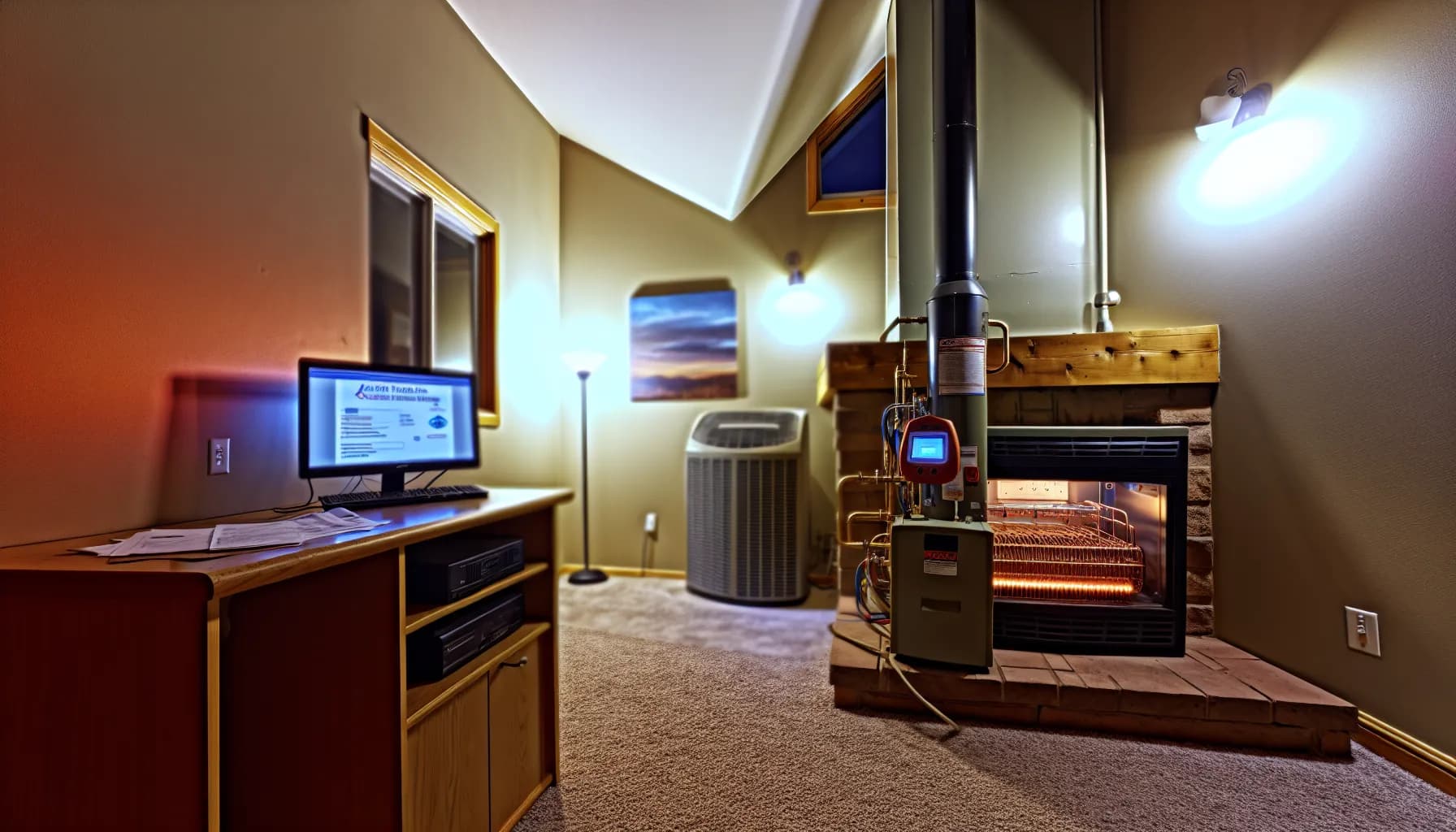
Central heating is essential in Colorado, where winter temperatures can drop dramatically, especially in places like Highlands Ranch, Castle Rock, and Boulder. When your heating system fails, it can quickly turn your home or business into an uncomfortable, even unsafe, space. At Alloy Heating and Cooling, we receive frequent calls from homeowners across Greenwood Village, Denver, and beyond, all asking the same question: “Why is my central heating not working?” Let’s explore the most common causes, how Colorado’s unique climate plays a role, and what steps you can take to troubleshoot or fix the problem.
Common Causes of Central Heating Not Working
Thermostat Issues
Thermostats control when your heating system turns on and off. If a homeowner in Parker finds their house unusually cold, the thermostat may be to blame. Common issues include dead batteries, incorrect settings, or faulty wiring. Modern smart thermostats can also lose their Wi-Fi connection, disrupting scheduled heating cycles.
Power Supply Problems
Sometimes, the issue is as simple as a tripped circuit breaker or a blown fuse. In older homes in Lakewood or Wheat Ridge, electrical panels may be outdated or overloaded. If your system is not receiving power, it won’t run at all, no matter how high you set the thermostat.
Clogged or Dirty Air Filters
Dirty air filters are a top culprit for heating problems. When filters clog up, airflow is restricted, causing the system to overheat and shut down as a safety precaution. Homeowners in dustier areas like Morrison or rural Franktown may need to change filters more often during winter months.
Pilot Light or Ignition Failures
Gas furnaces rely on a pilot light or electronic ignition to start heating. If the pilot light goes out or the ignitor fails, the furnace will not run. This is a common issue in older systems found in neighborhoods like Southglenn or Cherry Hills Village. Drafts, dirt build-up, or worn components can all cause ignition failures.
Blower Motor Malfunctions
The blower motor circulates warm air throughout your home. If you hear humming but feel no airflow, or if the system cycles on and off frequently, the motor could be failing. This can happen due to worn bearings, electrical issues, or overheating from blocked vents.
How Colorado’s Climate Affects Central Heating Systems
Cold Weather Strain on Heating Units
Colorado’s long, cold winters mean heating systems work overtime. In places like Evergreen or Golden, extended subfreezing temperatures can push furnaces to their limits. Over time, this strain can lead to breakdowns, especially if the system is older or not regularly maintained.
Frozen Pipes and Valves
In extreme cold, pipes and valves in your heating system can freeze, especially in unfinished basements or poorly insulated areas. This not only stops your system from working but can also lead to costly water damage if pipes burst. Homeowners in Monument and Palmer Lake should be particularly vigilant during deep freezes.
Altitude Effects on Furnace Efficiency
Many Colorado communities, including Denver and Castle Pines, are at high altitudes. Thin air affects gas combustion, which can reduce furnace efficiency and output. Modern furnaces often need to be calibrated for altitude to ensure optimal performance and safety.
DIY Troubleshooting Steps for Central Heating Problems
Checking the Thermostat Settings
Double-check your thermostat: make sure it’s set to “heat” and the temperature is higher than the current room temperature. For battery-powered thermostats, replace the batteries. If you have a programmable thermostat, ensure the schedule is correct.
Inspecting Circuit Breakers and Power Sources
Visit your electrical panel and look for tripped breakers or blown fuses. Reset any tripped breakers and see if your system powers up. Check that the furnace’s power switch (often near the unit) is turned on.
Replacing or Cleaning Air Filters
Locate your air filter (typically near the return air duct or inside the furnace). Remove it and hold it up to the light. If it looks dirty or you can’t see light through it, replace or clean it according to your manufacturer’s instructions.
Resetting the Heating System
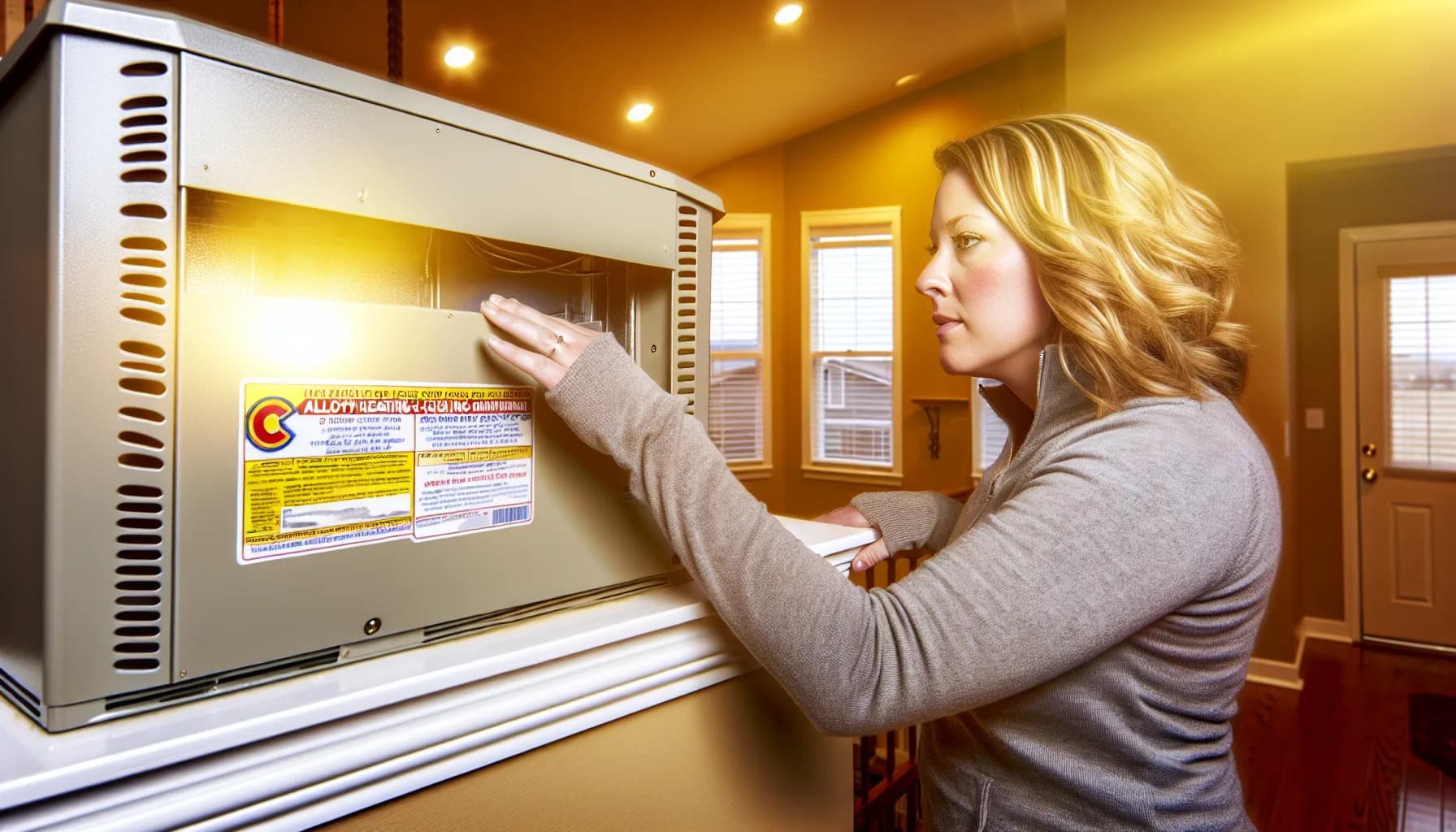
Some furnaces have a reset button. If yours does, turn off the power to the furnace, wait a minute, then turn it back on and press the reset button. Listen for unusual sounds or error codes, which can help diagnose the issue.
When to Call a Professional HVAC Technician
Signs of Serious Heating System Issues
If your heating system won’t turn on after basic checks, makes loud banging or screeching noises, or you smell gas, it’s time to call a professional. Unusual short cycling (frequent on/off) can signal major problems needing expert attention.
Benefits of Professional Diagnosis
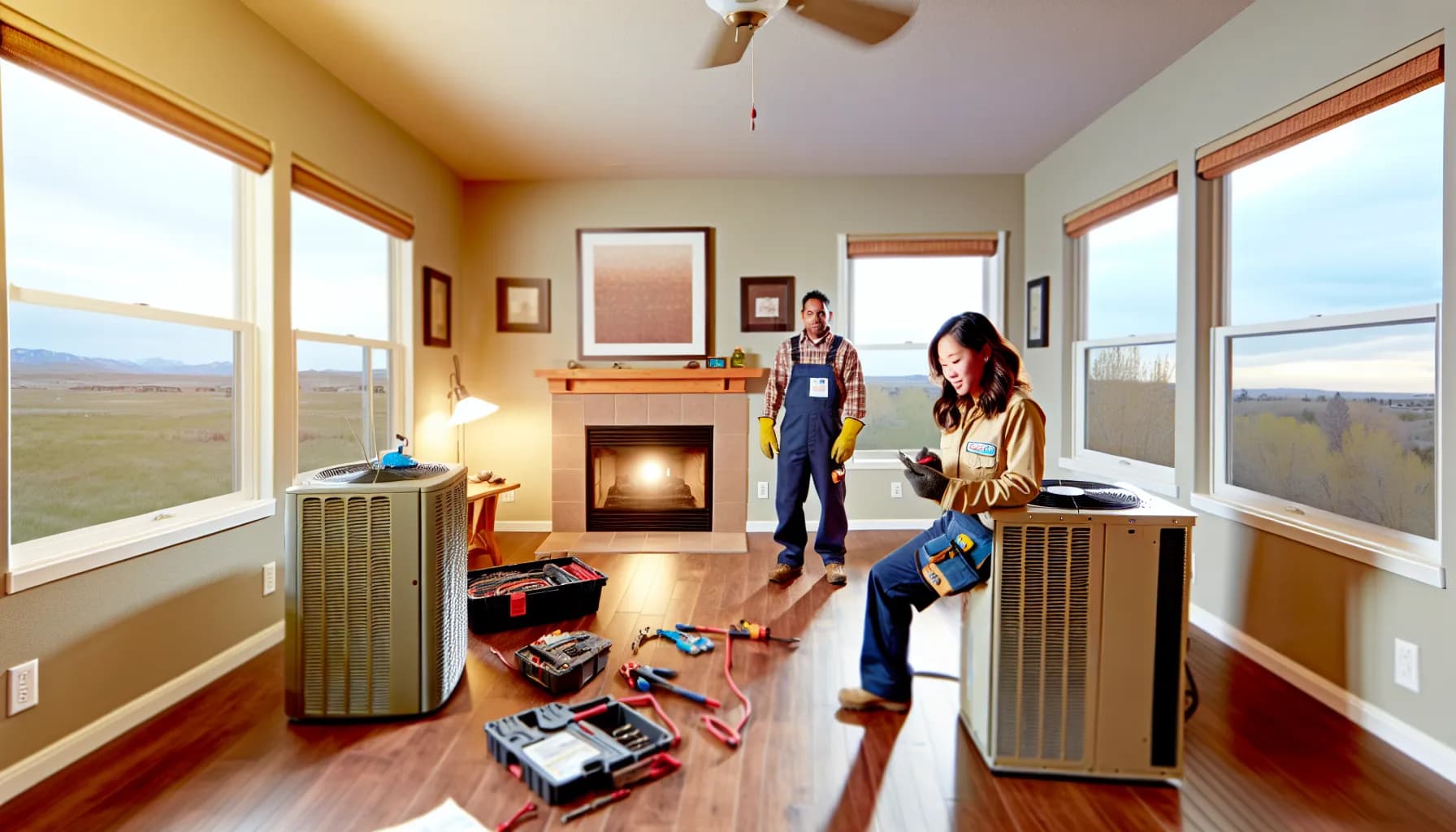
Our technicians at Alloy Heating and Cooling use specialized tools to accurately diagnose issues. For example, a homeowner in Aurora called us when their furnace kept shutting off. Our team found a cracked heat exchanger, a serious safety hazard that required immediate repair. Professionals ensure your family’s safety and restore heat quickly.
Preventative Maintenance Tips
Schedule annual maintenance before winter hits. Regular tune-ups help prevent breakdowns, keep your system efficient, and catch small problems before they become costly repairs. Homeowners in Centennial, Thornton, and Boulder benefit from this proactive approach every season.
For fast, reliable heating repair and maintenance across the Denver Metro and surrounding areas, Alloy Heating and Cooling is here to help. Don’t let a cold house ruin your winter, trust our team to keep you comfortable and safe.
Frequently Asked Questions
Why is my central heating not turning on at all?
The issue could be related to a tripped circuit breaker, a malfunctioning thermostat, or a complete system failure. Ensure that your thermostat is set correctly and that the heating system has power.
What should I do if only some rooms are not heating?
Uneven heating can result from blocked vents, dirty filters, or problems with your ductwork. Check that all vents are open and unobstructed and replace clogged filters.
How often should I replace my central heating air filters?
It’s recommended to check air filters every 1-3 months, especially during heavy use periods in Colorado’s winter, and replace them if they are dirty or clogged.
Can Colorado's altitude affect my central heating system?
Yes, higher altitude can impact furnace efficiency and combustion. Make sure your heating system is properly adjusted for Colorado’s elevation.
When should I call a professional for central heating issues?
If your heating system won’t turn on after basic troubleshooting, makes unusual noises, or you’re experiencing frequent cycling or gas smells, contact a licensed HVAC technician immediately.

Alloy HVAC Team
HVAC experts with years of experience in the industry. We share tips, insights, and the latest trends in heating, ventilation, and air conditioning to help you maintain optimal comfort in your home or business.