Ductless Mini Split vs. Central Air: Which Cooling Installation is Best for Your Colorado Home?
Ductless Mini Split vs. Central Air: Which Cooling Installation is Best for Your Colorado Home?
Colorado homeowners know how wildly the weather can swing. One day brings mountain air that’s crisp and cool, the next day the sun blazes and temperatures surge. Whether you’re in Greenwood Village, Boulder, Aurora, or Castle Rock, reliable home cooling isn’t just a luxury, it’s a necessity. If you’re considering a new air conditioning installation, you’re likely weighing ductless mini splits vs. central air systems. At Alloy Heating and Cooling, we help homeowners and small businesses across Colorado make smart, informed HVAC choices. This comprehensive guide will help you understand the differences, benefits, and real-world considerations for each system so you can choose the best fit for your home.
Understanding Ductless Mini Split Systems
What Is a Ductless Mini Split?
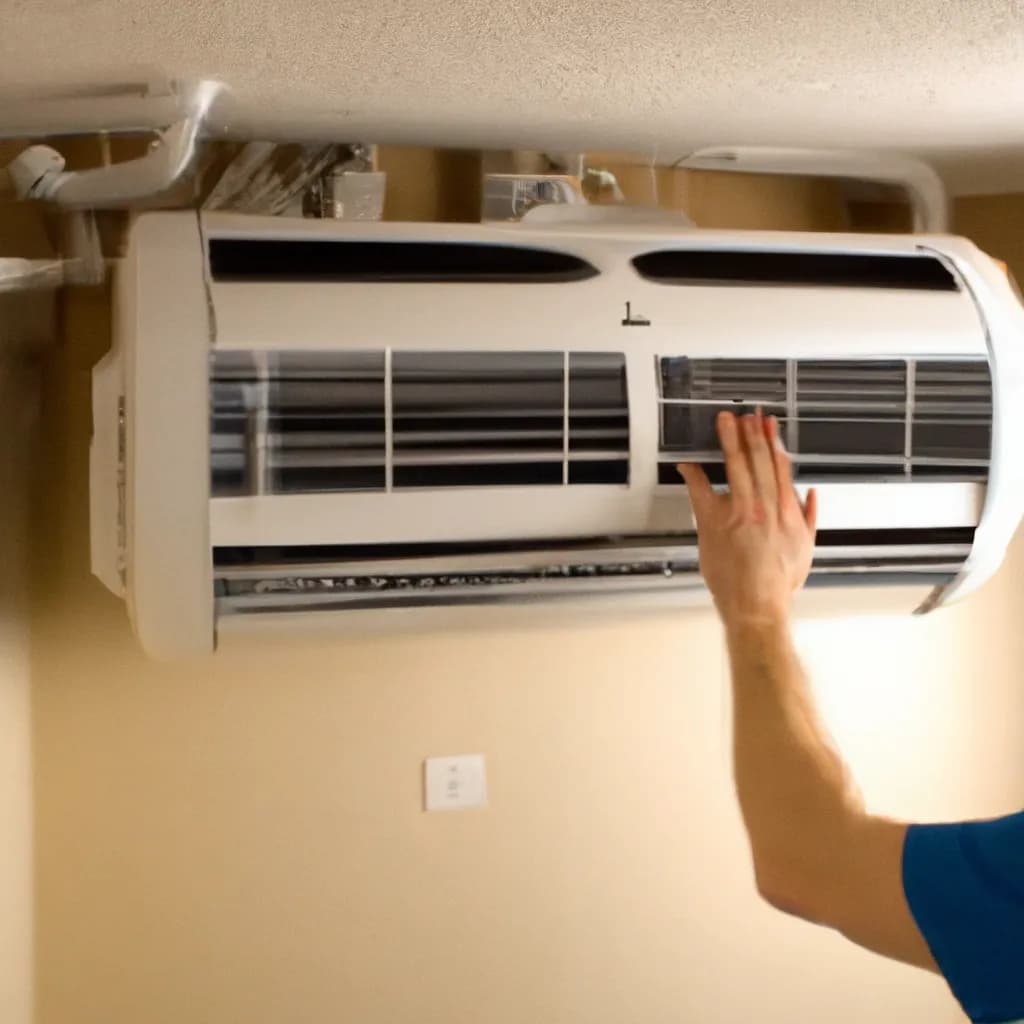
A ductless mini split is a type of air conditioning system that does not rely on ductwork to deliver cool (or warm) air. Instead, it uses an outdoor condenser and one or more indoor air handling units (often mounted high on a wall or ceiling) to condition specific zones or rooms. Each indoor unit is controlled independently, allowing you to cool only the spaces you use.
How Do Ductless Mini Splits Work?
Ductless mini splits operate by transferring heat between the indoor and outdoor units using refrigerant lines. In cooling mode, the indoor unit pulls warm air from the room, passes it over cold evaporator coils, and then returns the cooled air to the space. The absorbed heat is released outside. Modern mini splits can also heat rooms using a reversible heat pump, which is especially useful during Colorado’s chilly shoulder seasons.
Key Features of Ductless Mini Splits
- Zoned Cooling: Each indoor unit operates independently, allowing you to customize comfort room by room.
- No Ductwork Required: Ideal for homes without existing ducts, such as older properties, additions, or finished basements.
- High Efficiency: Most ductless systems use inverter-driven compressors, which adjust output to match demand, reducing energy waste.
- Flexible Installation: Indoor units can be wall-mounted, ceiling-recessed, or even floor-mounted to fit your space and design preferences.
- Quiet Operation: With no large air handler and reduced airflow noise, mini splits run much quieter than traditional systems.
Real-World Example: A family in Highlands Ranch wanted to finish their attic as a guest suite, but the existing central air system couldn’t reach that space. Installing a ductless mini split allowed them to cool (and heat) the attic efficiently without running new ducts or overhauling their main system.
Central Air Conditioning Systems Explained
What Is a Central Air System?
Central air conditioning is the most common cooling system in Colorado homes built after the 1980s. It uses a single, powerful outdoor compressor connected to a network of ducts that distribute conditioned air throughout the entire house. Central air is controlled by a single thermostat, typically located in a central hallway or living area.
How Central Air Conditioning Works
Central air systems draw warm indoor air through return ducts, cool it with an evaporator coil, and then circulate the cooled air back through supply ducts to each room. The system relies on a blower motor, air handler, and a network of ducts hidden in walls, ceilings, or floors. Most central air systems are paired with a furnace for year-round climate control.
Pros and Cons of Central Air
- Pros:
- Even, whole-home cooling with a single system
- Unobtrusive appearance, no visible indoor units in living spaces
- Compatible with existing ductwork (great for newer homes)
- Can be combined with a high-efficiency furnace for heating
- Cons:
- Less efficient due to duct losses, up to 30% of energy can be lost in ducts, especially if they’re leaky or uninsulated
- Higher installation costs if your home lacks existing ductwork
- Less flexible, difficult to control temperatures in individual rooms, leading to hot or cold spots
- Maintenance needed to keep ducts clean and sealed
Real-World Example: A family in Centennial with an existing forced-air furnace decided to add central air. Because their home already had well-maintained ducts, the installation was straightforward and cost-effective, providing even cooling throughout the house.
Comparing Ductless Mini Split vs. Central Air for Colorado Homes
Energy Efficiency and Operating Costs
Ductless mini splits are widely considered more energy efficient, especially for homes without ducts. Because they deliver air directly to each room, they avoid the energy losses associated with ductwork. In Colorado, where summer days can be hot but evenings cool off quickly, the ability to turn off units in unused rooms can lead to significant savings. Most ductless systems also qualify for utility rebates due to their high SEER (Seasonal Energy Efficiency Ratio) ratings.
Central air systems, while efficient in newer, tightly sealed homes, can suffer from duct leaks and heat loss, particularly in older homes. Duct maintenance is critical to keep these systems running efficiently. If you have a large, open-concept home and everyone prefers the same temperature, central air can still be cost-effective, especially when combined with a programmable thermostat.
Installation Requirements and Costs
Installing a ductless mini split is typically less invasive. Technicians drill a small hole to run refrigerant lines between the outdoor and indoor units. With no need for extensive ductwork, installation can often be completed in a day or two. This is a huge advantage for older homes in Denver, Morrison, or Boulder that lack ducts or for home additions where extending ducts is impractical.
Central air installation is more involved if ducts are not already in place. Retrofitting an older home can mean cutting into walls, ceilings, or floors, increasing both time and labor costs. For new builds or homes with existing ducts in good shape, central air may be more straightforward. In terms of cost, a single-zone ductless mini split runs from $3,000 to $5,000, while whole-home central air typically ranges from $6,000 to $12,000, depending on size and complexity. Multi-zone mini splits (to cool an entire home) can add up but may still be less expensive than a full duct retrofit.
Performance in Colorado’s Climate
Colorado’s climate presents unique challenges, with hot days, rapid temperature changes, and occasional cold snaps even in summer. Modern ductless mini splits are designed to work efficiently in a wide range of temperatures, making them ideal for our variable weather. Many models include built-in dehumidifiers, which can be a bonus during muggy days.
Central air systems are effective during prolonged heat waves, providing consistent, whole-home comfort. However, they can be less responsive to rapid temperature swings and may over-cool unoccupied rooms, leading to higher bills.
Aesthetics and Space Considerations
Ductless mini split indoor units are visible on walls or ceilings, which some homeowners find less appealing than hidden duct vents. However, modern models are sleek and unobtrusive, often blending into home decor. The lack of bulky ducts means more usable space in attics, basements, or closets.
Central air systems keep all major components hidden, except for the outdoor condenser and discreet supply/return vents. For homeowners who prioritize a traditional look, central air may be preferable. However, the need for ductwork can limit design flexibility.
Which Cooling Installation Is Right for You?
Factors to Consider for Colorado Homeowners
- Does your home already have ductwork in good condition?
- Are you cooling the whole house or just specific rooms, additions, or converted spaces?
- How important is individualized temperature control?
- Is efficiency and lowering operating costs a top priority?
- Do you want to avoid invasive installation or remodeling?
- What is your budget for installation and long-term maintenance?
Scenarios Where Ductless Mini Splits Shine
- Older Homes without Ducts: Avoid costly and messy retrofits. A Roxborough Park homeowner with a 1920s bungalow used ductless mini splits to modernize comfort without disturbing original architecture.
- Home Additions, Finished Basements, or Attics: Perfect for cooling new or converted spaces. A Denver homeowner finished their basement as a home theater, installing a single-zone mini split for year-round comfort without connecting to the main system.
- Zoned Living: Great for families with different temperature preferences, or for cooling only occupied rooms.
- Small Businesses: Offices, shops, or studios in Centennial and Boulder use ductless systems to control comfort in specific areas, reducing energy waste.
When Central Air Might Be the Better Choice
- Newer Homes with Existing Ductwork: Central air is often more cost-effective and provides even cooling throughout the home.
- Open-Concept or Large Homes: Ideal if you want consistent temperatures everywhere and don’t mind cooling unused rooms.
- Invisible Cooling: Central air keeps indoor aesthetics clean with only vents visible.
- Integrated Heating and Cooling: Central systems work seamlessly with a high-efficiency furnace for year-round comfort.
Ductless Mini Split Installation: What to Expect
Installation Process Overview
After an in-home consultation, Alloy Heating and Cooling’s certified technicians determine the right size and placement for your mini split system. The outdoor condenser is positioned outside, usually on a concrete pad. Technicians run small refrigerant, power, and drain lines through a three-inch hole in the wall to connect the condenser to each indoor unit. Indoor air handlers are mounted in chosen rooms, wired, and tested. Most installations take less than two days and require minimal disruption to your home.
Maintenance and Longevity
Ductless mini splits require simple, regular maintenance. Homeowners should clean or replace filters every few months, and schedule annual professional tune-ups to ensure optimal performance. With proper care, mini splits often last 15 to 20 years, comparable to or better than many central air units.
Finding a Qualified Installer in Colorado
Choosing a reputable, licensed HVAC contractor is critical. At Alloy Heating and Cooling, we bring years of hands-on experience installing both ductless and central air systems in Colorado homes and small businesses. We understand local climate demands and can recommend the best brands and configurations for your needs, ensuring your new system delivers comfort and efficiency for years to come.
Conclusion
The choice between ductless mini split and central air comes down to your home’s layout, existing infrastructure, comfort preferences, and budget. Ductless systems offer flexible, energy-efficient cooling for homes without ducts or for targeted spaces. Central air provides whole-home comfort where existing ducts are in place. If you’re ready to explore your options, contact Alloy Heating and Cooling for a free, no-pressure consultation. We proudly serve Greenwood Village, Englewood, Littleton, Lone Tree, Highlands Ranch, Parker, Southglenn, Castlewood, Aurora, Foxfield, Cherry Hills Village, Centennial, Denver, Lakewood, Wheat Ridge, Arvada, Westminster, Commerce City, Thornton, Northglenn, Castle Pines, Castle Rock, Sedalia, Franktown, Elizabeth, Kiowa, Evergreen, Golden, Morrison, Ken Caryl, Roxborough Park, Bow Mar, Glendale, Sheridan, Federal Heights, Brighton, Broomfield, Erie, Niwot, Lafayette, Louisville, Boulder, Monument, Palmer Lake and surrounding areas. Let’s make your home a cool, comfortable oasis this Colorado summer.
Frequently Asked Questions
Are ductless mini splits more energy efficient than central air systems?
Yes, ductless mini splits are generally more energy efficient because they eliminate duct losses and offer zoned cooling, allowing you to cool only the rooms you use.
How much does it cost to install a ductless mini split in Colorado?
Installation costs vary, but a single-zone ductless mini split typically ranges from $3,000 to $5,000, depending on the brand, model, and installation complexity.
Can a ductless mini split cool an entire house?
Yes, multi-zone ductless mini split systems can efficiently cool an entire home by installing multiple indoor units connected to one outdoor unit.
Is a ductless mini split a good option for older Colorado homes?
Absolutely. Ductless mini splits are ideal for older homes without existing ductwork, as they require minimal invasive installation and no major remodeling.
Do ductless mini splits work well in Colorado’s climate?
Yes, modern ductless mini splits are designed to perform efficiently in a wide range of temperatures, making them suitable for Colorado’s variable climate.

Alloy HVAC Team
HVAC experts with years of experience in the industry. We share tips, insights, and the latest trends in heating, ventilation, and air conditioning to help you maintain optimal comfort in your home or business.