AC Installation in Colorado Springs: What to Expect and How to Prepare Your Home
AC Installation in Colorado Springs: What to Expect and How to Prepare Your Home
Living in Colorado Springs means enjoying breathtaking mountain views, fresh air, and the beauty of all four seasons. However, summer can bring sudden heat waves and high temperatures, making a reliable air conditioning system essential for comfort and well-being. Whether you are a homeowner, small business owner, or manage a commercial space, the right AC installation can make all the difference in staying cool and saving energy. Here’s what you can expect during the AC installation process and how to get your property ready for a smooth experience.
Why Choose Professional AC Installation in Colorado Springs?
Benefits of Hiring Local Experts
Colorado Springs presents unique challenges when it comes to HVAC systems. Hiring a local professional means working with technicians who understand the region’s climate and building requirements. Local experts are familiar with city permitting processes, local codes, and the most effective systems for Colorado homes and businesses. For example, Alloy Heating and Cooling technicians have helped many Colorado Springs homeowners select AC systems that stand up to both scorching summers and cool nighttime temperatures, reducing humidity and improving indoor air quality.
Common Challenges in Colorado Springs Climate
The high altitude and dry climate of Colorado Springs can impact air conditioning performance. Systems must be able to handle significant temperature swings, dry air, and occasional dust from high winds. Professional installers will account for these factors, recommending equipment that is both durable and efficient. For instance, a family in Briargate noticed their old unit struggled to keep up during July heat waves. When they upgraded with professional help, the new system was sized for their home and the local climate, resulting in better comfort and lower energy bills.
Ensuring Proper Sizing and Efficiency
Proper sizing is crucial for AC performance. An undersized unit will run constantly and still not keep you cool, while an oversized unit will cycle on and off too frequently, wasting energy and causing uneven temperatures. Professional installers perform load calculations based on your home’s square footage, insulation, window orientation, and more. This expertise helps ensure your new AC system runs efficiently and lasts longer.
What to Expect During the AC Installation Process
Initial Assessment and Home Evaluation
The installation process starts with a comprehensive assessment of your property. Technicians will check your current HVAC system, measure your living space, inspect ductwork, and discuss your cooling needs. For example, a local business in Old Colorado City had unique zoning requirements for different office areas. A thorough evaluation ensured their new AC system provided consistent comfort throughout the building.
Selecting the Right AC System
Based on the assessment, your installer will recommend AC options tailored to your needs and budget. This could include central air conditioning, ductless mini-splits for older homes without ductwork, or energy-efficient models with smart controls. Your technician will walk you through each option, explaining the pros and cons so you can make an informed decision.
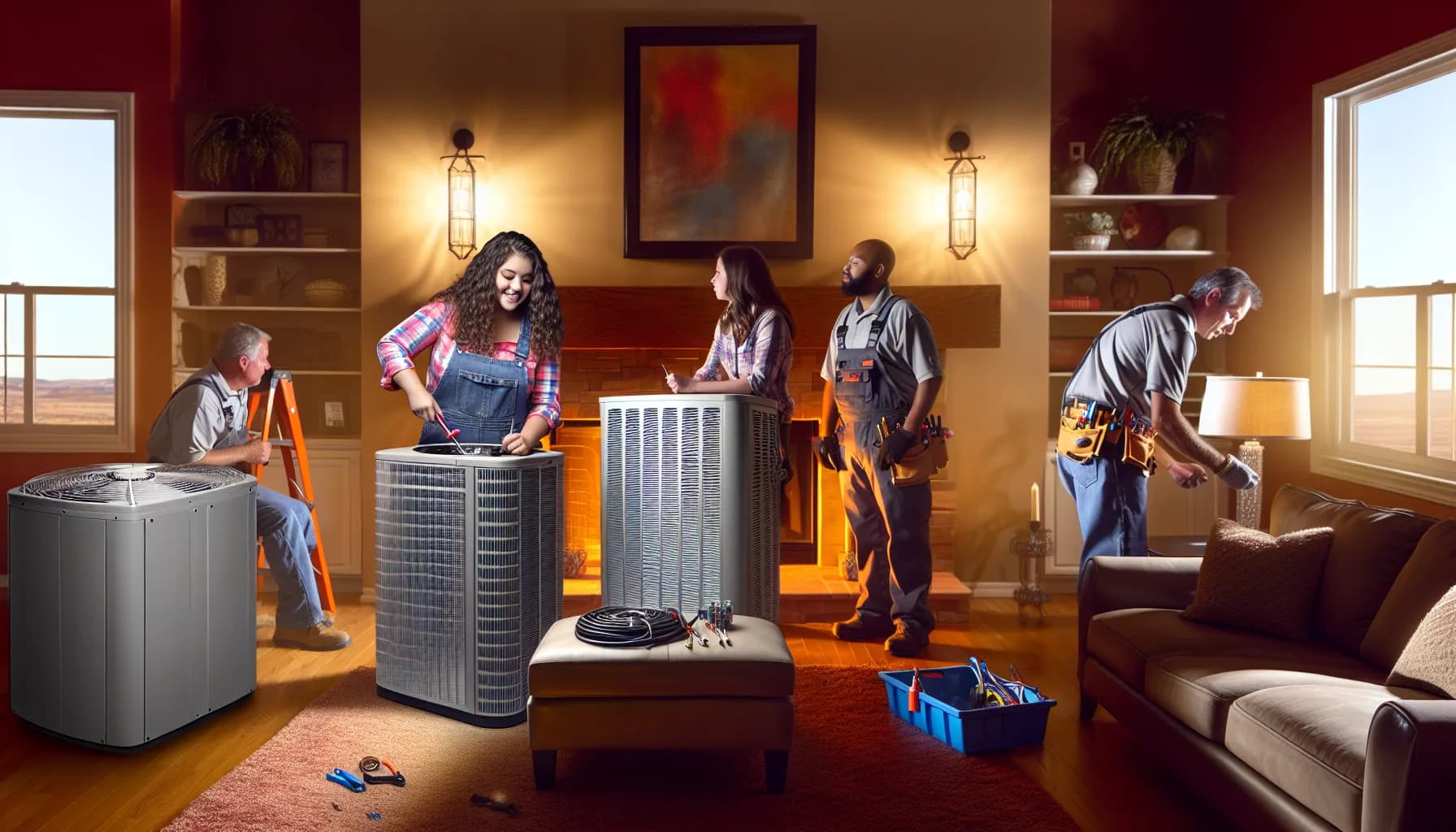
Installation Day: Step-by-Step Overview
- Arrival and Preparation: Technicians arrive on time, review the installation plan with you, and protect your floors with drop cloths.
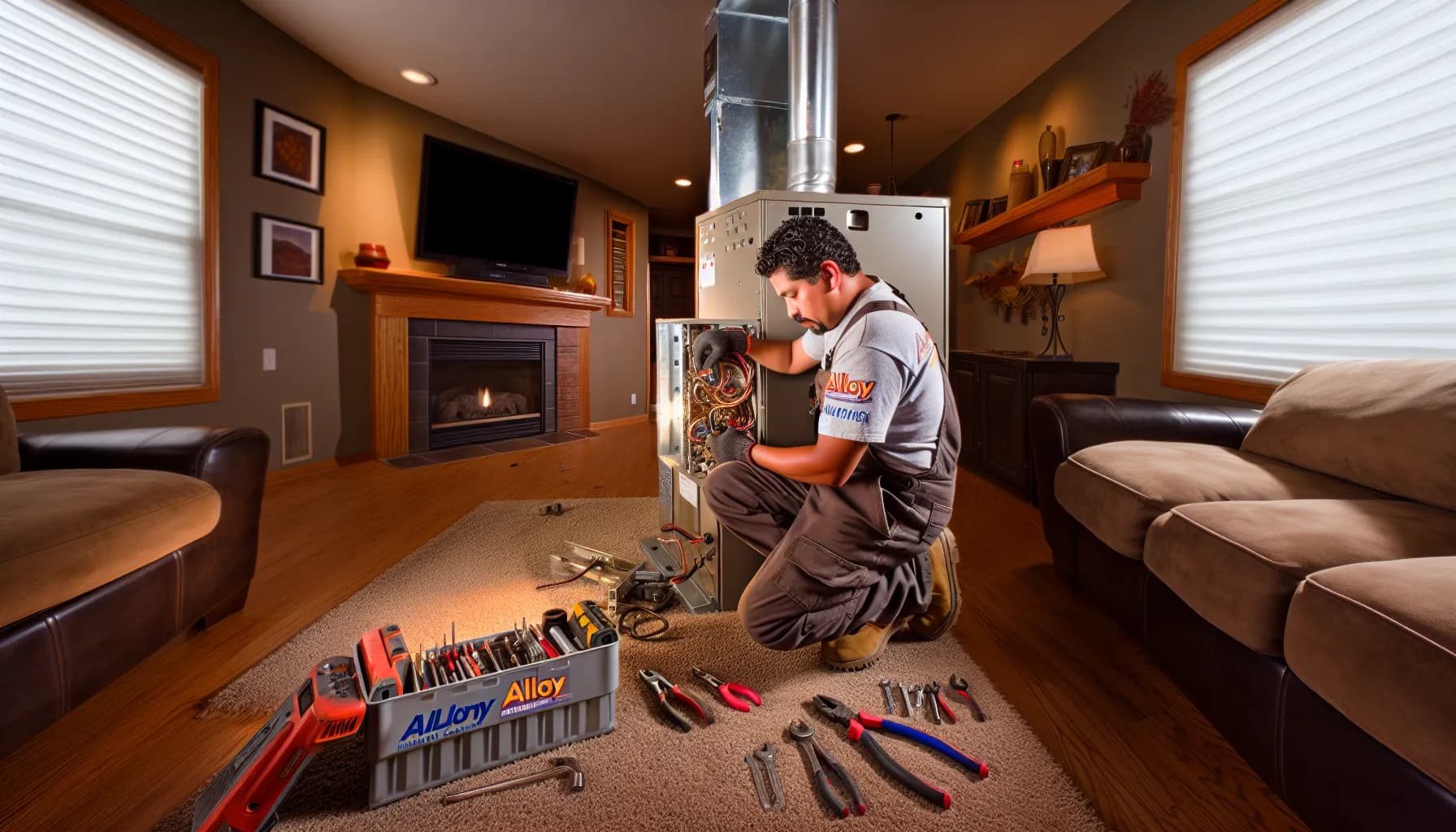
- Removal of Old Equipment: If replacing an old unit, the team carefully disconnects and removes it, handling refrigerant responsibly according to EPA guidelines.
- Setting Up the New System: The new AC unit is positioned, connected to electrical and refrigerant lines, and integrated with your existing ductwork or air handler.
- Thermostat Installation: If needed, a new programmable or smart thermostat is installed and connected for optimal control.
- Testing and Calibration: The system is charged with refrigerant, tested for leaks, and calibrated for maximum performance.
For a family in Broadmoor, the installation of a new energy-efficient AC unit took about half a day. The technicians ensured everything was spotless before leaving, and the homeowners enjoyed a noticeably cooler and quieter home that same evening.
Post-Installation Inspection and Testing
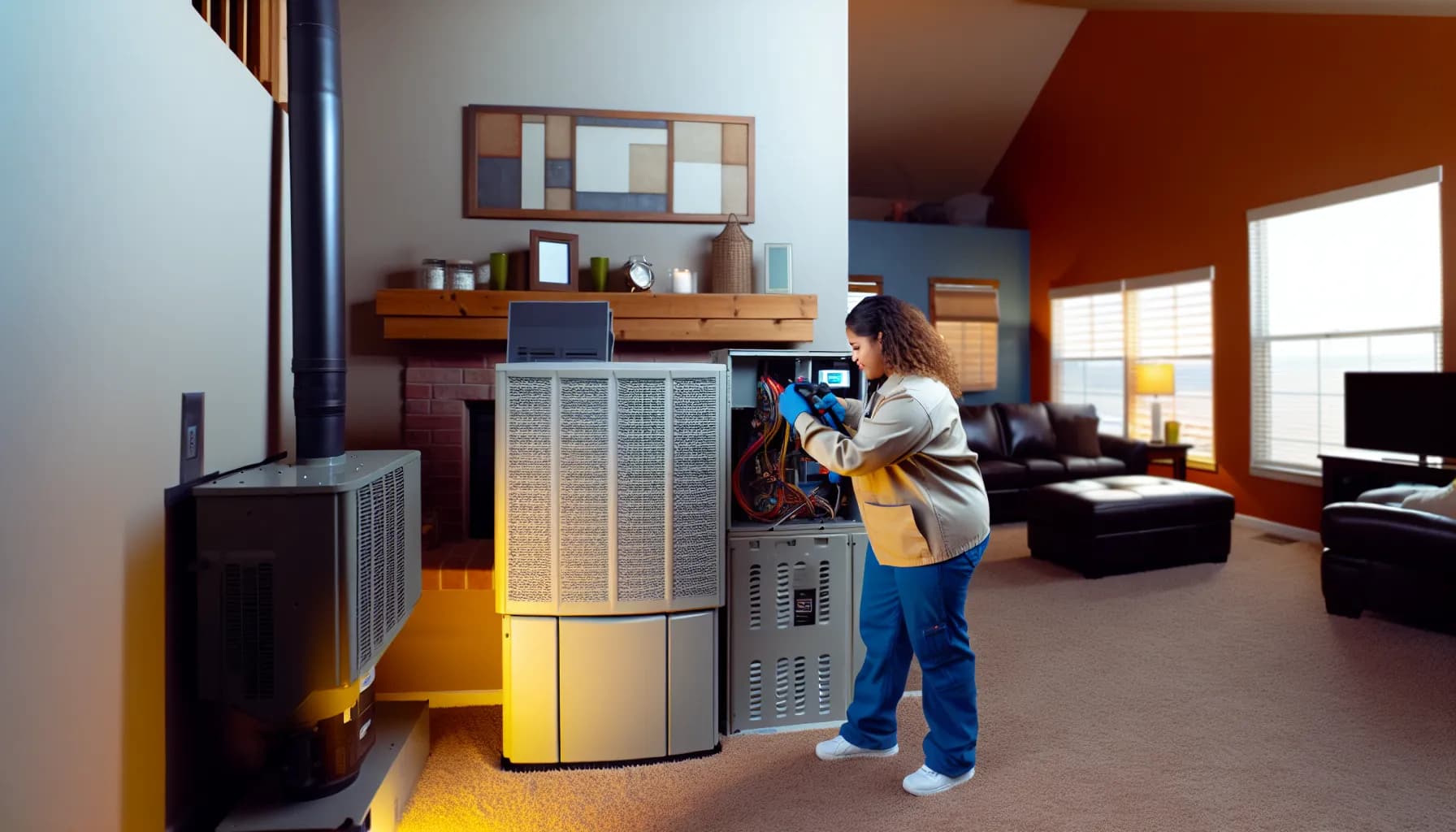
After installation, technicians perform a final inspection and thorough testing. This includes checking airflow, verifying temperature differences across rooms, and ensuring all controls work properly. You will receive a walk-through of the new system, along with tips on operation and maintenance. The installer will also handle any necessary permit sign-offs or inspections required by the city of Colorado Springs.
How to Prepare Your Home for AC Installation
Clearing the Installation Area
Before your installation appointment, clear the area around the indoor and outdoor units. Move furniture, decorations, or plants so technicians have unobstructed access. For example, if your air handler is in a finished basement, removing stored boxes and clearing a pathway can speed up the process and keep your belongings safe.
Checking Electrical and Ductwork Requirements
Modern AC systems may require dedicated electrical circuits or updates to existing wiring. Make sure your breaker panel is accessible, and notify your installer about any previous electrical issues. Similarly, clear any obstructions from vents and registers and notify your technician if you have noticed uneven airflow or dust buildup. Addressing these issues in advance allows for a smoother installation and fewer surprises.
Ensuring Easy Access for Technicians
Clear driveways, walkways, and entryways to make it easy for technicians to bring in equipment and tools. If you have pets, secure them in a separate room or area during installation to prevent stress and ensure safety for everyone involved. Real-world example: A homeowner in Stetson Hills made sure their garage and backyard gate were unlocked, allowing the installation team to move freely and finish the job quickly.
Protecting Furniture and Valuables
Although professional installers take precautions, you can add an extra layer of protection by covering furniture or electronics near the work area. This is especially helpful if installation involves attic access or work in living spaces. Removing fragile items from shelves and tabletops reduces the risk of accidental bumps during the installation process.
Aftercare Tips and Maintenance for Your New AC
Setting Up a Maintenance Schedule
Regular maintenance is key to prolonging the life of your new AC system. Schedule an annual professional check-up each spring to inspect coils, check refrigerant levels, and clean components. Alloy Heating and Cooling offers maintenance plans that include priority service, discounts, and reminders, so you never miss a tune-up.
Signs Your AC Needs Service
Watch for warning signs such as unusual noises, weak airflow, frequent cycling, or unexpected spikes in your energy bill. For example, a small business in downtown Colorado Springs noticed their new AC was less effective after a month of heavy use. A quick service visit revealed a clogged air filter, and performance quickly returned to normal.
Maximizing Energy Efficiency
To get the most from your new AC, change air filters every 1-3 months, keep vents clear, and use ceiling fans to help circulate cool air. Consider installing a programmable thermostat to automatically adjust temperatures when you are away or asleep. Sealing windows and adding insulation can further boost efficiency, especially in older Colorado Springs homes that tend to lose cool air quickly.
Conclusion
Investing in a professional AC installation in Colorado Springs is a smart way to enjoy reliable comfort during the hottest months and improve your property’s value. By preparing your home, understanding the installation process, and following up with regular maintenance, you can keep your system running smoothly for years to come. If you are ready to upgrade your cooling or have questions about the best AC options for your home or business, contact the team at Alloy Heating and Cooling for expert advice and service tailored to the unique needs of Colorado Springs residents.
Frequently Asked Questions
How long does AC installation take in Colorado Springs?
Most AC installations in Colorado Springs can be completed within one day, but more complex projects or additional ductwork may require extra time.
What size air conditioner do I need for my Colorado Springs home?
The ideal AC size depends on your home’s square footage, insulation, and layout. A professional installer will assess your needs to recommend the right size.
Do I need to prepare anything before the technicians arrive?
Yes, clear the area around the installation site, ensure pets are secured, and make sure there is easy access to electrical panels and ductwork.
Are permits required for AC installation in Colorado Springs?
In most cases, permits are required. Your installer will typically handle permit applications and ensure all work meets local codes.
How can I maintain my new AC system for optimal performance?
Regularly change air filters, schedule annual professional maintenance, and keep outdoor units free from debris for best results.

Alloy HVAC Team
HVAC experts with years of experience in the industry. We share tips, insights, and the latest trends in heating, ventilation, and air conditioning to help you maintain optimal comfort in your home or business.