SEER Ratings Explained: How to Choose an Energy-Efficient AC Unit in Colorado
SEER Ratings Explained: How to Choose an Energy-Efficient AC Unit in Colorado
Shopping for a new air conditioner can feel overwhelming, especially with all the technical jargon. One term you will see often is SEER rating, which plays a big role in energy efficiency and long-term savings. At Alloy Heating and Cooling, we want to empower homeowners and businesses in Colorado with the knowledge to make smart, cost-effective choices. Here’s a comprehensive guide to understanding SEER ratings and how to select the best AC unit for your property.
What is a SEER Rating on AC Units?
Definition of SEER Rating
SEER stands for Seasonal Energy Efficiency Ratio. It measures how efficiently an air conditioner cools your space over an entire cooling season. Essentially, the SEER rating tells you how much cooling you get for each unit of electricity the system uses. The higher the SEER, the more efficient the unit.
How SEER Ratings Are Calculated
Calculating a SEER rating involves dividing the total amount of cooling provided (measured in British Thermal Units, or BTUs) by the total amount of electricity consumed (in watt-hours) during a typical cooling season. Manufacturers perform these calculations in controlled environments, simulating typical summer conditions.
Why SEER Matters for Air Conditioning
A higher SEER rating means your air conditioner uses less energy to deliver the same amount of cooling. Over time, this translates into lower energy bills, a reduced carbon footprint, and a more comfortable home. In Colorado, where we often see both hot summers and mild swings in temperature, having an efficient AC system is crucial for comfort and cost control.
Minimum SEER Requirements in Colorado
Colorado State Regulations
Colorado follows both state and federal guidelines for minimum SEER ratings. As of 2023, the minimum SEER requirement for new central air conditioners in Colorado is 14. Units with lower ratings can no longer be installed, but older systems can be repaired and maintained as needed.
Federal SEER Standards vs. Colorado Standards
Federal law sets the baseline for SEER ratings across the country. In Northern states, including Colorado, new residential AC units must have a minimum SEER of 14. In some Southern states, where cooling demands are higher, the minimum is 15. Colorado homeowners are encouraged to go above the minimum standard for better efficiency and savings, especially as utility rebates often reward higher SEER choices.
How SEER Ratings Impact Energy Efficiency
SEER Ratings and Energy Savings
Let’s look at a real scenario. A Greenwood Village homeowner replaced their aging 10 SEER AC (installed in the early 2000s) with a modern 16 SEER unit. During the first summer, their monthly energy bills dropped by nearly 30%. The difference was even more noticeable during a particularly hot July, when efficient cooling kept the house comfortable without driving up costs.
Environmental Benefits
Choosing a high SEER AC unit helps lower your home’s greenhouse gas emissions since the system uses less electricity. Reducing energy demand is especially important in Colorado, where many homes now rely on renewable energy sources, and utilities reward efficiency with incentives. Every kilowatt-hour saved helps make the grid greener.
Comparing High SEER vs. Low SEER AC Units
High SEER units (16 and above) typically feature variable-speed compressors and advanced controls. These technologies allow the system to adapt to changing temperatures, reducing wear and tear and making your home more comfortable. Lower SEER units (14-15) may come with a lower upfront price, but they run less efficiently and will cost more to operate in the long run. For small businesses in Denver or homes in Highlands Ranch, upgrading to a higher SEER unit provides greater comfort during heat waves and helps manage operational costs.
Choosing the Right SEER Rating for Your Home
Factors to Consider (Climate, Usage, Budget)
Colorado’s semi-arid climate means hot, dry summers and cool evenings. If you use your AC frequently or have a larger home, investing in a higher SEER unit makes sense. Other factors include your insulation quality, window efficiency, and how often you run the system. For example, a family in Castle Rock who spends most summer days at home will benefit from a higher SEER unit compared to retirees in Evergreen who only use AC occasionally.
Balancing Initial Cost vs. Long-Term Savings
While high SEER units cost more upfront, they pay for themselves through lower utility bills. Many homeowners in Parker and Centennial choose a 16 or 18 SEER model for the best value. If you plan to stay in your home for five years or longer, the energy savings can offset the initial investment. Alloy Heating and Cooling can help calculate your payback period based on your actual usage and local energy rates.
Professional Recommendations for Colorado Homes
We recommend at least a 15 SEER unit for most Colorado homes. In areas like Aurora or Boulder, where summer cooling loads are higher, consider a 16 SEER or greater. Business owners in Denver or Lakewood with larger spaces or high cooling demands may benefit from even higher SEER models. Our certified technicians can perform a detailed load calculation to determine the right size and efficiency for your unique needs.
Tips for Maximizing Your AC Unit’s Efficiency
Maintenance and Upkeep
Even the most efficient AC system needs regular maintenance to perform at its best. Schedule annual tune-ups with Alloy Heating and Cooling to clean coils, check refrigerant levels, and ensure optimal airflow. Changing filters every 1-3 months keeps the system running smoothly and prevents costly repairs down the line.
Smart Thermostat Integration
Pairing your high-SEER AC unit with a smart thermostat can further enhance efficiency. Smart thermostats learn your schedule and adjust cooling automatically, so you are not paying to cool an empty house. Many homeowners in Highlands Ranch and Lone Tree have seen up to 10% additional savings after making this upgrade.
Insulation and Home Improvements
Efficiency isn’t just about your AC unit. Proper insulation, sealed windows, and energy-efficient doors can dramatically reduce your cooling demand. Adding attic insulation or upgrading windows in older homes in Morrison or Golden can help your AC unit work less, extending its lifespan and maximizing your investment. Our team can assess your home and recommend improvements tailored to Colorado’s unique climate.
Making sense of SEER ratings can help you choose an air conditioner that fits your lifestyle and budget. Whether you are upgrading an old system in Broomfield, installing a new AC in Castle Pines, or managing a commercial property in Denver, Alloy Heating and Cooling has the expertise to guide you every step of the way.
Frequently Asked Questions
What is a good SEER rating for an AC unit in Colorado?
A SEER rating of 15 or higher is generally recommended for Colorado homes, balancing energy efficiency and upfront costs.
Does a higher SEER rating mean lower energy bills?
Yes, higher SEER ratings typically translate to more efficient cooling and lower monthly energy bills, especially during hot Colorado summers.
Are there rebates or incentives for high SEER AC units in Colorado?
Many utility companies in Colorado offer rebates for installing energy-efficient air conditioners with higher SEER ratings. Check with your local provider for current offers.
How can I find the SEER rating on my current AC unit?
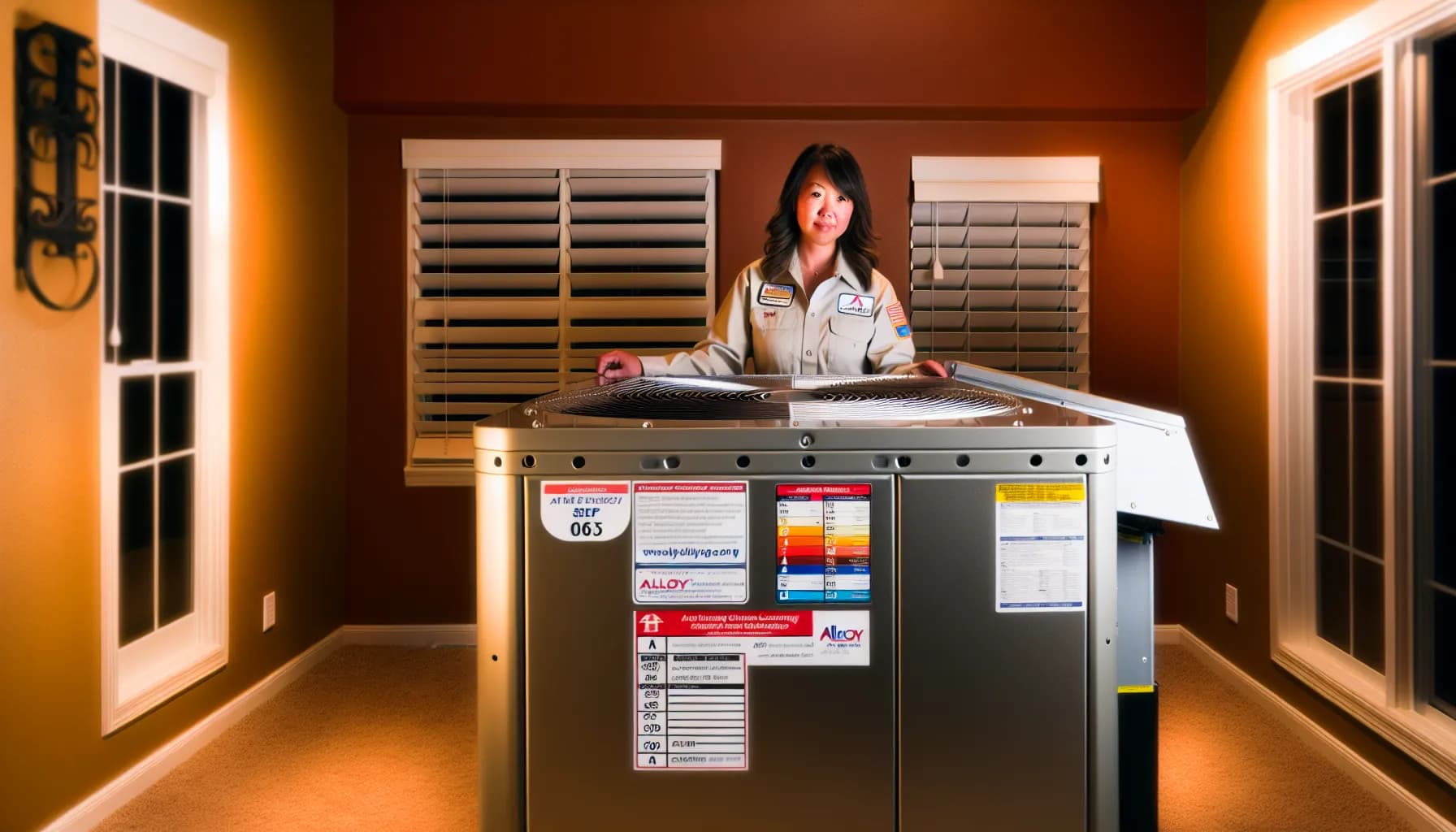
The SEER rating is usually displayed on the yellow EnergyGuide label on the side of your AC unit or can be found in the owner’s manual.
Is it worth upgrading to a high SEER AC unit?
Upgrading to a high SEER AC unit can provide significant energy savings over time, especially if your current unit is older or less efficient.

Alloy HVAC Team
HVAC experts with years of experience in the industry. We share tips, insights, and the latest trends in heating, ventilation, and air conditioning to help you maintain optimal comfort in your home or business.