SEER Ratings Explained: Choosing an Efficient AC Unit for Your Colorado Home
SEER Ratings Explained: Choosing an Efficient AC Unit for Your Colorado Home
If you are searching for a new air conditioning system for your Colorado home or business, you have probably encountered the term SEER rating. Understanding SEER ratings is one of the most important steps in selecting an energy-efficient AC unit that keeps your space comfortable and your energy bills in check. At Alloy Heating and Cooling, we help homeowners and businesses across Greenwood Village, Englewood, Littleton, Lone Tree, and many other Colorado communities make informed choices about their HVAC systems. Let’s break down what SEER ratings mean, why they matter, and how to pick the right AC unit for your needs.
What is a SEER Rating on AC Units?
Definition of SEER Rating
SEER stands for Seasonal Energy Efficiency Ratio. It is a standardized measurement defined by the U.S. Department of Energy to evaluate the efficiency of air conditioners and heat pumps. The SEER rating is calculated by dividing the total cooling output of a unit (measured in British Thermal Units, or BTUs) during a typical cooling season by the total electric energy input (measured in watt-hours) consumed during the same period.
How SEER Ratings are Calculated
SEER ratings reflect how efficiently an AC unit operates over an entire cooling season, not just during peak performance. The calculation takes into account a range of outdoor temperatures, simulating real-world conditions in places like Denver, Centennial, and Boulder. Manufacturers test their units across various temperature points, then average out the results. The higher the SEER number, the more efficiently the system converts electricity into cooling.
Why SEER Matters for Homeowners
For homeowners and small businesses, SEER ratings are a direct indicator of how much you can expect to spend on cooling throughout the summer. A higher SEER rating means lower utility bills and less energy waste. Over time, investing in a more efficient system can pay for itself through savings while also reducing your environmental footprint, a win-win for both your budget and the planet.
Understanding SEER Ratings for Colorado Homes
Climate Considerations in Colorado
Colorado’s climate is unique, with hot, dry summers and significant temperature swings, especially in areas like Highlands Ranch, Aurora, and Castle Rock. Some places see cool nights even during the peak of summer. This variability means your AC unit needs to handle both intense heat and rapid temperature changes efficiently. SEER ratings provide a benchmark for how well an AC unit can keep up with these demands without wasting energy.
Recommended SEER Ratings for Colorado
The current federal minimum SEER rating for new AC units is 14 in Colorado, but many experts, including our team at Alloy Heating and Cooling, recommend choosing a unit with a SEER of 16 or higher for optimal energy savings and comfort. In homes located in higher elevation areas like Evergreen or Morrison, the slightly thinner air can impact efficiency, making higher SEER units even more valuable.
For example, a homeowner in Parker upgraded from an older 10 SEER unit to a 17 SEER model. After one season, they saw their summer cooling costs drop by nearly 30 percent, even though their usage habits stayed the same. This kind of real-world result demonstrates the financial and environmental benefits of higher-SEER systems.
Impact of Elevation and Weather on AC Efficiency
Elevation plays a significant role in AC performance. Higher elevations like Castle Pines or Boulder mean lower air pressure, which affects how efficiently air conditioners operate. Units with higher SEER ratings are engineered to perform better under these conditions, using advanced compressors and fans to maintain comfort without overworking. In addition, Colorado’s intense sun and occasional heat waves make a reliable, efficient AC system essential for comfort and indoor air quality.
How to Choose an Efficient AC Unit Based on SEER Rating
Comparing Different SEER Ratings
When shopping for a new AC unit, you will notice a range of SEER ratings. Here’s a general breakdown:
- 14-15 SEER: Meets minimum efficiency standards. Suitable for smaller homes or light use.
- 16-18 SEER: Offers a solid balance of efficiency and affordability. Recommended for most Colorado homes.
- 19+ SEER: Premium efficiency. Ideal for large homes or those seeking the greatest long-term savings and comfort.
For instance, a small business in Southglenn opted for an 18 SEER rooftop unit. Not only did they see a significant reduction in monthly energy bills, but employees also reported more consistent comfort throughout the building, even during July heatwaves.
Balancing Upfront Costs and Long-Term Savings
It is true that higher SEER units typically cost more upfront. However, they consume less electricity over time, leading to lower monthly bills. Homeowners in Littleton and Ken Caryl often ask us if the investment is worth it. We recommend considering how long you plan to stay in your home, your average cooling needs, and available utility rebates. In many Colorado communities, local energy providers offer rebates for installing high-SEER AC systems, which can help offset the initial cost.
For example, a family in Golden replaced their aging AC with a 20 SEER system. Between energy bill reductions and a utility rebate, they expect the system to pay for itself in just five years, long before the average lifespan of the unit.
Top AC Brands with High SEER Ratings
Not all AC brands are created equal. At Alloy Heating and Cooling, we recommend and install systems from leading brands like Lennox, Trane, Carrier, and Daikin. These manufacturers offer models with SEER ratings ranging from 14 to well over 20, with advanced features like variable-speed compressors, smart controls, and sound-reducing technology. Our technicians can help you compare brands, models, and features to find the best fit for your budget and comfort goals.
Maximizing AC Efficiency Beyond SEER Ratings
Proper Installation and Maintenance
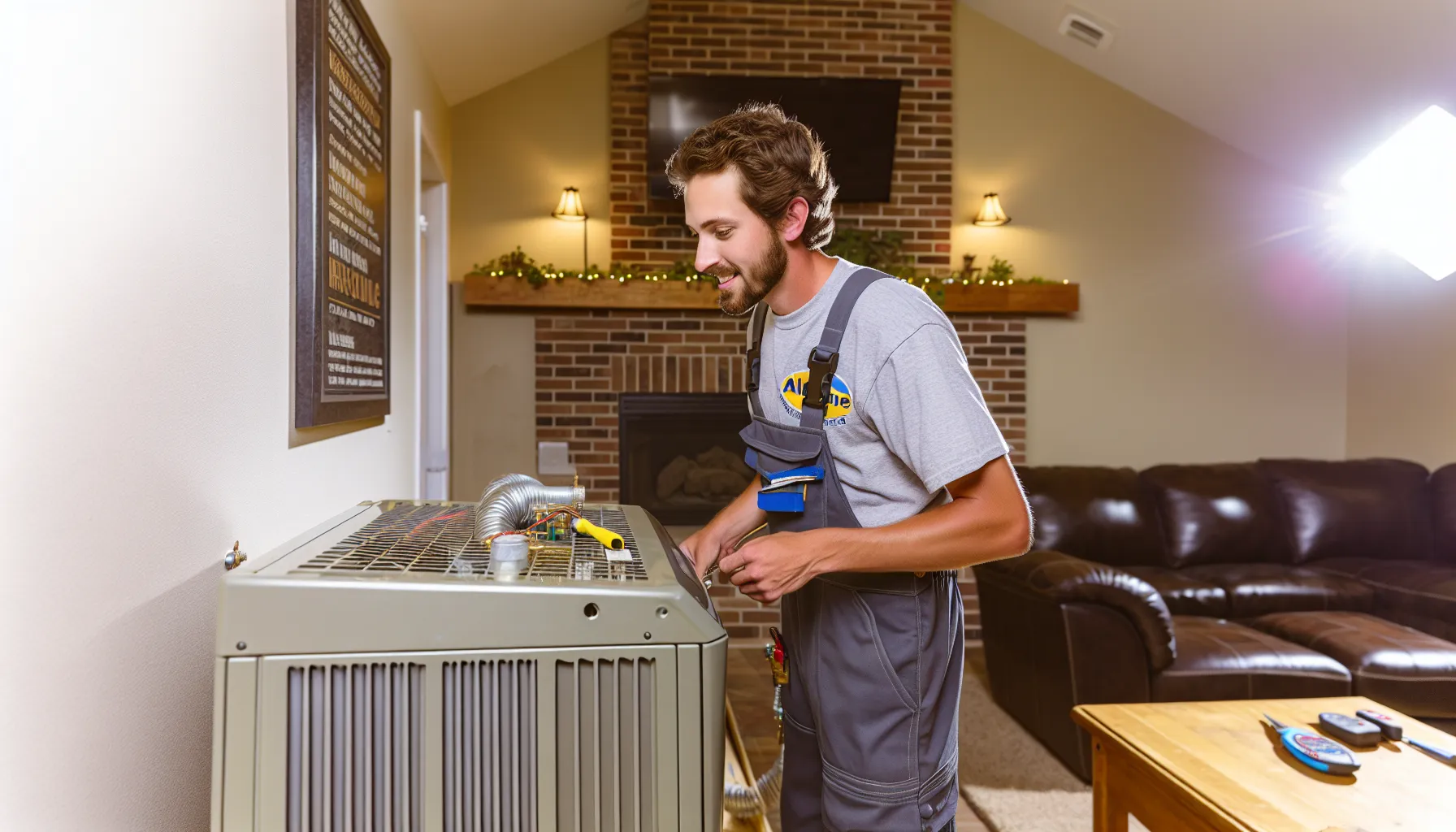
Even the highest-rated SEER unit will not perform at its peak if it is not installed correctly. Oversized or undersized units, poor ductwork, and improper refrigerant levels can all reduce efficiency and lifespan. That is why professional installation by a certified HVAC technician is so important. Regular maintenance, such as changing filters and checking refrigerant, also keeps your system running smoothly. In Highlands Ranch, we worked with a homeowner whose high-SEER system was underperforming due to blocked vents and dirty coils. After a thorough tune-up, their energy usage dropped noticeably.
Home Insulation and Sealing
Your home’s insulation is just as important as your AC’s SEER rating. Leaky windows, poorly insulated attics, and unsealed doors make your air conditioner work harder, regardless of its efficiency. Upgrading insulation and sealing air leaks can amplify the benefits of a high-SEER unit. In older homes around Wheat Ridge or Arvada, these improvements can lead to dramatic energy savings and comfort gains.
Smart Thermostats and Energy-Saving Tips
Pairing your high-SEER AC with a smart thermostat adds another level of efficiency. Smart thermostats learn your schedule, automatically adjust temperatures, and can be controlled remotely. Setting your thermostat a few degrees higher when you are away, using ceiling fans, and closing blinds during the hottest part of the day can all contribute to lower energy use. Many Colorado homeowners in Boulder and Lafayette have seen up to 10 percent additional savings by adopting these simple habits.
Conclusion: Making the Right Choice for Your Colorado Home
Choosing the right AC unit involves more than just picking a high SEER number. Consider your home’s size, insulation, local climate, and long-term comfort goals. At Alloy Heating and Cooling, we combine technical expertise, local knowledge, and partnerships with top brands to help you make a confident, informed decision. Serving communities from Castle Rock to Broomfield and everywhere in between, we are committed to delivering energy-efficient solutions that perform year after year.
Ready to explore your AC options? Contact Alloy Heating and Cooling today for a free consultation and let our experts guide you to the perfect system for your Colorado home or business.
Frequently Asked Questions
What does SEER stand for in AC units?
SEER stands for Seasonal Energy Efficiency Ratio, a measure of an air conditioner’s cooling output divided by its energy usage over a typical cooling season.
What is a good SEER rating for Colorado homes?
A SEER rating of 14 or higher is recommended for Colorado homes, though higher SEER units offer better efficiency and greater long-term savings.
How much can I save with a higher SEER AC unit?
Upgrading to an AC unit with a higher SEER rating can reduce your cooling energy costs by 20–40%, depending on your current system and usage habits.
Does SEER rating affect AC performance in Colorado's climate?
Yes, a higher SEER rating ensures better energy efficiency, especially during Colorado’s hot summers and varying elevations, which can impact AC performance.
Is it worth investing in a higher SEER AC unit?
While higher SEER units have a higher upfront cost, they often pay off over time through lower utility bills and improved comfort, particularly in climates like Colorado.

Alloy HVAC Team
HVAC experts with years of experience in the industry. We share tips, insights, and the latest trends in heating, ventilation, and air conditioning to help you maintain optimal comfort in your home or business.