Understanding SEER Ratings: How to Choose an Energy-Efficient Air Conditioner for Colorado Homes
Understanding SEER Ratings: How to Choose an Energy-Efficient Air Conditioner for Colorado Homes
Choosing the right air conditioner for your Colorado home is about more than just staying cool during the summer heat. Energy efficiency, comfort, and long-term savings are all key factors. At Alloy Heating and Cooling, we help homeowners, small businesses, and commercial property owners across the Front Range decode the complex world of HVAC. One of the most important concepts to understand is the SEER rating. But what does SEER mean, and how does it help you choose the perfect AC unit? This comprehensive guide explains everything you need to know about SEER ratings and selecting an energy-efficient air conditioner for your property.
What is SEER Rating on AC Units?
Definition of SEER
SEER stands for Seasonal Energy Efficiency Ratio. It is a standardized measure of how efficiently an air conditioning system operates over a typical cooling season. The higher the SEER number, the more energy-efficient the unit. SEER ratings are determined by the Air Conditioning, Heating, and Refrigeration Institute (AHRI) and are required to be displayed on every new AC unit sold in the United States.
How SEER Ratings Are Calculated
The SEER rating is calculated by dividing an air conditioner’s total cooling output (measured in British Thermal Units, or BTUs) during a typical cooling season by the total electric energy input (in watt-hours) consumed during the same period. In short, SEER = Total Cooling Output / Total Energy Used. For example, if an AC unit produces 60,000 BTUs of cooling over a season and uses 4,000 watt-hours, its SEER would be 15 (60,000 ÷ 4,000 = 15).
SEER ratings allow consumers to compare the energy efficiency of different air conditioning systems under standardized conditions, making it easier to make informed choices.
Why SEER Ratings Matter
Choosing an AC unit with a higher SEER rating means your system uses less electricity to provide the same level of cooling. This leads to lower energy bills, reduced environmental impact, and often quieter, more comfortable operation. When you live in Colorado, where summer temperatures can swing from mild to scorching, an efficient unit can make a big difference in both comfort and cost.
For example, a homeowner in Highlands Ranch recently upgraded from a 10 SEER unit (installed in the early 2000s) to a 17 SEER model. Their energy bills dropped by nearly 30% during the peak summer months, and the home maintained a more even temperature throughout the day.
Benefits of High SEER Ratings for Colorado Homeowners
Energy Savings in Colorado’s Climate
Colorado’s climate is unique. While the state enjoys cool nights and low humidity, daytime summer temperatures can climb into the 90s or even higher, especially in urban areas like Denver and Aurora. High SEER air conditioners are designed to run efficiently even during these hot spells, using less energy to maintain your desired comfort level. This means you can keep your home or business cool without worrying about skyrocketing utility bills.
In real-world terms, a homeowner in Parker who upgraded to a 16 SEER unit reported that their cooling costs were noticeably lower compared to neighbors with older, less efficient AC systems. This is especially important in Colorado, where energy prices can fluctuate and summer heatwaves are becoming more common.
Environmental Impact
Choosing a high SEER air conditioner helps reduce your carbon footprint. More efficient units use less electricity, which means fewer greenhouse gas emissions from power plants. For environmentally conscious homeowners and businesses in communities like Boulder and Lafayette, this is a meaningful way to contribute to sustainability efforts while also enjoying the benefits of modern HVAC technology.
Cost vs. Long-Term Value
While high SEER air conditioners often come with a higher upfront price, they pay for themselves over time through energy savings, fewer repairs, and longer system lifespans. Many utility providers in Colorado offer rebates for installing energy-efficient units, further reducing your initial investment. For example, a small business in Littleton installed a 18 SEER system and received a utility rebate that covered part of the installation cost. Over the next five years, the owner estimated saving more than $2,000 in energy bills alone.
How to Choose the Right SEER Rating for Your Air Conditioner
Recommended SEER Ratings for Colorado
Current federal regulations require all new central air conditioners in Colorado to have a minimum SEER rating of 14. However, HVAC experts often recommend choosing a unit with a SEER of 15 or higher. For homeowners in areas like Castle Rock, Broomfield, or Golden, a SEER rating between 15 and 18 is typically ideal. If you have a larger home, face west, or want the absolute lowest operating costs, you might consider units rated at 20 SEER or above.
For commercial properties or small businesses, the right SEER rating may also depend on usage patterns and building size. Consulting with a local HVAC expert like Alloy Heating and Cooling ensures you choose a system designed for Colorado’s unique climate and your specific needs.
Factors to Consider (Home Size, Usage, Budget)
- Home Size: Larger homes or businesses require more cooling capacity, which can affect your choice of SEER. High-efficiency units are especially beneficial for bigger spaces.
- Usage Patterns: If your family spends most days at home or you run a business with high occupancy, a higher SEER unit will deliver more savings over time.
- Budget: While high-SEER units cost more upfront, they lead to greater long-term savings. Balance your initial investment with expected energy savings and potential utility rebates.
For instance, a homeowner in Centennial with a 2,500-square-foot house and a busy household saw the most value from a 17 SEER system, while a retired couple in Evergreen with a smaller home were satisfied with a 15 SEER unit for their seasonal cooling needs.
Comparing Different AC Units Based on SEER
When comparing air conditioners, always look at the yellow EnergyGuide label. It displays the SEER rating prominently. Compare models with similar features, but prioritize higher SEER ratings for greater efficiency. For example, if you’re deciding between a 14 SEER and a 16 SEER unit, the latter will use about 13% less energy for the same amount of cooling.
New technologies like variable-speed compressors and smart thermostats can also boost efficiency, especially when paired with high-SEER systems. Ask your HVAC installer about additional features that can complement your chosen air conditioner.
Installation and Maintenance Tips for Energy-Efficient AC Units
Professional Installation Importance
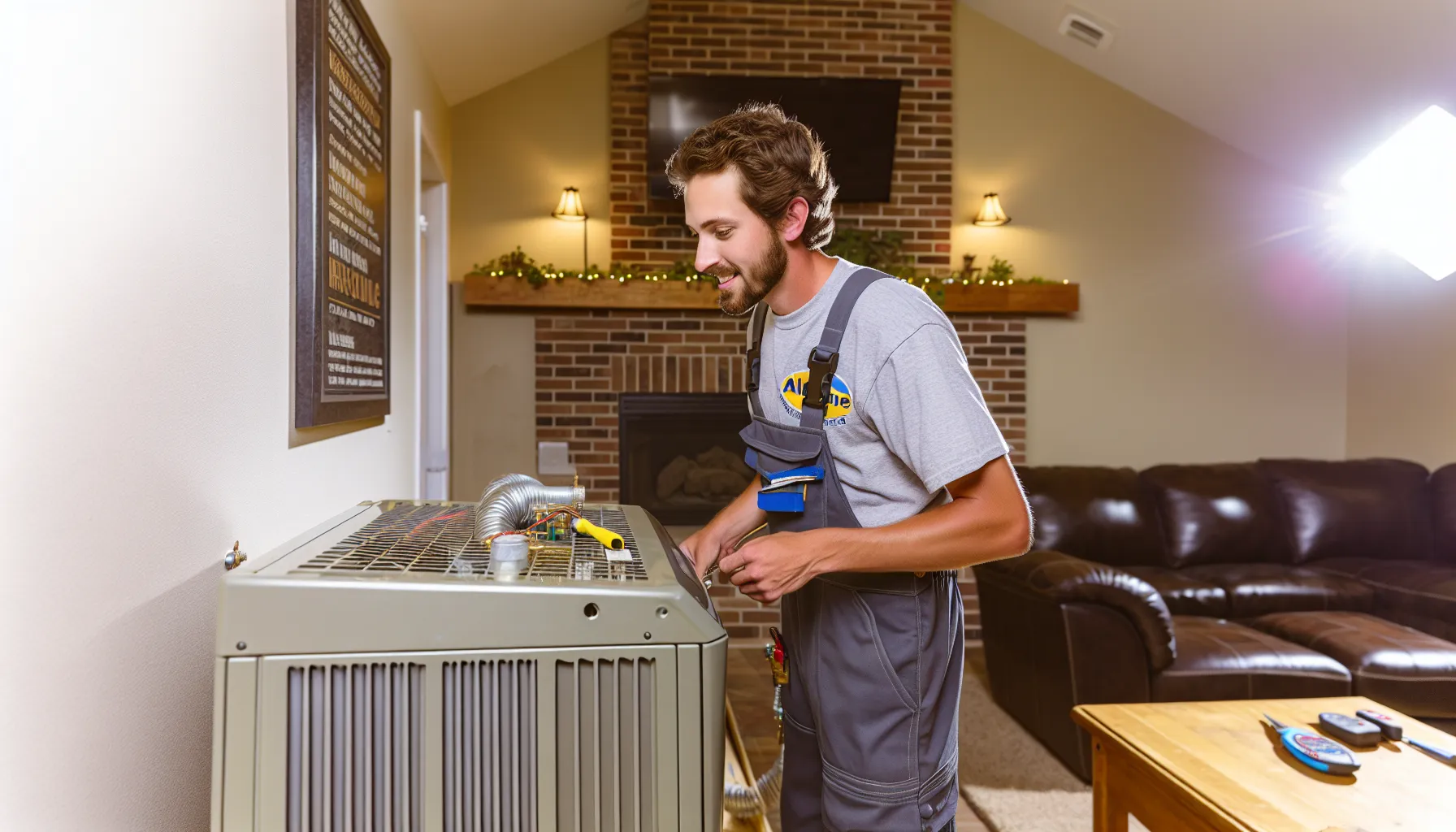
Even the most efficient air conditioner won’t perform at its best without proper installation. Professional installation ensures that your system is correctly sized, the ductwork is sealed, and all components are optimized for peak performance. Alloy Heating and Cooling technicians are trained to install high-SEER units according to manufacturer specifications, local codes, and the unique demands of Colorado homes and businesses.
For example, a homeowner in Aurora installed a high-SEER unit themselves but experienced uneven cooling and high bills. After a professional inspection and reinstallation, their comfort improved, and energy costs dropped noticeably.
Regular Maintenance for Optimal Performance
Routine maintenance is key to maintaining your air conditioner’s efficiency and prolonging its lifespan. Schedule annual tune-ups to check refrigerant levels, clean coils, inspect electrical connections, and replace air filters. This not only keeps your SEER rating in practice as high as possible but also helps prevent unexpected breakdowns during the hottest days of summer.
Alloy Heating and Cooling offers maintenance plans for homeowners and businesses from Thornton to Monument, ensuring your system runs smoothly year after year.
Upgrading Older Units
If your current air conditioner is more than 10-15 years old, it likely has a SEER rating of 10 or lower. Upgrading to a modern, high-SEER unit can cut your cooling costs by 30% or more while providing better comfort and quieter operation. Many Colorado property owners have found that replacing an outdated AC system with a high-efficiency model quickly pays for itself through energy savings and increased home value.
For example, a commercial property manager in Westminster replaced a series of old rooftop units with new 16 SEER systems. Not only did the tenants report more consistent comfort, but the building’s energy consumption dropped significantly, resulting in lower operating expenses.
Conclusion
Choosing an energy-efficient air conditioner with the right SEER rating is an investment in your home’s comfort, your wallet, and the environment. Whether you’re in Greenwood Village, Highlands Ranch, or Boulder, Alloy Heating and Cooling is here to help you make informed decisions about your HVAC system. Our experienced team can recommend the best high-SEER units based on your unique needs, handle professional installation, and keep your system running at peak efficiency year after year.
Ready to upgrade or have questions about SEER ratings? Contact Alloy Heating and Cooling for expert advice and personalized service anywhere along Colorado’s Front Range.
Frequently Asked Questions
What is a good SEER rating for air conditioners in Colorado?
For Colorado homes, a SEER rating of 15 or higher is generally recommended for optimal energy efficiency and savings.
Does a higher SEER rating mean lower energy bills?
Yes, the higher the SEER rating, the more energy-efficient the AC unit is, which typically leads to lower energy bills over time.
Are SEER ratings required by law in Colorado?
While federal guidelines set minimum SEER ratings for new units, Colorado homeowners are encouraged to choose higher SEER ratings for increased efficiency.
How can I find the SEER rating on my current AC unit?
You can usually find the SEER rating on the yellow EnergyGuide label on your AC unit or in the product specifications manual.
Is it worth upgrading to a higher SEER AC unit?
Upgrading to a higher SEER unit can provide significant long-term savings and improved comfort, especially if your current system is older or inefficient.

Alloy HVAC Team
HVAC experts with years of experience in the industry. We share tips, insights, and the latest trends in heating, ventilation, and air conditioning to help you maintain optimal comfort in your home or business.