Choosing the Right SEER Rating for Your Air Conditioner in Colorado: What Homeowners Need to Know
Choosing the Right SEER Rating for Your Air Conditioner in Colorado: What Homeowners Need to Know
When upgrading or installing a new air conditioning system in Colorado, one of the most important decisions you will make is choosing the right SEER rating. At Alloy Heating and Cooling, we help homeowners, small businesses, and commercial property owners throughout Greenwood Village, Englewood, Parker, Denver, Boulder, and surrounding areas select air conditioners that balance comfort, efficiency, and long-term savings. This guide explains what SEER ratings mean, how Colorado’s unique climate impacts your choice, and what you should consider before making your investment.
Understanding SEER Ratings on AC Units
What Does SEER Rating Mean?
SEER stands for Seasonal Energy Efficiency Ratio. It measures the cooling output of an air conditioner over a typical cooling season, divided by the amount of energy it consumes in watt-hours. In simple terms, SEER ratings help you compare the efficiency of different AC units. The higher the SEER, the more energy-efficient the system is. For example, a 16 SEER unit will cool your home using less electricity than a 13 SEER unit, lowering your utility bills over time.
How SEER Ratings Affect Energy Efficiency
Modern air conditioners typically have SEER ratings between 13 and 25. The U.S. Department of Energy sets minimum SEER requirements, which vary by region. In Colorado, the minimum is currently 14 SEER for new systems. Choosing a unit with a higher SEER can reduce energy usage significantly. A real-world example: A Centennial homeowner upgraded from a 12 SEER to a 17 SEER unit and saw a 30% drop in cooling costs during the summer months.
SEER Ratings vs. Other Efficiency Metrics
While SEER is the most widely referenced metric, you may also encounter EER (Energy Efficiency Ratio) and HSPF (Heating Seasonal Performance Factor) on some systems. SEER focuses on seasonal cooling efficiency, making it the best metric for Colorado’s hot summers. EER measures efficiency at a single temperature, while HSPF applies to heat pumps during the heating season.
Colorado Climate and Its Impact on SEER Rating Choice
Unique Weather Patterns in Colorado
Colorado’s climate is marked by hot, sunny summers, cool nights, and low humidity. While our cooling season may be shorter than in southern states, periods of extreme heat can push air conditioners to work harder. Sudden temperature swings are common, especially in areas like Highlands Ranch and Lone Tree. Your AC system needs to handle these demands efficiently while providing consistent comfort.
Optimal SEER Ratings for Colorado Homes
Given Colorado’s climate, a SEER rating of 15 or higher is usually recommended. This level balances energy savings with upfront cost. In places like Boulder or Evergreen where cooling needs are less intense, 15-16 SEER offers good efficiency. In hotter areas of Denver or Aurora, a higher SEER (18 or above) can provide even greater savings, especially for larger homes or commercial spaces that run AC for extended hours.
Benefits of Choosing the Right SEER Rating
Energy Savings and Lower Utility Bills
Choosing a higher SEER unit can make a noticeable difference in your monthly energy bills. For example, a Littleton homeowner who replaced a 10 SEER system with a 16 SEER unit saved over $350 in summer electricity costs the first year. The savings compound over the lifespan of your unit, making the investment worthwhile.
Environmental Impact
High SEER air conditioners use less energy, reducing your carbon footprint and supporting Colorado’s commitment to environmental sustainability. If you are focused on green living or want to improve your home’s energy rating, upgrading to a high-efficiency system is a smart move.
Comfort and Performance Improvements
Higher SEER models often include advanced features like variable speed compressors and smart thermostats. These options improve humidity control, reduce temperature swings, and run more quietly. For example, a Greenwood Village homeowner with allergy concerns noticed better indoor air quality and more consistent cooling after switching to a high-SEER, variable-speed AC system.
Factors to Consider When Selecting a SEER Rating for Your AC Unit
Initial Cost vs. Long-Term Savings
While high-SEER units cost more upfront, their energy savings can offset the initial investment within a few years. For instance, a Castle Rock business owner chose a 19 SEER system, paying $1,200 more than a basic model, but now saves over $500 annually on AC costs. Consider how long you plan to stay in your home and your budget for home improvements.
Size and Insulation of Your Home
The efficiency of your AC system also depends on your home’s size, layout, and insulation. An undersized unit will struggle to cool large spaces, while an oversized system may short-cycle and waste energy. Homes with updated windows, good attic insulation, and minimal air leaks can benefit more from high-SEER systems. Alloy Heating and Cooling provides professional load calculations to ensure you get the right unit for your specific needs.
Incentives and Rebates in Colorado
Many Colorado utility companies, such as Xcel Energy, and state programs offer rebates for high-efficiency AC installations. These incentives can significantly reduce your upfront costs. For example, a homeowner in Aurora received a $700 rebate for installing a 17 SEER unit, making the upgrade much more affordable.
Frequently Asked Questions About SEER Ratings on AC Units
Frequently Asked Questions
What is a good SEER rating for an air conditioner in Colorado?
A SEER rating of 15 or higher is generally recommended for Colorado homeowners due to the region’s climate and energy efficiency needs.
How does a higher SEER rating affect my energy bills?
Higher SEER ratings indicate greater energy efficiency, which can lead to lower monthly utility bills, especially during the peak cooling season.
Are there rebates or incentives for high SEER AC units in Colorado?
Yes, many utility companies and state programs in Colorado offer rebates and incentives for installing air conditioners with high SEER ratings.
Does a higher SEER rating always mean better performance?
While higher SEER ratings generally mean better efficiency, factors like proper installation, unit size, and home insulation also play significant roles in performance.
How do I find the SEER rating on my current AC unit?
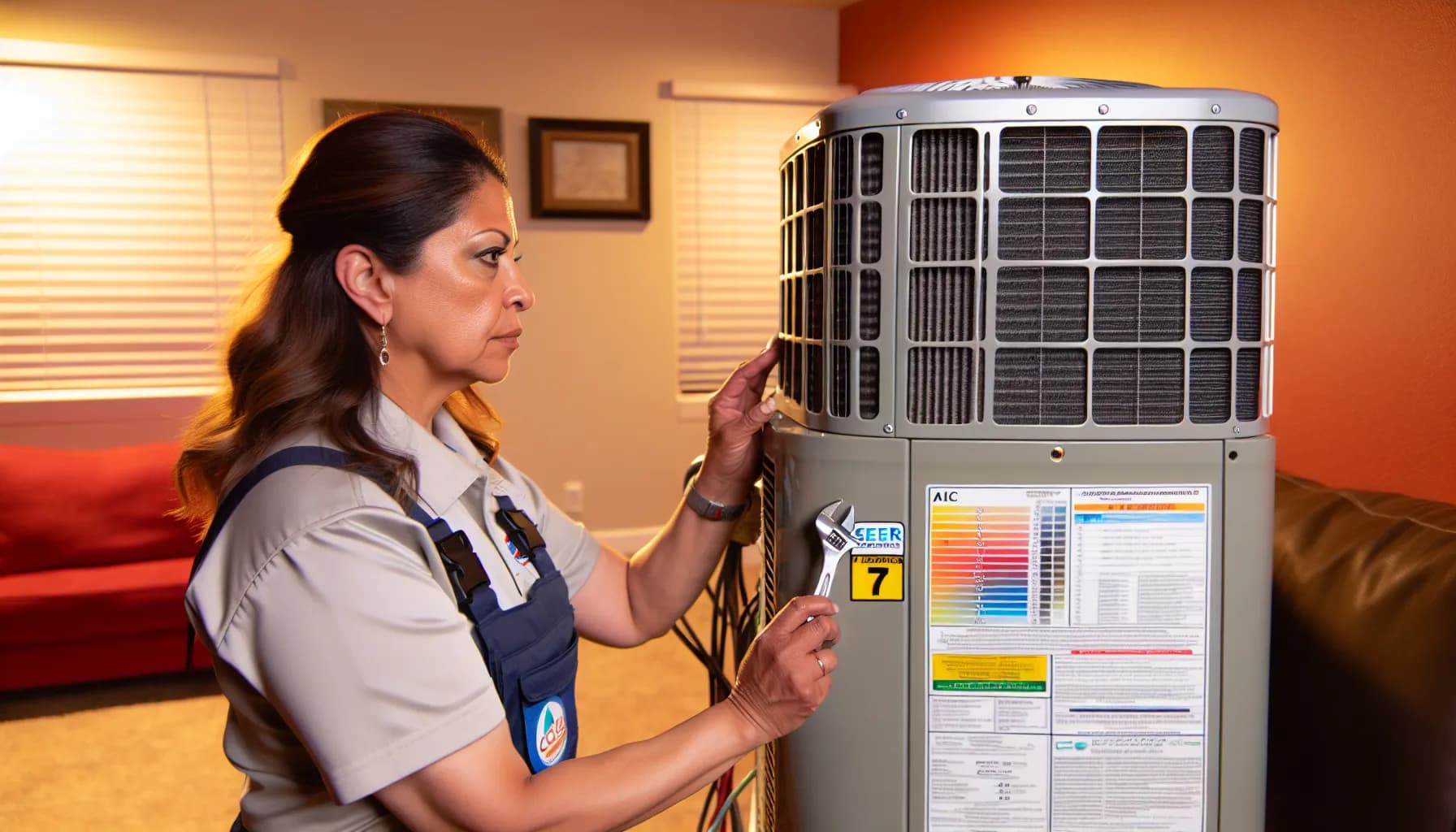
The SEER rating is usually listed on the unit’s EnergyGuide label or in the manufacturer’s documentation. If not, you can contact the manufacturer with the model number to find out.

Alloy HVAC Team
HVAC experts with years of experience in the industry. We share tips, insights, and the latest trends in heating, ventilation, and air conditioning to help you maintain optimal comfort in your home or business.