Emergency HVAC Repair in Colorado Springs: When to Call for Help
Emergency HVAC Repair in Colorado Springs: When to Call for Help
Colorado Springs experiences dramatic weather shifts, from icy winter nights to sweltering summer afternoons. When your heating or cooling system suddenly fails, it can quickly shift from an inconvenience to a full-blown emergency, especially for families with young children, elderly residents, or anyone with health concerns. Knowing when to call for emergency HVAC repair and how to choose the right service provider can make all the difference in ensuring your comfort and safety. Here’s what every homeowner, business, and property manager in Colorado Springs needs to know about emergency HVAC services.
Understanding Emergency HVAC Repair 24/7 Services
What Qualifies as an HVAC Emergency?
An HVAC emergency is more than just discomfort, it’s a situation where your safety, health, or property is at risk. Examples include:
- Total loss of heat during freezing temperatures, risking frozen pipes or hypothermia.
- Complete AC failure during a heatwave, especially for vulnerable individuals.
- Electrical issues such as sparking, burning smells, or tripped breakers linked to the HVAC system.
- Leaking refrigerant, which can be hazardous to health and damage the environment.
- Unusual, loud noises that indicate imminent mechanical failure.
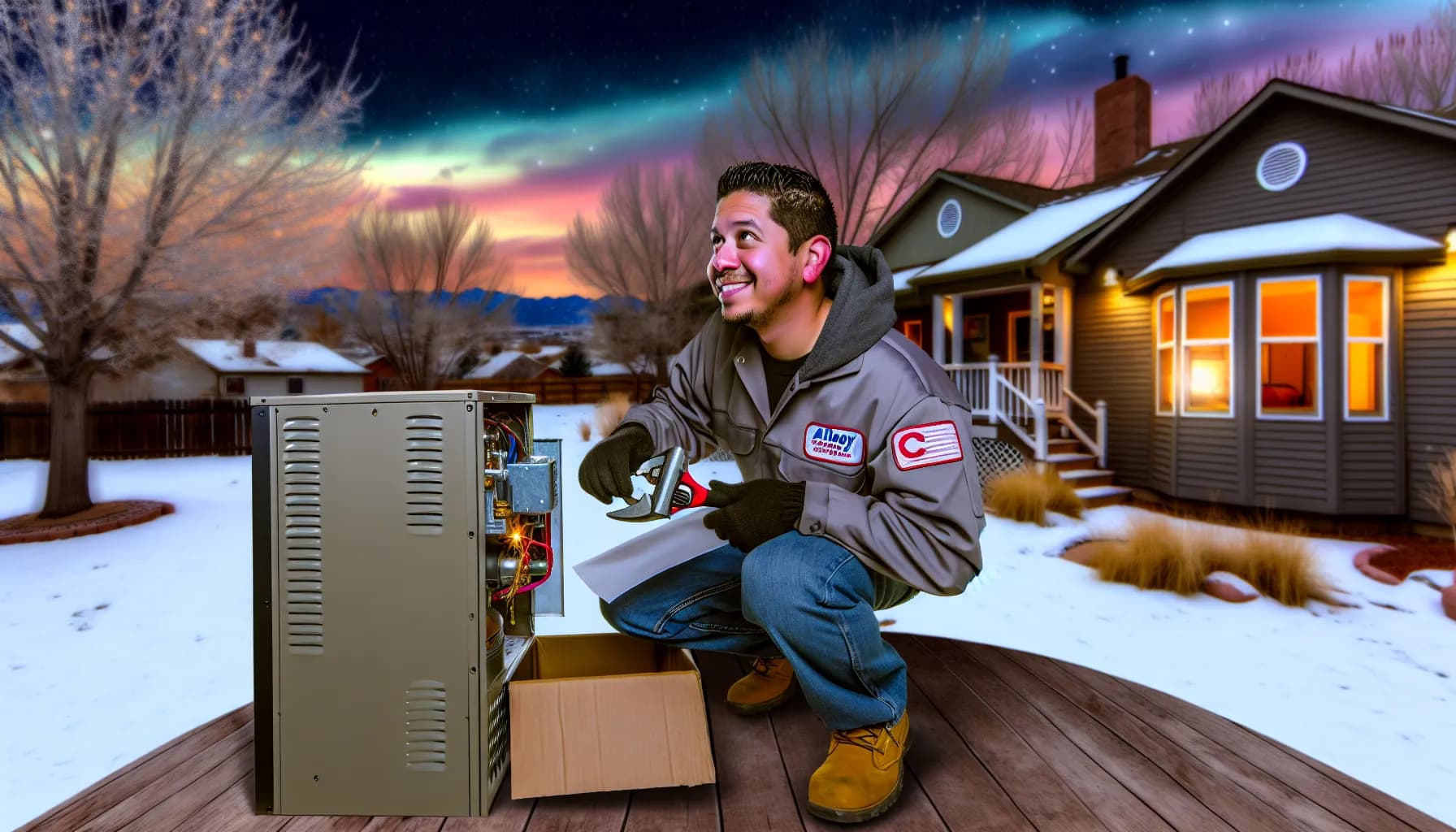
For example, a Colorado Springs homeowner recently woke up to a 55-degree house in January. Their furnace had stopped working, and with outside temperatures below zero, waiting for a standard appointment was not an option. This scenario is a clear candidate for emergency HVAC repair.
Benefits of 24/7 Emergency HVAC Services
Having access to 24/7 emergency HVAC repair means you can get immediate help, no matter the time or day. Key benefits include:
- Rapid response to restore comfort and prevent property damage.
- Peace of mind knowing technicians are always available.
- Minimized risk of further system damage by addressing issues promptly.
- Professional support during extreme weather events when waiting is not an option.
For small businesses, a weekend HVAC breakdown could mean lost revenue and unhappy customers. With 24/7 service, you can get back up and running fast.
Common Signs You Need Emergency HVAC Repair
Unusual Noises or Smells from Your System
While most HVAC systems make some noise, loud banging, screeching, or grinding sounds signal a serious problem. Burning, smoky, or chemical smells are also red flags and can indicate electrical issues, overheating, or refrigerant leaks. For instance, one Centennial homeowner noticed a persistent burning smell from their vents, which turned out to be a failing blower motor close to catching fire. Immediate service prevented a dangerous situation.
Complete Loss of Heating or Cooling
If your system stops working entirely, especially during extreme temperatures, this is an emergency. For families in Colorado Springs, losing heat during a snowstorm or AC during a record-setting heatwave can quickly become dangerous. In commercial settings, a failed HVAC system can put inventory, equipment, and staff at risk.
Rapid Temperature Fluctuations
Sudden, unexplained changes in temperature can signal a failing thermostat, malfunctioning components, or even a system-wide breakdown on the horizon. If your system is blowing hot air when it should be cooling or vice versa, immediate attention is needed.
What to Do Before Calling for Emergency HVAC Repair
Basic Troubleshooting Steps
Before reaching for the phone, check a few basics:
- Ensure your thermostat is set to the correct mode (heat or cool) and temperature.
- Replace or clean air filters, which can cause system shutdowns if clogged.
- Check circuit breakers or fuses to ensure the HVAC system has power.
- Inspect vents and registers to ensure they are not blocked.
These simple steps can sometimes resolve minor issues and save you the cost of an emergency visit. For example, a homeowner in Highlands Ranch once called for urgent help, only to discover their breaker had tripped during a storm.
When to Shut Off Your System
If you hear electrical noises, smell burning, or see smoke, immediately turn off your HVAC system at the breaker and call for professional help. Continuing to run a damaged or malfunctioning system can lead to fires, electrical hazards, or further equipment damage.
Another situation that calls for shutting off your system is refrigerant leaks. If you notice ice forming on the coils or detect a chemical odor, switch off the unit and evacuate the area if necessary, especially if anyone feels dizzy or nauseous.
Choosing the Right 24/7 Emergency HVAC Repair Service in Colorado Springs
Qualities of a Reliable Emergency HVAC Technician
Not all HVAC companies are created equal, especially when it comes to emergency service. Look for:
- Licensed, bonded, and insured technicians with experience in emergency repairs.
- Positive reviews and recommendations from local homeowners and businesses.
- Transparent pricing, including after-hours fees and clear estimates before work begins.
- Well-stocked service vehicles for quick on-site repairs.
- Willingness to explain the issue and offer long-term solutions, not just quick fixes.
For example, Alloy Heating and Cooling is known across Colorado for prompt, honest service and highly trained staff who treat your home or business with respect.
Questions to Ask Before Hiring
When calling for emergency HVAC repair, ask:
- How soon can a technician arrive?
- Do you service my specific brand and model?
- What are your emergency service rates?
- Are your technicians certified and insured?
- Will I receive a written estimate before repairs begin?
Getting answers to these questions protects you from unexpected costs and ensures a smooth repair experience.
Preventing Future HVAC Emergencies
Importance of Regular Maintenance
Most emergencies can be prevented with routine maintenance. Annual inspections catch worn parts, dirty filters, and other issues before they lead to breakdowns. A Colorado Springs property manager scheduled seasonal tune-ups for all their rentals and avoided the common winter furnace failures that plagued neighboring properties.
Tips for Extending HVAC System Lifespan
- Change air filters every 1, 3 months, especially during high-use seasons.
- Keep outdoor units clear of debris, snow, and vegetation.
- Schedule professional maintenance twice a year, once for heating, once for cooling.
- Address minor issues promptly to avoid larger, more expensive repairs.
- Upgrade old thermostats to programmable or smart models for better efficiency and control.
By following these tips, you can enjoy reliable comfort, lower energy bills, and fewer emergencies year-round.
Conclusion
HVAC emergencies in Colorado Springs can be stressful and even dangerous, but knowing when to call for help and how to choose the right emergency service ensures you stay safe and comfortable. With a trusted partner like Alloy Heating and Cooling, you have access to expert guidance and fast, reliable repairs, day or night. Regular maintenance and attention to early warning signs are your best defense against future emergencies, keeping your home or business running smoothly all year long.
Frequently Asked Questions
What is considered an HVAC emergency?
An HVAC emergency includes situations such as total loss of heating or cooling, electrical issues, leaking refrigerant, or any failure that poses safety risks or causes significant discomfort.
How quickly can a 24/7 emergency HVAC repair technician arrive in Colorado Springs?
Most 24/7 emergency HVAC repair services in Colorado Springs aim to respond within a few hours, depending on location, workload, and weather conditions.
Is emergency HVAC repair more expensive than regular service?
Yes, emergency HVAC repair typically incurs higher costs due to after-hours service, immediate response, and the need for urgent repairs.
Can I troubleshoot my HVAC system before calling for emergency help?
You can check your thermostat settings, circuit breakers, and air filters, but if the issue persists or involves safety risks, call a professional immediately.
How can I prevent future HVAC emergencies?
Regular maintenance, prompt repairs, and seasonal inspections can help prevent unexpected HVAC emergencies and keep your system running efficiently.

Alloy HVAC Team
HVAC experts with years of experience in the industry. We share tips, insights, and the latest trends in heating, ventilation, and air conditioning to help you maintain optimal comfort in your home or business.