Preparing Your HVAC for Winter in Colorado: Essential Fall Maintenance Tips
Preparing Your HVAC for Winter in Colorado: Essential Fall Maintenance Tips
As the leaves change and temperatures start to drop, Colorado homeowners know that winter can arrive quickly, and often brings frigid temperatures, snow, and unpredictable weather. Preparing your HVAC system for winter is not just about comfort; it is about safety, efficiency, and peace of mind. At Alloy Heating and Cooling, we help homeowners and small businesses across Greenwood Village, Englewood, Littleton, Highlands Ranch, and beyond keep their heating systems in peak condition. Here’s an expert guide to getting your HVAC ready for the Colorado winter.
Why Preparing Your HVAC for Winter in Colorado Is Important
Colorado’s Unique Winter Climate Challenges
Colorado’s winters can be harsh and variable. One week you might experience sunny 45°F days, and the next, the temperature can plunge below zero with heavy snow. Altitude, dry air, and rapid weather changes place extra stress on heating systems. If your HVAC is not properly maintained, it can struggle to keep up, leading to discomfort and costly repairs.
Take, for example, a homeowner in Parker who called us last December. Their furnace quit on the first truly cold day of the year. We discovered the filter was clogged, and the blower motor was overworked. With regular fall maintenance, this breakdown could have been prevented.
Risks of Skipping Fall HVAC Maintenance
Neglecting fall maintenance can lead to:
- Unexpected breakdowns during cold snaps
- Reduced system efficiency and higher energy bills
- Poor indoor air quality
- Shortened equipment lifespan
- Potential safety hazards, such as carbon monoxide leaks
Imagine a small business in Lakewood losing heat during a snowstorm. Not only is this a hassle for employees and customers, but it can also result in lost business and frozen pipes. A little preparation goes a long way.
Step-by-Step Guide to Prepare HVAC for Winter
Check and Replace Air Filters
Clean air filters are your first line of defense. Over the summer, filters can become clogged with dust, pollen, and pet hair. A dirty filter reduces airflow, making your furnace work harder and increasing energy use. We recommend checking filters monthly and replacing them at least every 60, 90 days, or more often if you have pets or allergies.
Real-world example: In Centennial, a family noticed their living room felt chilly despite the furnace running. We found their filter was packed with dust, restricting airflow. A quick filter change restored comfort and efficiency.
Inspect and Clean Vents and Ductwork
Blocked or dirty vents and ducts can cause uneven heating and strain your system. Walk through your home and make sure all vents are open and unobstructed by furniture, rugs, or curtains. If you notice excessive dust or suspect mold, professional duct cleaning may be needed. This is especially important in older homes in areas like Golden or Morrison, where dust and debris can accumulate over time.
Test the Thermostat and Controls
Before you rely on your furnace, test your thermostat. Turn on the heat and verify it responds accurately. If you have an older manual thermostat, consider upgrading to a programmable or smart thermostat for better energy savings. In a Boulder home, we installed a smart thermostat that automatically adjusted temperatures based on occupancy and weather, saving the homeowner up to 15% on heating costs over the winter.
Examine and Clean the Furnace
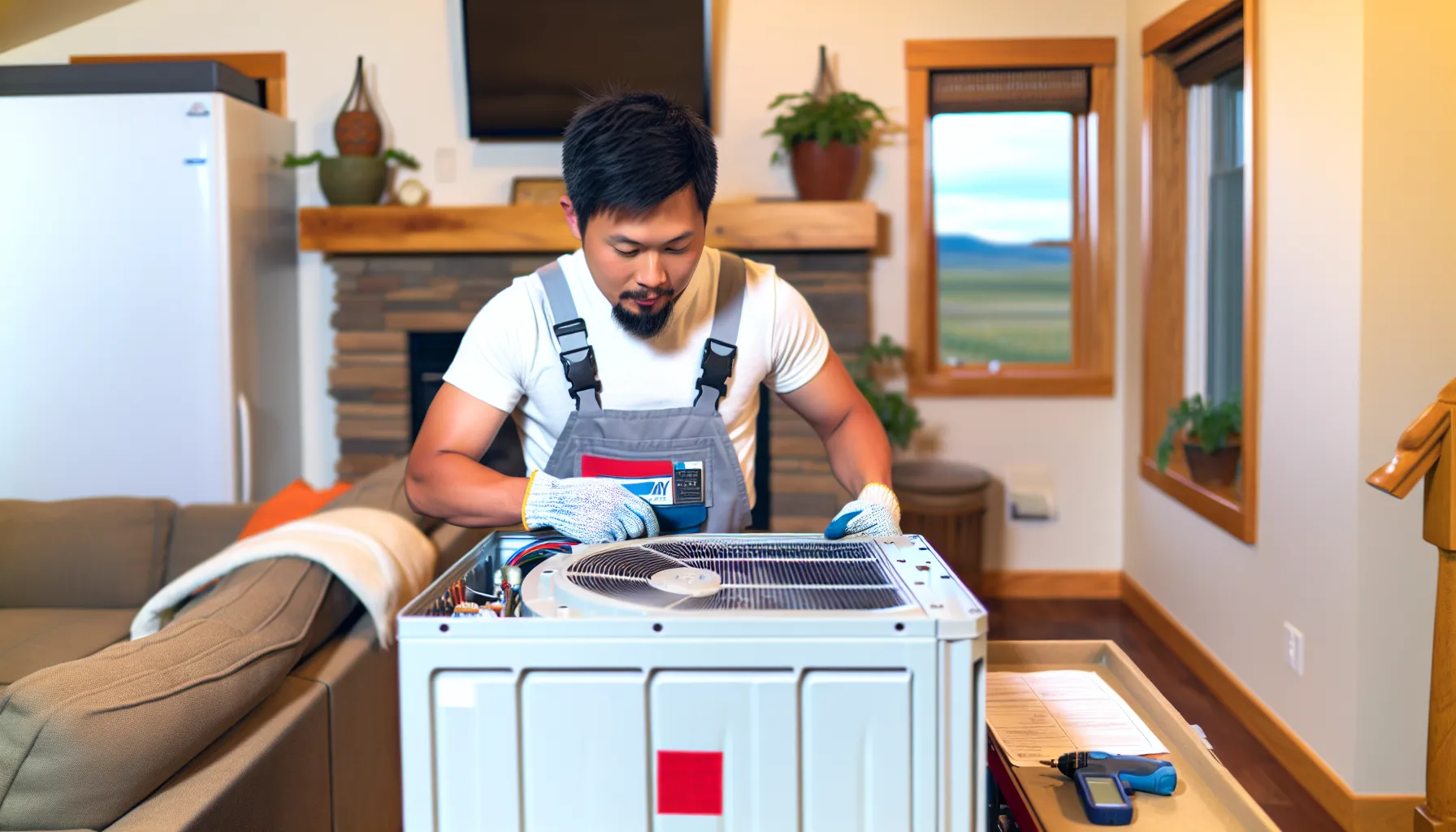
Your furnace is the heart of your winter comfort. Start by visually inspecting the unit for dust, rust, or signs of wear. Clean around the furnace, ensuring there is at least two feet of clearance for safety. Listen for unusual noises and check for any warning lights. If you notice anything out of the ordinary, call a professional. In Monument, a homeowner avoided a costly repair by catching a small pilot light issue early during their fall checkup.
Schedule a Professional HVAC Inspection
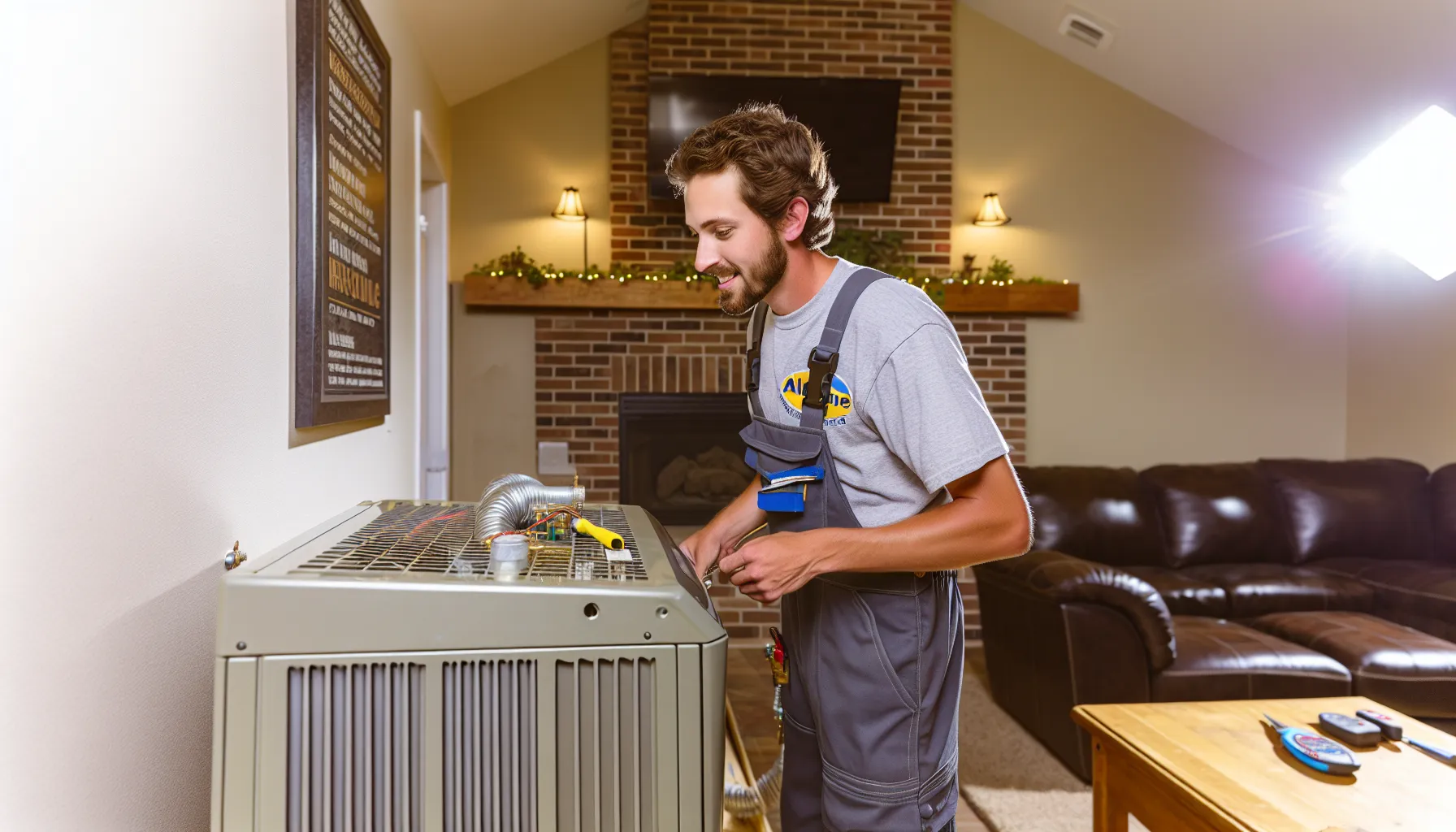
This is the most important step. A certified technician from Alloy Heating and Cooling will perform a thorough inspection, including:
- Checking all electrical connections and safety controls
- Testing system startup and shutdown cycles
- Inspecting the heat exchanger for cracks or corrosion
- Measuring airflow and checking for leaks
- Ensuring carbon monoxide detectors are working
Our technicians often catch small issues, like a worn ignitor or loose wire, before they become major problems. In Highlands Ranch, we prevented a furnace failure by replacing a failing blower motor, saving the homeowner from a mid-winter emergency.
Additional Fall Maintenance Tips for Colorado Homeowners
Seal Drafts and Insulate
Even the best HVAC system cannot keep you warm if your home leaks heat. Check doors and windows for drafts. Use weather stripping, caulking, and door sweeps to seal leaks. Adding insulation to attics, basements, and crawl spaces can further improve energy efficiency. In Ken Caryl, a small business owner cut heating costs by 20% after sealing drafts and adding attic insulation.
Clear Outdoor HVAC Units
If you have a heat pump or combined HVAC system, make sure outdoor units are clear of leaves, grass, and debris. Snow and ice can also block airflow. Gently brush away buildup and keep at least two feet of clearance around the unit. In Evergreen, we helped a homeowner restore proper heating by removing a thick layer of pine needles that had collected around the outdoor unit.
Update Your HVAC System if Needed
If your furnace is over 15 years old or needs frequent repairs, it may be time to upgrade. New high-efficiency systems can significantly reduce energy bills and improve comfort. Ask us for a quote on a modern furnace or heat pump, many Colorado homeowners in Arvada and Castle Rock have seen substantial savings and quieter, more reliable performance after upgrading.
When to Call a Professional for HVAC Maintenance
Signs Your HVAC Needs Expert Attention
While some maintenance tasks are DIY-friendly, certain issues require a professional. Call Alloy Heating and Cooling if you notice:
- Strange noises like banging, rattling, or whistling
- Unusual odors or visible soot around vents
- Frequent system cycling or failure to reach set temperature
- Uneven heating between rooms
- A sudden spike in energy bills
In Commerce City, a homeowner noticed cold spots and a burning smell. Our technicians found a failing blower motor and a dirty heat exchanger, quickly repairing the issues before they worsened.
Benefits of Professional HVAC Tune-Ups
Regular professional maintenance offers:
- Longer equipment life
- Lower risk of emergency breakdowns
- Improved energy efficiency
- Better indoor air quality
- Peace of mind all winter long
Many homeowners in Denver and Thornton enroll in our annual maintenance plans, which include priority service and reminders, ensuring you never miss a crucial tune-up.
Conclusion
Colorado winters can be beautiful, but they also put your home’s heating system to the test. With a little preparation each fall, you can ensure your HVAC system runs smoothly, keeps your home comfortable, and saves you money on energy bills. Whether you are in Castle Pines, Lafayette, or Palmer Lake, trust Alloy Heating and Cooling to help you get ready for winter. Schedule your fall HVAC maintenance today and stay warm all season long.
Frequently Asked Questions
How often should I prepare my HVAC for winter in Colorado?
You should perform fall HVAC maintenance every year before the cold season begins to ensure your system runs efficiently and reliably all winter.
What are the most important HVAC maintenance tasks before winter?
Key tasks include replacing filters, cleaning vents and ducts, checking the thermostat, inspecting the furnace, and scheduling a professional inspection.
Can I prepare my HVAC for winter myself, or should I hire a professional?
You can handle basic maintenance like changing filters and cleaning vents, but it’s recommended to hire a professional for comprehensive inspections and tune-ups.
What are common HVAC problems in Colorado winters?
Common issues include furnace breakdowns, frozen pipes, uneven heating, and reduced efficiency due to dirty filters or ducts.
How can I improve my HVAC’s energy efficiency during winter?
Seal leaks, insulate your home, change filters regularly, and make sure your HVAC system is professionally maintained to maximize efficiency.

Alloy HVAC Team
HVAC experts with years of experience in the industry. We share tips, insights, and the latest trends in heating, ventilation, and air conditioning to help you maintain optimal comfort in your home or business.