Does Turning Your Heat or AC On and Off Raise Your Colorado Energy Bill?
Does Turning Your Heat or AC On and Off Raise Your Colorado Energy Bill?
Colorado’s climate is famous for its dramatic temperature swings, with chilly mornings and warm afternoons, even in the same day. This leads many homeowners and businesses to wonder: does flipping your heat or AC on and off actually raise your energy bill? At Alloy Heating and Cooling, we help customers throughout Greenwood Village, Englewood, Littleton, and beyond understand how their HVAC system choices affect both comfort and costs. Let’s dive into the details and give you clear answers based on real-world expertise and Colorado-specific examples.
Understanding How Heating and Cooling Systems Use Energy
How AC and Heating Systems Operate
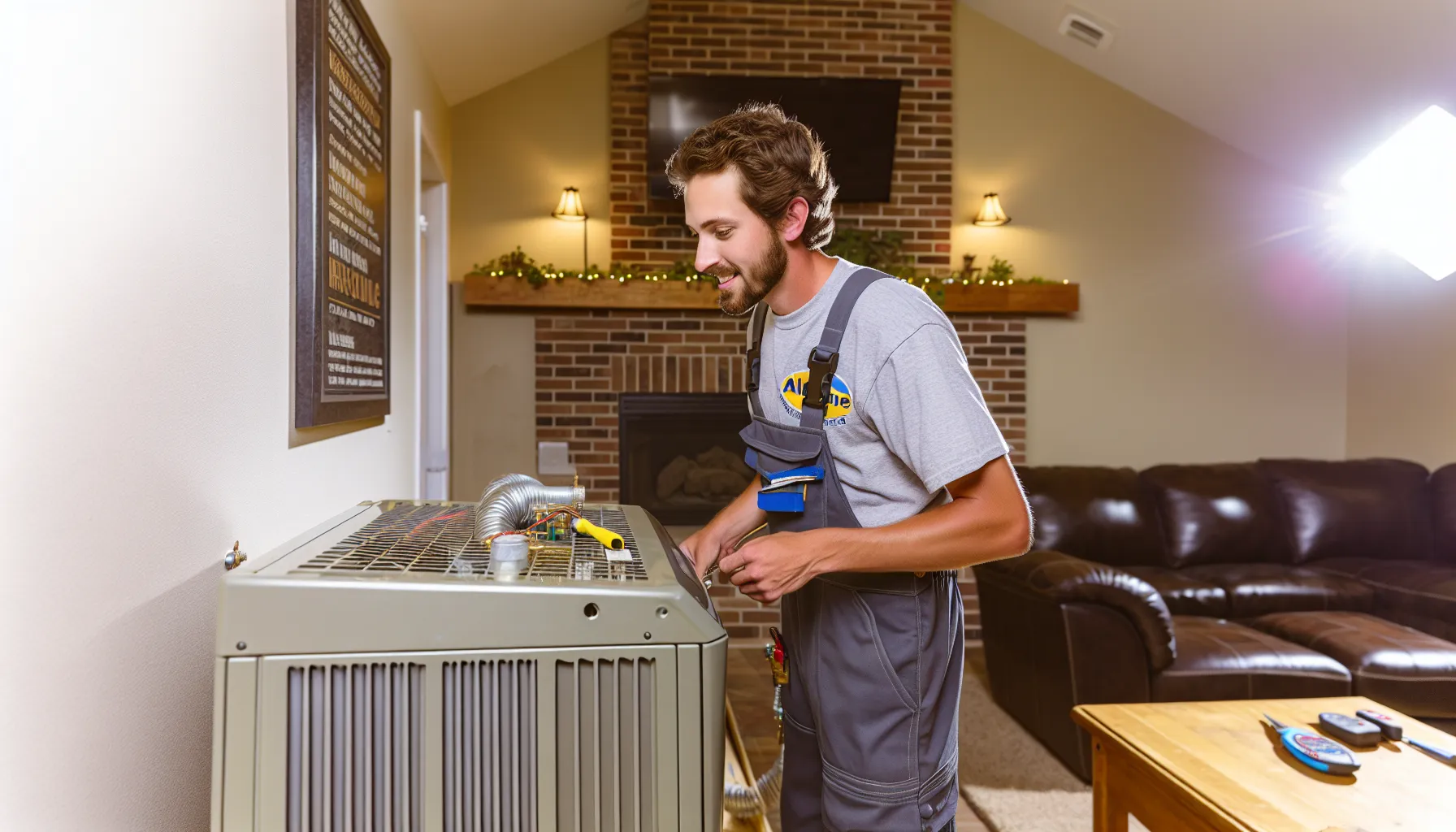
Central air conditioners and furnaces work by running cycles: when the thermostat detects the indoor temperature is out of range, the system turns on, heats or cools your home, then shuts off when the set temperature is reached. These cycles are controlled by your thermostat, and the system is designed for a balance between comfort and efficiency.
In Colorado, forced air heating (like gas furnaces) is common, while many homes and businesses use central air or heat pump systems for cooling. These systems are most efficient when running for moderate periods, not too short or excessively long.
Energy Consumption During Startup and Shutdown
Every time your system starts up, it draws a surge of electricity or gas. Motors, compressors, and ignition systems all require extra power to get going. This means that frequent starts and stops can actually consume more energy than running for longer, steady cycles. For example, if you turn your AC off every time you leave a room and back on when you return, the system will use more energy than if it maintains a moderate temperature throughout the day.
For heating, the same principle applies. Constantly turning your furnace on and off forces it to work harder to bring the temperature back up, using more fuel and electricity and increasing wear on components.
Continuous Operation vs. Frequent Cycling
Does that mean you should leave your HVAC system running all the time? Not quite. There’s a balance. Systems are designed to cycle, but not too frequently. Running continuously at a moderate setting is often more efficient than turning the system off completely and then blasting it when you return. The key is to avoid extreme temperature swings and let your HVAC do its job gradually.
For example, a Greenwood Village homeowner who sets their thermostat to 68°F in winter and leaves it there will likely use less energy overall than someone who turns their heat off during the day, then cranks it to 75°F at night. The system has to work much harder to recover from the temperature drop, using more energy in the process.
Does Turning Your AC or Heat On and Off Cost More?
The Impact of Frequent On/Off Cycling on Energy Bills
Frequent on/off cycling, also known as short cycling, is not only inefficient but can also increase your utility bills and wear out the system. Every start-up uses excess energy, and the HVAC system never reaches optimal efficiency during these short bursts. It is similar to city driving: lots of stops and starts use more fuel than highway cruising.
In our service area, we often see homeowners in Parker or Highlands Ranch who try to save money by shutting off their AC when they leave for a few hours, then turning it back on when they return. When they do this, the system has to work extra hard to overcome the heat that’s built up in the house. The result is a spike in energy use and, over time, higher bills than if they had let the system maintain a moderate temperature.
Thermostat Strategies for Efficiency in Colorado
Colorado’s weather can go from snow to sunshine in a single day, so smart thermostat use is crucial. Rather than turning your heat or AC on and off, adjust the temperature by a few degrees when you are away or asleep. Programmable and smart thermostats make this easy, letting you schedule temperature changes or control the system remotely.
For example, a Littleton business owner with a smart thermostat can set their office to 78°F during summer work hours and 85°F after hours. In winter, keeping the heat at 68°F during the day and lowering it to 60°F at night saves energy without the need for complete shutdowns.
Real-Life Examples: Energy Costs in Colorado Homes
Let’s look at two Colorado families:
- The Johnsons in Centennial: They used to turn off the AC every time they left for errands. Their summer bills averaged $180/month. After switching to a programmable thermostat and keeping the temperature at 78°F when home and 85°F when away, their bills dropped to $140/month.
- The Millers in Aurora: The Millers tried to save money by turning the furnace off during the day and cranking it up to 72°F at night. They found their bills were actually higher, and their furnace needed frequent repairs. After consulting Alloy Heating and Cooling, they now leave the heat at 68°F during the day and lower it to 62°F at night. Their bills dropped, and the furnace runs smoother with fewer repairs.
Best Practices for Managing Your HVAC in Colorado
When to Turn Off vs. Adjust Thermostat Settings
Should you ever turn your system off? If you plan to be away for several days, yes, it makes sense to turn off or set your system to vacation mode. For normal daily use, adjusting the thermostat by a few degrees is more effective. If your home is well insulated, it will hold temperature longer, making moderate adjustments more beneficial.
For example, in Evergreen or Golden, where nights can get cold even in summer, letting your system run at a gentle pace keeps your home comfortable and your bills predictable.
Seasonal Tips for Lowering Your Energy Bill
- Spring and Fall: Open windows on mild days and use fans instead of AC. Take advantage of Colorado’s cool nights to flush out warm air.
- Summer: Set your AC to 78°F when home and use ceiling fans to help circulate cool air. Close blinds during the day to block solar heat gain.
- Winter: Keep your thermostat at 68°F when home, and lower it to 60-62°F when sleeping or away. Use draft stoppers and weatherstripping to seal leaks.
Smart Thermostats and Automation Benefits
Smart thermostats like Nest or Ecobee are game changers for Colorado homes and businesses. They learn your schedule, adjust temperatures automatically, and can be controlled from your phone. These devices often pay for themselves in energy savings within a year or two.
For example, a Lone Tree homeowner installed a smart thermostat and saw a 15% reduction in their annual energy costs. Automated scheduling meant their HVAC system worked only when needed, optimizing comfort and efficiency without constant manual adjustments.
No matter where you live in our Colorado service area, whether it’s Boulder, Castle Rock, or Monument, applying these best practices and understanding how your HVAC system uses energy will help you save money and extend the life of your equipment.
Frequently Asked Questions
Does turning my AC on and off use more electricity in Colorado?
Frequently turning your AC on and off can cause it to use more energy, as systems often consume more power during startup cycles. It’s generally more efficient to adjust the thermostat rather than completely shutting off the system.
Is it better to leave heating or cooling running all day?
Leaving your system running at a moderate setting is often more efficient than repeatedly turning it on and off, especially in Colorado’s variable climate. Programmable thermostats can help balance comfort and efficiency.
How can I reduce my energy bill while using heat or AC in Colorado?
Use programmable or smart thermostats, maintain your HVAC system, and seal your home to prevent drafts. Adjusting your thermostat by a few degrees and using fans can also help.
Does frequent cycling damage my HVAC system?
Yes, repeatedly turning your system on and off can increase wear and tear, potentially shortening its lifespan and requiring more frequent repairs.
What thermostat setting is most efficient for Colorado homes?
In summer, set your AC around 78°F when home; in winter, keep heat around 68°F. Adjust by a few degrees when away to save energy, but avoid extreme temperature swings.

Alloy HVAC Team
HVAC experts with years of experience in the industry. We share tips, insights, and the latest trends in heating, ventilation, and air conditioning to help you maintain optimal comfort in your home or business.