Is It Time to Replace Your Air Conditioner? Key Signs for Colorado Residents
Is It Time to Replace Your Air Conditioner? Key Signs for Colorado Residents
As a Colorado homeowner or small business owner, keeping your indoor environment comfortable is a year-round priority. Our unique climate, with its warm summers and sudden temperature swings, puts special demands on your air conditioning system. When your cooling system starts acting up, it can be tough to know whether a repair will do the trick or if it’s time to invest in a replacement. At Alloy Heating and Cooling, we help Colorado residents make informed decisions about their HVAC systems every day. Here’s how to know if your air conditioner is ready for retirement and what your next steps should be.
Why Recognizing Signs You Need a New Air Conditioner Matters in Colorado
The Impact of Colorado’s Climate on AC Lifespan
Colorado’s climate is known for its dry air, high elevation, and wide temperature fluctuations. These factors can accelerate wear and tear on air conditioning systems. For example, Denver’s occasional late spring snow followed by 90-degree heat can force your AC to work overtime. Dust from spring and fall winds can also clog filters and reduce efficiency. Because of these local conditions, Colorado AC units may experience a shorter lifespan compared to those in milder climates.
Energy Efficiency and Comfort Considerations
Older air conditioners often consume more energy and struggle to keep up with cooling demands. Rising utility costs in Colorado mean that an inefficient system can quickly impact your monthly budget. Additionally, a struggling AC can leave you with hot spots, poor air quality, and uncomfortable humidity levels, especially during those surprise heatwaves in Centennial or Highlands Ranch. Paying attention to your system’s performance can help you avoid costly repairs and discomfort.
Top Signs You Need a New Air Conditioner
Rising Energy Bills and Reduced Efficiency
If you notice your energy bills creeping up during the summer months in places like Aurora or Littleton, it may be a sign that your air conditioner is losing efficiency. As components age, your system works harder to deliver the same amount of cool air, often resulting in higher costs. Homeowners in Englewood have shared stories of bills increasing by 20% or more before realizing their AC needed replacement.
Frequent Repairs and Breakdowns
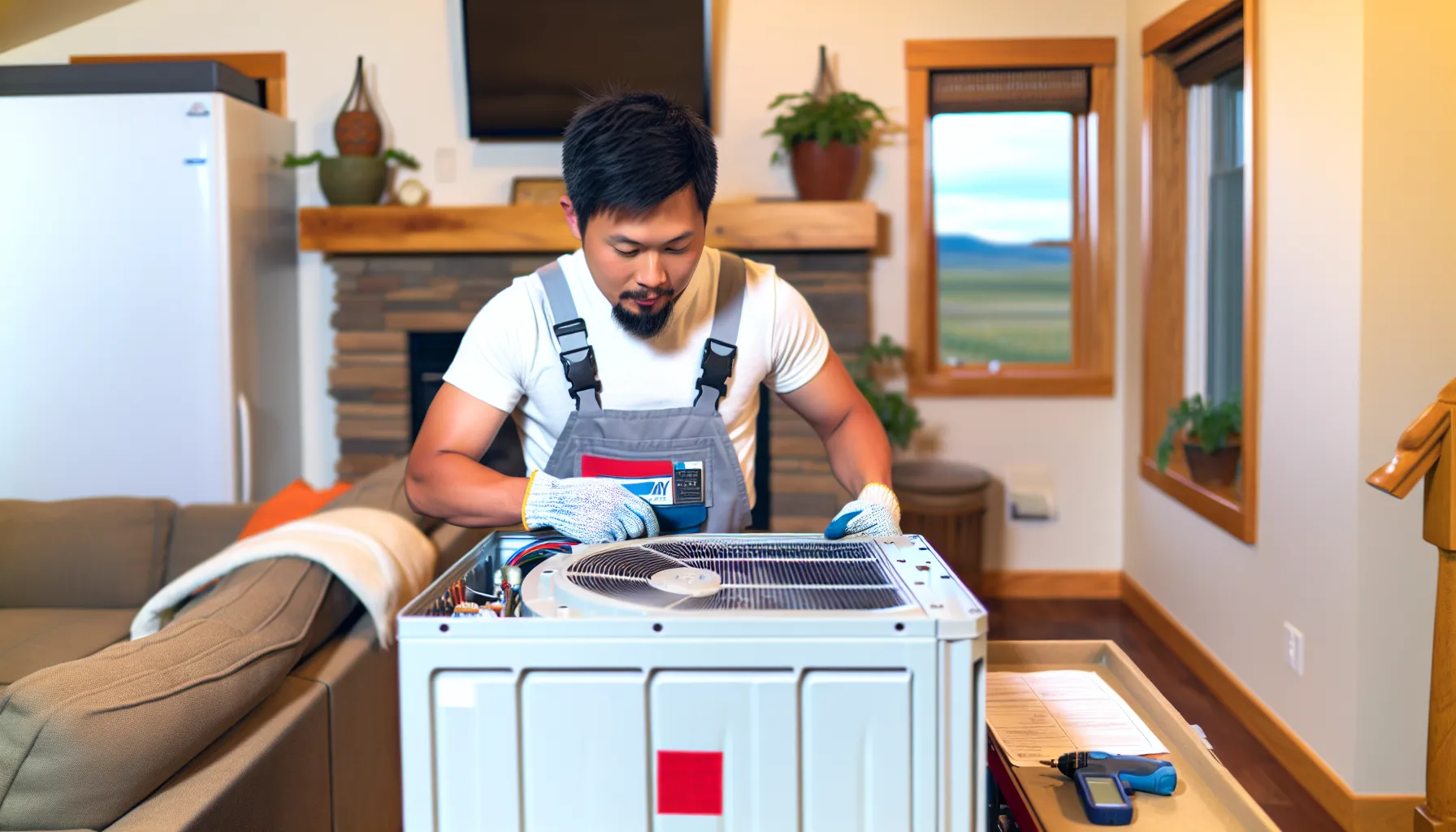
Is your HVAC technician on speed dial? If your AC has required multiple repairs in the past two years, it could signal that major components are wearing out. For instance, a family in Castle Rock experienced three service calls in one summer for refrigerant leaks and electrical issues. In cases like this, the cost of ongoing repairs can quickly exceed the price of a new, reliable system.
Uneven Cooling or Hot Spots in Your Home
Do you notice that some rooms in your home feel much warmer than others? Uneven cooling, also known as “hot spots,” can indicate that your air conditioner is struggling to distribute cool air. This is a common complaint from Golden and Parker residents with older ductwork and outdated systems. While duct issues can contribute, a failing AC is often the root cause.
Strange Noises or Odors Coming From the Unit
Unusual sounds such as grinding, squealing, or banging are signs that internal parts may be failing. Musty or burning odors could mean mold growth or overheating electrical components. A homeowner in Highlands Ranch called us when their AC started making rattling noises and emitting a musty smell, which turned out to be a failing blower motor and mold buildup in the coils. These problems not only affect comfort but can also pose health and safety risks.
Excessive Humidity or Dust Indoors
Colorado’s air is typically dry, but a malfunctioning AC can leave your home feeling sticky or cause indoor humidity to spike. Conversely, you might notice more dust accumulating despite regular cleaning. These symptoms suggest your air conditioner is not adequately filtering or dehumidifying the air, which impacts both comfort and indoor air quality.
How Old Is Your Air Conditioner? Understanding Lifespan Expectations
Average Lifespan of Air Conditioners in Colorado
Most air conditioners last between 10 and 15 years in Colorado’s climate. Factors like regular maintenance, system quality, and frequency of use all play a role. For example, a well-maintained unit in Boulder may last longer than a neglected one in Thornton.
When Age Alone Means It’s Time to Replace
If your air conditioner is over 12 years old, replacement is usually the safest bet. Even if it’s still running, advances in HVAC technology mean newer models are significantly more energy efficient. A homeowner in Arvada replaced their 14-year-old AC with a new high-efficiency model and saw a 30% reduction in summer cooling costs.
Benefits of Upgrading Your AC System
Improved Energy Efficiency
Modern air conditioners use advanced compressor technology and better refrigerants, resulting in higher SEER (Seasonal Energy Efficiency Ratio) ratings. An upgrade can save you hundreds per year on energy bills. In Westminster, a small business owner replaced their 20-year-old rooftop unit and saw immediate savings and more consistent cooling.
Enhanced Indoor Air Quality
New AC systems often include improved filtration and humidity control features. This makes a noticeable difference for families with allergies or asthma, especially in areas like Evergreen or Ken Caryl where pollen and dust can be concerns. Upgrading your system can help reduce airborne irritants and make your home healthier.
Increased Home Value and Comfort
Upgrading your air conditioner is an investment in your property. Potential buyers in communities like Cherry Hills Village and Castle Pines value newer HVAC systems. Not only does this increase resale value, but it also ensures your home stays cool and comfortable even during Colorado’s hottest days.
Choosing the Right Replacement Air Conditioner for Colorado Homes
Key Features to Look For
When selecting a new AC, consider:
- High SEER ratings: Look for models rated 16 SEER or higher for optimal efficiency.
- Proper sizing: An oversized or undersized unit will waste energy and struggle to keep you comfortable.
- Smart thermostats: Features like programmable or Wi-Fi-enabled thermostats help you manage energy use.
- Humidity control: Especially important in Colorado’s variable climate.
- Quiet operation: New models run much quieter than older units.
Working With a Professional HVAC Contractor
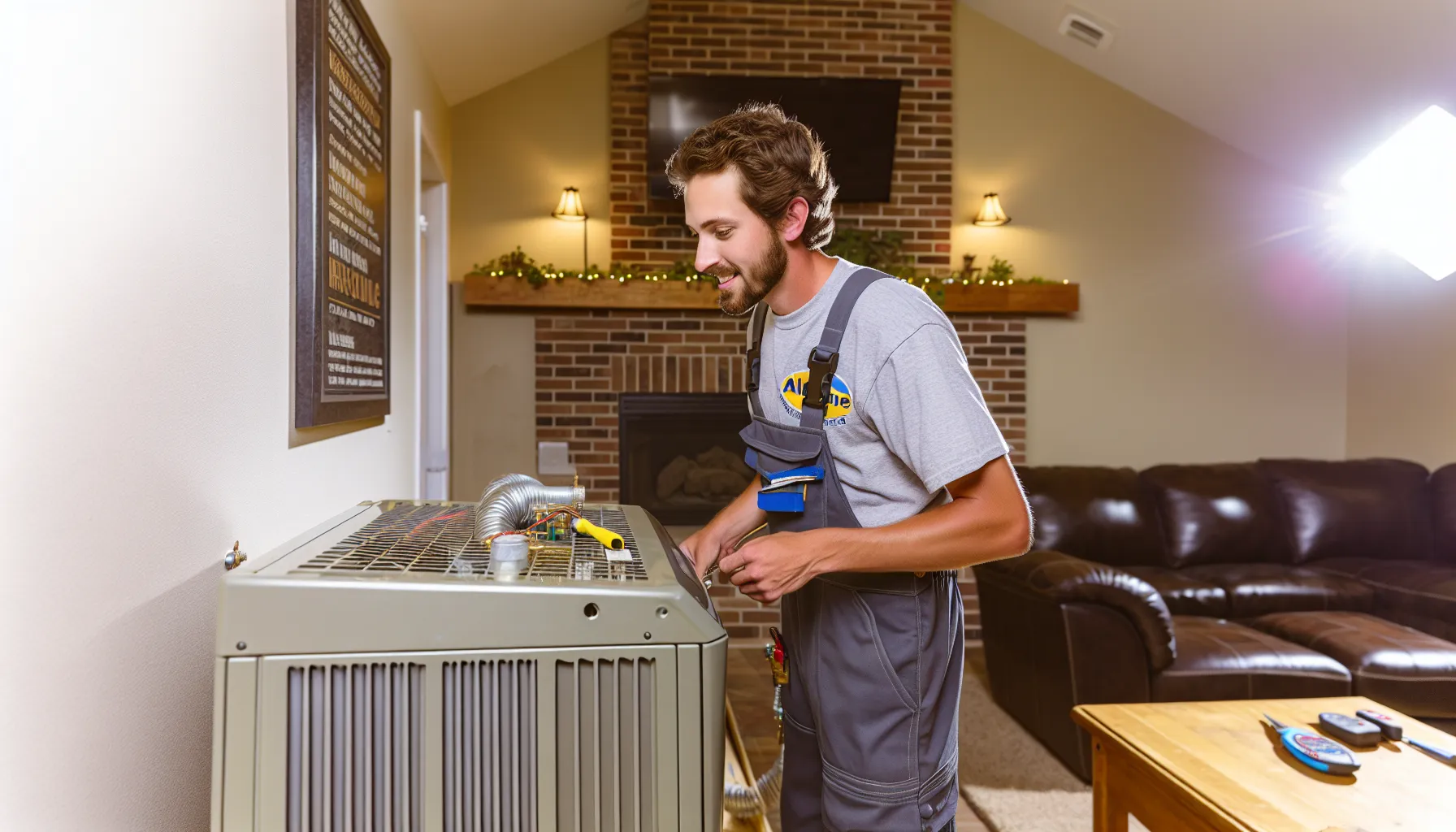
Replacing your air conditioner is a major investment. Work with a licensed, local HVAC contractor like Alloy Heating and Cooling who understands Colorado’s climate and building codes. Our team in Greenwood Village and surrounding areas will assess your home’s unique needs, recommend the right system, and ensure a professional installation. Real-world example: After consulting with our experts, a family in Morrison selected a variable-speed AC that delivers even cooling and lower bills, even during those triple-digit summer days.
Conclusion
If your air conditioner is showing signs of age, losing efficiency, or just not keeping up with Colorado’s weather, it might be time to consider a replacement. Upgrading offers better comfort, lower utility bills, and improved air quality. Contact Alloy Heating and Cooling for a free consultation and find out how a new AC system can make your home or business more comfortable all year long.
Frequently Asked Questions
What are the most common signs I need a new air conditioner in Colorado?
Common signs include rising energy bills, frequent repairs, inconsistent cooling, strange noises or smells, and your unit being over 10-15 years old.
How long should an air conditioner last in Colorado’s climate?
Most air conditioners last 10-15 years in Colorado, but harsh weather and heavy use can shorten their lifespan.
Can regular maintenance extend the life of my air conditioner?
Yes, regular maintenance like filter changes and professional tune-ups can help your AC unit run efficiently and last longer.
Is it better to repair or replace my old air conditioner?
If repairs are frequent and costly, or if your unit is over 10 years old and inefficient, replacement is usually the better investment.
What should I look for in a new air conditioner for my Colorado home?
Look for energy-efficient models (high SEER rating), proper sizing for your home, and features like programmable thermostats and humidity control.

Alloy HVAC Team
HVAC experts with years of experience in the industry. We share tips, insights, and the latest trends in heating, ventilation, and air conditioning to help you maintain optimal comfort in your home or business.