HVAC Repair vs. Replacement: How to Decide for Colorado Homes
HVAC Repair vs. Replacement: How to Decide for Colorado Homes
As a Colorado homeowner or small business owner, having a reliable HVAC system is key to staying comfortable through harsh winters and hot, dry summers. But when your heating or cooling system starts acting up, the question quickly becomes: Should you repair it or is it time to replace your HVAC system entirely? Making the right choice can save you money, improve indoor comfort, and prevent future headaches. Let’s break down the key points to help you decide what’s best for your Colorado home or business.
Understanding HVAC Repair vs. Replacement
What Does HVAC Repair Involve?
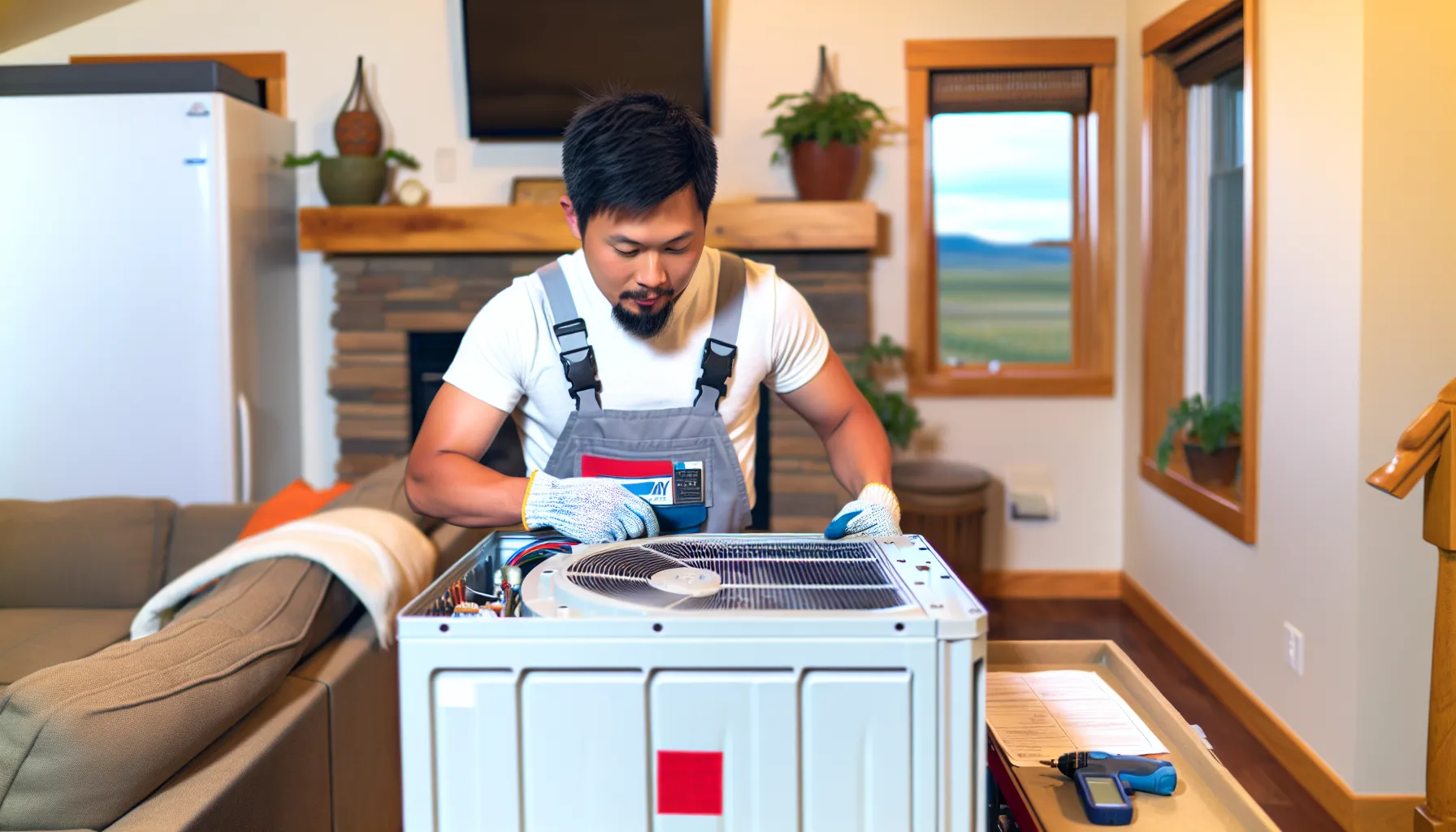
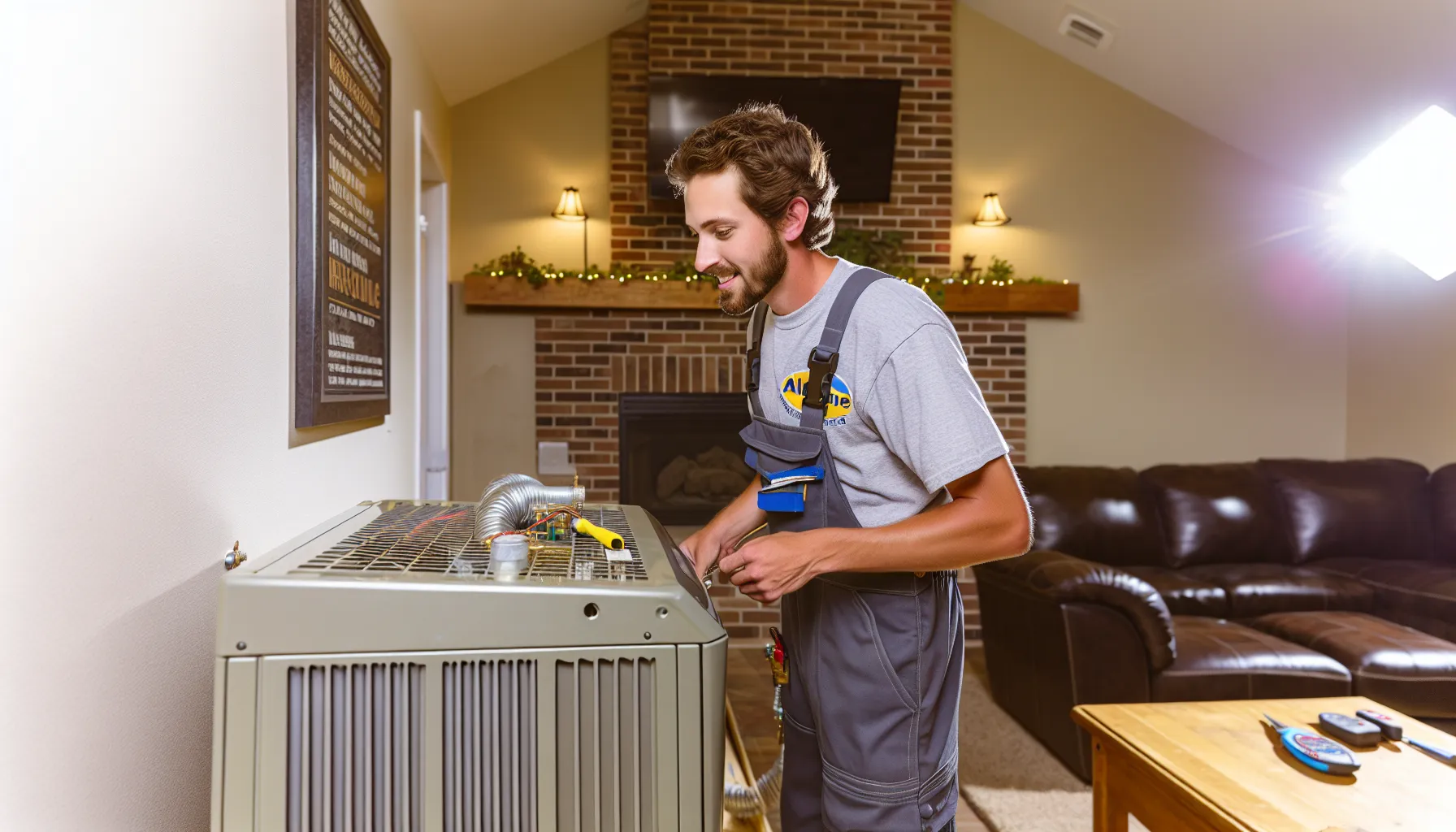
HVAC repair typically focuses on fixing specific problems, replacing a broken thermostat, repairing a refrigerant leak, or swapping out a worn blower motor. Repairs are often best for newer systems or isolated issues. For example, a Greenwood Village homeowner called Alloy Heating and Cooling when their AC stopped blowing cold air. Our technician found a faulty capacitor, replaced it in under an hour, and the system was back to normal. Repairs like these are usually quick and cost-effective when the rest of the system is in good shape.
What Does HVAC Replacement Involve?
HVAC replacement means installing a new furnace, air conditioner, or entire system. Replacement is a bigger investment but brings modern technology, higher efficiency, and reduced repair needs. For instance, a family in Highlands Ranch upgraded their 20-year-old furnace and AC to a high-efficiency system. They instantly noticed more even temperatures and saw their energy bills drop by 25% the following winter. Replacement is often the right move when the current system is outdated or repairs add up.
Key Factors to Consider for Colorado Homeowners
Age and Condition of Your HVAC System
Most HVAC systems last about 10-15 years. Colorado’s temperature swings and high altitude can cause extra wear, especially if regular maintenance is skipped. If your system is nearing the end of its expected lifespan or showing signs of deterioration, such as rust, corrosion, or failing parts, it makes more sense to invest in a replacement rather than continually patching an older unit.
Frequency and Cost of Repairs
If you find yourself calling for service every season, it may be time to consider replacement. A good rule of thumb is known as the “$5,000 Rule”: Multiply the age of your unit by the repair cost. If the result exceeds $5,000, replacement is typically the smarter option. For example, if your 12-year-old furnace needs a $600 repair, 12 x 600 = $7,200. In this case, replacement likely makes more financial sense for most Denver homeowners.
Energy Efficiency and Utility Bills
Older HVAC systems are less efficient than today’s models. If your energy bills have crept up even though your usage hasn’t changed, your system may be working harder than it should. Upgrading to a new, high-efficiency system can cut your energy costs significantly, especially during Colorado’s peak heating and cooling seasons. A Littleton homeowner switched to a variable-speed furnace and saw their monthly utility bill drop by nearly 30% during the winter months.
Climate Considerations in Colorado
Colorado’s weather is unique, dry air, rapid temperature changes, and sudden snowstorms can put stress on HVAC equipment. Systems designed for milder climates may not handle these extremes well. Newer units are built to manage these challenges, providing consistent comfort and humidity control. If your current system can’t keep up with Colorado’s demands, replacement may provide better long-term performance.
Pros and Cons: Repairing vs. Replacing Your HVAC System
Advantages of HVAC Repair
- Lower upfront cost compared to replacement
- Quick turnaround, most repairs can be completed in a single visit
- Less disruption to your daily routine
- Maintains existing system if it’s still under warranty or has plenty of useful life left
Advantages of HVAC Replacement
- Improved energy efficiency and lower utility bills
- Enhanced indoor comfort with better temperature and humidity control
- Reduced repair costs and fewer breakdowns
- Potential for rebates and tax incentives on new, high-efficiency equipment
- Increase in home value and peace of mind from a new warranty
Potential Drawbacks of Each Option
- Repairs: May only offer a temporary fix, especially for older systems. Costs can add up over time. Doesn’t improve efficiency or comfort.
- Replacement: Higher upfront cost and more time to install. May require ductwork modifications or other updates, especially in older homes.
Signs It’s Time to Replace Your HVAC System
System Age Beyond 10-15 Years
Most furnaces and air conditioners start to decline after 10-15 years. If your system is in this age range, you’re likely to face more frequent repairs and reduced efficiency. In Parker, a homeowner with a 17-year-old air conditioner noticed it struggled to cool the house each summer. After upgrading, they enjoyed quieter operation and more stable indoor temperatures.
Rising Energy Bills and Home Comfort Issues
If your utility bills keep climbing or your home has hot and cold spots, your HVAC system may be losing its ability to heat or cool effectively. This is a common sign of aging equipment. Modern systems are engineered to provide even comfort and use less energy, which is especially important during Colorado’s unpredictable weather swings.
Frequent Breakdowns or Costly Repairs
Multiple service calls in a short period or expensive repairs (like compressor or heat exchanger replacements) can make keeping your old system running a losing battle. A Castle Rock business owner faced back-to-back repairs on a 14-year-old rooftop unit and eventually opted for a full replacement. The result was more reliable comfort and lower maintenance costs moving forward.
How to Choose the Right HVAC Solution for Your Colorado Home
Consulting with a Local HVAC Professional
Every home and business is different, so there’s no one-size-fits-all answer. An experienced Colorado HVAC contractor like Alloy Heating and Cooling can assess your system, explain your options, and provide honest recommendations. We take into account your home’s size, insulation, and unique climate needs to help you make the best decision.
Considering Rebates and Incentives
Colorado homeowners can often take advantage of local, state, and federal incentives for upgrading to energy-efficient HVAC systems. Utility companies like Xcel Energy and programs like ENERGY STAR frequently offer rebates that can offset the cost of replacement. It’s worthwhile to ask your HVAC technician about current offers when making your decision.
Making a Cost-Benefit Analysis
Compare the cost of ongoing repairs versus the investment in a new system, factoring in the potential for lower energy bills and rebates. In many cases, replacement pays for itself over a few years, especially when you consider the improved comfort and peace of mind. For example, a Centennial family weighed their repeated repair bills against the price of a new system and found they’d break even in under three years thanks to energy savings and rebate incentives.
In summary, deciding whether to repair or replace your HVAC system comes down to the age and condition of your system, repair frequency, energy efficiency, and your long-term comfort goals. If you’re unsure, Alloy Heating and Cooling is here to help Colorado residents make the right choice with transparent advice and quality service.
Frequently Asked Questions
How do I know if I should repair or replace my HVAC system?
Consider the age, repair history, energy efficiency, and comfort level your system provides. If repairs are frequent or costs are rising, or if your system is over 10-15 years old, replacement may be the better option.
Is it more cost-effective to repair or replace my HVAC in Colorado?
If your system is relatively new and repair costs are low, repairs can be cost-effective. However, older systems or those with expensive repairs may be better replaced for long-term savings and improved efficiency.
What are the signs that my HVAC system needs to be replaced?
Common signs include frequent repairs, inconsistent temperatures, unusual noises, high energy bills, and a system age over 10-15 years.
How does Colorado’s climate affect my HVAC decision?
Colorado’s temperature swings and elevation can stress HVAC systems. Efficient, modern systems may handle these conditions better, so replacement could improve comfort and reliability.
Are there incentives for replacing my HVAC system in Colorado?
Yes, there are often local, state, and federal rebates or incentives for installing energy-efficient HVAC systems. Check with your utility provider or HVAC contractor for current offers.

Alloy HVAC Team
HVAC experts with years of experience in the industry. We share tips, insights, and the latest trends in heating, ventilation, and air conditioning to help you maintain optimal comfort in your home or business.