AC Blowing Warm Air? What Colorado Homeowners Should Check First
AC Blowing Warm Air? What Colorado Homeowners Should Check First
There’s nothing worse than coming home on a hot Colorado afternoon, expecting cool relief, only to find your air conditioner blowing warm air. This is a common frustration for homeowners across Greenwood Village, Englewood, Littleton, and beyond. Before you panic, there are several things you can check yourself, and knowing when to call a professional can save you time and money. At Alloy Heating and Cooling, we’ve helped countless Colorado families and businesses restore comfort, even during the hottest summer days.
Common Reasons Your Aircon Blows Warm Air
Thermostat Settings Issues
It may sound simple, but incorrect thermostat settings are one of the most common causes of AC blowing warm air. Sometimes, the thermostat is accidentally set to “heat” or the fan is set to “on” instead of “auto.” We’ve seen cases in Highlands Ranch and Parker where a cleaning service or child changed the settings without the homeowner realizing, causing confusion when the AC stopped cooling. Double-checking your thermostat is always the first step.
Dirty or Clogged Air Filters
Colorado’s dry, dusty climate means air filters can clog faster than you might expect. A dirty filter restricts airflow, making it hard for your AC to circulate cool air. Homeowners in Aurora and Centennial often notice this issue after windy spring days or during high pollen seasons. A simple filter change can sometimes fix the problem immediately and boost efficiency.
Refrigerant Leaks
Your AC relies on refrigerant to absorb heat and cool your home. If there’s a leak, the system can’t cool the air effectively. Refrigerant leaks are more common in older systems or after hailstorms, both of which are familiar to those in Castle Rock and Lakewood. Signs include weak airflow, ice on the lines, or hissing noises. Refrigerant issues require a professional HVAC technician for repairs.
Electrical or Power Problems
Sometimes, the issue is as simple as a tripped breaker or a blown fuse, especially after a thunderstorm or power surge. In neighborhoods like Arvada and Westminster, we’ve seen outdoor AC units lose power while the indoor fan keeps running, resulting in warm air blowing through the vents. Always check your electrical panel if your AC stops cooling.
Troubleshooting Steps for Colorado Homeowners
Inspect and Reset Your Thermostat
Start by making sure your thermostat is set to “cool” and the temperature is set below the current room temperature. If you have a programmable thermostat, double-check the schedule settings. Sometimes, batteries need replacing or the device needs a reset. In newer homes in Lone Tree and Southglenn, digital thermostats can sometimes glitch during power outages, so a quick reset may do the trick.
Check and Replace Air Filters
Remove your air filter and hold it up to the light. If you can’t see light through it, it’s time for a replacement. Filters should be changed every 1, 3 months, especially during periods of heavy use. In areas like Morrison and Ken Caryl, where wildfires and pollen can be an issue, even more frequent changes may be needed. A clean filter ensures your system can breathe and cool your home effectively.
Examine the Outdoor Condenser Unit
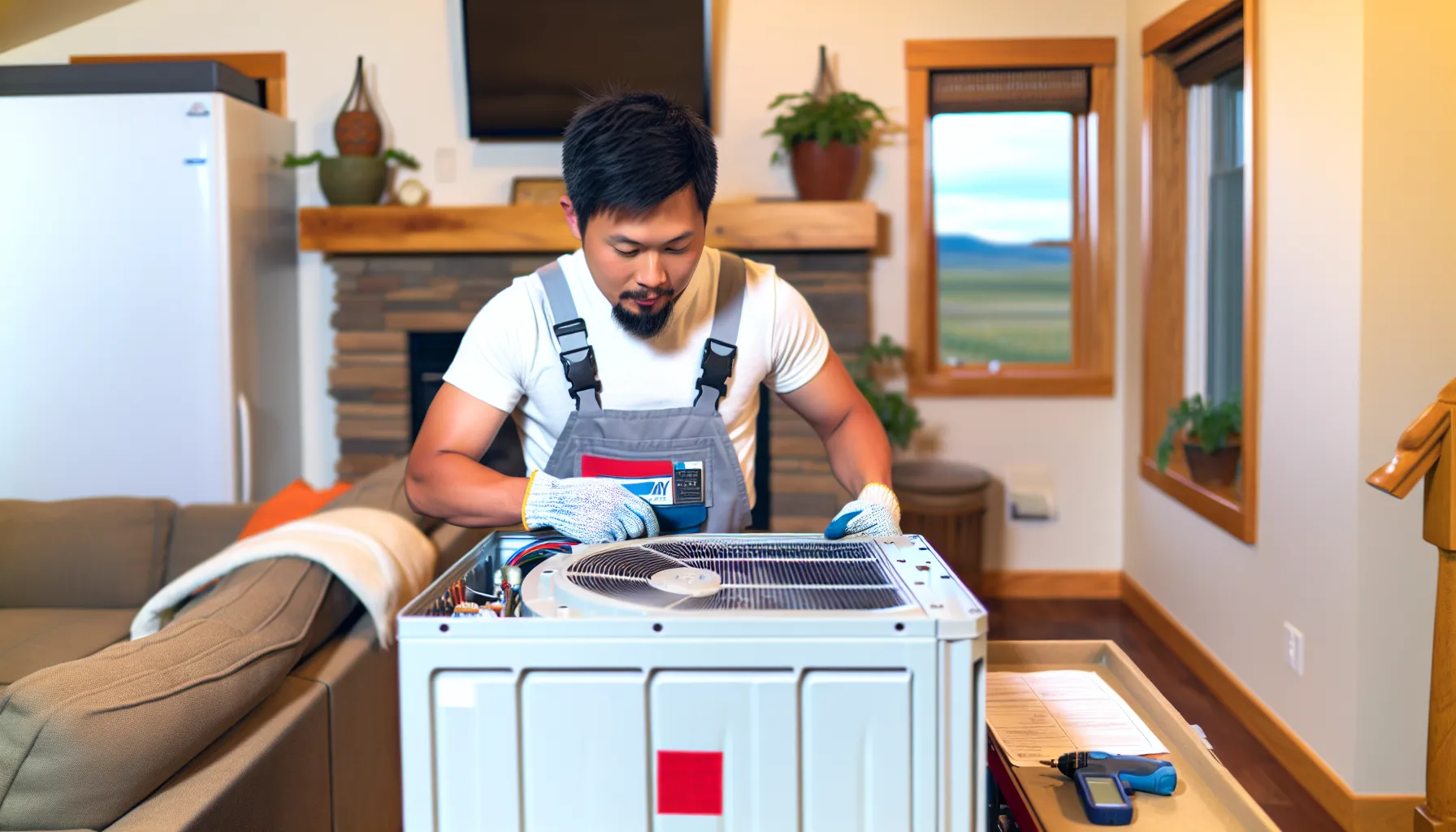
Step outside and inspect the outdoor unit. Make sure it is free of leaves, grass clippings, or debris. Check for any visible damage, such as bent fins or ice buildup. We’ve helped homeowners in Evergreen and Golden who found their condenser completely covered in cottonwood fluff, blocking airflow and causing warm air issues. If you spot anything unusual, gently clear the area and see if cooling resumes.
Look for Signs of Refrigerant Leaks
Walk around your indoor and outdoor AC components. If you notice ice on the refrigerant lines, water pooling near the unit, or hear a hissing sound, you may have a refrigerant leak. Homeowners in Boulder and Lafayette have reported these symptoms after noticing their AC running but never getting cold. If you suspect a refrigerant leak, turn off the system and contact a licensed HVAC technician immediately.
Check Circuit Breakers and Power Supply
Locate your home’s electrical panel and ensure all breakers related to the AC are in the “on” position. If a breaker has tripped, reset it once. Frequent tripping could indicate a deeper electrical issue, which should be handled by a professional. In older homes in Denver and Wheat Ridge, we sometimes find that aging panels or loose wiring can cause intermittent power loss to the AC unit.
When to Call a Professional HVAC Technician
Persistent Warm Air Issues
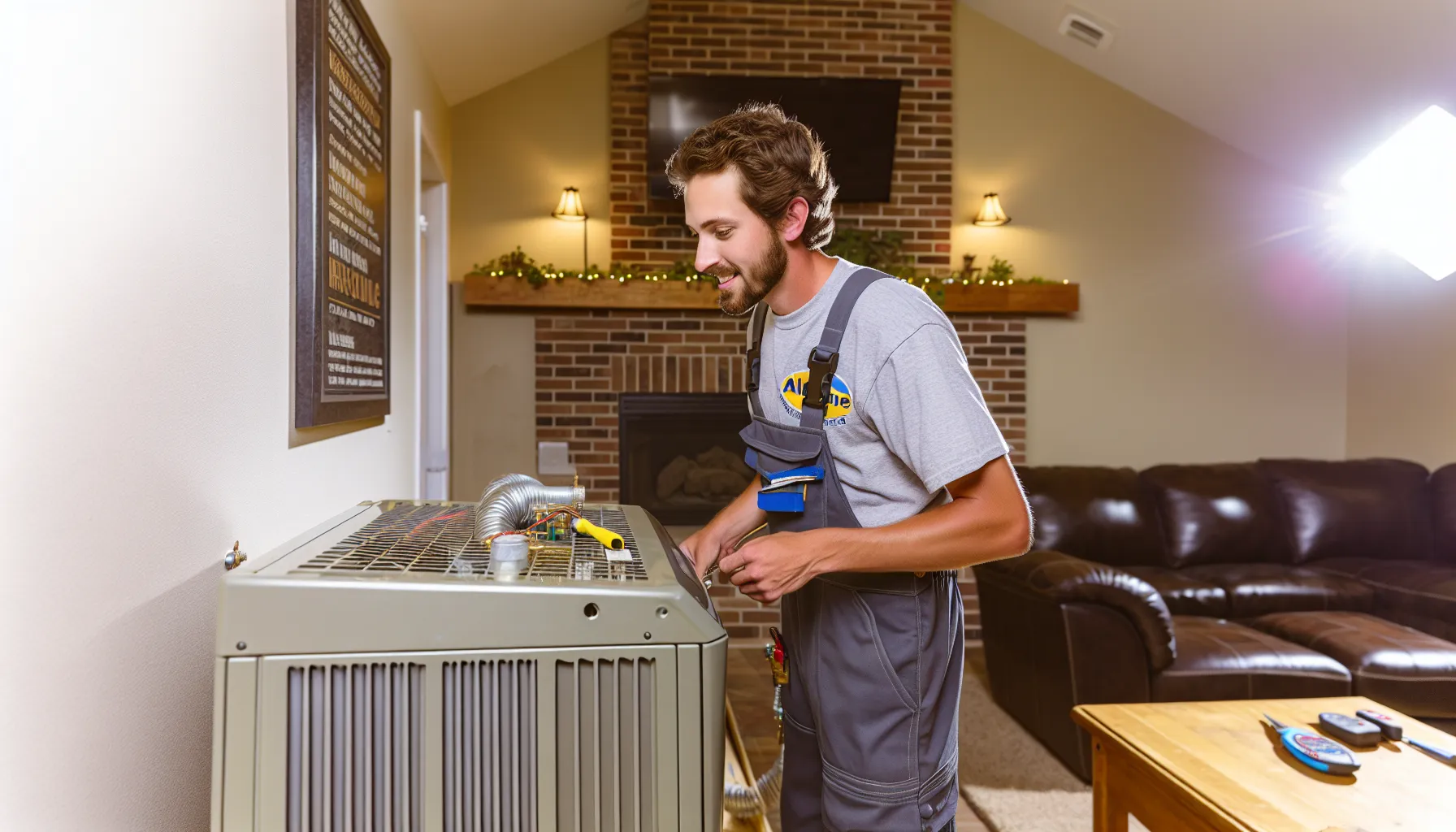
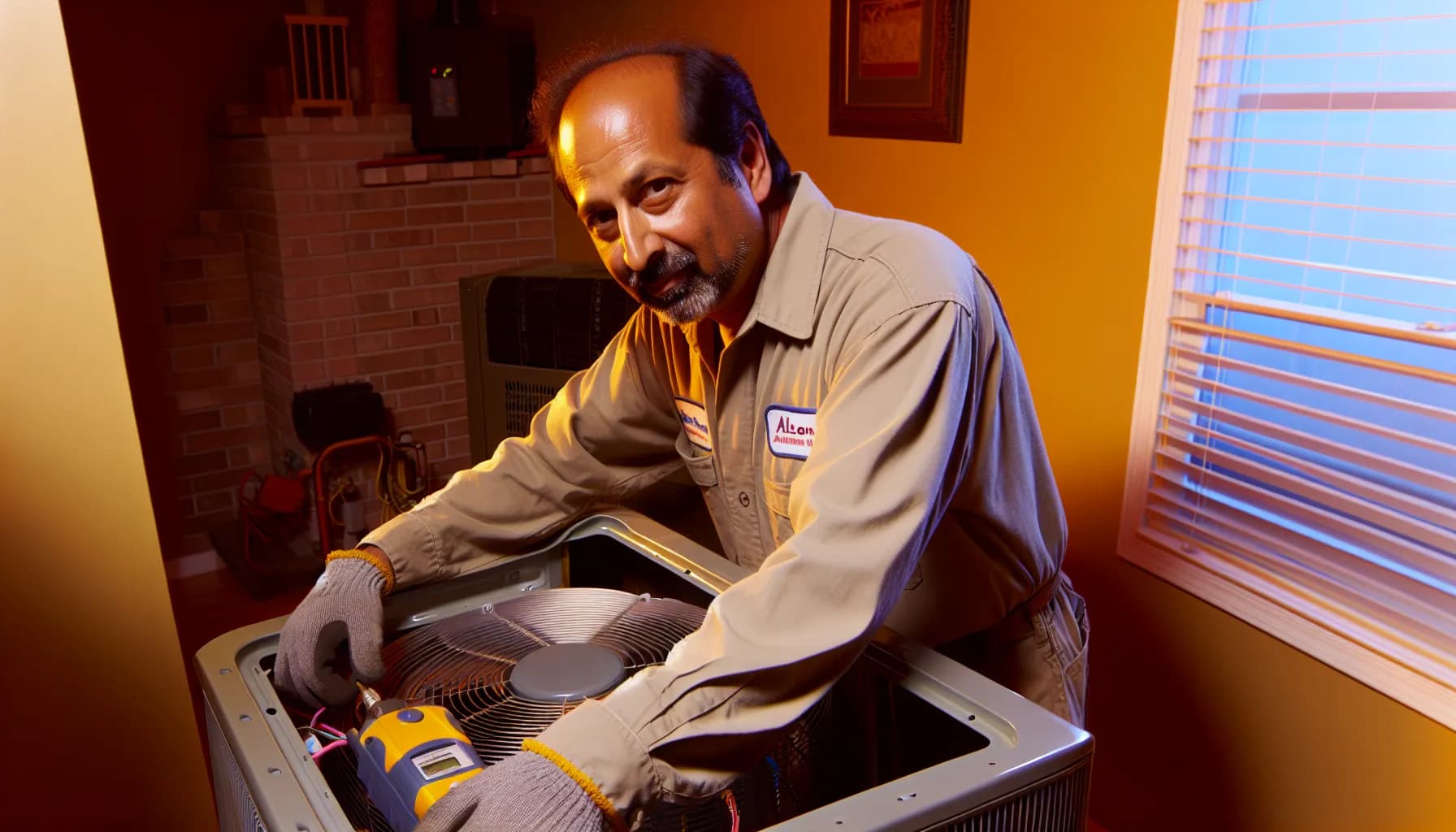
If you’ve tried all the basic troubleshooting steps and your AC is still blowing warm air, it’s time to call in the experts. At Alloy Heating and Cooling, our technicians use specialized tools to diagnose problems that aren’t visible to the naked eye, such as low refrigerant levels or malfunctioning compressors. For example, a homeowner in Cherry Hills Village called us after several failed DIY attempts. We discovered a failing capacitor inside the outdoor unit, which required professional replacement. Within an hour, their cool air was restored.
Unusual Noises or Odors
Strange sounds like grinding, squealing, or rattling, as well as unusual odors, can indicate serious internal problems. These may be caused by a failing motor, electrical issues, or mold growth inside the system. If you notice these symptoms in your home or small business in Commerce City or Thornton, turn off the AC and schedule a professional inspection to prevent further damage.
Visible Ice or Water Leaks
Ice buildup on refrigerant lines or water leaks near your indoor unit are warning signs of bigger issues, such as a clogged condensate drain or refrigerant problem. In cases like these, seen frequently in Northglenn and Castle Pines, immediate professional attention is needed to avoid damaging your home or the HVAC system further.
Preventative Maintenance Tips for Colorado Summers
Regularly Change Air Filters
One of the easiest ways to keep your AC running smoothly is to change your air filter regularly. Not only does this prevent warm air issues, but it also improves indoor air quality, important for families in Brighton and Broomfield, where allergens can be high. Set a reminder each month to check your filter, especially if you have pets or live near open spaces.
Schedule Annual AC Tune-Ups
Annual maintenance by a licensed HVAC technician can catch problems before they turn into breakdowns. During a tune-up, our team at Alloy Heating and Cooling will inspect electrical connections, refrigerant levels, and system components. Many homeowners in Erie and Niwot have found that regular tune-ups extend the life of their AC and save on energy bills.
Keep the Outdoor Unit Clear of Debris
Make it a habit to check your outdoor condenser unit for leaves, branches, and lawn clippings, especially after storms or yard work. A clear unit can “breathe” and cool efficiently. In areas like Monument and Palmer Lake, where pine needles and small branches are common, keeping the area around your AC clear can prevent many common cooling problems.
Whether you live in the foothills, the city, or the suburbs, taking these simple steps can help you avoid the discomfort of an AC blowing warm air. If you run into issues that require professional attention, Alloy Heating and Cooling is here for homeowners and businesses across the Colorado Front Range. Our team is just a call away, ready to restore your comfort quickly and efficiently.
Frequently Asked Questions
Why is my AC blowing warm air instead of cold?
Your AC may blow warm air due to thermostat issues, dirty air filters, low refrigerant, or electrical problems. Checking these common causes can help restore cool air.
Should I try to fix my aircon blowing warm air myself?
Homeowners can troubleshoot simple issues like thermostat settings or filter changes, but refrigerant or electrical problems should be handled by an HVAC professional.
How often should I replace my air filter to prevent warm air issues?
It’s recommended to check and replace your air filter every 1-3 months, especially during heavy use in Colorado summers.
Can Colorado's climate affect my AC performance?
Yes, dust, pollen, and extreme temperature swings in Colorado can impact your AC’s efficiency and may contribute to warm air problems.
When should I call an HVAC technician for my AC blowing warm air?
Contact a professional if basic troubleshooting doesn’t resolve the issue, or if you notice refrigerant leaks, ice buildup, or electrical problems.

Alloy HVAC Team
HVAC experts with years of experience in the industry. We share tips, insights, and the latest trends in heating, ventilation, and air conditioning to help you maintain optimal comfort in your home or business.