Why Is My Air Conditioner Blowing Warm Air? Causes and Solutions for Colorado Homes
Why Is My Air Conditioner Blowing Warm Air? Causes and Solutions for Colorado Homes
When Colorado temperatures climb, there’s nothing more frustrating than flipping on your air conditioner only to feel warm air coming out of the vents. At Alloy Heating and Cooling, we hear from homeowners and businesses across Greenwood Village, Denver, Highlands Ranch, and the surrounding areas who are experiencing this exact problem. If your air conditioner is blowing warm air, don’t sweat it, let’s walk through the most common causes and what you can do to restore cool comfort to your space.
Common Reasons Your Aircon Blows Warm Air
Incorrect Thermostat Settings
It happens more often than you might think: the thermostat gets bumped or misconfigured. Make sure your thermostat is set to “cool,” not “heat,” and that the temperature is set lower than the current room temperature. In homes with sophisticated programmable or smart thermostats, a misprogrammed schedule could also cause the system to blow warm air during certain times of the day. Double-check your settings before digging any deeper.
Dirty or Clogged Air Filters
Air filters are your first line of defense against dust and debris. When they become clogged, airflow is restricted, causing your air conditioner to struggle. This can lead to warm air blowing from your vents. In Colorado’s dusty, dry climate, we see filters getting clogged faster than the national average. We recommend checking and replacing filters every 1-3 months, especially during heavy use in the summer.
Refrigerant Leaks or Low Levels
Your air conditioner relies on refrigerant to absorb heat from the indoor air. If refrigerant levels are low, usually due to a leak, the system can’t cool your home effectively. You may notice ice on the refrigerant lines or feel warm air from the vents. Refrigerant leaks are common in older systems and require professional repair. If your AC is low on refrigerant, topping it off won’t solve the root problem. The leak must be found and fixed by a licensed HVAC technician.
Electrical or Power Issues
Sometimes, an air conditioner may lose power to the outdoor unit (the condenser) while the indoor blower keeps running. This creates the illusion that your AC is blowing, but only warm, unconditioned air moves through your home. Tripped breakers, blown fuses, or disconnected wiring can cause this issue. Always check your breaker box and outdoor disconnect before calling for service.
Frozen Evaporator Coils
Frozen evaporator coils are a common issue in Colorado, especially during sudden temperature swings. When coils freeze, airflow stops and the system can only circulate warm air. Causes include dirty filters, low refrigerant, or blocked vents. If you notice ice or excessive condensation around the indoor unit, turn off your AC and let the coils thaw before restarting.
Blocked or Leaky Ductwork
Ductwork distributes conditioned air throughout your home. Gaps, leaks, or blockages can let cool air escape into attics or crawl spaces, or draw in warm air from unconditioned areas. In older homes in Denver and Boulder, duct leaks are a frequent culprit. Sealing and insulating ducts can restore proper airflow and cooling performance.
How Colorado’s Climate Affects Air Conditioner Performance
Impact of Altitude and Dry Air
Colorado’s high altitude and low humidity pose unique challenges for air conditioners. At higher elevations, the air is thinner, which can reduce the efficiency of heat exchange in AC units. Manufacturers often derate (lower) the cooling capacity for equipment installed above 5,000 feet, and homes in areas like Evergreen or Castle Rock may notice their systems working harder to achieve set temperatures.
Dry air can also cause evaporator coils to freeze more easily, especially if airflow is restricted. It’s crucial to select and maintain equipment that’s properly sized and rated for Colorado’s specific conditions.
Seasonal Changes and Aircon Efficiency
Spring and fall bring rapid shifts in Colorado weather, with hot days and cool nights. These fluctuations can affect air conditioner performance, especially if your system isn’t well maintained. For example, a homeowner in Parker might notice their AC struggling after a late-season snowstorm followed by a sudden heatwave. Seasonal maintenance ensures that your unit is ready for these unpredictable swings and minimizes the risk of breakdowns.
DIY Troubleshooting Steps for Warm Air Issues
Checking and Changing Air Filters
Start by locating your system’s air filter, usually found near the return air duct or blower compartment. Remove the filter and hold it up to the light. If you can’t see light passing through, it’s time to replace it. In high-traffic or pet-friendly homes in Southglenn or Highlands Ranch, you may need to change filters more frequently.
Inspecting the Thermostat
Double-check that your thermostat is powered on, set to “cool,” and programmed for the desired temperature. Replace batteries if needed. If you have a smart thermostat, ensure it’s connected to your Wi-Fi and not running on a vacation or eco mode that could override your settings.
Examining Circuit Breakers and Power
Locate your home’s electrical panel and look for any tripped breakers labeled “AC” or “HVAC.” Reset the breaker by flipping it off and back on. Also, check the outdoor unit’s disconnect box, a safety switch mounted nearby. If you find a blown fuse or damaged wiring, call a professional.
Looking for Refrigerant Leaks
If you suspect a refrigerant issue, inspect the outdoor unit for hissing sounds, oily residue, or ice buildup on the refrigerant lines. These are indicators of a leak. Do not attempt to add refrigerant yourself. Colorado law requires licensed technicians to handle refrigerants due to environmental and safety concerns.
When to Call a Professional HVAC Technician
Identifying Complex Problems
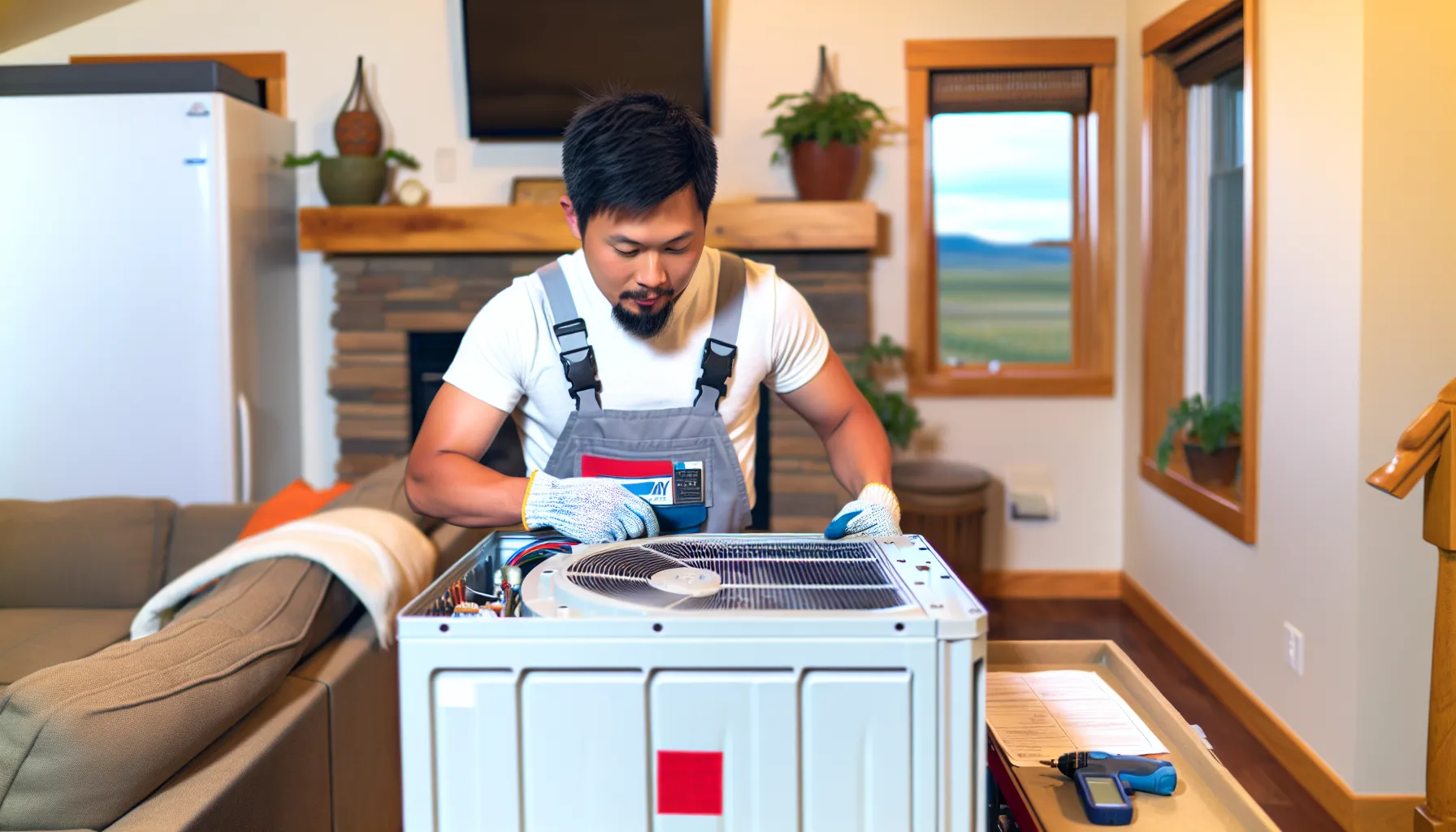
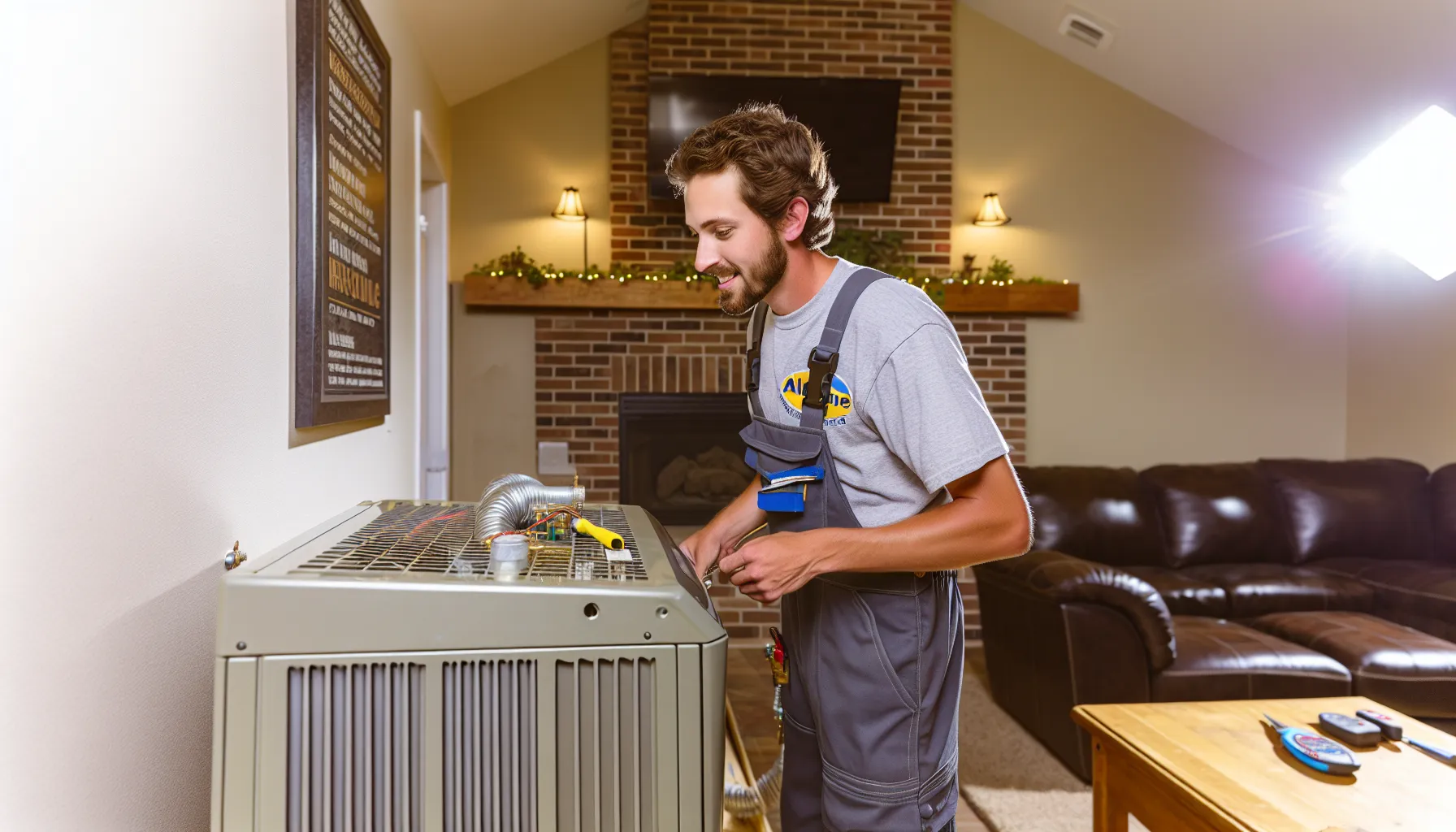
If you’ve checked your thermostat, filter, and power supply but your AC still blows warm air, it’s time to contact a professional. Issues like low refrigerant, electrical faults, frozen coils, or failing compressors require specialized tools and expertise. At Alloy Heating and Cooling, we use advanced diagnostic equipment to pinpoint the exact cause and provide long-term solutions.
Benefits of Professional Maintenance
Annual maintenance can catch small problems before they become expensive repairs. Our technicians thoroughly inspect, clean, and tune up your system, ensuring it’s operating at peak efficiency. Many customers in Centennial and Castle Pines have reported improved comfort and lower energy bills after a routine HVAC service. Plus, regular maintenance often extends the lifespan of your equipment, saving you money in the long run.
Preventative Tips to Keep Your Air Conditioner Blowing Cold Air
Regular Maintenance and Inspections
Schedule professional maintenance at least once a year, preferably in the spring before the cooling season ramps up. Technicians will clean coils, check refrigerant levels, inspect electrical connections, and test system performance. This proactive approach keeps your air conditioner running smoothly, even during Colorado’s hottest days.
Seasonal Preparation for Colorado Homes
Before summer arrives, clear any debris from around your outdoor condenser unit, trim back plants or grass, and ensure nothing obstructs airflow. Inside, open all supply and return vents and verify that furniture isn’t blocking registers. If you’ve made recent renovations or changes to your home’s layout, have an HVAC professional assess your ductwork to ensure it still delivers even cooling.
By following these steps and staying alert to early warning signs, you can enjoy reliable comfort all season long. If you ever have questions or need expert help, Alloy Heating and Cooling is just a phone call away, serving communities from Littleton to Boulder and everywhere in between.
Frequently Asked Questions
Why is my aircon blowing warm air instead of cold?
Common causes include incorrect thermostat settings, dirty air filters, refrigerant issues, electrical problems, or ductwork leaks. Addressing these can often restore proper cooling.
Can Colorado’s weather cause my air conditioner to blow warm air?
Colorado’s dry climate and high altitude can strain AC units, affecting performance if not properly maintained or sized for local conditions.
Should I try to fix my aircon blowing warm air myself?
You can check filters, thermostat settings, and power supply, but refrigerant issues or electrical faults should be handled by a professional HVAC technician.
How often should I service my air conditioner to prevent warm air issues?
It’s recommended to schedule professional maintenance at least once a year, especially before the cooling season begins in Colorado.
What are signs that my aircon needs professional repair?
Persistent warm air, strange noises, frequent cycling, or visible leaks indicate it’s time to call a licensed HVAC technician.

Alloy HVAC Team
HVAC experts with years of experience in the industry. We share tips, insights, and the latest trends in heating, ventilation, and air conditioning to help you maintain optimal comfort in your home or business.