How to Prepare Your HVAC System for Colorado’s Summer: Maintenance Checklist
How to Prepare Your HVAC System for Colorado’s Summer: Maintenance Checklist
Summer in Colorado can be unpredictable, swinging from dry heat to afternoon thunderstorms, and sometimes bringing sudden temperature spikes. If you live or run a business in Greenwood Village, Highlands Ranch, Aurora, Denver, or any of the surrounding communities, a well-prepared HVAC system is essential for comfort and energy savings. Here’s how to get your air conditioning and ventilation system ready for the busy summer months.
Why Preparing Your HVAC for Summer in Colorado Matters
Colorado’s Unique Summer Climate Challenges
Colorado’s summer weather is unique. The combination of higher elevation, dry air, and sudden heat waves puts extra pressure on air conditioning systems. Dust, pollen, and wildfire smoke can also clog filters and ducts. Homeowners in areas like Castle Rock or Boulder often find their HVAC systems working overtime just to keep up with rapid temperature changes. Without proper maintenance, systems can break down when you need them most.
Benefits of Early HVAC Maintenance
Scheduling HVAC maintenance before summer hits ensures your system runs smoothly and efficiently. Early maintenance minimizes the risk of mid-season breakdowns, lowers energy bills, and extends the life of your equipment. For example, a Centennial family who schedules a spring maintenance check often enjoys better indoor comfort and fewer emergency calls during heat waves compared to those who wait until issues arise. Preventative care also helps catch small repairs before they turn into costly problems.
Essential HVAC Summer Preparation Checklist
Replace or Clean Air Filters
Dirty air filters force your HVAC system to work harder, reducing efficiency and indoor air quality. For Colorado homes, especially those located near fields or construction zones, filters can clog quickly with dust and allergens. Check your filters monthly and replace or clean them at least every three months, or more often during peak pollen season.
Inspect and Clean Air Ducts and Vents
Dust, pet hair, and debris can build up in ducts and vents, restricting airflow and circulating allergens. Homeowners in Englewood or Arvada may notice more dust inside during dry spells. Have your ducts inspected and professionally cleaned if necessary. This step improves system performance and helps keep indoor air fresh and healthy.
Check Thermostat Settings and Functionality
Verify that your thermostat is reading temperatures accurately and is set for cooling mode. If you have a programmable or smart thermostat, set it to raise the temperature when you’re away and cool down before you return. This saves energy and keeps your home comfortable. For instance, a Littleton homeowner upgrading to a smart thermostat saw their summer cooling costs drop by 15% after optimizing their settings.
Clean the Outdoor Unit and Clear Debris
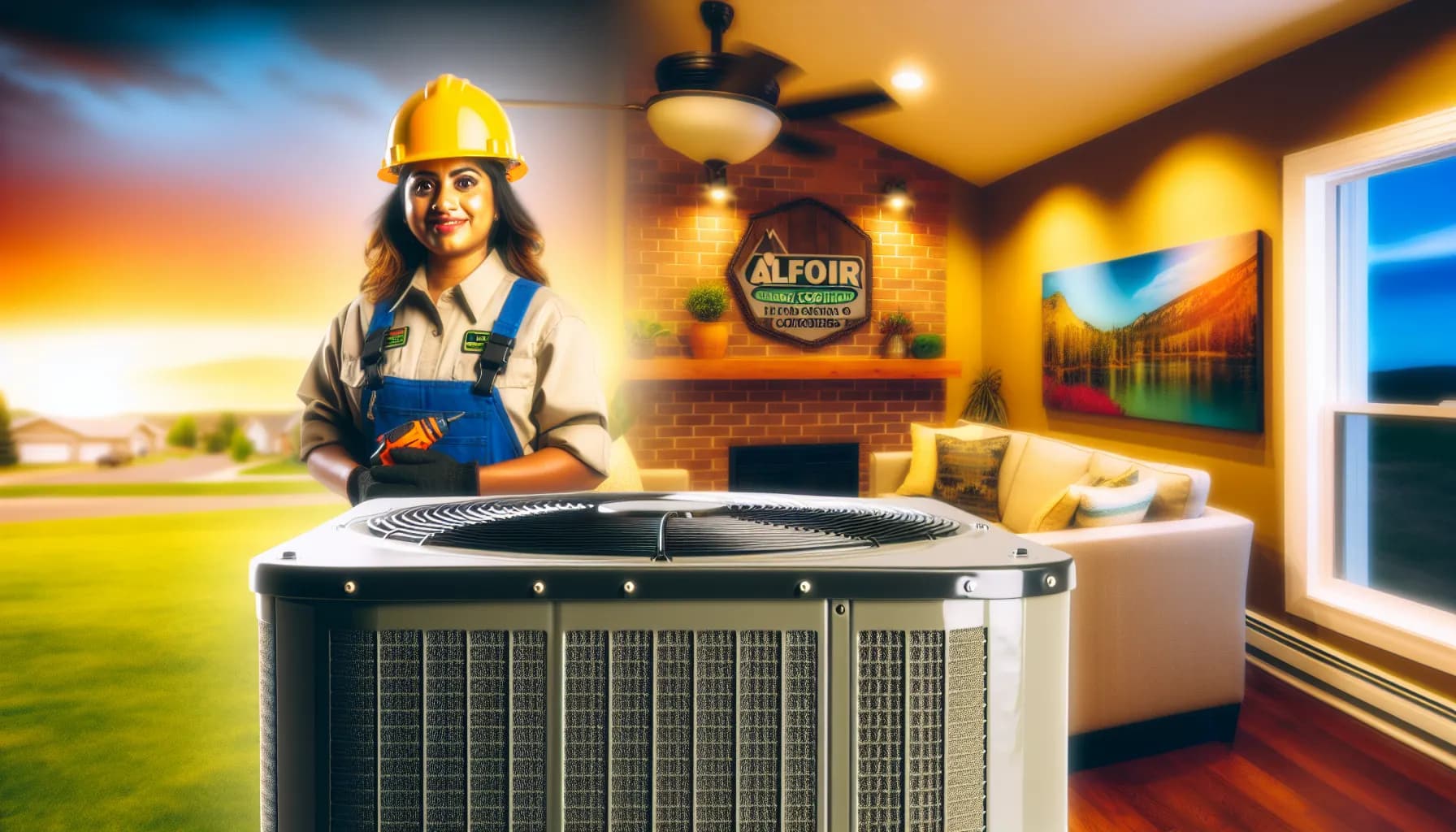
Your outdoor condenser unit needs unobstructed airflow to operate efficiently. Clear away leaves, grass clippings, and any other debris at least two feet around the unit. Gently hose off the coils to remove dust and dirt, which can accumulate quickly after spring storms or high winds that are common in areas like Morrison or Golden.
Examine Refrigerant Levels
Low refrigerant can lead to poor cooling and higher energy bills. If your AC is blowing warm air or struggling to keep up, it could be a sign of a leak. Checking refrigerant levels is a job best left to HVAC professionals, who can safely add refrigerant and identify leaks.
Inspect Electrical Connections and Components
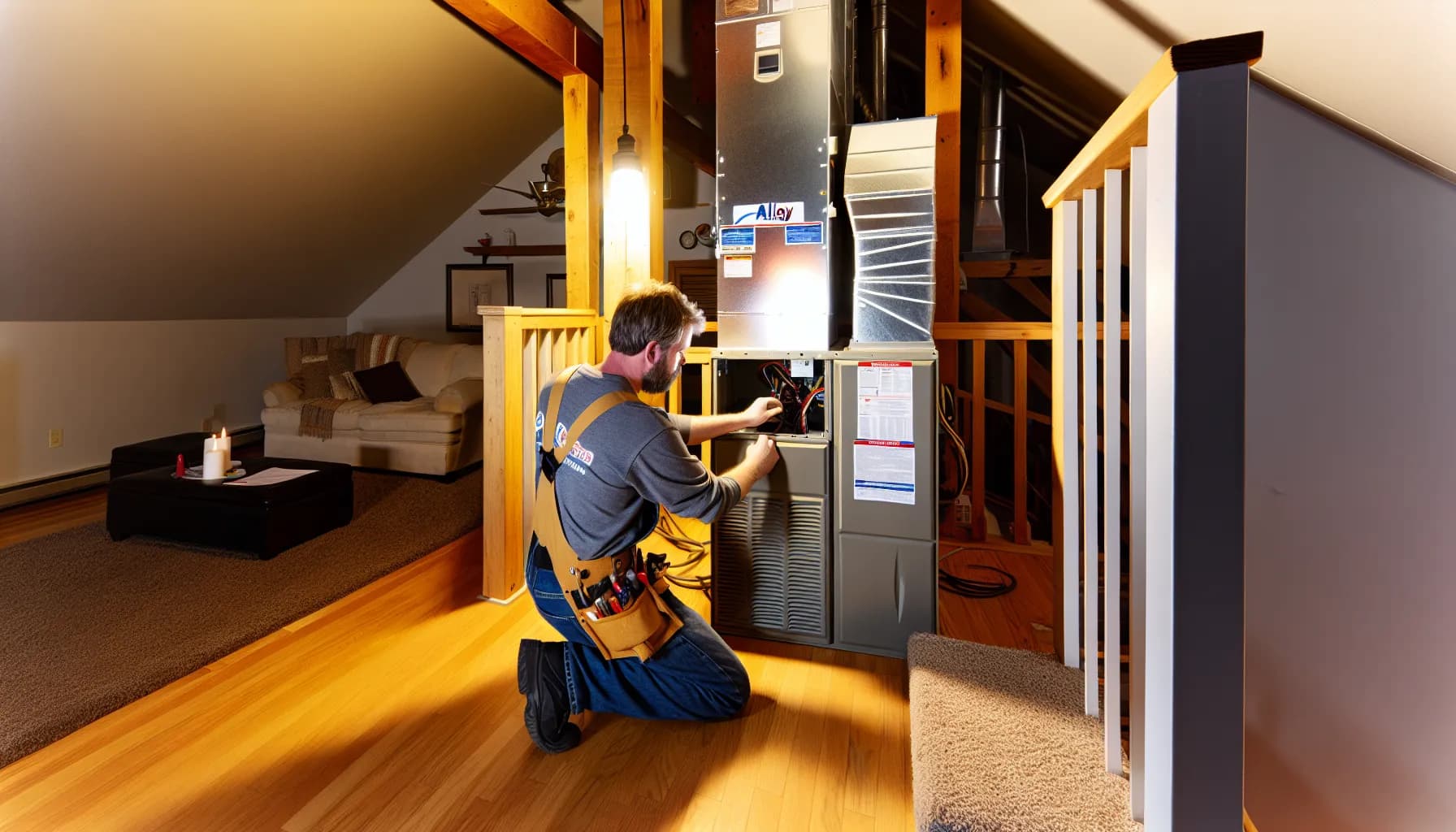
Loose wires, corroded terminals, or worn contactors can cause your system to short-cycle or fail. A professional technician will check all electrical connections, tighten them, and ensure your system operates safely. This is especially important in older homes or buildings in neighborhoods like Lakewood or Wheat Ridge.
Test System Performance
Run your AC for at least 15-20 minutes to ensure it cools every room evenly, starts up without strange noises, and shuts off properly. Listen for rattling, grinding, or hissing sounds, which can indicate mechanical issues. Inconsistent cooling or hot spots may mean you need ductwork repairs or a system tune-up.
When to Call a Professional HVAC Technician
Signs Your System Needs Expert Attention
If you notice weak airflow, unusual noises, water leaks, short cycling, or the system fails to reach the set temperature, it is time to call a technician. For example, a Parker business owner who noticed warm air blowing from the vents avoided a costly breakdown by calling in a pro before the peak summer rush.
Choosing a Reliable HVAC Service in Colorado
Look for licensed, insured, and well-reviewed HVAC companies familiar with Colorado’s climate. Ask about their experience with your system’s brand and model. Alloy Heating and Cooling, serving communities from Highlands Ranch to Boulder, offers comprehensive maintenance, repair, and installation services, ensuring you stay comfortable all season long.
Energy Efficiency Tips for Colorado Summers
Optimizing Airflow and Insulation
Proper insulation keeps cool air inside and hot air out. Seal gaps in windows, doors, and attic spaces. Make sure vents are open and unblocked by furniture or curtains, especially in multi-level homes in Lone Tree or Roxborough Park, where temperature differences can be more noticeable between floors.
Smart Thermostat Usage
Upgrade to a smart thermostat for better control over your cooling schedule. Many Colorado homeowners find this investment pays off quickly with lower energy bills and improved comfort. Some models even provide maintenance reminders and energy usage reports.
Sealing Leaks and Improving Home Efficiency
Air leaks can undermine your HVAC system’s performance. Use weatherstripping and caulk to seal leaks around doors and windows. Consider adding shade with trees or awnings to reduce solar heat gain. Homeowners in sunny spots like Aurora or Brighton can see a noticeable drop in cooling costs by taking these steps.
By following this checklist, you’ll help ensure your HVAC system is ready for anything Colorado’s summer throws your way. Regular maintenance not only protects your investment but also keeps your family or business comfortable during even the hottest days.
Frequently Asked Questions
How often should I service my HVAC system before summer in Colorado?
It’s best to schedule professional HVAC maintenance at least once a year, ideally in the spring before Colorado’s summer heat arrives.
What are the signs my HVAC system needs summer maintenance?
Common signs include reduced airflow, unusual noises, higher energy bills, or inconsistent cooling throughout your home.
Can I prepare my HVAC for summer on my own?
You can handle basic tasks like changing filters and cleaning around your outdoor unit, but professional inspections are recommended for optimal performance and safety.
Why is cleaning or replacing air filters important before summer?
Clean air filters improve airflow, indoor air quality, and system efficiency, helping your HVAC handle Colorado’s summer heat more effectively.
How can I improve my HVAC system’s energy efficiency during Colorado summers?
Use a programmable thermostat, seal leaks, maintain clean filters, and ensure your system is professionally serviced for peak efficiency.

Alloy HVAC Team
HVAC experts with years of experience in the industry. We share tips, insights, and the latest trends in heating, ventilation, and air conditioning to help you maintain optimal comfort in your home or business.