How Often Should HVAC System Be Serviced in Colorado’s Climate?
How Often Should HVAC System Be Serviced in Colorado’s Climate?
If you own a home or business in Colorado, you know that the weather is anything but predictable. From blazing summer afternoons to frigid winter nights, your HVAC system is essential for year-round comfort. But how often should you schedule maintenance to keep your system running smoothly in our unique Colorado climate? At Alloy Heating and Cooling, we believe that understanding your local environment is the key to making the best choices for your heating and cooling equipment.
Understanding Colorado’s Unique Climate and Its Impact on HVAC Systems
Temperature Extremes: Summer Heat and Winter Cold
Colorado’s climate is known for rapid shifts. Temperatures can swing from below freezing to the 90s in a matter of days. For example, a Greenwood Village homeowner may rely on their furnace in the morning and switch to air conditioning by afternoon. These extremes put extra stress on HVAC equipment, which must work harder and more frequently than in milder regions. Constant use increases wear and tear, making regular maintenance more important for reliability and efficiency.
Dry Air and Dust Concerns
Colorado’s air is famously dry, especially in winter. This can lead to cracked heat exchangers and dried-out gaskets. Dust, pollen, and wildfire smoke are frequent visitors, especially in areas like Parker and Highlands Ranch. Dust buildup in filters and ducts restricts airflow and reduces efficiency. Homeowners in areas near construction or open spaces often notice their filters clogging faster, a clear sign that more frequent filter changes and checkups may be necessary.
Altitude Effects on HVAC Performance
With elevations ranging from 5,000 feet in Denver to over 8,000 feet in Evergreen, Colorado’s altitude impacts HVAC performance. Thin air can affect combustion in furnaces and the heat exchange process in air conditioners. Systems not properly calibrated for altitude may lose efficiency or have trouble maintaining comfortable temperatures. A professional technician with local experience knows how to adjust equipment for these conditions, ensuring peak performance and safety.
Recommended HVAC Service Frequency for Colorado Homes
General Guidelines: Annual vs. Bi-Annual Maintenance
Most HVAC manufacturers and industry experts recommend at least annual maintenance. However, in Colorado, bi-annual service, once before cooling season and once before heating season, is often best. This schedule ensures that both your furnace and air conditioner are ready to handle the demands of their respective seasons. Alloy Heating and Cooling frequently serves clients in Englewood and Littleton who schedule spring and fall tune-ups, preventing unexpected breakdowns during extreme weather.
Seasonal Considerations: Spring and Fall Tune-Ups
A spring tune-up focuses on the air conditioner, checking refrigerant levels, inspecting coils, and ensuring smooth startup after months of inactivity. A fall tune-up prepares your furnace or heat pump for the winter, with safety checks, cleaning, and performance testing. This proactive approach is especially valuable in areas like Aurora and Castle Rock, where sudden weather changes can catch homeowners off guard.
Factors That May Require More Frequent Servicing
Some households or businesses may need more frequent attention. If you have pets, allergies, or live near dusty construction zones (common in growing communities like Thornton or Broomfield), your filters may clog faster, and indoor air quality may suffer. Older HVAC systems, or those that have required recent repairs, also benefit from more frequent checkups. Commercial properties with higher occupancy or heavy equipment usage (such as restaurants in downtown Denver) often require quarterly maintenance to meet safety codes and ensure uninterrupted operation.
What Happens During a Typical HVAC Service Visit?
Inspection and Cleaning Procedures
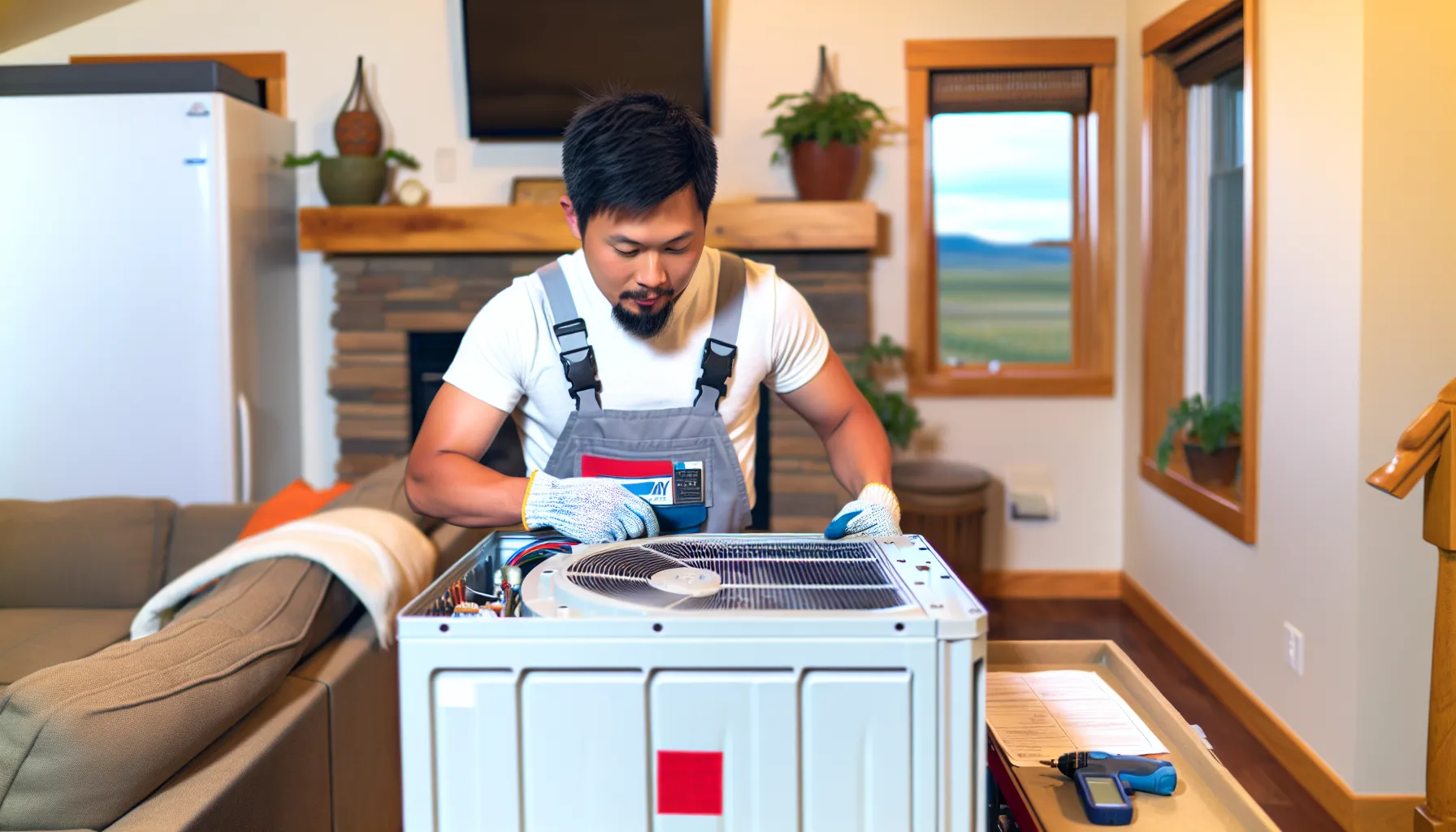
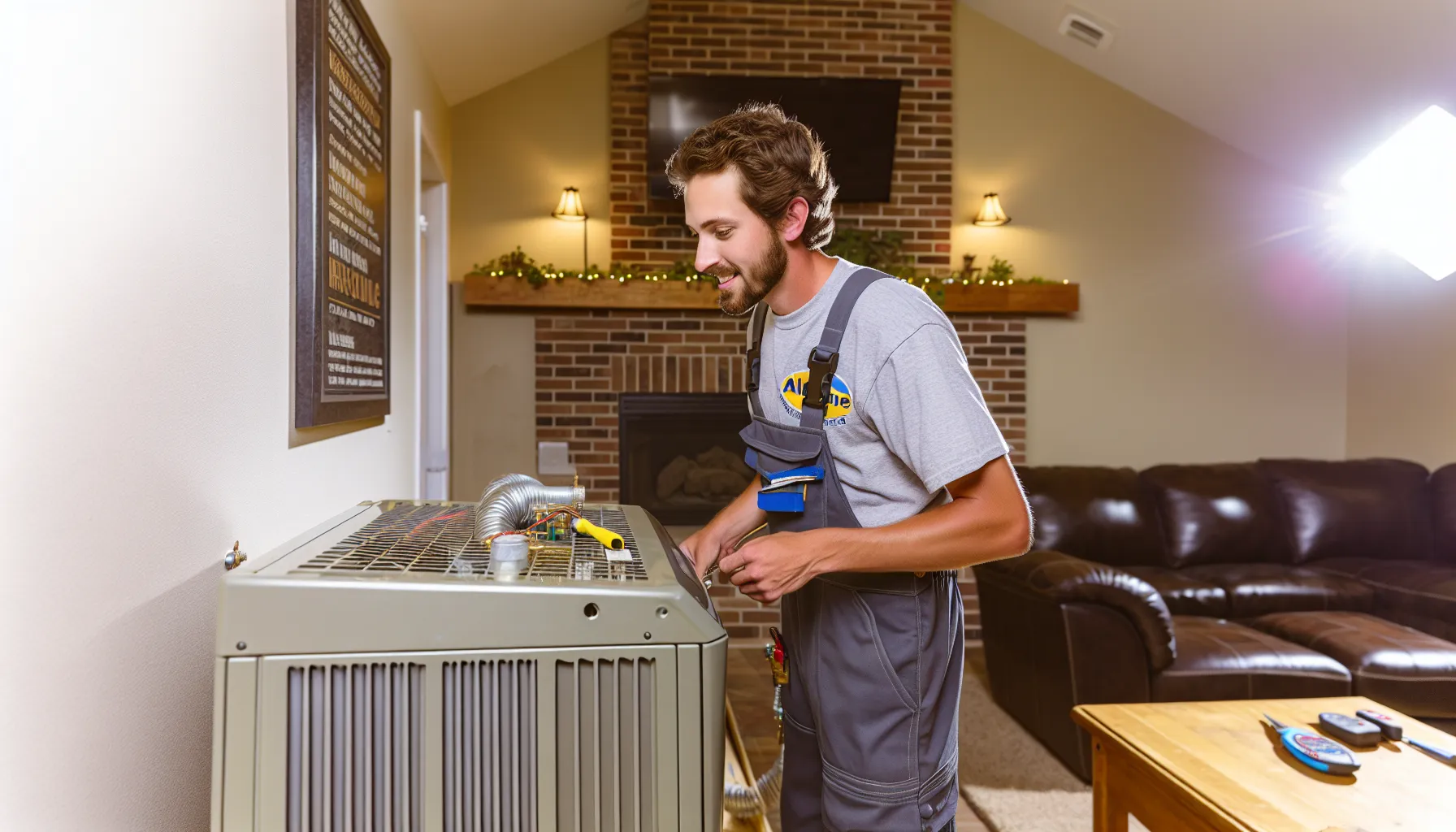
During a standard service visit, a certified technician conducts a thorough inspection of your HVAC system. This includes cleaning or replacing air filters, removing dust from coils and burners, and clearing condensate drains. For example, a technician servicing a home in Highlands Ranch might find a clogged evaporator coil due to high pollen counts in spring, something that can be addressed before it leads to a breakdown.
Checking Components and System Efficiency
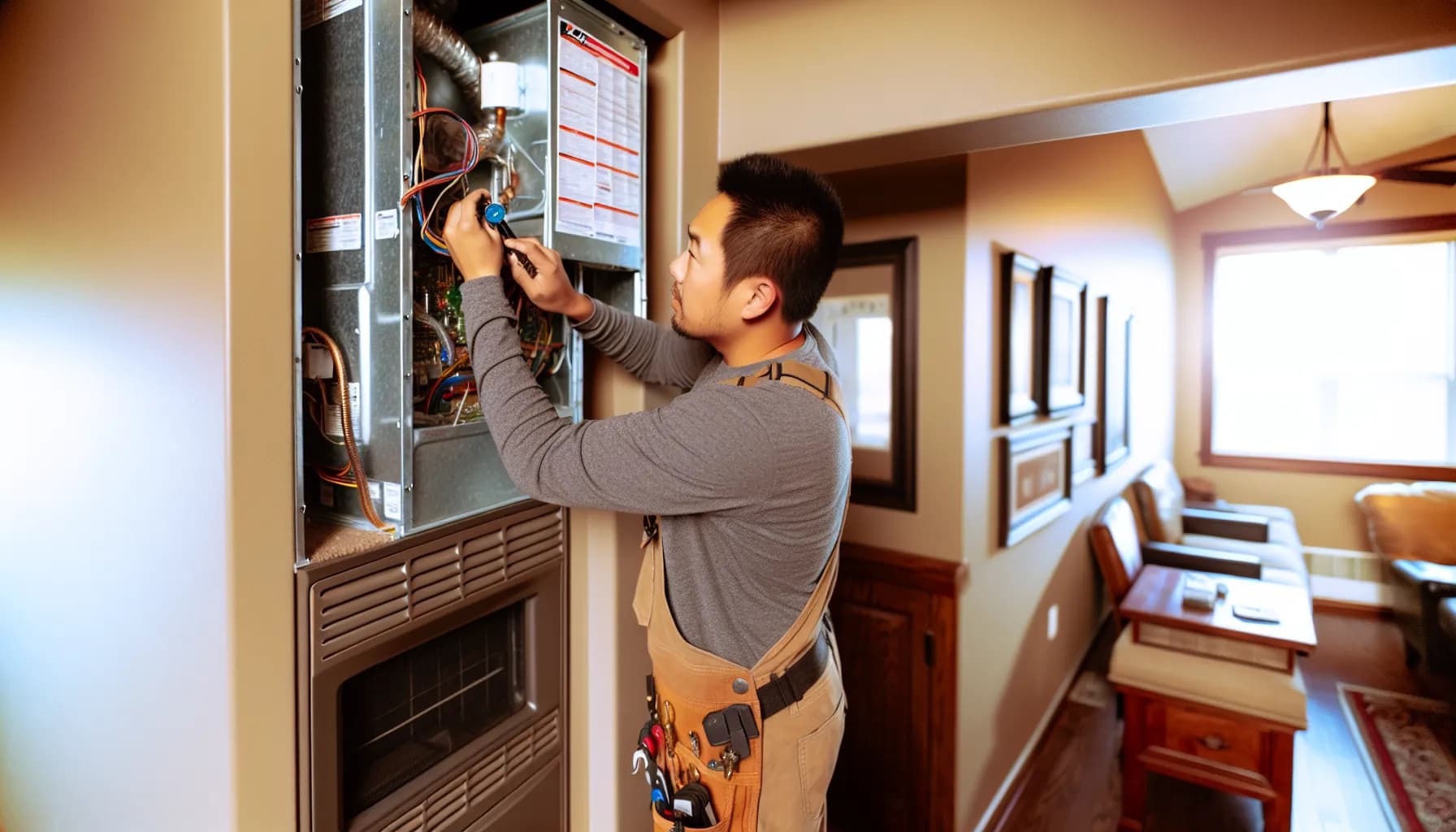
Technicians check electrical connections, lubricate moving parts, test thermostat calibration, and measure airflow. In Colorado’s dry climate, they also inspect for signs of static electricity buildup, which can damage sensitive components. Checking refrigerant levels is especially important at higher elevations, where pressure differences can affect cooling performance. Routine efficiency checks can catch small issues, like a loose wire or misaligned blower, before they cause major problems.
Addressing Common Colorado HVAC Issues
Colorado presents unique challenges, such as frozen coils in winter or dried-out rubber seals due to low humidity. Technicians from Alloy Heating and Cooling are trained to spot these problems early. For instance, after a dry, windy season in Castle Pines, a family might notice increased dust in their home. A technician identifies and seals duct leaks, then recommends a humidifier to maintain comfort and protect the HVAC system from further damage.
Benefits of Regular HVAC Maintenance in Colorado
Improved Energy Efficiency
Regular maintenance keeps your system running at peak efficiency, which can translate to significant savings on energy bills. For example, a Centennial homeowner who schedules annual tune-ups often sees lower costs compared to neighbors who neglect maintenance. Clean filters and well-lubricated parts reduce the workload on motors and compressors, lowering energy consumption while maintaining comfort.
Extended System Lifespan
Investing in routine care can add years to your HVAC system’s life. A well-maintained furnace or air conditioner is less likely to suffer catastrophic failures, delays, or costly emergencies. In commercial settings, like small businesses in Lakewood, scheduled maintenance helps avoid downtime and expensive repairs, preserving your investment for the long term.
Enhanced Indoor Air Quality
Colorado’s dust and pollen can compromise indoor air quality, especially during wildfire season. Regular cleaning, filter changes, and duct inspections help trap allergens and pollutants. Families in Boulder and Louisville with young children or elderly residents especially benefit from improved air quality, reducing the risk of respiratory issues and allergies.
Choosing a Reliable HVAC Service Provider in Colorado
What to Look For in an HVAC Technician
Choose a provider with experience in Colorado’s climate and a track record of satisfied customers. Look for NATE-certified technicians who understand the nuances of local weather, altitude, and building codes. Alloy Heating and Cooling serves communities from Sheridan to Evergreen, bringing years of expertise and local knowledge to every job.
Questions to Ask Before Scheduling Service
- Is your company licensed and insured in Colorado?
- Do your technicians have experience working at high elevations?
- What is included in your standard maintenance visit?
- Can you provide references from local customers?
- Do you offer maintenance plans or service agreements for ongoing care?
A reputable provider will answer these questions transparently and help you understand your system’s needs.
In summary, Colorado’s climate demands more from your HVAC system than most regions. Regular, professional maintenance, ideally in spring and fall, can help you stay comfortable, save money, and avoid unexpected breakdowns, no matter what the weather brings. Trust a local expert like Alloy Heating and Cooling to keep your system in top shape, year after year.
Frequently Asked Questions
How often should HVAC system be serviced in Colorado?
Most HVAC experts recommend servicing your HVAC system at least once a year in Colorado, but due to the extreme seasonal changes, bi-annual maintenance—once in the spring for cooling and once in the fall for heating—is often ideal.
Does Colorado's dry climate affect how often I need HVAC maintenance?
Yes, Colorado’s dry and dusty climate can lead to faster accumulation of debris in filters and components, so more frequent filter changes and maintenance checks may be needed to ensure efficient operation.
What are signs my HVAC system needs servicing?
Common signs include unusual noises, inconsistent temperatures, increased energy bills, poor airflow, or unpleasant odors coming from vents.
Can regular HVAC maintenance save money on energy bills?
Absolutely. Regular maintenance helps your HVAC system run more efficiently, which can lower your energy costs and prevent expensive breakdowns.
Is professional HVAC servicing necessary if my system seems to be working fine?
Yes, even if your system appears to be running well, regular professional inspections can catch hidden issues early and help maintain peak performance.

Alloy HVAC Team
HVAC experts with years of experience in the industry. We share tips, insights, and the latest trends in heating, ventilation, and air conditioning to help you maintain optimal comfort in your home or business.